Peru’s 2025 Wastewater Compliance Crisis: What Lima Factories Must Know
Peru's $200 million World Bank-backed wastewater program, active from 2025 to 2035, requires industrial facilities in Lima to implement advanced treatment systems such as Dissolved Air Flotation (DAF), Membrane Bioreactors (MBR), or chemical dosing to meet stricter effluent standards. With global industrial wastewater treatment at 27% safe treatment (WHO/PAA), Lima's factories face significant compliance pressure. Noncompliance risks fines up to 1% of annual revenue, operational shutdowns under the 2024 Environmental Management Act, and adherence to effluent targets: ≤50 mg/L COD, ≤30 mg/L BOD, and ≤30 mg/L TSS. These standards align with public health goals like the La Chira plant expansion to serve 2.5 million residents. Peru’s strategy emphasizes resource recovery—sludge-to-energy conversion and water reuse—as core compliance components, driving higher treatment efficiency.
2026 Effluent Standards for Peru: COD, BOD, TSS, and Heavy Metals Limits
Peru’s 2026 effluent standards for COD, BOD, TSS, and heavy metals include strict limits critical for evaluating industrial wastewater treatment systems. The 2025 benchmarks, enforced in 2026, define maximum allowable pollutant levels. These parameters determine system effectiveness and regulatory compliance.
| Parameter | Peru 2025 Industrial Effluent Standard (mg/L) | WHO Benchmark (mg/L) | EU Benchmark (mg/L) | Notes for Peru |
|---|---|---|---|---|
| COD | ≤ 50 | ≤ 125 (guideline) | ≤ 125 | Crucial for organic load assessment. |
| BOD | ≤ 30 | ≤ 20 (guideline) | ≤ 20 | Indicator of biological pollution. |
| TSS | ≤ 30 | ≤ 30 | ≤ 30 | Measures suspended particles. |
| pH | 6.0 - 9.0 | 6.0 - 9.0 | 6.0 - 9.0 | Essential for biological and chemical processes. |
| Chromium (Cr) | ≤ 0.1 | ≤ 0.05 | ≤ 0.05 | Strict limits for textile and metal finishing industries. |
| Lead (Pb) | ≤ 0.1 | ≤ 0.01 | ≤ 0.01 | Relevant for mining and battery manufacturing. |
| Mercury (Hg) | ≤ 0.001 | ≤ 0.001 | ≤ 0.001 | Zero tolerance for mercury contamination. |
| Arsenic (As) | ≤ 0.1 (Mining) | ≤ 0.01 | ≤ 0.01 | Specific stringent limits for mining operations. |
Industries like mining, textiles, and food processing face the strictest limits due to waste stream complexity. Mining operations must comply with ≤0.1 mg/L arsenic, stricter than global benchmarks. Lima facilities typically conduct quarterly testing for high-risk sectors and annual testing for others. Common compliance failures stem from inconsistent sampling, lack of real-time monitoring, and unaccounted parameter fluctuations. Implementing real-time monitoring systems with COD/BOD/TSS sensors can preempt deviations and ensure adherence to 2026 standards.
DAF vs. MBR vs. Chemical Dosing: Which System Fits Your Lima Plant?
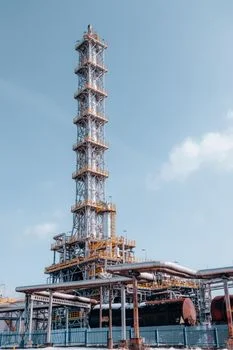
Industrial facilities in Lima must choose wastewater treatment technology based on industry type, wastewater composition, capacity, and budget. DAF, MBR, and chemical dosing systems offer distinct performance profiles for COD, BOD, TSS, and heavy metal removal.
| Parameter | DAF System | MBR System | Chemical Dosing |
|---|---|---|---|
| Primary Application | High TSS, oils, greases removal. | High-level organic/nutrient removal, water reuse. | Heavy metal precipitation, pH adjustment, disinfection. |
| COD Removal Rate | 50-80% | 95%+ | Variable (coagulant/flocculant dependent) |
| BOD Removal Rate | 40-70% | 95%+ | Variable |
| TSS Removal Rate | 92-97% | 99%+ (membrane barrier) | Variable (settling dependent) |
| Footprint | Moderate | Compact (up to 60% smaller than conventional) | Small to Moderate |
| CAPEX (Estimated) | $200K - $1.5M (4–300 m³/h) | $1.2M - $5M (50–1000 m³/day) | $ |
Cost Models and ROI for Industrial Wastewater Treatment in Peru
Understanding the financial implications of wastewater treatment is crucial for industrial facilities in Peru. Both Capital Expenditure (CAPEX) and Operational Expenditure (OPEX) must be thoroughly evaluated to determine the true cost and potential Return on Investment (ROI).
Capital Expenditure (CAPEX)
CAPEX includes the initial investment for equipment, installation, civil works, and commissioning. For DAF systems, CAPEX typically ranges from $200,000 to $1.5 million for flow rates between 4 and 300 m³/h. MBR systems, offering superior effluent quality and a smaller footprint, command higher CAPEX, estimated between $1.2 million and $5 million for capacities of 50 to 1000 m³/day. Chemical dosing systems generally have a lower initial CAPEX, but this can vary significantly based on the complexity of the dosing requirements and automation level. Factors influencing CAPEX include the raw wastewater characteristics, desired effluent quality, system capacity, and site-specific conditions.
Operational Expenditure (OPEX)
OPEX encompasses ongoing costs such as energy consumption, chemical reagents, sludge disposal, maintenance, and labor. MBR systems, while compact, typically have higher energy consumption due to membrane aeration and filtration pressures. Chemical dosing systems incur significant OPEX from the continuous purchase of coagulants, flocculants, and pH adjustment chemicals. Sludge disposal costs are a universal concern, as all treatment processes generate sludge that requires proper handling and disposal in accordance with Peruvian environmental regulations. Regular maintenance, including membrane cleaning for MBRs or pump calibration for dosing systems, also contributes to OPEX.
Return on Investment (ROI)
The ROI for industrial wastewater treatment extends beyond mere compliance. Avoiding hefty fines, which can reach up to 1% of annual revenue, represents a direct financial benefit. Furthermore, advanced systems like MBRs can produce effluent suitable for non-potable reuse (e.g., irrigation, cooling towers, process water), significantly reducing fresh water procurement costs. Some facilities may also explore energy recovery from treated sludge, aligning with Peru's resource recovery emphasis. The World Bank program's support can also provide financial incentives or access to favorable loans, further improving the ROI for compliant facilities.
Zero-Risk Equipment Selection and Procurement for Lima Plants
Selecting the right wastewater treatment equipment is a strategic decision that impacts long-term operational efficiency and compliance. A "zero-risk" approach involves meticulous evaluation of technology, supplier capabilities, and contractual guarantees.
Performance Guarantees and Compliance
Prioritize suppliers who offer explicit performance guarantees, ensuring their systems will consistently meet Peru's 2026 effluent standards for COD, BOD, TSS, and heavy metals. These guarantees should be legally binding and specify remedies in case of non-compliance. Request detailed process flow diagrams, mass balance calculations, and expected effluent quality reports based on your specific wastewater profile.
Proven Technology and Local Expertise
Opt for technologies with a proven track record in similar industrial applications and wastewater compositions. Request case studies or references from installations in Peru or comparable Latin American environments. A supplier with local engineering, installation, and commissioning teams in Peru can provide invaluable support, reducing project delays and ensuring seamless integration with existing plant infrastructure. Local presence also facilitates faster response times for maintenance and technical support.
Pilot Testing and Scalability
For complex or highly variable wastewater streams, consider implementing a pilot program. Pilot units allow for real-world testing of the proposed technology on a smaller scale, validating its effectiveness and optimizing operational parameters before full-scale investment. This significantly de-risks the project. Ensure the chosen system is scalable, allowing for future expansion as production volumes or regulatory requirements evolve.
After-Sales Support and Automation
Comprehensive after-sales support, including spare parts availability, preventive maintenance contracts, and operator training, is critical for sustained compliance and system longevity. Modern wastewater treatment systems often incorporate advanced automation and real-time monitoring capabilities. These features, including COD/BOD/TSS sensors and remote diagnostic tools, enable proactive management, minimize human error, and provide continuous data for regulatory reporting, further reducing compliance risk.
Related Equipment
HydropureWater offers the following products tailored to Peru’s industrial wastewater challenges:
- High-efficiency DAF systems for Peru’s industrial wastewater — view specifications, capacity range, and technical data
- MBR systems for near-reuse-quality effluent in Peru — view specifications, capacity range, and technical data
- Precise chemical dosing for heavy metal removal in Peru — view specifications, capacity range, and technical data
Need a customized solution? Request a free quote with your specific flow rate and pollutant parameters.
Further Reading
Explore these in-depth articles on related wastewater treatment topics: