Wastewater treatment plant cost in Fortaleza runs USD 1.5M–4.2M in CAPEX for a 1,000 m³/day industrial plant and USD 0.25–0.55/m³ in OPEX, with salinity and CONAMA 430/2011 compliance driving the spread.
Fortaleza, "a capital do estado brasileiro do Ceará" on the Atlantic coast with "34 km de praias" (Wikipédia, pt), concentrates textile, food, and pharmaceutical effluent against strict discharge law. A textile factory there recently faced R$300,000 in SEMACE fines after repeated violations, registering COD consistently above 300 mg/L — nearly double the CONAMA 430/2011 limit. That arithmetic, not marketing, sets the budget.
Fortaleza Wastewater Treatment Plant Cost: 2026 Benchmarks
A 1,000 m³/day industrial plant in Fortaleza costs USD 1.5M–4.2M in CAPEX (USD 1,500–4,200 per m³/day) and USD 0.25–0.55/m³ in OPEX. Textile streams above 300 mg/L COD with 5,000–10,000 mg/L TDS need DAF pretreatment, adding 20–30% upfront, and about 40% of regional discharges currently fail CONAMA 430/2011 standards (CAGECE 2023).
Three local drivers explain the premium over inland Brazilian cities. First, the industrial mix: textile manufacturing dominates with 45% of industrial discharges, food processing holds 30%, and pharmaceuticals 15% (CAGECE 2023). Textile effluents typically carry COD of 300–800 mg/L, TSS of 100–300 mg/L, and complex dyes, while food processing generates BOD of 200–500 mg/L plus FOG. Each profile demands a different — and differently priced — train.
Second, salinity: coastal groundwater and processes push industrial wastewater to 5,000–10,000 mg/L TDS, which forces corrosion-resistant materials such as duplex stainless steel or fiberglass-reinforced plastic (FRP) on DAF systems, pumps, and piping, adding 20–30% to CAPEX versus standard carbon steel. Third, enforcement: according to 2023 CAGECE data, approximately 40% of industrial discharges in the region fail BOD or TSS standards — a systemic compliance gap that regulators price through fines. According to Wikipedia (pt), CAGECE, founded July 20, 1971, is "a empresa de saneamento básico do estado brasileiro do Ceará," so its monitoring data anchors most regional cost analyses.
Buyers comparing sites should note how location changes the bill. An industrial waste treatment plant in Paraná faces Brazil's conventional organic-load economics without the coastal salinity premium. Fortaleza buyers pay for materials and redundancy; inland buyers pay mostly for biology.
Read the 2026 bands with two grains of salt. Quoted ranges assume grid power at regional industrial tariffs and sludge disposal inside the R$300–500/ton window, so sites with unusual disposal routes or captive generation will drift from them. And because SEMACE permitting runs on documented influent data, the cheapest first purchase is a twelve-month sampling campaign, not equipment.
Industrial Wastewater CAPEX OPEX Breakdown: Brazil Benchmarks for Fortaleza
Industrial wastewater CAPEX/OPEX in Brazil brackets USD 1,500–4,200 per m³/day of capacity across the three common trains, with technology choice setting the band before salinity adjustments apply. For a typical 1,000 m³/day plant, the choice among MBR, DAF + Anaerobic/Anoxic/Oxic (A/O), and standalone A/O defines both the effluent quality ceiling and the reuse options. The capex and opex split for India's market offers a useful out-of-region sanity check on the same categories.
| Technology | CAPEX Range (USD/m³/day) | OPEX Range (USD/m³) | COD Removal Efficiency | TSS Removal | Salinity Tolerance | Land Use (Relative) |
|---|---|---|---|---|---|---|
| MBR | 3,500–4,200 | 0.45–0.55 | >95% (effluent <50 mg/L) | >99% (effluent <5 mg/L) | Moderate (requires pre-treatment for high TDS) | Low |
| DAF + A/O | 2,200–2,800 | 0.30–0.40 | 85–90% | >95% | High (DAF pre-treatment effective) | Medium |
| A/O (Standalone) | 1,500–2,000 | 0.25–0.35 | 75–85% | 80–90% | Low | High |
MBR System Cost for Fortaleza Industrial Plants
MBR systems cost USD 3,500–4,200 per m³/day of capacity — 30–40% more than conventional biological systems — and they are often necessary for Fortaleza textile factories with influent COD above 300 mg/L and reuse ambitions. These systems consistently achieve effluent COD below 50 mg/L and TSS below 5 mg/L, making treated water suitable for cooling towers or irrigation and offsetting municipal water costs (HydropureWater field data, 2025). In practice, MBR systems for CONAMA 430/2011 compliance and water reuse are the train we specify when the permit carries reuse clauses or the site pays top-tier water tariffs.
DAF Pre-Treatment Cost for Textile Effluent in Brazil
DAF pre-treatment for textile effluent in Brazil adds a targeted CAPEX increment that repays itself in biology protection: a DAF + A/O combined system runs USD 2,200–2,800/m³/day CAPEX with OPEX of USD 0.30–0.40/m³. For food plants, DAF pre-treatment cuts overall biological system costs by about 20% (HydropureWater field data, 2025) by removing FOG and suspended solids before biology. In saline service, DAF systems for pre-treatment of high-salinity and FOG-laden wastewater ship with duplex stainless wetted parts, which is the main price variable inside that band.
Standalone A/O systems remain the economical entry point at USD 1,500–2,000/m³/day CAPEX and OPEX of USD 0.25–0.35/m³ for facilities with low salinity and moderate organic loads, such as some pharmaceutical operations. The catch is post-treatment: meeting CONAMA 430/2011 discharge limits for COD and BOD often needs added filtration or disinfection, raising the true lifecycle cost. Buyers comparing quotes should price that polish stage inside the A/O bid, not as a surprise afterward.
Lifecycle arithmetic settles most of these choices. Over a ten-year horizon, the MBR's energy and membrane costs compete against the A/O train's post-treatment additions and higher surcharge exposure, and the answer flips with influent strength. Run both bids against your actual COD and TDS data — the table bands are starting points, not verdicts.
High Salinity Industrial Wastewater Treatment Cost Drivers
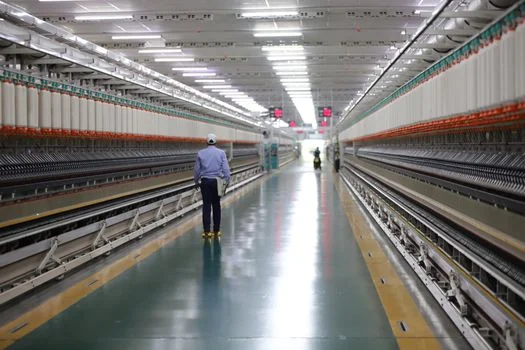
Salinity between 5,000 and 10,000 mg/L TDS escalates both CAPEX and OPEX in Fortaleza by forcing specialized materials and extra process steps, and the adjustment scales with concentration. Equipment longevity and treatment efficiency both degrade in salt service, so corrosion-resistant components and advanced pretreatment become the design baseline rather than upgrades.
| Salinity Level (mg/L TDS) | CAPEX Adjustment (%) | OPEX Adjustment (%) | Required Pre-treatment | Corrosion-Resistant Materials |
|---|---|---|---|---|
| 5,000 | +10–15% | +5–10% | pH adjustment, basic filtration | FRP, coated steel |
| 7,500 | +15–20% | +10–15% | Enhanced pH control, chemical precipitation | Duplex stainless steel, specialized coatings |
| 10,000 | +20–25% | +15–20% | Advanced oxidation, membrane pre-treatment (e.g., UF), anti-scalants | Titanium, super duplex stainless steel, specialized membranes (e.g., for MBR) |
An MBR system treating wastewater at 10,000 mg/L TDS can see CAPEX rise by 25%, driven by titanium-reinforced membranes, specialized seals, and continuous anti-scalant dosing against fouling. DAF systems on high-salinity, FOG-laden streams need duplex stainless components to survive the service. When reuse is the goal, reverse osmosis usually follows: according to Wikipedia, "RO is used as an advanced treatment stage in some systems that convert treated wastewater into high-quality reclaimed water," and it "can remove dissolved or suspended chemical species as well as biological substances" — exactly the duty high-TDS reuse demands.
Organic loads stack on top of the salt problem. Textile dyes at COD 300–800 mg/L and food organics at BOD 200–500 mg/L raise chemical dosing (coagulants for DAF, nutrients for biology), adding 10–20% to OPEX. The extra sludge those processes generate compounds disposal fees, which typically run R$300–500/ton in Fortaleza.
Sludge strategy deserves explicit budget treatment in saline service. Dewatering to a drier cake directly cuts the tonnage billed at disposal, and polymer programs tuned to salt-loaded flocs often outperform generic dosing by a visible margin. Plants that treat sludge as an afterthought routinely find it their fastest-growing OPEX line by year two.
Civil works and land push in the same direction. HydropureWater's underground WSZ series plants for Fortaleza's urban industrial zones reduce civil works cost by about 15% in high-salinity applications by eliminating extensive above-ground structures and specialized foundations, even accounting for waterproofing and corrosion protection of submerged components. In dense industrial districts where land is scarce, that geometry is the difference between a feasible site and a compromise process.
CONAMA 430 Compliance for Textile Wastewater in Fortaleza
CONAMA 430 compliance for textile wastewater in Fortaleza centers on effluent limits of COD ≤ 180 mg/L and BOD ≤ 120 mg/L for discharge into water bodies, enforced by SEMACE (the state environmental superintendence). CONAMA itself is the national rule-maker: according to Wikipedia (pt), "O Conselho Nacional do Meio Ambiente (CONAMA), criado pela Lei Federal nº 6.938/81" is the deliberative council whose acts are resolutions — 430/2011 being the one governing effluent discharge conditions. Non-compliance is financial risk, not paperwork: SEMACE fines can escalate up to R$500,000 per year for repeat violators, excluding potential production halts.
Textile plants sit closest to the line. COD of 300–800 mg/L against a 180 mg/L limit means removal efficiency, not just treatment presence, decides the permit outcome. DAF pretreatment for color and suspended solids followed by MBR biology is the standard route to consistent margins, with the MBR's below-50 mg/L COD effluent providing room for upset days. Facilities that run standalone biology against textile loads usually visit the fine schedule within the first year.
Permit mechanics matter as much as limits. SEMACE licensing typically requires influent characterization, a treatment-process description, and a self-monitoring plan before discharge authorization, so plants that document early avoid re-submission cycles. Keep composite sampling aligned with the permit's stated method — the same effluent can pass or fail depending on how the sample was taken.
Fortaleza-Specific Cost-Saving Strategies for Industrial Wastewater Treatment
Robust pretreatment is the highest-leverage saving: it decreases load on the expensive biological stage by 20–30%. DAF for FOG removal in food processing, or pH adjustment plus chemical precipitation for high-salinity textile effluent, lowers influent COD/BOD enough to permit smaller, simpler, more energy-efficient downstream reactors. That avoids oversized equipment and trims late-stage chemical consumption.
Water reuse offsets OPEX by 15–25% through avoided municipal purchases, and Fortaleza's industrial water at R$8–12/m³ makes the math work quickly. MBR effluent can be polished for cooling towers, boiler feed (with further polishing), or washdowns, turning a waste stream into a resource. According to Wikipedia, RO "is used as an advanced treatment stage" that converts treated wastewater into reclaimed water, which is the polishing step most Fortaleza reuse projects adopt.
Underground deployment trades a 15% CAPEX premium for a 60% smaller land footprint and eliminated odor complaints. For urban sites where land is expensive and neighbors are close, the community-relations and permitting value alone often covers the premium. Automation closes the loop: PLC-controlled chemical dosing cuts OPEX 10–15% through optimized dosing and reduced manual labor, and it keeps effluent quality stable enough to stay off SEMACE's radar.
Sequence the investment to protect cash flow. DAF pretreatment and equalization usually come first because they de-risk everything downstream; biology and membranes follow once loads are proven; reuse polishing comes last, sized on measured effluent rather than assumptions. Facilities that invert this sequence pay twice.
Choosing the Right Wastewater Treatment Technology for Fortaleza's Industries
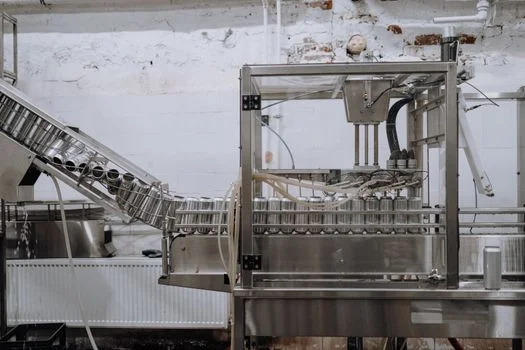
No single technology fits Fortaleza's mix of high salinity, varied organic loads, and CONAMA 430/2011 stringency, so selection follows influent characteristics, compliance goals, and budget in that order. Because the wastewater treatment plant cost Fortaleza facilities actually pay depends on salinity, verify TDS on every candidate site before comparing bids. The table below compresses the decision for the three dominant industries.
| Industry | Influent Characteristics (Key) | Compliance Goals | Budget (Relative) | Recommended Technology |
|---|---|---|---|---|
| Textile | High COD (300-800 mg/L), color, high salinity (up to 10,000 mg/L TDS) | CONAMA 430, Water Reuse (e.g., cooling towers) | High | DAF (pre-treatment) + MBR |
| Food Processing | High BOD (200-500 mg/L), FOG, moderate salinity (up to 7,500 mg/L TDS) | CONAMA 430, Sludge reduction | Medium | DAF (pre-treatment) + A/O |
| Pharmaceuticals | Variable COD/BOD, specific compounds, low-moderate salinity (up to 5,000 mg/L TDS) | CONAMA 430, Trace contaminant removal | Medium-Low | A/O (with potential post-treatment like activated carbon or UV) |
Textile plants with reuse goals justify MBR despite the higher CAPEX, because reuse-grade effluent lowers long-run OPEX through reduced municipal water consumption. Pharmaceutical facilities with lower salinity often start with standalone A/O, then price post-treatment — sand filtration, activated carbon — against the CONAMA 430/2011 limits before deciding. Comparing São Paulo's wastewater treatment cost breakdown for industrial buyers reveals similar trade-offs without Fortaleza's salinity challenge.
Food processors land in the middle. Their FOG and moderate salinity suit the DAF + A/O train, and sludge reduction usually matters more to their budget than reuse polish. Whoever the industry, keep one rule in view: the train must clear CONAMA 430/2011 on the worst influent day of the year, not the average one.
When evaluating vendor proposals, look past equipment price. Prior experience with Fortaleza cases — high salinity and textile dye specifically — matters more than catalog breadth, and contracted SEMACE compliance support with local spare-parts availability protects uptime. Ask each bidder to quote materials by salinity class, to state the OPEX assumptions behind every number, and to name the local service contact. Downtime on a treatment plant costs more than the equipment ever did.
Next step: collect 12 months of influent data (COD, BOD, TSS, FOG, TDS) and set it against the limits above, then request a free quote with your flow rate and pollutant parameters for a sized CAPEX/OPEX sheet.
Frequently Asked Questions
What is the primary factor driving higher wastewater treatment costs in Fortaleza compared to other Brazilian cities?
The primary factor is Fortaleza's high industrial wastewater salinity, often 5,000–10,000 mg/L TDS, due to coastal proximity. This necessitates expensive corrosion-resistant materials (e.g., duplex stainless steel, titanium), specialized pre-treatment (e.g., anti-scalants), and higher energy consumption for advanced processes, adding 20–30% to CAPEX and 10–20% to OPEX compared to low-salinity regions.
How do SEMACE fines impact the total cost of ownership for a wastewater treatment plant?
SEMACE fines for non-compliance with CONAMA 430/2011 can reach up to R$500,000 annually for repeat violations, not including potential facility shutdowns. These fines are a hidden OPEX line, making investment in robust, compliant technology a cost-saving measure in the long run. Consistent compliance through reliable treatment systems minimizes this financial risk.
Can water reuse significantly offset the high CAPEX of advanced treatment systems like MBR in Fortaleza?
Yes, water reuse can significantly offset CAPEX and OPEX, especially with Fortaleza's industrial water costs of R$8–12/m³. By treating wastewater to a quality suitable for non-potable uses (e.g., cooling towers), facilities can reduce municipal water purchases by 15–25%, providing a strong economic incentive that can lead to a quicker return on investment for MBR or other advanced systems.
Are underground wastewater treatment plants a cost-effective solution for Fortaleza's urban industries?
Underground WSZ series plants, despite a 15% CAPEX premium, can be cost-effective for Fortaleza's urban industries. They reduce land use by 60%, eliminate odor issues, and minimize civil works in specific high-salinity applications by avoiding complex above-ground structures. The savings in valuable urban land and improved community relations often justify the higher initial investment.
What should industrial buyers in Fortaleza verify in vendor proposals?
Verify three things before signing: documented Fortaleza-specific case studies covering high salinity and textile dye, contracted SEMACE compliance support rather than vague promises, and local after-sales capability with spare parts and technical service. Equipment price alone predicts very little of ten-year cost of ownership. Downtime and fine exposure dominate that math.