Why Dominican Republic Sewage Treatment Projects Fail: 3 Common Compliance Pitfalls
In the Dominican Republic, sewage treatment equipment must meet INDOCAL NORDOM 43:2018 (wastewater discharge limits) and Ministry of Environment Resolution 001-2020 (environmental permits). For example, COD discharge limits are ≤250 mg/L for industrial effluents and ≤125 mg/L for municipal plants. Suppliers like HydropureWater offer DAF systems (92-97% TSS removal) and MBR systems (99% pathogen reduction) pre-configured for tropical climates, with local compliance documentation included.
A 2023 compliance audit resulted in the temporary shutdown of a textile plant in Santo Domingo because its wastewater system failed to meet the NORDOM 43:2018 COD limit of ≤250 mg/L. The plant was utilizing an undersized Dissolved Air Flotation (DAF) system designed for an influent COD of 400 mg/L, whereas the actual industrial effluent reached 800 mg/L during peak production. This mismatch highlights a critical reality in the Dominican market: equipment specified for standard international loads often fails under local industrial pressures.
Pitfall 1: Assuming EU/US equipment specs meet Dominican Republic standards. Local nuances matter, as chlorine residual limits in the Dominican Republic are strictly regulated between 0.5–2.0 mg/L for certain discharge zones, whereas US or EU standards may allow for a broader or more restrictive range (0.2–1.0 mg/L). Procurement managers who import "off-the-shelf" systems without checking these mapping differences often face immediate fines during their first Ministry of Environment inspection.
Pitfall 2: Ignoring tropical climate impacts on biological systems. In the Dominican Republic, ambient temperatures often exceed 30°C. In Membrane Bioreactor (MBR) systems, these temperatures accelerate biological activity but also increase the rate of membrane biofouling due to higher extracellular polymeric substance (EPS) production. This can reduce design flux by 20–30% compared to temperate zone operations. Without tropical climate adjustments, systems suffer from frequent transmembrane pressure (TMP) spikes and premature membrane failure.
Pitfall 3: Overlooking Ministry of Environment Resolution 001-2020. This resolution mandates that all wastewater treatment facilities obtain an environmental permit and undergo annual third-party water quality testing by accredited laboratories such as SGS Dominicana or the Laboratorio Nacional de Calidad. The cost for these tests ranges from $1,200 to $2,500 per event. Failure to budget for these operational requirements or selecting equipment that cannot consistently hit the required parameters leads to retrofitting costs that typically add 30–50% to the initial CAPEX.
Dominican Republic Sewage Treatment Equipment: Engineering Specs by System Type
Engineering specifications for Dominican Republic projects must account for high humidity, coastal salinity, and rapid biological kinetics. Selecting the right technology requires a direct comparison of removal efficiencies against NORDOM 43:2018 discharge limits. For those looking for Dominican Republic-compliant DAF systems for industrial wastewater, understanding the DAF parameters is the first step toward compliance.
DAF Systems: These are primarily used for industrial pretreatment (food processing, textiles). HydropureWater DAF systems achieve 92–97% Total Suspended Solids (TSS) removal and 95–99% Fats, Oils, and Grease (FOG) removal. The footprint is optimized at 1.2–2.5 m²/m³/h, making them ideal for urban factories in Santo Domingo or Santiago where space is at a premium.
MBR Systems (DF Series): For hotels and resorts requiring high-quality effluent for reuse, MBR systems for Dominican Republic hotels and resorts are the gold standard. These systems produce effluent with BOD₅ ≤5 mg/L and TSS ≤1 mg/L. Most importantly, they offer a 99.99% pathogen reduction, meeting WHO guidelines for irrigation. Due to the tropical climate, energy use is calibrated at 0.8–1.4 kWh/m³, accounting for increased aeration needs to maintain dissolved oxygen (DO) levels at higher temperatures.
SBR Systems (WSZ Series): Sequential Batch Reactors are highly effective for variable flow rates common in tourist areas. In the Dominican Republic, biological kinetics are approximately 1.5x faster than in temperate climates, allowing for reduced cycle times of 4–6 hours. Underground SBR systems for Dominican Republic residential communities are often preferred for their low visual impact and ability to handle 85–95% COD removal.
| Influent Type | Recommended System | Key Spec (DR Context) | Compliance Outcome |
|---|---|---|---|
| Food Processing Effluent | DAF | TSS Removal >95% | Meets NORDOM 43:2018 for Industrial Discharge |
| Hotel/Resort Sewage | MBR (DF Series) | Pathogen Reduction 99.99% | Approved for Golf Course Irrigation |
| Residential Community | SBR (WSZ Series) | Cycle Time 4-6 Hours | Meets Municipal Discharge Limits |
| Coastal Hospital | MBR + UV | 316L Stainless Steel | Exceeds Pathogen Limits; Corrosion Resistant |
For coastal installations within 5km of the shoreline, equipment must be specified with 316L stainless steel or high-density polyethylene (HDPE) to resist chloride-induced corrosion (where chloride levels often exceed 200 mg/L). Additionally, UV disinfection systems, such as the Trojan 3000, are frequently integrated for food processing applications where chlorine residuals must be kept below 0.5 mg/L to avoid product contamination.
Local Compliance Checklist: INDOCAL, Ministry of Environment & Permitting
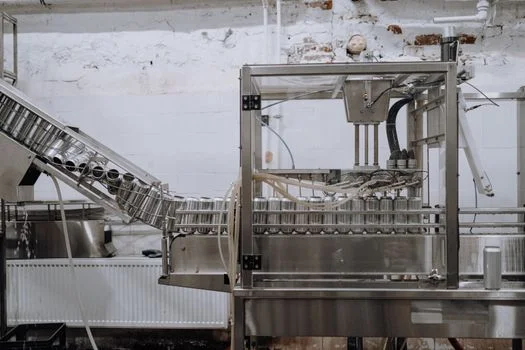
Navigating the Dominican regulatory framework requires meeting technical discharge limits and satisfying administrative permitting cycles. The primary technical benchmark is INDOCAL NORDOM 43:2018, which defines the maximum allowable concentrations for wastewater discharge into surface waters or coastal zones.
- BOD₅ (Biochemical Oxygen Demand): ≤25 mg/L
- TSS (Total Suspended Solids): ≤30 mg/L
- COD (Chemical Oxygen Demand): ≤250 mg/L (Industrial) / ≤125 mg/L (Municipal)
- pH Range: 6.0 – 9.0
- Fecal Coliforms: ≤1,000 CFU/100 mL
Beyond these limits, Ministry of Environment Resolution 001-2020 dictates the procedural requirements. Any project with a flow rate exceeding 50 m³/h must undergo a full Environmental Impact Assessment (EIA). The cost for these permits typically ranges from $5,000 to $15,000, depending on the project's complexity and location. In Santo Domingo, the Ayuntamiento del Distrito Nacional may require additional sewer connection permits, which can add another $2,000 to $5,000 to the pre-construction budget.
To avoid project delays, suppliers must provide a comprehensive documentation package. This includes INDOCAL certification for specific components, a formal compliance letter addressed to the Ministry of Environment, and third-party performance test reports (such as NSF/ANSI 40 for SBR systems). Many projects face 3–6 month delays because of incomplete EIAs or missing equipment certifications. Engaging in pre-application meetings with the Ministry can reduce these timelines by identifying specific local variances early in the design phase. How Dominican Republic hospitals can adapt similar compliance strategies involves looking at international best practices for pathogen control while strictly adhering to these local NORDOM standards.
Cost Breakdown: CAPEX, OPEX & ROI for Dominican Republic Projects
Budgeting for sewage treatment in the Dominican Republic requires a clear distinction between the equipment purchase price and the total landed cost. For a 50 m³/h facility, CAPEX varies significantly by technology. DAF systems generally range from $80,000 to $120,000, while MBR systems range from $180,000 to $250,000. SBR systems sit in the middle at $120,000 to $180,000. These figures include civil works and local permitting.
Operational expenses (OPEX) are driven by energy costs and chemical consumption. In the Dominican Republic, industrial electricity rates and the need for imported coagulants influence the per-cubic-meter cost. MBR systems are the most expensive to operate at $0.12–$0.18/m³, while DAF systems are the most economical at $0.08–$0.12/m³. For a broader perspective, a cost comparison for Caribbean wastewater projects shows that Dominican labor rates ($15–$25/hour for skilled operators) are slightly higher than some regional peers but are offset by better infrastructure.
| Project Scale | System Type | CAPEX (Landed) | OPEX (per m³) | Payback Period |
|---|---|---|---|---|
| 50 m³/h Factory | DAF | $110,000 | $0.10 | 3.1 Years |
| 100 m³/h Hotel | MBR (DF) | $350,000 | $0.15 | 4.2 Years |
| 200 m³/h Community | SBR (WSZ) | $420,000 | $0.12 | 5.5 Years |
ROI is primarily driven by three factors: water reuse, fine avoidance, and tax incentives. Law 1-12 provides incentives for sustainable projects, often allowing for a 10–20% CAPEX rebate through tax credits. Reusing MBR-treated effluent for hotel irrigation can reduce municipal water purchase costs by up to 50%. Considering that NORDOM 43:2018 violations can result in fines of $10,000 to $50,000 per year, the "cost of doing nothing" often exceeds the cost of high-quality equipment within three years. Procurement managers should also note that import duties for non-CARICOM suppliers generally stand at 18%, which must be factored into any FOB quote. Lessons for Dominican Republic industrial wastewater projects suggest that transparent, itemized quoting is the only way to avoid mid-project budget blowouts.
Zero-Risk Supplier Selection: 5 Criteria for Dominican Republic Buyers
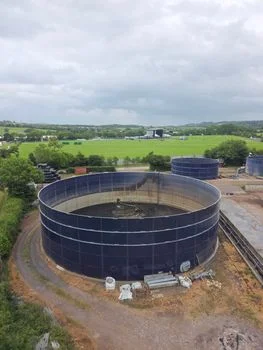
Selecting a sewage treatment equipment supplier in the Dominican Republic requires verifying local viability. A zero-risk procurement strategy focuses on the supplier's ability to support the equipment throughout its 20-year lifecycle in a tropical, high-salinity environment.
- Dominican Republic-Specific Engineering: Does the supplier offer MBR systems pre-configured for 30°C+ operation? Is the DAF system built with 316L stainless steel for coastal installations? Standard specs are a red flag; localized specs are a prerequisite.
- Local After-Sales Support: Verify if the supplier has a local partner or office capable of providing INDOCAL-certified spare parts within 48 hours. Downtime in a hotel or factory can cost thousands per hour; waiting for a part to clear customs from China or Europe is not an option.
- Compliance Documentation: The supplier must