Why Madurai Hospitals Need Specialized Wastewater Treatment
Hospitals in Madurai must treat wastewater to meet TNPCB’s 2026 discharge standards (COD ≤ 250 mg/L, BOD ≤ 30 mg/L, fecal coliform ≤ 100 MPN/100mL). According to the TNPCB General Standards for Discharge of Environmental Pollutants (2023), facilities failing to meet these benchmarks face penalties of ₹10,000–50,000 per day under the Water (Prevention & Control of Pollution) Act, 1974. For repeat violations, the board holds the authority to issue closure notices, a risk that Madurai’s growing healthcare sector cannot afford.
The urgency for specialized treatment stems from the unique composition of hospital effluent. Research conducted on Madurai’s hospital ETPs reveals high concentrations of antibiotics such as ciprofloxacin (0.1–10 µg/L), disinfectants like chlorhexidine (0.5–5 mg/L), and heavy metals including mercury (0.01–0.1 mg/L). Unlike municipal sewage, medical wastewater is a reservoir for multi-drug-resistant bacteria, including E. coli and Klebsiella pneumoniae. Traditional biological systems often fail to neutralize these pathogens, leading to the spread of antibiotic-resistant genes in Madurai’s local water bodies.
Operational data from a 200-bed hospital in Madurai (50 KLD capacity) highlights the financial benefit of compliance. By upgrading to an MBBR-based system with ClO₂ disinfection, the facility reduced its influent COD from 800 mg/L to 120 mg/L. This upgrade not only ensured legal compliance but also allowed the hospital to avoid approximately ₹2.4L in annual environmental compensation fines while enabling water reuse for landscaping and cooling towers.
Hospital Wastewater Characteristics: What Madurai’s ETPs Must Remove
Influent quality in Madurai hospitals varies significantly based on facility size and the presence of specialized departments like oncology or surgery. Typical raw effluent from 50–500 bed facilities in the region shows COD levels between 500–1200 mg/L and BOD levels ranging from 200–600 mg/L. High ammonia concentrations (30–100 mg/L) are also common, which can inhibit biological activity if the system is not designed for nitrification.
A critical study titled 'Load of Infectious Microorganisms in Hospital Effluent Treatment Plant in Madurai' identified alarming levels of antibiotic residues and pathogens. Ciprofloxacin (0.5–8 µg/L) and metronidazole (1–15 µg/L) were consistently detected in influent samples. 80% of samples contained antibiotic-resistant genes such as blaCTX-M and blaTEM. These biological markers require advanced oxidation or high-dosage disinfection to prevent environmental contamination.
Seasonal variations in Madurai also impact ETP performance. During the monsoon, stormwater infiltration often increases Total Suspended Solids (TSS) by up to 40% while diluting the BOD/COD ratio by 15%. This shift can lead to biomass washout in poorly managed systems. Consequently, technology selection must account for these fluctuations; for instance, high ammonia loads typically favor the Moving Bed Biofilm Reactor (MBBR) due to its resilient biofilm and high surface area for nitrifying bacteria.
| Parameter | Typical Influent (Madurai) | TNPCB 2026 Standards | Removal Requirement |
|---|---|---|---|
| COD (mg/L) | 500 – 1,200 | ≤ 250 | > 75% |
| BOD (mg/L) | 200 – 600 | ≤ 30 | > 90% |
| TSS (mg/L) | 300 – 800 | ≤ 100 | > 85% |
| Ammonia (mg/L) | 30 – 100 | ≤ 50 | > 50% |
| Fecal Coliform (MPN/100mL) | 10⁶ – 10⁸ | ≤ 100 | 99.99% |
Treatment Technologies Compared: MBBR vs SBR vs MBR for Madurai Hospitals
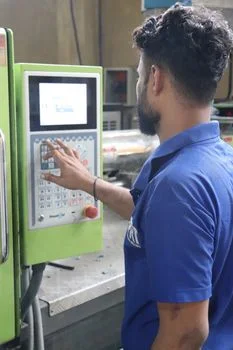
Selecting the right biological treatment process is the most critical decision for a hospital facility manager. MBBR (Moving Bed Biofilm Reactor) is the current standard for 10–100 KLD plants in Madurai due to its modularity and low sludge production (0.2–0.3 kg TSS/kg COD removed). It utilizes plastic media to support biofilm growth, offering high COD removal (90–95%) within a 6–8 hour hydraulic retention time (HRT). However, it requires precise fine screening (1–2 mm) to prevent media loss or clogging.
For larger facilities (50–500 KLD), the Sequencing Batch Reactor (SBR) is often preferred for its lower CAPEX, typically 20% cheaper than MBBR. SBR operates in cycles (fill, react, settle, decant), making it highly effective at handling variable hydraulic loads. The trade-off is a larger footprint (1.2–1.5 m²/KLD) and higher sludge production (0.4–0.6 kg TSS/kg COD). For hospitals with severe space constraints, a compact MBR system for hospital wastewater is the superior choice, requiring 40% less area than SBR and producing near-reuse quality effluent with TSS < 5 mg/L.
Disinfection is the final barrier against antibiotic-resistant bacteria. While chlorine is traditional, Chlorine Dioxide (ClO₂) and Ozone are increasingly used in Madurai for their superior pathogen kill rates. ClO₂ at a 5–10 mg/L dose provides a 99.9% kill rate with a residual effect that prevents regrowth in piping. Ozone, while more expensive, achieves 99.99% kill rates and is excellent for removing color and odor. To manage the resulting biological waste, sludge dewatering presses for hospital ETPs are essential, as they reduce sludge volume by 70%, significantly lowering disposal costs.
| Feature | MBBR | SBR | MBR |
|---|---|---|---|
| COD Removal | 90 – 95% | 85 – 92% | 95 – 98% |
| HRT (Hours) | 6 – 8 | 12 – 24 | 4 – 6 |
| Footprint (m²/KLD) | 0.5 – 1.0 | 1.2 – 1.5 | 0.8 – 1.0 |
| Sludge Yield | Low | Medium | Very Low |
| Effluent Quality | Secondary | Secondary | Tertiary/Reuse |
For hospitals requiring rapid deployment, a plug-and-play hospital ETP with ozone disinfection can bypass lengthy civil construction timelines, ensuring compliance with TNPCB deadlines within weeks rather than months.
Engineering Specs for Madurai Hospital ETPs: From 10 KLD to 1000 KLD
Engineering specifications must be tailored to the specific flow rate and influent strength to ensure long-term operational stability. A 10 KLD MBBR system typically requires a 1.5 m³ reactor volume with media providing a surface area of at least 200 m²/m³. This setup, paired with a 1.2 kW blower, ensures sufficient oxygen transfer for BOD reduction. At the 100 KLD scale, an MBR system requires a 20 m³ bioreactor and approximately 80 m² of PVDF membrane area to maintain a sustainable flux, supported by a 5 kW permeate pump.
Automation is no longer optional for modern hospital ETPs. SBR and MBBR systems should utilize PLC-based controls to manage aeration cycles and chemical dosing, while MBR systems require SCADA integration for remote monitoring of membrane transmembrane pressure (TMP). This prevents membrane fouling and ensures the system operates 24/7 without constant manual intervention. Proper sludge management is also vital; a plate-frame filter press with a 0.5 m² to 2 m² area (depending on KLD) is necessary to achieve the dry cake consistency required for landfill disposal.
| Component | 10 KLD (MBBR) | 50 KLD (SBR) | 100 KLD (MBR) |
|---|---|---|---|
| Equalization Tank | 4 m³ | 12 m³ | 25 m³ |
| Reactor Volume | 1.5 m³ | 30 m³ | 20 m³ |
| Blower/Aerator | 1.2 kW | 3.0 kW | 5.0 kW |
| Filtration/Membrane | Sand/Carbon | Sand/Carbon | 80 m² PVDF |
| Automation | Basic PLC | Full PLC | SCADA/Remote |
Precise chemical management is achieved through an automatic chemical dosing system, which regulates coagulants and disinfectants based on real-time flow data, preventing chemical waste and ensuring consistent effluent quality.
Cost Breakdown: CAPEX and OPEX for Hospital ETPs in Madurai
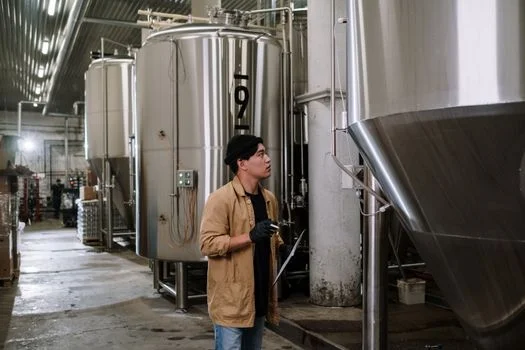
Understanding the total cost of ownership is essential for procurement officers. A 10 KLD MBBR system in Madurai generally carries a CAPEX of ₹3.5–5L. This includes civil works (₹80K), mechanical equipment (₹1.5L), and electrical/automation components (₹90K). In contrast, a 100 KLD MBR system ranges from ₹25–35L, with membranes accounting for nearly 20% of the initial investment. While MBR has a higher upfront cost, its compact nature and superior water quality often justify the expense in urban Madurai where land prices are high.
Operational expenditure (OPEX) is primarily driven by electricity (40%) and chemicals (25%). For a 50 KLD system, OPEX typically ranges between ₹1.5–2/KL. Sludge disposal is an often-overlooked cost; Madurai Municipal Corporation 2024 rates for landfill disposal range from ₹1,500–3,000 per ton. By utilizing high-efficiency dewatering, hospitals can reduce their sludge volume, potentially saving over ₹50,000 annually in disposal fees.
| Cost Category | 10 KLD (MBBR) | 50 KLD (SBR) | 100 KLD (MBR) |
|---|---|---|---|
| Estimated CAPEX | ₹3.5 – 5.0L | ₹12 – 18L | ₹25 – 35L |
| OPEX (per KL) | ₹0.8 – 1.2 | ₹1.5 – 2.0 | ₹2.0 – 2.5 |
| Annual Maintenance | ₹25K – 40K | ₹80K – 1.2L | ₹1.5L – 2.5L |
| Sludge Disposal | ₹10K – 15K | ₹30K – 50K | ₹40K – 70K |
Return on investment (ROI) can be realized through water reuse. A 50 KLD system that recycles water for cooling towers or landscaping can save approximately ₹80,000 per year in freshwater procurement costs, in addition to avoiding non-compliance fines.
TNPCB Compliance Checklist for Madurai Hospitals
To ensure a "zero-risk" operation, Madurai hospitals must follow a structured compliance pathway. The process begins with obtaining the Consent to Establish (CTE) before construction and the Consent to Operate (CTO) before commissioning. TNPCB requires all hospitals to implement a multi-stage treatment process to guarantee safety.
- Pre-treatment: Installation of a rotary mechanical bar screen with 1–2 mm spacing is mandatory to remove solids that could damage downstream pumps.
- Primary Treatment: A sedimentation tank with a 2–3 hour retention time must be used to remove at least 50% of TSS.
- Secondary Treatment: A validated biological process (MBBR, SBR, or MBR) must be employed to meet the COD/BOD limits.
- Tertiary Treatment: Disinfection is non-negotiable. Using an on-site ClO₂ generator for hospital effluent disinfection ensures that fecal coliform levels remain below 100 MPN/100mL.
- Monitoring: For plants exceeding 50 KLD, TNPCB mandates online continuous emission monitoring systems (OCEMS) for COD, BOD, and TSS.
- Documentation: Maintain a daily log of flow meter readings, energy consumption, and chemical usage for annual compliance audits.
Hospitals should also consider UV disinfection as an alternative to ClO₂/ozone if they wish to avoid chemical handling, though UV requires very low turbidity (TSS < 10 mg/L) to be effective.
How to Select a Hospital ETP Supplier in Madurai: Zero-Risk Framework
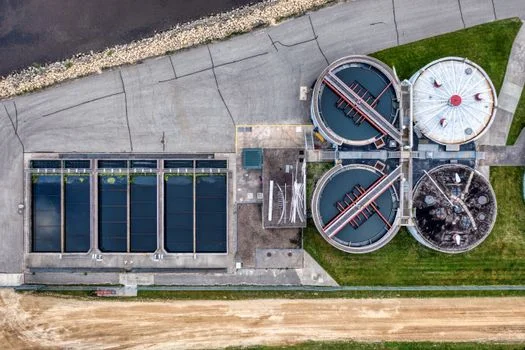
Evaluating an ETP supplier requires looking beyond the lowest quote. A reliable partner must demonstrate a deep understanding of Tamil Nadu’s specific regulatory environment and the technical challenges of medical effluent. Follow this six-step framework to mitigate risk:
- Verify TNPCB Track Record: Ask the supplier for copies of CTO certificates from their recent hospital installations in Tamil Nadu. Cross-reference these with the TNPCB's public portal if possible.
- Technical Benchmarking: Compare the proposed engineering specs against the data in this guide. If a supplier suggests a 100 KLD SBR with a footprint of only 50 m², they are likely under-sizing the system.
- Assess Automation Depth: Ensure the proposal includes PLC/SCADA controls. Manual systems in hospitals often fail due to operator error, leading to compliance breaches.
- Transparent OPEX Modeling: Demand a detailed breakdown of electricity, chemical, and sludge disposal costs. A low CAPEX often masks a prohibitively high OPEX.
- Local Service Presence: Ensure the supplier has a dedicated service team in Madurai or nearby Trichy/Coimbatore. For a hospital, 24-hour downtime can lead to an environmental emergency.
- Reference Site Visits: Visit at least two operational sites. Speak directly with the facility managers about the system's actual performance during peak loads and the supplier's responsiveness to service calls.
Red flags include vague performance guarantees (e.g., "high efficiency" without numbers), lack of local references, or the absence of a dedicated sludge management plan. For insights on how other regions manage similar standards, you can review how Chhattisgarh hospitals meet CPCB standards, which share many similarities with TNPCB's rigorous requirements.
Frequently Asked Questions
What is the most cost-effective ETP technology for a 20-bed hospital in Madurai?
For small facilities (5–15 KLD), a modular MBBR system is typically the most cost-effective. It offers a balance of low CAPEX (₹3–4L) and simple operation. MBBR systems achieve 90–95% COD removal, which comfortably meets TNPCB standards without the complexity of MBR or the footprint of SBR.
Does TNPCB require online monitoring for all hospital ETPs?
No, online monitoring (OCEMS) is generally mandatory for hospitals with a discharge capacity exceeding 50 KLD. However, all hospitals, regardless of size, must conduct monthly lab testing of treated effluent through TNPCB-approved laboratories to ensure compliance with the 2026 standards.
How can we remove antibiotic-resistant bacteria from our wastewater?
Standard biological treatment is insufficient for total pathogen removal. You must implement tertiary disinfection using Chlorine Dioxide (ClO₂) or Ozone. These oxidants penetrate the cell walls of multi-drug-resistant organisms more effectively than standard chlorine, achieving the required fecal coliform limit of ≤ 100 MPN/100mL.
What should we do with the sludge generated by the ETP?
Hospital ETP sludge is often classified as hazardous waste due to its pathogen and chemical content. It must be dewatered using a filter press to reduce volume and then disposed of through TNPCB-authorized hazardous waste management facilities or secured landfills, in accordance with the Hazardous Waste Rules, 2016.
Can treated hospital wastewater be used for gardening?
Yes, provided it meets the tertiary treatment standards (BOD < 10 mg/L, TSS < 10 mg/L, and Fecal Coliform < 100 MPN/100mL). Using an MBR system is the most reliable way to achieve this quality consistently, allowing the hospital to reduce its freshwater footprint significantly.