Hospital Wastewater Treatment in Chhattisgarh India: 2026 Engineering Specs, Costs & Zero-Risk Compliance Guide
Hospitals in Chhattisgarh generate 200–400 liters of wastewater per bed daily, containing 3–5× higher COD (500–1200 mg/L) and BOD (200–600 mg/L) than domestic sewage, along with antibiotic residues, pathogens, and pharmaceutically active compounds (PhACs). The Central Pollution Control Board (CPCB) mandates tertiary treatment with <10 mg/L BOD, <50 mg/L COD, and <100 MPN/100mL fecal coliform for hospital effluent. In Raipur, MBR systems achieve 99% pathogen removal and 95% COD reduction, meeting norms at ₹25–40L CAPEX for a 100-bed facility.Why Chhattisgarh Hospitals Need Specialized Wastewater Treatment
Hospital wastewater (HWW) in Chhattisgarh contains 3–5× higher COD (500–1200 mg/L) and BOD (200–600 mg/L) than typical domestic sewage, per CPCB 2023 data. This elevated organic load, coupled with a complex cocktail of hazardous substances, necessitates treatment beyond standard municipal sewage practices. A 2024 study of Raipur hospital samples detected antibiotic residues (e.g., ciprofloxacin, metronidazole) and antibiotic-resistant genes (ARGs) in 78% of the effluent, posing significant public health and environmental risks if discharged untreated. The CPCB’s 2022 norms for hospital effluent are stringent, requiring tertiary treatment to achieve discharge limits of <10 mg/L BOD, <50 mg/L COD, and <100 MPN/100mL fecal coliform, which are approximately 30% stricter than municipal STP standards. Non-compliance with these regulations carries severe penalties under the Water (Prevention & Control of Pollution) Act 1974, ranging from ₹5L to ₹50L, alongside potential facility closure. The Raipur Municipal Corporation (RMC) issued 12 such notices in 2023, according to its annual report, highlighting the active enforcement landscape. Different hospital departments contribute distinct contaminant profiles: ICUs and operation theatres generate high pathogen loads and drug residues, laboratories contribute heavy metals and chemical reagents, while laundries and kitchens add significant suspended solids, oils, greases, and detergents. For instance, a 200-bed Raipur hospital's ICU effluent consistently shows higher concentrations of specific antibiotics like meropenem (up to 70 μg/L) compared to general ward discharge, demanding a robust and adaptable treatment solution.| Parameter | Typical HWW Concentration (Chhattisgarh) | CPCB Discharge Limit (2022) |
|---|---|---|
| BOD (mg/L) | 200–600 | <10 |
| COD (mg/L) | 500–1200 | <50 |
| TSS (mg/L) | 150–400 | <20 |
| Fecal Coliform (MPN/100mL) | 105–107 | <100 |
| Total Nitrogen (mg/L) | 40–80 | <10 |
| Antibiotics (e.g., Ciprofloxacin) | 10–50 μg/L | Not explicitly defined (requires advanced removal) |
Contaminant Profile of Hospital Wastewater in Chhattisgarh: What Your Treatment System Must Remove
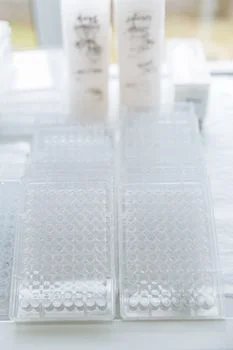
| Contaminant | Typical Concentration in Chhattisgarh HWW | CPCB Discharge Limit (2022) | Treatment Requirement |
|---|---|---|---|
| COD | 500–1200 mg/L | <50 mg/L | Biological treatment, advanced oxidation |
| BOD | 200–600 mg/L | <10 mg/L | Biological treatment |
| TSS | 150–400 mg/L | <20 mg/L | Primary sedimentation, filtration, DAF |
| Ammonia (as N) | 30–80 mg/L | <10 mg/L | Nitrification/Denitrification |
| Fecal Coliform | 105–107 MPN/100mL | <100 MPN/100mL | Disinfection (UV, Chlorine Dioxide) |
| Antibiotics (e.g., Ciprofloxacin) | 10–50 μg/L | Not specified (requires removal) | Membrane filtration, advanced oxidation |
| PhACs (e.g., Diclofenac) | 5–20 μg/L | Not specified (requires removal) | Membrane filtration, advanced oxidation |
| Viruses (e.g., SARS-CoV-2) | Present | 99.9% inactivation | Disinfection (Chlorine Dioxide, Ozone) |
Treatment Technologies Compared: MBR vs DAF vs Chemical Dosing for Chhattisgarh Hospitals
Selecting the optimal wastewater treatment technology for hospitals in Chhattisgarh requires a comprehensive evaluation of efficacy, footprint, operational costs, and compliance with CPCB norms. Membrane Bioreactor (MBR) systems, Dissolved Air Flotation (DAF) systems, and advanced chemical dosing are primary options, each suited for different applications. MBR systems for hospital wastewater treatment, such as HydropureWater DF Series, are highly effective, achieving 95% COD removal and <1 μm filtration, making them ideal for urban hospitals with severe space constraints, offering up to a 60% smaller footprint compared to conventional STPs. Their ability to produce high-quality effluent consistently meets stringent CPCB tertiary treatment norms for BOD, COD, and TSS. DAF systems for TSS and FOG removal, like HydropureWater’s, excel at removing 90% of TSS and 70% of Fats, Oils, and Greases (FOG), which is particularly critical for hospitals with high volumes of laundry or kitchen effluent. While DAF is an excellent primary or secondary treatment stage, it typically requires subsequent biological or advanced treatment to meet the CPCB's strict COD/BOD discharge limits. Chemical dosing, often using chlorine dioxide generators for hospital effluent disinfection or ozone, represents an additional but crucial step. Adding ₹2–5L/year to OPEX, these systems achieve 99.9% virus inactivation, which is mandatory for COVID and post-pandemic preparedness, as per CPCB's 2023 circular on infectious waste management. For example, a 150-bed Raipur hospital successfully reduced COD from 850 mg/L to 45 mg/L by implementing a hybrid MBR + chemical dosing system, achieving full CPCB compliance with approximately 30% lower CAPEX than a traditional activated sludge plant with tertiary filters.| Parameter | MBR System | DAF System (Pre-treatment) | Chemical Dosing (Disinfection/Advanced) |
|---|---|---|---|
| CAPEX (Indicative) | High (₹25–40L for 100-bed) | Medium (₹8–20L for 100-bed) | Low (₹2–5L for 100-bed) |
| OPEX (Indicative) | Medium-High (₹3–6L/year) | Medium (₹2–4L/year) | Medium (₹1–3L/year for chemicals) |
| Footprint | Very Small (60% less than conventional) | Medium | Very Small |
| COD Removal Efficacy | 90–95% | 30–50% (primary only) | 10–20% (for specific contaminants) |
| Pathogen Removal | >99.9% (physical barrier) | Minimal | >99.9% (inactivation) |
| Sludge Generation | Moderate (denser, less volume) | High (high solids content) | Low (chemical precipitates) |
| Operator Skill | Medium-High | Low-Medium | Low-Medium |
| CPCB Norms Compliance | Excellent (meets tertiary norms) | Requires secondary/tertiary for full compliance | Essential for disinfection, often tertiary step |
Cost Benchmarks for Hospital Wastewater Treatment in Chhattisgarh: CAPEX, OPEX & ROI
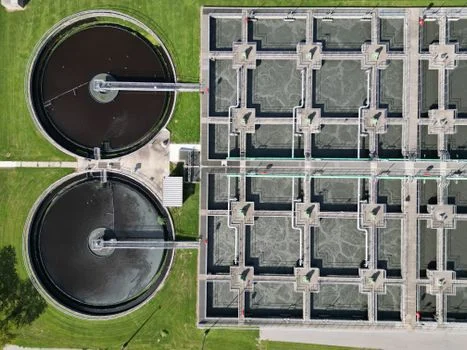
| Hospital Size (Beds) | Technology Type | Indicative CAPEX (₹ Lakhs) | Indicative OPEX (₹ Lakhs/year) | Typical ROI (Years) |
|---|---|---|---|---|
| 50 | MBR System | 15–20 | 3–4 | 2–3 |
| 50 | DAF System (Pre-treatment) | 8–12 | 2–3 | N/A (partial treatment) |
| 50 | Chemical Dosing (Disinfection) | 2–3 | 1–2 | 1–2 (avoided fines) |
| 100 | MBR System | 25–40 | 4–6 | 3–4 |
| 100 | DAF System (Pre-treatment) | 15–20 | 3–4 | N/A (partial treatment) |
| 100 | Chemical Dosing (Disinfection) | 3–5 | 2–3 | 1–2 (avoided fines) |
| 200 | MBR System | 40–60 | 6–8 | 3–5 |
Step-by-Step Compliance Checklist for Chhattisgarh Hospitals
Achieving and maintaining CPCB compliance for hospital wastewater treatment in Chhattisgarh requires a structured, step-by-step approach for facility managers. Following this checklist minimizes risks and ensures operational continuity.- Step 1: Conduct a Comprehensive Wastewater Audit. Begin by sampling influent wastewater for key parameters like COD, BOD, TSS, ammonia, and pathogens using NABL-accredited laboratories. This audit, typically costing ₹20,000–₹50,000, establishes baseline data. For instance, a recent audit at a Raipur hospital revealed 20% higher COD than initial estimates, necessitating adjustments to their planned pre-treatment stages.
- Step 2: Select Appropriate Treatment Technology. Based on the audit results, available space, and budget, choose a treatment technology. Utilize the decision framework from the previous section, weighing options like MBR, DAF, and advanced disinfection. Factors such as a high pathogen load might prioritize an MBR system, while significant FOG may require DAF pre-treatment.
- Step 3: Obtain CPCB Consent to Establish (CTE) and Consent to Operate (CTO). Before construction, secure CTE from the Chhattisgarh Environment Conservation Board (CECB). Once installed and commissioned, apply for CTO. This process typically takes 60–90 days, with fees ranging from ₹10,000–₹50,000 depending on the hospital's bed capacity.
- Step 4: Install Real-time Monitoring Systems. As per CPCB’s 2023 guidelines, integrate Online Continuous Emission Monitoring Systems (OCEMS) for parameters like pH, COD, and flow rate at the effluent discharge point. A Bilaspur hospital reported a 70% reduction in non-compliance fines after installing IoT-based monitoring, enabling proactive adjustments.
- Step 5: Implement Robust Sludge Handling and Chemical Safety Protocols. Train staff on the proper handling and disposal of hazardous sludge as per the Hazardous and Other Wastes (Management & Transboundary Movement) Rules 2016. Additionally, establish strict safety protocols for chemical dosing systems, such as those used with chlorine dioxide generators, to prevent accidental exposure.
- Step 6: Submit Quarterly Compliance Reports. Regularly submit discharge monitoring reports to the CPCB via the OCEMS portal. Non-submission of these mandatory reports can incur penalties of up to ₹1L per month, emphasizing the importance of consistent data reporting.
Frequently Asked Questions
What are the CPCB norms for hospital wastewater in Chhattisgarh?
The Central Pollution Control Board (CPCB) mandates strict tertiary treatment for hospital wastewater in Chhattisgarh. Key discharge limits include:
- BOD: <10 mg/L
- COD: <50 mg/L
- TSS: <20 mg/L
- Fecal Coliform: <100 MPN/100mL
- No visible color
How much does a hospital wastewater treatment plant cost in Raipur?
The cost of a hospital wastewater treatment plant in Raipur varies based on hospital size and technology:
- 50-bed hospital: CAPEX ranges from ₹15–20L for an MBR system, with an annual OPEX of ₹3–4L.
- 100-bed hospital: CAPEX typically falls between ₹25–40L for an MBR system, with an annual OPEX of ₹4–6L.
- 200-bed hospital: CAPEX can range from ₹40–60L for an MBR system, with an annual OPEX of ₹6–8L.
Can hospital wastewater be reused in Chhattisgarh?
Yes, treated hospital wastewater can be reused in Chhattisgarh, provided it meets specific CPCB 2023 reuse guidelines. After tertiary treatment and disinfection (e.g., with chlorine dioxide), the effluent can be safely used for non-potable purposes such as:
- Toilet flushing
- Cooling tower make-up water
- Horticulture and gardening
- Vehicle washing
What are the penalties for non-compliance?
Non-compliance with CPCB hospital wastewater norms in Chhattisgarh can result in substantial penalties under the Water (Prevention & Control of Pollution) Act 1974. Fines typically range from ₹5L to ₹50L, depending on the severity and duration of the violation. Repeat offenses can lead to increased penalties, legal action, and potential closure orders issued by the Chhattisgarh Environment Conservation Board (CECB). In 2023, the Raipur Municipal Corporation issued 12 notices for non-compliance, underscoring active enforcement.
Which treatment technology is best for small clinics in Chhattisgarh?
For small clinics or healthcare facilities in Chhattisgarh with limited space and lower wastewater volumes (e.g., <20 KLD), compact MBR systems (such as HydropureWater’s compact treatment system for medical wastewater treatment) or dedicated chemical dosing and disinfection units are often the most practical solutions. Compact MBRs offer a small footprint and high effluent quality, while chemical dosing provides effective pathogen inactivation. Costs for these smaller systems can start from ₹8–15L CAPEX, depending on the specific flow rate and required treatment level.
Related Equipment
- MBR systems for hospital wastewater treatment — view specifications, capacity range, and technical data
- DAF systems for TSS and FOG removal — view specifications, capacity range, and technical data
- chlorine dioxide generators for hospital effluent disinfection — view specifications, capacity range, and technical data
- compact medical wastewater treatment systems — view specifications, capacity range, and technical data
Need a customized solution? Request a free quote with your specific flow rate and pollutant parameters.