Why Kerala Hospitals Fail Wastewater Compliance (And How to Fix It)
Hospitals in Kerala must treat wastewater to KSPCB discharge standards (BOD ≤30 mg/L, COD ≤250 mg/L, TSS ≤100 mg/L) while addressing SARS-CoV-2 and antibiotic-resistant bacteria (ARB). MBBR systems dominate local projects (e.g., 3000 m³/day at Amrita Institute), achieving 92–97% COD removal with hydraulic retention times of 6–8 hours. For recycling, UF/RO systems (e.g., 160 KLD at Lulu Mall) reduce effluent to <10 mg/L TDS, but CAPEX ranges from ₹1.2–₹15 Cr for 100–3000 m³/day plants. Chlorine dioxide (ClO₂) disinfection is critical for ARB/SARS-CoV-2 inactivation, requiring 5–10 mg/L dosage for 30-minute contact time.
Compliance failure in Kerala’s healthcare sector often stems from a gap between conventional STP design and the specific biological load of hospital effluent. According to Kerala Water Authority 2023 data, KSPCB fines for non-compliance range from ₹1–₹5 Lakh per month, yet many facilities continue to struggle with fluctuating influent parameters. A 2024 study cited in the National Center for Biotechnology Information (NCBI) revealed that SARS-CoV-2 RNA was detected in 87% of Kerala hospital effluent samples, even after secondary treatment. Conventional activated sludge processes are frequently unable to neutralize antibiotic-resistant bacteria (ARB) or pharmaceutical residues, which persist in the environment and trigger regulatory penalties.
Fixing these failures requires a shift from "sewage treatment" to "specialized effluent management." For instance, the Malankara Orthodox Syrian Church Medical College implemented a 1400 m³/day MBBR-based STP that successfully reduced BOD from an influent average of 350 mg/L to a consistent 28 mg/L. By integrating advanced tertiary disinfection and moving away from antiquated septic tank models, hospitals can mitigate legal risks. Addressing hospital wastewater treatment in South Asia requires understanding that hospital waste contains high concentrations of disinfectants, detergents, and pathogens that inhibit standard biological processes if not properly balanced.
Kerala Hospital Wastewater: Influent Characteristics and Discharge Standards
Hospital wastewater in Kerala has a higher organic load and chemical complexity compared to municipal sewage, with typical influent parameters including COD levels of 500–1200 mg/L and BOD levels of 200–600 mg/L. These concentrations fluctuate significantly based on hospital occupancy, laundry operations, and laboratory discharge schedules.
The Kerala State Pollution Control Board (KSPCB) 2024 guidelines mandate strict adherence to discharge limits for any facility releasing water into public drains or water bodies. Beyond standard BOD and COD, hospitals are increasingly scrutinized for fecal coliform and emerging pathogens. For facilities targeting zero-liquid discharge (ZLD) or internal reuse, the standards become even more stringent, requiring advanced filtration to remove total dissolved solids (TDS).
| Parameter | Typical Influent (Kerala) | KSPCB Discharge Limit (2024) | Reuse Standard (Cooling/Irrigation) |
|---|---|---|---|
| BOD (mg/L) | 200 – 600 | ≤ 30 | < 5 |
| COD (mg/L) | 500 – 1200 | ≤ 250 | < 30 |
| TSS (mg/L) | 300 – 800 | ≤ 100 | < 5 |
| Fecal Coliform (MPN/100mL) | 10^5 – 10^7 | ≤ 1000 | Nil |
| SARS-CoV-2 / ARB | Present | Inactivation Required | 99.9% Removal |
| Oil & Grease (mg/L) | 20 – 50 | ≤ 10 | < 1 |
To meet these goals, the EPA 2023 guidelines suggest that tertiary disinfection systems must be sized for a UV dose of 40 mJ/cm² or a ClO₂ residual of 0.5 mg/L after a 30-minute contact period. Failure to account for these specific disinfection specs often leads to the persistence of pathogens even when BOD/COD targets are met.
MBBR vs. MBR vs. Conventional STP: Which Technology Fits Kerala Hospitals?
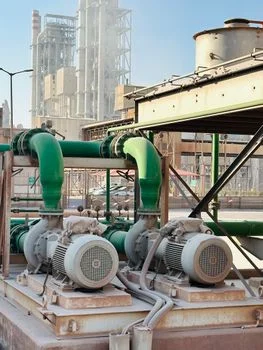
When selecting the core biological treatment technology, hospital facility managers must consider the constraints of their specific situation. In Kerala, where land prices are high and space is often limited, the footprint of the STP is a major constraint. Moving Bed Biofilm Reactor (MBBR) technology has become the regional favorite due to its scalability and ease of maintenance. For example, Amrita Institute’s MBBR system has achieved significant reductions in pollutant levels.
Related Equipment
- MBR systems for hospital wastewater treatment — view specifications, capacity range, and technical data
- chlorine dioxide generators for hospital effluent disinfection — view specifications, capacity range, and technical data
- RO systems for hospital wastewater recycling — view specifications, capacity range, and technical data
Need a customized solution? Request a free quote with your specific flow rate and pollutant parameters.
Further Reading
Explore these in-depth articles on related wastewater treatment topics: