Why Hospital Wastewater in Antalya Requires Specialized Treatment
Hospital wastewater in Antalya presents a complex and hazardous profile far exceeding that of typical municipal sewage. This effluent carries a significantly higher burden of pathogens, including antibiotic-resistant bacteria, with WHO 2023 data indicating loads up to 100 times greater than domestic wastewater, and *E. coli* counts potentially reaching 106 CFU/mL in raw discharge. the presence of pharmaceutical residues, such as diclofenac and carbamazepine at concentrations ranging from 1 to 500 µg/L, alongside heavy metals like mercury and cadmium, necessitates advanced treatment methods like advanced oxidation or specialized membrane filtration, as highlighted by EU JRC 2024 reports. Antalya's existing municipal treatment plants, Hurma and Lara, are engineered for domestic sewage and are not equipped to handle the unique contaminants found in medical effluent. Discharging untreated or inadequately treated hospital wastewater risks severe non-compliance with ASAT's stringent discharge limits, which are aligned with EU Directive 91/271/EEC. Turkish environmental law, particularly Law No. 2872, adheres to the 'precautionary principle,' meaning proactive measures must be taken to prevent environmental harm, making dedicated treatment systems for hospitals not just advisable, but a legal imperative.
Antalya's Regulatory Landscape for Hospital Wastewater: ASAT, EU Directives, and Local Compliance
Compliance with wastewater discharge regulations in Antalya is governed by the Antalya Water and Wastewater Administration (ASAT), which rigorously enforces standards aligned with the European Union's Urban Waste Water Directive 91/271/EEC. This directive mandates secondary treatment, including biological processes and disinfection, for all discharges exceeding a population equivalent of 2,000. For hospital facilities, ASAT's 2024 guidelines specify even more stringent limits than general municipal standards: Biochemical Oxygen Demand (BOD) must be below 10 mg/L, Chemical Oxygen Demand (COD) below 30 mg/L, Total Suspended Solids (TSS) below 10 mg/L, fecal coliform counts must not exceed 100 CFU/100 mL, and a critical 99.9% reduction is required for pathogens like *Pseudomonas aeruginosa* and enteroviruses. Beyond direct discharge, any hospital wastewater reuse initiatives, such as for irrigation or cooling towers, must also adhere to the EU Drinking Water Directive 98/83/EC, imposing further restrictions, including limits for specific pharmaceuticals like carbamazepine at <0.1 µg/L. The World Bank's 2019 Environmental and Social Management Plan for the Manavgat region also underscores the necessity of pre-treatment for industrial and medical effluents before they enter municipal sewer systems. Non-compliance with these regulations carries substantial penalties under Law No. 2872, with fines potentially reaching ₺500,000 per violation, in addition to possible operational shutdowns, underscoring the critical need for robust and compliant medical effluent treatment systems.
| Parameter | ASAT Hospital Discharge Limit (mg/L or CFU/100mL) | EU Directive 91/271/EEC (Secondary Treatment) | EU Drinking Water Directive 98/83/EC (Reuse) |
|---|---|---|---|
| BOD | <10 | <25 | N/A |
| COD | <30 | <125 | N/A |
| TSS | <10 | <35 | N/A |
| Fecal Coliform | <100 CFU/100mL | N/A (Disinfection implied) | <0 CFU/100mL (for potable) |
| Pathogen Reduction (*P. aeruginosa*, Enteroviruses) | 99.9% | N/A (Disinfection implied) | N/A |
| Carbamazepine | N/A | N/A | <0.1 µg/L |
Engineering Parameters for Hospital Wastewater in Antalya: Influent Quality and Treatment Targets
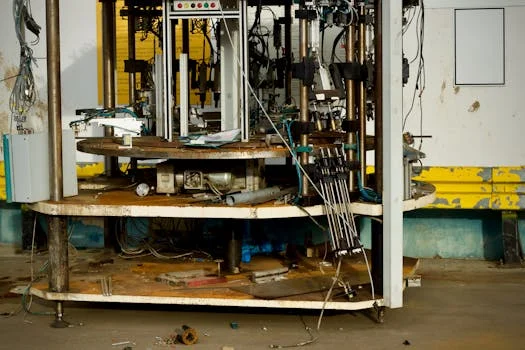
Understanding the precise engineering parameters of hospital wastewater is paramount for designing effective treatment systems in Antalya. Based on ASAT 2024 monitoring data, typical influent characteristics from hospitals can present a significant challenge: BOD levels typically range from 200 to 600 mg/L, COD from 400 to 1,200 mg/L, and TSS from 150 to 400 mg/L. Ammonia concentrations can be substantial, between 30 and 80 mg/L, and fecal coliform counts can soar, from 105 to 107 CFU/100 mL. Pharmaceutical loads are highly variable and department-dependent; for instance, oncology departments may contribute cyclophosphamide at 50–200 µg/L, radiology may produce iodinated contrast agents at 10–50 µg/L, and general wards can have antibiotic residues in the range of 1–10 µg/L. specific waste streams, such as those from dental clinics and laboratories, can introduce heavy metals like mercury and cadmium, requiring dedicated pre-treatment steps like chemical precipitation or ion exchange to meet discharge limits of <0.01 mg/L. Seasonal variations in Antalya, particularly the 30–40% increase in wastewater volume during the summer tourist season, can also strain treatment capacities, necessitating robust and adaptable systems. A standard treatment train for hospital wastewater in Antalya would typically involve screening to remove large solids, followed by an equalization tank to buffer flow and concentration variations. This is then followed by a biological treatment stage, such as a membrane bioreactor (MBR), to reduce organic pollutants and pathogens, a disinfection stage (e.g., ozone or chlorine dioxide) to eliminate remaining microorganisms, and finally, discharge or reuse. Each stage must be carefully engineered to meet the stringent effluent targets stipulated by ASAT and EU directives.
| Parameter | Typical Hospital Wastewater Influent (Antalya, mg/L or CFU/100mL) | Target Effluent Quality (ASAT Limits) |
|---|---|---|
| BOD | 200–600 | <10 |
| COD | 400–1,200 | <30 |
| TSS | 150–400 | <10 |
| Ammonia | 30–80 | N/A (Varies by specific permit) |
| Fecal Coliform | 105–107 CFU/100mL | <100 CFU/100mL |
| Pharmaceuticals (e.g., Cyclophosphamide) | 50–200 µg/L (Oncology) | N/A (Strict limits for reuse) |
| Heavy Metals (e.g., Mercury) | Varies (Dental/Labs) | <0.01 mg/L (Pre-treatment required) |
Treatment Technologies for Hospital Wastewater: MBR, DAF, Ozone, and Chlorine Dioxide Compared
Selecting the appropriate treatment technology for hospital wastewater in Antalya requires a thorough evaluation of efficacy, cost, and compliance suitability. Membrane Bioreactors (MBR) stand out for their ability to achieve exceptionally high effluent quality, typically removing 99% of pathogens and reducing BOD/COD to below 5 mg/L. Their compact footprint makes them ideal for space-constrained hospital sites. However, MBR systems come with a higher capital expenditure (CAPEX) of €120–€200 per cubic meter per day and carry the risk of membrane fouling, necessitating cleaning cycles every 3–6 months. Dissolved Air Flotation (DAF) is effective in removing up to 90% of TSS and fats, oils, and greases (FOG), often serving as a pre-treatment step. DAF systems require chemical dosing, typically using polyaluminum chloride at 50–100 mg/L. Their CAPEX is more moderate, ranging from €50–€100 per m³/day, with operational expenditure (OPEX) between €0.10–€0.25 per m³. Ozone disinfection is a powerful oxidative process capable of achieving 99.99% pathogen kill and degrading 50–70% of pharmaceutical compounds. Its primary drawbacks are high energy consumption (10–15 kWh/kg O₃) and the potential formation of undesirable byproducts like bromate. Ozone systems have a CAPEX of €80–€150 per m³/day. Chlorine Dioxide (ClO₂) is particularly effective against resilient microorganisms like *Legionella* and viruses, achieving a 99.9% kill rate at concentrations of 2–5 mg/L. While it offers a lower CAPEX of €40–€90 per m³ and OPEX of €0.05–€0.15 per m³, concerns regarding residual toxicity in the effluent (maximum allowable is 0.8 mg/L) must be managed. For hospitals with particularly high pharmaceutical loads, such as oncology centers, hybrid systems combining MBR with ozone treatment can offer a comprehensive solution.
| Technology | Typical Efficacy (Pathogen Removal / BOD/COD Reduction) | Key Advantages | Key Disadvantages | Estimated CAPEX (€/m³/day) | Estimated OPEX (€/m³) |
|---|---|---|---|---|---|
| Membrane Bioreactor (MBR) | 99% pathogen removal / <5 mg/L BOD/COD | High effluent quality, compact footprint | High CAPEX, membrane fouling risk | 120–200 | 0.20–0.40 |
| Dissolved Air Flotation (DAF) | 80–90% TSS/FOG removal | Effective for solids and FOG | Requires chemical dosing, less effective for dissolved pollutants | 50–100 | 0.10–0.25 |
| Ozone Disinfection | 99.99% pathogen kill / 50–70% pharmaceutical degradation | Strong disinfection, pharmaceutical breakdown | High energy use, byproduct formation risk | 80–150 | 0.30–0.50 (energy dominant) |
| Chlorine Dioxide (ClO₂) | 99.9% pathogen kill (incl. *Legionella*) | Effective against *Legionella*/viruses, lower CAPEX | Residual toxicity concerns, limited pharmaceutical degradation | 40–90 | 0.05–0.15 |
Cost Breakdown for Hospital Wastewater Treatment in Antalya: CAPEX, OPEX, and ROI Analysis
The financial considerations for hospital wastewater treatment in Antalya span initial capital investment (CAPEX) and ongoing operational expenses (OPEX), with a clear path to return on investment (ROI) through compliance and resource optimization. CAPEX for turnkey solutions can range significantly: smaller clinics (10–20 m³/day) might expect costs between €50,000–€80,000, while larger hospitals (50–100 m³/day) could see investments of €150,000–€250,000, inclusive of civil works and automation. OPEX, calculated per cubic meter of treated water, varies by technology: MBR systems typically fall between €0.20–€0.40, DAF coupled with disinfection systems are in the €0.15–€0.30 range, and ozone-based systems can be higher at €0.30–€0.50, largely driven by energy consumption. The ROI is primarily realized through several key drivers. Firstly, avoided fines for non-compliance, which can range from ₺50,000 to ₺500,000 annually per violation, represent a direct financial saving. Secondly, water reuse for purposes like irrigation or cooling towers can generate savings, with costs for these applications estimated between €0.50–€1.50 per m³. ASAT may offer rebates for compliant systems, potentially covering up to 30% of CAPEX. Financial support is also available through ASAT grants (up to 50% for public hospitals), World Bank loans with favorable interest rates (3–5%), and flexible leasing models for private clinics, making compliant wastewater treatment an increasingly accessible and financially prudent investment.
| Cost Component | Typical Range (Small Clinic, 10-20 m³/day) | Typical Range (Hospital, 50-100 m³/day) | Key Factors Influencing Cost |
|---|---|---|---|
| CAPEX (Turnkey Solution) | €50,000 – €80,000 | €150,000 – €250,000 | System size, technology choice, civil works, automation level |
| OPEX (€/m³) | €0.15 – €0.50 | €0.15 – €0.50 | Energy consumption, chemical dosing, maintenance, labor |
| ROI Drivers | Avoided fines, water reuse savings, ASAT rebates | Avoided fines, water reuse savings, ASAT rebates | Severity of non-compliance, reuse potential, government incentives |
Case Study: Upgrading a 200-Bed Hospital in Muratpaşa to ASAT Standards
A prominent 200-bed hospital located in Antalya's Muratpaşa district was facing significant regulatory pressure due to its wastewater discharge. The facility was releasing approximately 80 m³/day of effluent with consistently high BOD levels of 450 mg/L, COD of 900 mg/L, and fecal coliform counts reaching 106 CFU/100 mL. This performance was in direct violation of ASAT's stringent discharge limits, leading to an annual penalty of approximately ₺300,000. To address this critical issue, the hospital invested in a comprehensive wastewater treatment solution. HydropureWater installed a 100 m³/day MBR system from its WSZ series, complemented by a rotary screen for pre-treatment to handle larger solids and a chlorine dioxide disinfection unit for final pathogen inactivation. The total CAPEX for this integrated system was €180,000, with an OPEX of €0.25 per m³. Following the system's implementation, effluent quality dramatically improved, with BOD consistently below 5 mg/L, COD below 20 mg/L, and fecal coliform counts reduced to below 10 CFU/100 mL, ensuring full compliance with ASAT regulations. The payback period for this investment was calculated at 4.2 years, primarily driven by the elimination of fines and the ability to reuse treated water for landscaping. A key lesson learned during the project was the importance of proactive maintenance; the hospital implemented an automated backwash system controlled by a PLC, which reduced membrane fouling by 40% and significantly extended cleaning intervals. comprehensive staff training on operation and maintenance protocols was identified as critical for sustained compliance and optimal system performance.
Frequently Asked Questions
Q: What are the penalties for non-compliance with ASAT's hospital wastewater standards?
A: Penalties for non-compliance with ASAT's hospital wastewater standards can be severe. Fines range from ₺50,000 to ₺500,000 per violation, with the potential for operational shutdowns for repeat offenses, as stipulated by Law No. 2872. ASAT conducts quarterly audits for hospitals with more than 100 beds to ensure ongoing adherence to these regulations.
Q: Can hospital wastewater be reused in Antalya?
A: Yes, hospital wastewater can be reused in Antalya, but only after undergoing tertiary treatment, which typically includes advanced filtration and disinfection processes. Approval from ASAT is mandatory for any reuse application. Common reuse applications include irrigation for turf and landscaping, and supplying cooling towers. For any form of indirect potable reuse, the stringent limits outlined in EU Directive 98/83/EC must be met.
Q: How often should hospital wastewater treatment systems be serviced?
A: The service frequency for hospital wastewater treatment systems varies by technology. MBR systems generally require membrane cleaning every 3–6 months and daily sludge wasting. DAF systems necessitate monthly calibration of chemical dosing equipment. ASAT mandates annual third-party audits for all treatment systems exceeding a capacity of 20 m³/day to verify operational integrity and compliance.
Q: What is the largest hospital wastewater treatment plant in Antalya?
A: The largest dedicated hospital wastewater treatment facility in Antalya is operated by the Antalya Training and Research Hospital. This facility, serving its 500 beds, has a capacity of 250 m³/day and utilizes an MBR system coupled with UV disinfection. It is designed to meet the stringent discharge requirements of EU Directive 91/271/EEC before releasing treated effluent to the Lara WWTP.
Related Equipment
- compact MBR systems for hospitals in Antalya — view specifications, capacity range, and technical data
- on-site ClO₂ generators for hospital effluent disinfection — view specifications, capacity range, and technical data
- turnkey solutions for clinics and small hospitals — view specifications, capacity range, and technical data
Need a customized solution? Request a free quote with your specific flow rate and pollutant parameters.