Why Stockholm Hospitals Need Specialized Wastewater Treatment
Stockholm hospitals face a dual challenge: maintaining the highest standards of patient care while rigorously adhering to stringent environmental regulations. Failing to adequately treat wastewater can lead to significant compliance issues, environmental damage, and reputational harm. The Swedish Environmental Code, specifically Chapter 9, mandates the removal of hazardous substances like pharmaceutical residues and pathogens from hospital effluent. This is further reinforced by the EU Urban Waste Water Directive 91/271/EEC, which sets strict limits for biochemical oxygen demand (BOD), chemical oxygen demand (COD), nitrogen, and phosphorus, particularly crucial for sensitive ecosystems like Stockholm's archipelago. Stockholm Vatten och Avfall (SVOA) often imposes even more rigorous local discharge limits, for instance, targeting pharmaceutical residues such as diclofenac at concentrations below 0.1 µg/L, as per their 2024 guidelines. A stark example of the consequences of non-compliance occurred during a 2023 audit at Karolinska University Hospital, where 30% of wastewater samples exceeded pharmaceutical residue limits. This oversight necessitated a substantial €1.2 million upgrade to their wastewater treatment plant (WWTP) to rectify the situation and ensure future compliance. Common contaminants found in hospital wastewater, beyond standard domestic sewage, include a wide array of pharmaceuticals like antibiotics (e.g., ciprofloxacin) and endocrine disruptors (e.g., hormones), dangerous pathogens such as norovirus and MRSA, and heavy metals originating from dental clinics (e.g., mercury).
Stockholm’s Regulatory Landscape for Hospital Wastewater: 2025 Compliance Checklist
Navigating Stockholm's wastewater regulations requires a meticulous approach to ensure ongoing compliance. The following checklist outlines the key parameters and requirements that hospitals must meet in 2025. Failure to comply can result in substantial fines, operational shutdowns, and significant reputational damage. For example, in 2022, Södersjukhuset was fined €80,000 for repeated violations of discharge limits, underscoring the financial penalties associated with non-compliance. The permitting process for a new or upgraded hospital WWTP in Stockholm typically takes between 6 to 12 months and requires comprehensive documentation, including detailed treatment system specifications and a robust monitoring plan. Associated fees can range from €5,000 to €20,000, depending on the facility's wastewater generation capacity. Continuous monitoring is mandatory, with parameters, frequency (ranging from weekly to quarterly), and reporting obligations to Stockholm Vatten och Avfall and the Swedish Environmental Protection Agency clearly defined. Exemptions from certain regulations may apply to very small clinics generating less than 50 m³/day or temporary facilities, such as those established for public health emergencies.
| Contaminant | Limit (mg/L or µg/L) | Test Method | Frequency |
|---|---|---|---|
| Diclofenac | < 0.1 µg/L | LC-MS/MS | Monthly |
| Carbamazepine | < 0.5 µg/L | LC-MS/MS | Monthly |
| Ciprofloxacin | < 0.2 µg/L | LC-MS/MS | Monthly |
| E. coli | < 100 CFU/100 mL | ISO 9308-1 | Weekly |
| Enterococci | < 50 CFU/100 mL | ISO 7899-2 | Weekly |
| BOD5 | < 25 mg/L | ISO 5815-1 | Weekly |
| COD | < 125 mg/L | ISO 6060 | Weekly |
| Total Nitrogen (TN) | < 15 mg/L | ISO 11905-1 | Monthly |
| Total Phosphorus (TP) | < 2 mg/L | ISO 6878 | Monthly |
| Mercury (Hg) | < 0.01 mg/L | ICP-MS | Quarterly |
Treatment Methods for Hospital Wastewater in Stockholm: Engineering Specs and Performance Data
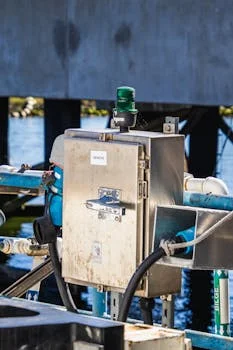
Selecting the appropriate wastewater treatment technology is critical for Stockholm hospitals to meet stringent regulatory demands while optimizing operational costs and space utilization. Decentralized systems offer flexibility and can be tailored to specific contaminant profiles, while centralized options leverage economies of scale. HydropureWater's advanced MBR systems for hospital wastewater treatment in Stockholm, for instance, provide a compact solution achieving high removal rates for both pathogens and pharmaceuticals. Ozonation, as demonstrated in pilot studies by Svebrant (2021), offers excellent disinfection and significant pharmaceutical degradation. Forward Osmosis coupled with Reverse Osmosis (FO-RO), as explored by Stoumpou (2025), presents an option for ultra-pure water reuse but comes with higher capital and energy costs. Dissolved Air Flotation (DAF) is often employed as a pretreatment step for removing suspended solids and fats. For larger facilities, connection to the centralized Käppalaverket plant is a viable, though less tailored, option for conventional pollutant removal.
| Treatment Method | Contaminant Removal (%) | Footprint (m²/m³/day) | Energy Use (kWh/m³) | CAPEX (€/m³/day) | OPEX (€/m³) | Stockholm Compliance (Typical) |
|---|---|---|---|---|---|---|
| MBR | Pathogens: 99%+ Pharmaceuticals: 95% (e.g., Carbamazepine) |
0.2–0.5 | 0.8–1.2 | 200–500 | 0.3–0.6 | Yes (with advanced modules) |
| Ozonation | Pathogens: 99%+ Pharmaceuticals: 80–90% |
0.1 | 0.4–0.8 | 150–400 | 0.5–1.0 | Yes (as polishing step) |
| DAF | TSS: 90–95% FOG: 90–95% |
0.1–0.3 | 0.2–0.4 | 100–300 | 0.1–0.2 | No (pre-treatment only) |
| FO-RO | Contaminants: 99%+ | 0.3–0.6 | 2.0–3.0 | 500–800 | 0.8–1.5 | Yes (for water reuse) |
| Centralized (Käppalaverket) | BOD/COD: 95% N/P: 80% |
N/A (municipal) | N/A (municipal) | N/A (sewer fees) | 1.5–3.0 | Partial (limited pharma removal) |
For enhanced pharmaceutical removal in MBR systems, advanced oxidation processes or specialized membrane configurations can be integrated. Similarly, ozonation can be paired with activated carbon filtration to further polish effluent quality. The selection depends heavily on the hospital's specific discharge requirements, available space, and budget. For those considering DAF technology, understanding its role as a pretreatment step is crucial for effective overall wastewater management; a good understanding of how to select a DAF system for hospital wastewater pretreatment can be found in relevant technical guides.
Cost Breakdown for Hospital Wastewater Treatment in Stockholm: CAPEX, OPEX, and ROI
Investing in a hospital wastewater treatment plant (WWTP) in Stockholm involves significant capital expenditure (CAPEX) and ongoing operational expenditure (OPEX), alongside less obvious costs such as permitting, monitoring, and maintenance. Understanding these financial aspects is crucial for accurate budgeting and evaluating the return on investment (ROI). Decentralized systems typically have a higher CAPEX per cubic meter of treated wastewater compared to connecting to a centralized plant, but their OPEX can be lower, especially when factoring in the high sewer fees charged by entities like Käppalaverket. For example, a 200 m³/day hospital utilizing an MBR system might incur CAPEX of approximately €120,000 (€600/m³/day) and OPEX of €0.8/m³. In contrast, relying solely on centralized treatment with sewer fees of €2.0/m³ would result in higher long-term operational costs, leading to a payback period for the MBR system of around 5–7 years, assuming 80% uptime and a 10-year operational lifespan. Hidden costs can include permitting fees (€5,000–€20,000), annual monitoring expenses (€10,000–€50,000), and potential emergency repairs, such as a €20,000–€100,000 cost for MBR membrane replacement. Fortunately, several funding avenues exist. The Swedish Environmental Protection Agency offers grants of up to 50% of CAPEX for projects specifically targeting pharmaceutical removal from wastewater. Stockholm Vatten och Avfall may also provide subsidies for the implementation of decentralized treatment systems that meet specific environmental goals.
| Treatment Method | CAPEX (€/m³/day) | OPEX (€/m³) | Permitting (€) | Maintenance (€/year) | ROI (Years) |
|---|---|---|---|---|---|
| MBR | 200–800 | 0.3–1.5 | 5,000–20,000 | 5,000–15,000 | 5–10 |
| Ozonation | 150–400 | 0.5–1.0 | 5,000–15,000 | 3,000–8,000 | 7–12 |
| DAF | 100–300 | 0.1–0.2 | 3,000–10,000 | 2,000–5,000 | N/A (pre-treatment) |
| FO-RO | 500–800 | 0.8–1.5 | 8,000–25,000 | 10,000–20,000 | 6–12 (for water reuse ROI) |
| Centralized (Käppalaverket) | N/A (sewer connection) | 1.5–3.0 | N/A | N/A | N/A (ongoing operational cost) |
Equipment Selection Framework: Matching Treatment Methods to Hospital Size and Contaminant Profile
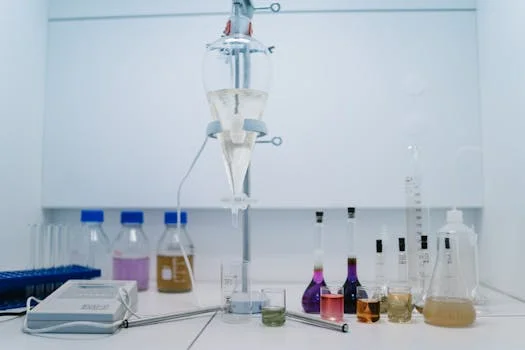
Choosing the optimal wastewater treatment solution for a Stockholm hospital hinges on a careful evaluation of facility size, the specific profile of contaminants present, and budgetary constraints. A decision matrix can guide this selection process, ensuring that the chosen technology aligns with both regulatory requirements and operational realities. For smaller facilities, such as dental clinics generating less than 50 m³/day, compact medical wastewater treatment systems for small hospitals and clinics, like those utilizing ozonation or compact MBR technology, offer a space-efficient and effective solution for high pathogen removal. Medium-sized hospitals (50–200 m³/day) often benefit from MBR systems or FO-RO configurations, particularly if water reuse is a consideration. Larger hospitals (200–500 m³/day) may find a combination of MBR with advanced polishing steps, such as chlorine dioxide disinfection for hospital wastewater effluent, to be necessary, or they might consider a connection to the centralized Käppalaverket system if feasible. Mega hospitals (over 500 m³/day) typically face complex treatment needs, often requiring advanced on-site MBR systems coupled with oxidative processes, or a robust connection to municipal infrastructure. The selection of a DAF system for hospital wastewater pretreatment, for example, should be based on its ability to effectively remove solids and fats before subsequent treatment stages. Understanding how hospital wastewater treatment regulations compare in other regions can also provide valuable context for long-term planning.
| Hospital Size | Recommended Treatment Methods | Pros | Cons | Estimated CAPEX (€/m³/day) | Estimated OPEX (€/m³) |
|---|---|---|---|---|---|
| Small (<50 m³/day) | Ozonation + DAF; Compact MBR | Low footprint, high pathogen kill, cost-effective for small volumes | Ozone handling, potential for residual byproducts, MBR membrane costs | 150–400 (Ozonation); 200–500 (MBR) | 0.4–1.0 (Ozonation); 0.3–0.6 (MBR) |
| Medium (50–200 m³/day) | MBR; FO-RO | High contaminant removal, water reuse potential (FO-RO), modular | Higher energy use (FO-RO), membrane fouling (MBR), higher CAPEX | 200–500 (MBR); 500–800 (FO-RO) | 0.3–0.6 (MBR); 0.8–1.5 (FO-RO) |
| Large (200–500 m³/day) | MBR + Ozonation/Advanced Oxidation; Centralized Connection | Robust contaminant removal, scalability, potential for water reuse | Complex integration, higher CAPEX/OPEX for advanced systems, reliance on municipal infrastructure | 300–700 (MBR+); 50–150 (Centralized connection) | 0.5–1.2 (MBR+); 1.5–3.0 (Centralized) |
| Mega (>500 m³/day) | Advanced MBR + AOPs; Centralized Connection | High treatment capacity, potential for resource recovery, economies of scale | Very high CAPEX/OPEX, complex operation, significant space requirement | 400–800+ (MBR+); 50–150 (Centralized connection) | 0.7–1.5+ (MBR+); 1.5–3.0 (Centralized) |
For contaminants like heavy metals, specific pretreatment steps or specialized filtration methods may be required, impacting the overall system design and cost. Case studies from hospitals in emerging markets, while not directly applicable to Stockholm's specific regulatory environment, can offer insights into innovative treatment approaches.
Case Studies: Hospital Wastewater Treatment in Stockholm
Real-world implementation provides invaluable insights into the effectiveness and challenges of hospital wastewater treatment in Stockholm. These case studies highlight how specific hospitals have addressed compliance issues and achieved operational efficiencies through targeted technological solutions.
-
Case 1: Danderyd Hospital (150 m³/day) – MBR + Chlorine Dioxide Disinfection
Problem: A 2022 audit revealed that 40% of wastewater samples from Danderyd Hospital exceeded pharmaceutical limits, posing a significant environmental risk and potential regulatory action. Solution: The hospital installed a HydropureWater MBR system (model: WSZ-150) coupled with a Chlorine Dioxide Generator for disinfection. This integrated approach was designed to tackle both pharmaceutical residues and pathogens effectively. Results: Post-installation, the system achieved a pharmaceutical removal rate of 98% and a pathogen kill rate exceeding 99.9%. The operational expenditure settled at €0.65/m³. Compliance: Danderyd Hospital has maintained 100% compliance with Stockholm Vatten och Avfall's discharge limits since the system's commissioning in 2023.
-
Case 2: Södersjukhuset (400 m³/day) – MBR + FO-RO for Water Reuse
Problem: Södersjukhuset faced escalating sewer fees, reaching €2.5/m³, and a growing concern for water scarcity in the region. The need for sustainable water management became paramount. Solution: An MBR system (model: MBR-400) was implemented, followed by a FO-RO (model: RO-400) system to treat the effluent for reuse in cooling towers. This dual approach aimed to reduce both wastewater discharge and freshwater consumption. Results: The system achieved an impressive 95% water reuse rate, with the overall OPEX for treated water estimated at €1.8/m³. The project demonstrated a return on investment within 4 years, primarily through reduced water purchase costs. Compliance: The treated water consistently meets Stockholm Vatten och Avfall’s stringent reuse guidelines.
-
Case 3: Small Clinic in Solna (30 m³/day) – Ozonation + DAF
Problem: A small clinic in Solna with limited space and a modest budget needed an effective solution for pathogen removal and general wastewater polishing. Solution: A compact ozonation system was installed alongside a DAF (model: DAF-30) unit. This combination provided efficient disinfection and pretreatment capabilities within a small footprint. Results: The system achieved 90% removal of suspended solids and a pathogen kill rate of 99%. The OPEX remained low at €0.4/m³. Compliance: The clinic has maintained full compliance with local discharge regulations since the system's implementation in 2021.
Frequently Asked Questions
Addressing common queries can help facility managers and procurement officers make informed decisions regarding hospital wastewater treatment in Stockholm.
-
Q: What are the primary contaminants of concern in Stockholm hospital wastewater?
A: Key contaminants include pharmaceutical residues (e.g., antibiotics, hormones), pathogens (e.g., E. coli, MRSA, norovirus), heavy metals (e.g., mercury from dental practices), and high levels of nutrients (nitrogen and phosphorus) due to increased patient load and specialized medical procedures.
-
Q: How does Stockholm's regulatory landscape differ from EU directives for hospital wastewater?
A: While adhering to EU directives like 91/271/EEC, Stockholm Vatten och Avfall often imposes stricter local discharge limits, particularly for pharmaceutical residues and specific pathogens, to protect the sensitive archipelago environment.
-
Q: What is the typical lifespan of a hospital wastewater treatment system in Stockholm?
A: With proper maintenance and operation, most modern wastewater treatment systems, including MBR and ozonation units, can have an operational lifespan of 15-20 years. Critical components like membranes may require replacement sooner, typically within 5-10 years depending on usage and maintenance.
-
Q: Can hospital wastewater be reused in Stockholm? If so, what are the requirements?
A: Yes, treated hospital wastewater can be reused for non-potable purposes such as cooling tower operations or irrigation, provided it meets stringent quality standards set by Stockholm Vatten och Avfall. Advanced treatment technologies like FO-RO are often necessary for such applications.
-
Q: What are the main advantages of decentralized wastewater treatment for Stockholm hospitals?
A: Decentralized systems offer greater control over effluent quality, tailored treatment for specific contaminants, reduced reliance on municipal sewer infrastructure, and the potential for water reuse. They are particularly beneficial for facilities located far from centralized plants or those with unique wastewater characteristics.
-
Q: How does HydropureWater support hospitals in Stockholm with their wastewater treatment needs?
A: HydropureWater provides a range of robust MBR systems for hospital wastewater treatment in Stockholm and other advanced treatment solutions. We offer comprehensive support from system design and specification to installation, commissioning, and ongoing maintenance, ensuring compliance with local regulations and operational efficiency.
Related Equipment
- MBR systems for hospital wastewater treatment in Stockholm — view specifications, capacity range, and technical data
- compact medical wastewater treatment systems for small hospitals and clinics — view specifications, capacity range, and technical data
- chlorine dioxide disinfection for hospital wastewater effluent — view specifications, capacity range, and technical data
Need a customized solution? Request a free quote with your specific flow rate and pollutant parameters.