Hospital Wastewater Treatment in Johor Malaysia: 2025 Engineering Guide with Compliance, Costs & Equipment Selection
Hospitals in Johor, Malaysia, must treat wastewater to comply with the Environmental Quality (Sewage) Regulations 2009 under the EQA 1974, with effluent limits of 50 mg/L BOD, 100 mg/L COD, and <1,000 CFU/100 mL fecal coliforms. Johor’s Department of Environment (DOE) enforces additional local standards, including stricter disinfection requirements for hospitals discharging into the sensitive Johor River Basin. A 2021 study by Athena Dana (IWA Publishing) found multi-drug resistant bacteria (MDR) in 68% of Johor sewage treatment plant samples, underscoring the urgent need for advanced treatment technologies like Membrane Bioreactors (MBR) or chlorine dioxide disinfection. This guide provides Johor-specific compliance details, cost benchmarks, and equipment selection criteria for 2025, ensuring your facility meets regulatory demands and protects public health.
Why Johor Hospitals Need Specialized Wastewater Treatment
A failing DOE inspection can result in substantial fines, reputational damage, and, more critically, pose a significant threat to public health. Hospitals in Johor face unique challenges that necessitate specialized wastewater treatment systems beyond standard municipal standards. The sensitivity of the Johor River Basin, a vital water resource, means the Johor DOE often imposes stricter effluent discharge limits than the national Environmental Quality (Sewage) Regulations 2009. These local constraints typically focus on enhanced pathogen removal and the reduction of recalcitrant organic compounds. Hospital wastewater is inherently more complex than typical domestic sewage, containing a higher concentration of pathogens, including viruses like SARS-CoV-2, and emerging contaminants such as pharmaceuticals and heavy metals (e.g., mercury from dental clinics). Influent quality can range significantly, with BOD levels from 200–500 mg/L, COD from 400–1,200 mg/L, and Total Suspended Solids (TSS) from 150–400 mg/L, as indicated by WHO 2020 hospital wastewater guidelines. Non-compliance can lead to severe penalties; for instance, a hypothetical scenario mirroring the consequences of past violations, such as Hospital Sultanah Aminah's reported issues in 2022 regarding fecal coliform exceedances, could result in fines of up to MYR 500,000 and/or imprisonment. The pervasive issue of antimicrobial resistance (AMR) further elevates the stakes. Athena Dana’s 2021 research highlighting MDR bacteria in 68% of Johor sewage treatment plant samples directly links to Malaysia’s National Action Plan on AMR, emphasizing the critical role of advanced wastewater treatment in preventing the spread of these dangerous pathogens and safeguarding community health.
| Parameter | Typical Range (mg/L) | Source |
|---|---|---|
| Biochemical Oxygen Demand (BOD) | 200–500 | WHO 2020 Guidelines |
| Chemical Oxygen Demand (COD) | 400–1,200 | WHO 2020 Guidelines |
| Total Suspended Solids (TSS) | 150–400 | WHO 2020 Guidelines |
| Fecal Coliforms | >106 CFU/100 mL | Estimated based on typical hospital effluent |
| Pharmaceuticals | Trace to significant levels | General observation in hospital effluents |
| Heavy Metals (e.g., Mercury) | Trace levels (variable) | Dental clinics, laboratories |
Johor Hospital Wastewater Treatment: Regulatory Requirements and Effluent Standards
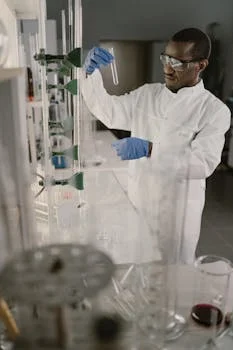
Compliance with wastewater discharge regulations is paramount for hospitals in Johor. The primary legal framework is the Environmental Quality Act (EQA) 1974, specifically the Environmental Quality (Sewage) Regulations 2009. These regulations set national effluent limits that all facilities must adhere to, including a maximum of 50 mg/L BOD, 100 mg/L COD, 50 mg/L TSS, and fecal coliform counts below 1,000 CFU/100 mL, with a pH range of 6–9. However, for Johor hospitals, particularly those discharging into the Johor River Basin, the DOE often mandates stricter local standards. These frequently include significantly tighter disinfection requirements, aiming for fecal coliform levels below 200 CFU/100 mL, and mandatory pre-treatment processes to remove hazardous substances like mercury and silver, which are common in clinical settings. It is crucial to distinguish wastewater treatment from clinical waste disposal, which falls under the Environmental Quality (Scheduled Waste) Regulations 2005 and typically involves incineration rather than biological treatment. Regular monitoring and reporting are essential components of compliance. Hospitals are generally required to submit quarterly reports to the DOE, and continuous monitoring of pH and flow is often mandated. For facilities exceeding 200 beds, annual third-party audits of the wastewater treatment system may be required. Failure to comply with these regulations carries severe penalties under Section 43 of the EQA 1974, including fines of up to MYR 500,000 and/or imprisonment for up to five years. Understanding these specific requirements is the first step in designing an effective and compliant treatment system.
| Regulation/Standard | Parameter | Effluent Limit | Notes for Johor Hospitals |
|---|---|---|---|
| Environmental Quality (Sewage) Regulations 2009 (National) | BOD | 50 mg/L | |
| COD | 100 mg/L | ||
| TSS | 50 mg/L | ||
| Fecal Coliforms | <1,000 CFU/100 mL | ||
| Johor DOE Local Standards (Indicative) | Fecal Coliforms | <200 CFU/100 mL | For discharges into sensitive areas like Johor River Basin |
| Johor DOE Local Standards (Indicative) | Hazardous Substances (e.g., Mercury, Silver) | Pre-treatment required | Specific limits may apply based on source |
| Environmental Quality Act 1974 (Section 43) | Non-compliance penalties | Up to MYR 500,000 fine and/or 5 years imprisonment | |
| Monitoring & Reporting | Submission | Quarterly DOE reports | Continuous pH/flow monitoring often required |
| Audits | Frequency | Annual third-party audits for >200 beds |
Hospital Wastewater Treatment Process: Step-by-Step Engineering Guide
Designing an effective hospital wastewater treatment system in Johor requires a multi-stage approach, addressing the unique contaminants and regulatory demands. The process typically begins with pretreatment, essential for removing gross solids and protecting downstream equipment. This involves mechanical screening, such as using a GX Series Rotary Mechanical Bar Screen, to capture solids, rags, and plastics in the 1–3 mm range, handling high influent loads efficiently. Following screening, primary treatment focuses on removing suspended solids. Dissolved Air Flotation (DAF) systems, like our DAF machine, are highly effective, capable of removing 90–95% of TSS, significantly outperforming conventional sedimentation which typically achieves only 50–70% removal (EPA 2023 data). Secondary treatment targets dissolved organic matter and pathogens. For hospital wastewater, Membrane Bioreactor (MBR) technology, exemplified by our MBR Integrated Wastewater Treatment systems, is often preferred. MBRs achieve effluent BOD levels below 10 mg/L and can remove up to 99.9% of pathogens, crucial for meeting Johor's stringent disinfection standards. While MBRs can cost approximately 30% more than conventional Activated Sludge (A/O) systems, their superior effluent quality and smaller footprint justify the investment (2024 WEF benchmarks). Tertiary treatment, specifically disinfection, is critical. Chlorine dioxide (ClO₂) offers superior disinfection capabilities, achieving 99.99% pathogen kill with minimal formation of disinfection by-products (DBPs), making it ideal for Johor’s strict limits. Our Chlorine Dioxide Generator provides a safe and effective solution, aligning with WHO 2022 disinfection guidelines. UV and ozone are alternative disinfection methods, each with its own advantages and disadvantages. Finally, sludge handling is addressed through dewatering. A plate and frame filter press, such as our Plate and Frame Filter Press, can achieve dewatering to over 95% solids capture efficiency, reducing sludge volume for disposal. A typical Johor hospital system would thus involve pretreatment (screening) → DAF → MBR → ClO₂ disinfection → discharge, with effluent quality benchmarks meeting <10 mg/L BOD, <20 mg/L COD, <10 mg/L TSS, and <100 CFU/100 mL fecal coliforms.
| Stage | Objective | Key Equipment | Typical Influent Quality | Typical Effluent Quality | Johor Compliance Considerations |
|---|---|---|---|---|---|
| Pre-treatment | Remove large solids, rags, grit | Rotary Mechanical Bar Screen (GX Series) | BOD: 200-500 mg/L COD: 400-1200 mg/L TSS: 150-400 mg/L |
Reduced solids, grit | Protection of downstream equipment, removal of potential toxic solids |
| Primary Treatment | Remove suspended solids | Dissolved Air Flotation (DAF) | TSS: 150-400 mg/L | TSS: <50 mg/L (90-95% removal) | Meeting TSS effluent standards, reducing load on biological stage |
| Secondary Treatment | Remove dissolved organic matter, pathogens | MBR Integrated Wastewater Treatment (Product 2) | BOD: 200-500 mg/L COD: 400-1200 mg/L |
BOD: <10 mg/L COD: <20 mg/L Pathogen Reduction: 99.9%+ |
High-quality effluent for disinfection, compact footprint |
| Tertiary Treatment (Disinfection) | Inactivate remaining pathogens | Chlorine Dioxide Generator | Microbial load: High | Fecal Coliforms: <100 CFU/100 mL Pathogen Kill: 99.99% |
Meeting stringent Johor DOE disinfection standards, minimal DBP formation |
| Sludge Handling | Dewater sludge for disposal | Plate and Frame Filter Press (Product 9) | Sludge moisture content: 95-98% | Sludge moisture content: <70% (solids capture >95%) | Volume reduction for cost-effective disposal |
Equipment Selection for Johor Hospitals: MBR vs. DAF vs. Disinfection Systems
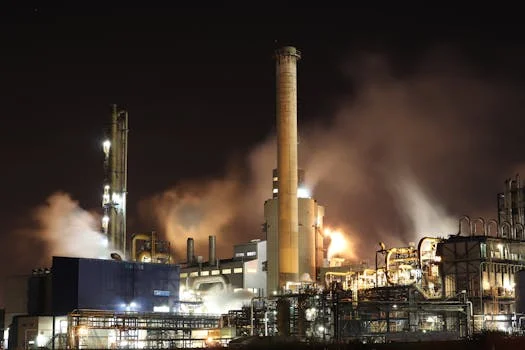
Selecting the appropriate wastewater treatment equipment for a Johor hospital involves balancing capacity, footprint, regulatory compliance, and budget. A critical factor for sizing is the wastewater generation rate, which typically ranges from 0.5–0.8 m³/bed/day for general hospitals and 1.0–1.5 m³/bed/day for teaching hospitals, as per Malaysian DOE guidelines. The footprint of treatment systems is also a major consideration, especially in urban settings. MBR systems, for instance, require approximately 60% less space than conventional Activated Sludge (A/O) systems coupled with sedimentation tanks, according to a 2024 MBR market report, making them ideal for space-constrained hospital sites. When evaluating disinfection methods, a direct comparison is essential. Chlorine dioxide offers the highest pathogen kill rate (99.99%) with minimal DBP formation, making it highly suitable for Johor's strict requirements. UV disinfection is effective but can be less reliable with turbid water and poses a risk of DBP formation if not optimized. Ozone provides strong disinfection but has higher CAPEX and OPEX and can also lead to DBP formation. Traditional chlorine disinfection is cost-effective but poses the highest risk of DBP formation. Energy consumption is another factor; MBR systems typically consume 0.8–1.2 kWh/m³, while conventional A/O systems use 0.3–0.5 kWh/m³ (WEF 2023 data). A decision framework can guide selection: for high-quality effluent and minimal footprint, MBR is often the top choice. For primary solids removal, DAF is highly efficient. For disinfection, chlorine dioxide is recommended for stringent compliance and AMR mitigation. Consideration should also be given to compact medical wastewater treatment systems for clinics, which may have different capacity and treatment needs.
| Parameter | Chlorine Dioxide (ClO₂) | UV Disinfection | Ozone (O₃) | Chlorine (e.g., Sodium Hypochlorite) |
|---|---|---|---|---|
| Pathogen Kill Rate | 99.99% (e.g., bacteria, viruses, protozoa) | 99.9% (effective against bacteria & viruses; less effective against protozoa) | 99.99% (broad spectrum) | 99.9% (effective against bacteria & viruses; less effective against protozoa) |
| Disinfection By-Product (DBP) Formation | Minimal | Low (potential for haloacetic acids if organic matter present) | Potential for bromate, aldehydes | High (e.g., trihalomethanes - THMs, haloacetic acids - HAAs) |
| Cost (CAPEX) | Moderate to High (generator cost) | Moderate (UV system, lamps) | High (generator, contact tank) | Low (dosing pump, storage) |
| Cost (OPEX) | Moderate (chemical generation) | Moderate (lamp replacement, energy) | High (energy, maintenance) | Low (chemical cost, energy) |
| Johor Compliance Suitability | Excellent (meets stringent pathogen reduction, low DBP) | Good (requires careful monitoring for DBP) | Good (requires careful monitoring for DBP) | Fair (risk of DBP formation may exceed local limits) |
| Residual Disinfection | Some residual effect | None | Short residual effect | Sustained residual effect |
Cost Breakdown for Hospital Wastewater Treatment Systems in Johor (2025)
Budgeting for hospital wastewater treatment in Johor requires a detailed understanding of both capital expenditure (CAPEX) and operational expenditure (OPEX). For a 100-bed hospital generating approximately 50 m³/day, the CAPEX for a comprehensive treatment system (including pretreatment, biological treatment, disinfection, and sludge handling) can range from MYR 1.5 million to MYR 3.0 million. For a larger, 300-bed hospital (around 150 m³/day), this investment can escalate to MYR 4.0 million to MYR 7.0 million. These costs are distributed across system components: pretreatment equipment, biological reactors (e.g., MBR modules), disinfection systems, pumps, tanks, and sludge dewatering machinery. Operational costs, typically MYR 8–15/m³ for advanced MBR systems and MYR 5–10/m³ for A/O + DAF configurations, cover energy, chemicals, consumables, maintenance, and operator salaries (citing 2024 Malaysian water utility data). Johor-specific cost factors include higher land acquisition costs in urban areas like Johor Bahru compared to rural districts. Labor rates for skilled operators in Malaysia generally range from MYR 3,000–5,000 per month. Additionally, DOE permit fees can range from MYR 5,000–20,000 annually, depending on the facility's size and discharge volume. A realistic return on investment (ROI) calculation for a 200-bed hospital might show a payback period of 5–7 years. This is achieved by factoring in avoided fines (potentially MYR 500,000 per year for serious non-compliance) and savings from water reuse initiatives (estimated at MYR 200,000 per year), alongside operational cost efficiencies. Hospitals can explore funding options such as the Malaysian Green Technology Financing Scheme (GTFS) or specific Johor State Government grants aimed at promoting environmentally compliant and AMR-reducing technologies. For comparison, consult wastewater treatment plant cost benchmarks in Malaysia.
| System Size | Estimated CAPEX (MYR) | Estimated OPEX per m³ (MYR) | Key Cost Components |
|---|---|---|---|
| 100-bed hospital (~50 m³/day) | 1,500,000 – 3,000,000 | 8 – 15 (MBR) / 5 – 10 (A/O+DAF) | Pretreatment, Biological Treatment (MBR/A/O), Disinfection, Sludge Dewatering, Installation, Commissioning |
| 300-bed hospital (~150 m³/day) | 4,000,000 – 7,000,000 | 8 – 15 (MBR) / 5 – 10 (A/O+DAF) | Larger Equipment, Advanced Control Systems, Extended Piping, Civil Works |
| Additional Johor-Specific Costs: Land acquisition (urban vs. rural), skilled labor wages (MYR 3,000-5,000/month), DOE permit fees (MYR 5,000-20,000/year), potential for extended warranty and maintenance contracts. | |||
Case Study: Upgrading Hospital Sultanah Aminah’s Wastewater Treatment System
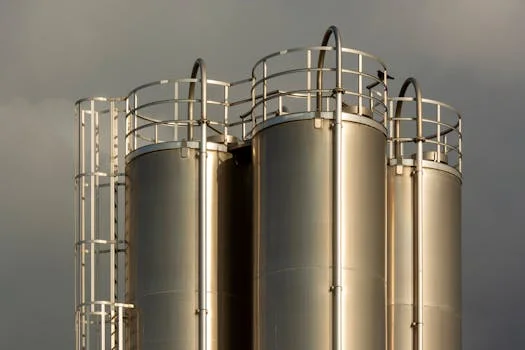
Hospital Sultanah Aminah, a 500-bed tertiary hospital, faced significant challenges in 2022 when its existing wastewater treatment system failed to meet the Department of Environment's (DOE) fecal coliform discharge limits. The non-compliance led to a DOE inspection and potential penalties. To address this, the hospital undertook a critical upgrade, retrofitting their conventional Activated Sludge (A/O) system with advanced technologies. The solution involved integrating an MBR module (specifically, our DF Series MBR) and implementing chlorine dioxide disinfection using the Chlorine Dioxide Generator. This upgrade significantly improved treatment efficacy, achieving effluent fecal coliform counts consistently below 100 CFU/100 mL and a remarkable 95% BOD removal rate. enhanced automation and process optimization resulted in a 30% reduction in operational expenditures. The project encountered challenges, including limited space for the new MBR units, which was ingeniously solved by installing them underground. Operator training on the new technologies was a key focus, with comprehensive on-site support provided by HydropureWater. Sludge disposal complexities were managed through a partnership with a local, certified waste management firm. Key lessons learned from this project underscore the importance of thorough pilot testing, obtaining DOE pre-approval for chosen disinfection methods, and maintaining contingency budgets to account for Johor’s variable monsoon weather impacts on treatment system performance. This case demonstrates how strategic equipment upgrades can overcome compliance hurdles and improve operational efficiency.
Frequently Asked Questions
What are the primary contaminants in hospital wastewater that require special treatment?
Hospital wastewater contains a complex mix of pathogens (bacteria, viruses, parasites), pharmaceuticals, disinfectants, heavy metals (like mercury from dental amalgam), and higher organic loads (BOD/COD) compared to domestic sewage. These require advanced treatment to prevent public health risks and environmental contamination.
How do Johor's wastewater regulations differ from national standards for hospitals?
While national regulations set baseline limits, Johor's DOE often imposes stricter effluent standards for sensitive areas like the Johor River Basin, particularly concerning fecal coliform counts (often requiring <200 CFU/100 mL) and the pre-treatment of specific hazardous substances.
Is MBR technology suitable for all Johor hospitals?
MBR technology is highly suitable due to its superior effluent quality and compact footprint, making it ideal for space-constrained hospitals and meeting stringent Johor DOE requirements. However, its higher CAPEX and energy consumption must be balanced against these benefits.
What is the most effective disinfection method for hospital wastewater in Johor?
Chlorine dioxide (ClO₂) is highly recommended for its broad-spectrum efficacy, high pathogen kill rate (99.99%), and minimal formation of harmful disinfection by-products (DBPs), which is crucial for meeting strict local discharge standards and addressing AMR concerns.
What is the typical payback period for investing in an advanced hospital wastewater treatment system in Johor?
The payback period typically ranges from 5 to 7 years. This is achieved through avoiding substantial fines for non-compliance, potential savings from water reuse, and improved operational efficiencies. Factors like system size, regulatory penalties, and water costs influence this calculation.
Can HydropureWater assist with the design and installation of a treatment system in Johor?
Yes, HydropureWater provides comprehensive support, including system design, equipment supply, installation guidance, and operator training, tailored to meet Johor's specific regulatory and environmental conditions. We also offer insights into comparing sewage treatment equipment suppliers in Malaysia.
What are the risks of not treating hospital wastewater adequately?
Inadequate treatment can lead to the discharge of pathogens, contributing to the spread of infectious diseases and antimicrobial resistance (AMR). It can also result in the release of pharmaceuticals and heavy metals into the environment, polluting water bodies and harming aquatic life, alongside severe legal penalties.
How does chlorine dioxide disinfection compare to other methods like UV or ozone?
Chlorine dioxide offers a superior balance of pathogen kill rate and DBP formation compared to UV and ozone, making it a preferred choice for stringent compliance. While UV is effective, it can be less so with turbid water. Ozone is potent but has higher operational costs and DBP risks. For a detailed comparison, refer to our guide on the best wastewater disinfection methods.