Hospitals in Gaziantep must treat wastewater to meet Turkish Water Pollution Control Regulation (2024) limits: COD <125 mg/L, BOD <25 mg/L, TSS <35 mg/L, and fecal coliform <100 CFU/100 mL. With influent COD levels averaging 300–800 mg/L (per Gaziantep Metropolitan Municipality 2023 data), hospitals require systems achieving 90–97% removal efficiency. This guide details compliance requirements, engineering specs, and cost-effective equipment solutions for 2025.
Why Hospital Wastewater Treatment in Gaziantep is a Regulatory Priority in 2025
Gaziantep’s healthcare sector generates approximately 1,200 m³/day of wastewater, according to the 2024 Gaziantep Metropolitan Municipality Environmental Report. This significant volume of hospital effluent necessitates robust treatment to safeguard public health and comply with stringent environmental regulations. The Turkish Water Pollution Control Regulation (2024) explicitly sets discharge limits for key parameters: Chemical Oxygen Demand (COD) must be below 125 mg/L, Biochemical Oxygen Demand (BOD) below 25 mg/L, Total Suspended Solids (TSS) below 35 mg/L, and fecal coliform counts below 100 CFU/100 mL. Turkey's adoption of the EU Urban Waste Water Directive 91/271/EEC mandates tertiary treatment for hospitals with more than 50 beds, reinforcing the need for advanced systems.
Non-compliance carries substantial financial and operational risks for healthcare facilities in Gaziantep. Under Environmental Law No. 2872 (2023), penalties for violating wastewater discharge standards can reach fines of up to ₺500,000 (approximately $15,000) and may result in operational shutdowns. Proactive investment in effective wastewater treatment systems is not merely a best practice; it is a legal imperative. For example, Gaziantep University Hospital successfully reduced its COD levels from an influent of 780 mg/L to a compliant 85 mg/L by implementing a Membrane Bioreactor (MBR) and ozone disinfection system, thereby avoiding an estimated ₺3.2 million in potential fines in 2024.
Hospital Wastewater Characteristics in Gaziantep: Influent Quality and Treatment Challenges
Hospital wastewater in Gaziantep presents a complex and highly variable influent quality, significantly different from typical municipal sewage. Based on 2024 Gaziantep hospital effluent sampling data, influent quality benchmarks include COD ranging from 300–800 mg/L, BOD from 150–400 mg/L, TSS from 200–500 mg/L, ammonia from 30–80 mg/L, and fecal coliform counts as high as 10⁶–10⁸ CFU/100 mL. These levels indicate a high organic load and significant pathogenic risk.
Key contaminants of concern in hospital effluent include pharmaceutical residues (such as antibiotics, hormones, and anti-inflammatory drugs), a wide array of highly resistant pathogens (e.g., E. coli, Pseudomonas aeruginosa), heavy metals (notably mercury from dental clinics and laboratory waste), and a high organic load from various sources including laboratories, kitchens, and patient care areas. Seasonal variations also impact influent quality; the Gaziantep Chamber of Industry 2023 report indicates that COD levels can be 20–30% higher in summer months due to increased patient loads and associated activities. Compared to municipal wastewater, hospital effluent typically exhibits 3–5 times higher BOD concentrations and 10–100 times higher pathogen counts, demanding specialized and robust treatment approaches.
Effective pretreatment is crucial to protect downstream treatment processes. This typically involves coarse and fine screening to remove large solids, followed by equalization tanks to buffer flow rate and pollutant load fluctuations. These steps prevent damage to pumps, reduce fouling in biological reactors, and stabilize influent characteristics for optimal treatment efficiency.
| Parameter | Typical Hospital Influent (Gaziantep, 2024) | Turkish Discharge Limit (2024) |
|---|---|---|
| COD | 300–800 mg/L | <125 mg/L |
| BOD | 150–400 mg/L | <25 mg/L |
| TSS | 200–500 mg/L | <35 mg/L |
| Ammonia-N | 30–80 mg/L | <10 mg/L (varies by receiving body) |
| Fecal Coliform | 10⁶–10⁸ CFU/100 mL | <100 CFU/100 mL |
| pH | 6.0–9.0 | 6.0–9.0 |
Treatment Technologies Compared: MBR vs. DAF vs. Chemical Dosing vs. Ozone for Hospital Effluent
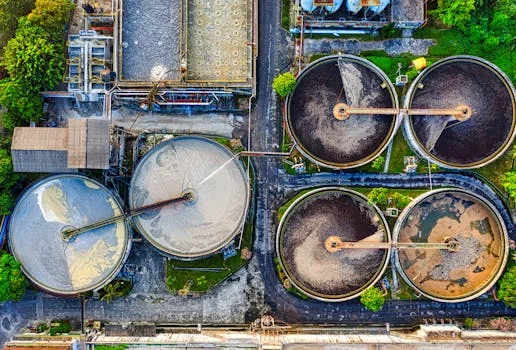
Selecting the optimal hospital wastewater treatment technology in Gaziantep depends on specific influent characteristics, required effluent quality, available footprint, and budget constraints. Each technology offers distinct advantages and trade-offs. For robust biological and physical treatment, MBR systems for hospital wastewater treatment in Gaziantep consistently achieve 95–99% COD removal and over 99.99% pathogen removal. MBRs are highly compact, requiring up to 60% less footprint than conventional activated sludge systems, making them ideal for space-constrained urban hospitals. However, their Capital Expenditure (CAPEX) is higher, typically ranging from ₺1.2 million to ₺3.5 million for systems treating 50–200 m³/day.
Dissolved Air Flotation (DAF) systems are effective for preliminary or primary treatment, particularly for hospital effluent with high concentrations of Fats, Oils, and Grease (FOG), often originating from hospital kitchens. DAF systems for high-FOG hospital wastewater in Gaziantep can achieve 70–85% TSS removal and 60–75% COD removal. CAPEX for DAF units treating 50–200 m³/day is generally lower than MBR, at ₺800,000 to ₺2 million. Chemical dosing, involving coagulation and flocculation, offers a cost-effective solution for suspended solids and some organic removal, achieving 50–70% COD removal and 80–90% TSS removal. While CAPEX is low (₺300,000–₺700,000), the Operational Expenditure (OPEX) can be substantial due to ongoing chemical costs, estimated at ₺50–₺100 per m³ of treated water.
Ozone disinfection is a powerful tertiary treatment option, providing a 99.9% pathogen kill rate without generating harmful chemical residuals. It is particularly effective for inactivating antibiotic-resistant bacteria and degrading certain pharmaceutical compounds. However, ozone systems have high energy costs (₺0.8–₺1.5/kWh) and require effective pre-treatment to prevent membrane fouling if used in conjunction with other systems. For comprehensive treatment, hybrid systems are often employed. Gaziantep University Hospital, for instance, utilizes an MBR + ozone combination, achieving 97% COD removal and 99.999% pathogen kill. Such advanced integrated compact medical wastewater treatment systems for Gaziantep clinics typically have a CAPEX of ₺2.5 million to ₺5 million for flow rates of 100–300 m³/day.
Operational considerations vary significantly by technology. MBR systems require periodic membrane cleaning (typically every 6–12 months) and eventual replacement. DAF systems generate sludge that requires proper disposal. Ozone disinfection systems demand strict safety protocols for staff due to the nature of ozone gas. Comparing UV, ozone, and chlorine dioxide for hospital wastewater disinfection reveals different operational footprints and chemical handling needs, as detailed in our guide on comparing UV, ozone, and chlorine dioxide for hospital wastewater disinfection.
| Technology | COD Removal Efficiency | Pathogen Removal Efficiency | Typical CAPEX (₺ for 50–200 m³/day) | Key Advantages | Key Disadvantages |
|---|---|---|---|---|---|
| MBR (Membrane Bioreactor) | 95–99% | >99.99% | ₺1.2M–₺3.5M | High effluent quality, small footprint, robust pathogen removal | Higher CAPEX, membrane fouling potential, requires membrane cleaning/replacement |
| DAF (Dissolved Air Flotation) | 60–75% | N/A (primary treatment) | ₺800K–₺2M | Effective for FOG/TSS removal, relatively low CAPEX | Limited organic/pathogen removal, requires sludge disposal |
| Chemical Dosing (Coagulation/Flocculation) | 50–70% | Limited | ₺300K–₺700K | Low initial CAPEX, simple operation | High OPEX (chemical costs), generates chemical sludge, limited pathogen removal |
| Ozone Disinfection | N/A (tertiary treatment) | >99.9% | Integrated with other systems (e.g., MBR) | Excellent pathogen kill, no chemical residuals, degrades some pharmaceuticals | High energy cost, requires pre-treatment, safety protocols for ozone gas |
| Hybrid (MBR + Ozone) | >97% | >99.999% | ₺2.5M–₺5M (for 100–300 m³/day) | Highest effluent quality, comprehensive pathogen & organic removal | Highest CAPEX & OPEX, complex operation |
Gaziantep Hospital Wastewater Treatment Costs: 2025 CAPEX and OPEX Breakdown
The total cost of a hospital wastewater treatment system in Gaziantep for 2025 involves both Capital Expenditure (CAPEX) and Operational Expenditure (OPEX), with significant variations based on technology and flow rate. Based on 2024 Gaziantep market data, CAPEX ranges from ₺300,000 for basic chemical dosing systems to over ₺5 million for advanced hybrid MBR + ozone systems, designed for flow rates between 50 and 300 m³/day. These figures include equipment purchase, installation, civil works, and initial commissioning.
Operational Expenditure (OPEX) is a critical factor for long-term budgeting. A typical OPEX breakdown per cubic meter of treated water includes energy costs (₺0.5–₺2/m³, highly dependent on technology and efficiency), chemical costs (₺0.2–₺0.8/m³, primarily for chemical dosing or pH adjustment), and labor (estimated at ₺15–₺30/hour for one dedicated operator, depending on system complexity). Maintenance costs can be substantial, particularly for MBR systems, with membrane replacement alone potentially costing ₺50,000–₺200,000 annually. For a more detailed look at Turkey-specific wastewater treatment cost benchmarks and ROI analysis, further resources are available.
Return on Investment (ROI) for advanced systems like MBR can be realized within 3–5 years, primarily through avoided regulatory fines and potential savings from water reuse. The Gaziantep University Hospital case study exemplifies this, demonstrating significant financial benefits from compliance and reduced penalties. Various funding options are available to support these investments, including grants from the Turkish Ministry of Environment (covering up to 50% of CAPEX), EBRD loans (typically at 3–5% interest rates), and specific Gaziantep Metropolitan Municipality subsidies for hospitals with fewer than 100 beds. Cost-saving strategies include implementing effective pre-treatment to reduce membrane fouling, investing in energy-efficient blowers and pumps, and utilizing automated chemical dosing systems to minimize reagent waste and labor.
| Cost Category | Estimated Range (₺) for 100 m³/day System (2025) | Notes |
|---|---|---|
| CAPITAL EXPENDITURE (CAPEX) | ||
| Equipment Purchase (MBR) | ₺1,500,000 – ₺3,000,000 | Includes reactors, membranes, pumps, controls |
| Installation & Civil Works | ₺500,000 – ₺1,000,000 | Foundation, piping, electrical, shelter |
| Design & Engineering | ₺100,000 – ₺300,000 | Detailed engineering, permits |
| Total CAPEX (MBR System) | ₺2,100,000 – ₺4,300,000 | |
| OPERATIONAL EXPENDITURE (OPEX) per m³ | ||
| Energy Cost | ₺0.5 – ₺2.0/m³ | Pumps, blowers, disinfection (e.g., ozone) |
| Chemicals (for cleaning/dosing) | ₺0.2 – ₺0.8/m³ | Membrane cleaning agents, coagulants, disinfectants |
| Labor | ₺0.3 – ₺1.0/m³ | Operator salaries, based on ₺15–₺30/hour |
| Maintenance & Spares | ₺0.2 – ₺0.6/m³ | Membrane replacement (annualized), pump spares, sensors |
| Sludge Disposal | ₺0.1 – ₺0.3/m³ | Transport and disposal fees for generated sludge |
| Total OPEX (MBR System) | ₺1.3 – ₺4.7/m³ | |
Compliance Checklist: How to Meet Gaziantep’s Hospital Wastewater Discharge Standards

Ensuring continuous compliance with Gaziantep’s stringent hospital wastewater discharge standards requires a structured, multi-step approach for facility managers and engineers. Failing to adhere to these guidelines can lead to significant penalties, as highlighted by Environmental Law No. 2872. The following checklist provides a clear framework:
- Step 1: Conduct a Comprehensive Wastewater Audit. Turkish Environmental Law No. 2872 mandates wastewater audits every 6 months. This audit must include detailed testing for COD, BOD, TSS, ammonia, pH, and fecal coliform levels in the hospital's effluent. Accurate and regular data collection is the foundation for effective treatment and compliance.
- Step 2: Select an Appropriate Treatment Technology. Based on the wastewater audit results, identify a treatment technology or a hybrid system that can consistently meet the Turkish Water Pollution Control Regulation (2024) limits. Utilize the comparison table in the previous section to evaluate options based on influent quality, desired effluent quality, flow rate, and budget.
- Step 3: Design for Redundancy and Reliability. Implement critical system components with redundancy, such as dual pumps, backup power supplies, and parallel treatment trains. This prevents operational shutdowns during peak loads, equipment failures, or power outages, ensuring continuous compliance.
- Step 4: Implement Real-time Monitoring and Alarms. Install real-time monitoring systems for key parameters like pH, turbidity, and flow rate at critical points in the treatment process and at the final discharge. Gaziantep Metropolitan Municipality requires telemetry data submission for hospitals exceeding 100 beds, necessitating automated data logging and alarm systems for immediate notification of non-compliance events.
- Step 5: Ensure Certified Operator Training. Turkish regulations mandate that wastewater treatment systems exceeding 50 m³/day must be operated by certified personnel. Invest in comprehensive training for staff on the specific operation, maintenance, and troubleshooting procedures for the installed system. This minimizes operational errors and optimizes system performance.
- Step 6: Submit Regular Compliance Reports. Prepare and submit quarterly reports to the Gaziantep Environmental Protection Agency (GEPA). These reports must include all effluent test results, operational data, and maintenance logs, demonstrating ongoing adherence to discharge limits and regulatory requirements.
Common compliance pitfalls include underestimating influent variability, which can lead to system overload; inadequate disinfection protocols, resulting in high pathogen counts; and poor sludge management, which can cause secondary pollution and regulatory issues. Proactive planning and continuous vigilance are essential for maintaining compliance. For context on how Stockholm’s hospital wastewater standards compare to Gaziantep’s, further information is available.
Frequently Asked Questions
Engineers, facility managers, and procurement teams often have specific questions regarding hospital wastewater treatment in Gaziantep. Here are answers to common inquiries:
What are the methods of hospital waste treatment in Gaziantep?
Hospital waste treatment in Gaziantep involves two main categories: solid medical waste is typically treated via sterilization (e.g., autoclaving) at central facilities, while liquid effluent (wastewater) is treated using advanced systems such as Membrane Bioreactors (MBR), Dissolved Air Flotation (DAF), or chemical dosing, often followed by disinfection methods like ozone or UV for pathogen removal.
How much does a hospital wastewater treatment system cost in Gaziantep?
The cost of a hospital wastewater treatment system in Gaziantep varies significantly based on technology and flow rate. CAPEX (Capital Expenditure) can range from ₺300,000 for basic chemical treatment systems up to ₺5 million for advanced MBR + ozone hybrid systems for flow rates of 50–300 m³/day. OPEX (Operational Expenditure) typically ranges from ₺0.8–₺3 per cubic meter of treated water, covering energy, chemicals, labor, and maintenance.
What are the discharge limits for hospital wastewater in Gaziantep?
As per the Turkish Water Pollution Control Regulation (2024), hospital wastewater discharge limits in Gaziantep are: COD <125 mg/L, BOD <25 mg/L, TSS <35 mg/L, and fecal coliform <100 CFU/100 mL. These limits are strictly enforced to protect public health and the environment.
Can hospital wastewater be reused in Gaziantep?
Yes, hospital wastewater can be reused in Gaziantep, provided it undergoes tertiary treatment (e.g., MBR followed by Reverse Osmosis or advanced oxidation) to meet specific quality standards. Reclaimed water can be used for non-potable applications such as landscape irrigation, toilet flushing, or cooling tower make-up water. Reuse requires explicit approval from the Gaziantep Environmental Protection Agency (GEPA).
What are the penalties for non-compliance with hospital wastewater regulations in Gaziantep?
Penalties for non-compliance with hospital wastewater regulations in Gaziantep are severe. Under Environmental Law No. 2872, fines can be as high as ₺500,000 (approximately $15,000), and repeated or severe violations can lead to temporary or permanent operational shutdowns of the healthcare facility.