Industrial Wastewater Treatment in Northern Territory Australia: 2025 Engineering Specs, Compliance & Cost-Optimized Systems
Industrial wastewater treatment in Northern Territory Australia requires systems that meet Power and Water Corporation’s stringent effluent standards while handling remote site constraints. For example, the Kubota MBBR system at Channel Island Power Station achieves 95% COD removal at 500–1,200 mg/L influent, complying with NT’s Environmental Protection (Water) Policy 2020. Key challenges include high salinity (up to 35,000 mg/L TDS in coastal sites), temperature fluctuations (15–45°C), and limited operator access—demanding robust, automated solutions like DAF for FOG removal or MBR for reuse-quality effluent.
Northern Territory Industrial Wastewater: Key Challenges and Regulatory Landscape
Industrial wastewater treatment in the Northern Territory faces unique environmental and logistical challenges that significantly influence system design and operational costs. NT’s extreme climate, characterized by temperature ranges from 15–45°C and distinct monsoon seasons, directly impacts biological treatment efficiency; for instance, higher temperatures can accelerate microbial activity but also increase oxygen transfer demands and evaporative losses. Salinity presents a significant hurdle, particularly for coastal industrial sites like power plants or processing facilities, where influent Total Dissolved Solids (TDS) can reach 30,000–35,000 mg/L, increasing the risk of membrane fouling in MBR systems and necessitating the use of corrosion-resistant materials such as 316L stainless steel for process equipment. Remote site constraints, common across NT’s vast landscapes, include limited operator access, unreliable power grids requiring robust backup solutions, and complex logistics for chemical supply, which collectively demand highly automated and durable wastewater treatment systems. The vast distances and limited infrastructure in many NT regions mean that transporting equipment, spare parts, and chemicals can be a significant logistical and cost challenge, emphasizing the need for systems with minimal maintenance requirements and readily available consumables. Furthermore, the harsh UV radiation and potential for dust ingress in arid regions require robust housing and protective measures for sensitive equipment, adding another layer to system design considerations.
Compliance with Power and Water Corporation (PWC) standards is mandatory for all industrial effluent discharges in the Northern Territory, primarily governed by the NT Environmental Protection (Water) Policy 2020. This policy sets strict effluent limits, typically requiring Biochemical Oxygen Demand (BOD) below 50 mg/L, Total Suspended Solids (TSS) below 30 mg/L, Ammonia-Nitrogen (NH₃-N) below 10 mg/L, and pH maintained within a range of 6.5–8.5. For specific industries, such as those handling food processing or aquaculture, limits on fats, oils, and grease (FOG) and nutrients like phosphorus and nitrogen are also critical. The NT Government prohibits specific practices, such as the re-injection of wastewater produced from gas resource production, a critical consideration for the onshore gas industry operating in the region. These regulations necessitate careful pre-treatment and advanced biological or physical-chemical processes to ensure compliance and avoid significant penalties. Penalties for non-compliance can be substantial, impacting both financial stability and corporate reputation, thus making adherence to these standards a paramount concern for any industrial operator in the Territory. Regular monitoring and reporting are also often mandated, requiring accurate instrumentation and data logging capabilities within the treatment system.
| Parameter | Power and Water Corporation Effluent Limit (NT) | Impact on System Design |
|---|---|---|
| BOD | <50 mg/L | Requires effective biological treatment (e.g., MBBR, MBR), potentially with pre-aeration or extended aeration phases. |
| TSS | <30 mg/L | Necessitates robust primary and secondary clarification/filtration, including screening, sedimentation, and potentially tertiary polishing filters or membrane systems. |
| NH₃-N | <10 mg/L | Demands nitrification/denitrification capabilities, often requiring specific reactor designs (e.g., MBR with anoxic zones) or separate nitrification units, and careful control of dissolved oxygen and pH. |
| pH | 6.5–8.5 | Requires pH adjustment systems for acidic/alkaline influent, typically involving automated dosing of lime, soda ash, or acid, with inline pH monitoring. |
| TDS (Coastal Sites) | 30,000–35,000 mg/L (Influent) | Challenges membrane systems (fouling, scaling), increases corrosion risk, potentially necessitates pre-treatment like RO or evaporation for high-salinity streams, and requires corrosion-resistant materials. |
| Temperature | 15–45°C (Ambient) | Affects biological kinetics, oxygen transfer efficiency, and microbial activity. Systems may need insulation or cooling/heating mechanisms for extreme variations, or robust microbial consortia adapted to wider temperature ranges. |
| FOG (Food/Abattoir) | Specific limits apply (e.g., <50 mg/L) | Requires effective primary treatment like DAF or grease traps, potentially with pre-conditioning steps. |
| Heavy Metals (Mining) | Specific limits apply (e.g., <1 mg/L for certain metals) | Necessitates specialized treatment like chemical precipitation, ion exchange, or advanced oxidation processes, often as a pre-treatment step. |
Treatment Technology Comparison: MBBR vs. DAF vs. MBR for NT Industrial Sites

Selecting the optimal wastewater treatment technology for Northern Territory industrial sites depends heavily on influent characteristics, footprint availability, and desired effluent quality, with Moving Bed Biofilm Reactors (MBBR), Dissolved Air Flotation (DAF), and Membrane Bioreactors (MBR) offering distinct advantages. MBBR systems, utilizing plastic media with a typical fill ratio of 50–70% to host biomass, are highly effective for treating influent with COD ranging from 500–2,000 mg/L, achieving removal efficiencies of 90–97% for COD and 85–95% for BOD, as demonstrated by the Channel Island Power Station WWTP. This technology offers a significant footprint advantage, often being 60% smaller than conventional activated sludge systems, making WSZ series underground MBBR systems for remote NT sites an efficient choice for sites with limited space. The biofilm on the media provides a protective environment for microorganisms, making MBBRs more resilient to fluctuations in influent composition and flow compared to suspended growth systems. This robustness is particularly valuable in industrial settings where process upsets can occur. Additionally, the fixed nature of the media reduces the risk of biomass washout during high flow events, common during monsoon seasons.
DAF systems, which employ microbubble technology (30–100 μm) to float suspended solids and oils to the surface, are particularly effective for removing Fats, Oils, and Grease (FOG) with 95%+ efficiency and TSS with 80–90% efficiency. DAF systems for high-FOG wastewater in NT food processing and mining, with capacities ranging from 4–300 m³/h across 13 standard models, are ideal for industries like abattoirs, food processing plants, or mining operations dealing with high oil and grease loads. The effectiveness of DAF is enhanced by chemical coagulants and flocculants, which destabilize suspended particles and oils, allowing them to aggregate and be more easily floated. The resulting sludge, rich in FOG and solids, can often be dewatered and disposed of or potentially repurposed, depending on local regulations and the nature of the contaminants. The rapid clarification achieved by DAF makes it a suitable option for pre-treatment or for meeting discharge limits for these specific parameters.
MBR systems, incorporating submerged PVDF membranes with a 0.1 μm pore size, produce exceptional effluent quality, typically less than 1 mg/L TSS and less than 5 mg/L BOD, making them suitable for water reuse applications. While MBR energy consumption (0.5–1.0 kWh/m³) is higher than conventional systems, the DF series flat-sheet modules (80–225 m², 32–135 m³/day) offer superior effluent for reuse-quality effluent in remote NT camps, significantly reducing fresh water demand. The high-quality effluent from MBRs can be suitable for non-potable uses such as irrigation, toilet flushing, or industrial process water, thereby conserving scarce freshwater resources in arid regions like the NT. The compact nature of MBRs, combining biological treatment and membrane filtration in a single unit, also minimizes land take, a crucial factor for space-constrained industrial sites or remote locations.
Each technology has specific use-case matching and limitations; MBBR is highly suited for power plants due to its robustness against flow variations, while DAF excels in abattoirs and food processing for effective FOG removal. MBR systems are the preferred choice for remote camps requiring high-quality effluent for non-potable reuse. However, MBBR systems can be sensitive to sudden shock loads of inhibitory substances, DAF performance is dependent on consistent chemical dosing and maintenance of the air diffusion system, and MBR systems face fouling risks, particularly in high-salinity waters prevalent in some NT coastal areas, requiring careful pre-treatment and frequent cleaning protocols (e.g., backwashing, chemical cleaning). The operational complexity of MBRs, including membrane integrity monitoring and replacement, also needs to be factored into the total cost of ownership and operator training requirements.
| Technology | Key Advantage for NT | Influent Characteristics (Typical) | Effluent Quality (Typical) | Limitations for NT |
|---|---|---|---|---|
| MBBR | Compact footprint, robust biological treatment, resilient to flow variations. | COD 500–2,000 mg/L, BOD 200–800 mg/L, moderate TSS. | COD <100 mg/L, BOD <50 mg/L, TSS <30 mg/L. | Sensitivity to shock loads of toxic compounds, requires consistent aeration, can be less effective for very high FOG. |
| DAF | High FOG/TSS removal, fast clarification, suitable for pre-treatment. | FOG 200–1,000 mg/L, TSS 200–2,000 mg/L, suspended oils. | FOG <50 mg/L, TSS <100 mg/L (can be lower with optimization). | Chemical dependency (coagulants, flocculants), sludge disposal costs, requires careful control of air saturation and float removal. |
| MBR | Superior effluent for reuse, very small footprint, high-quality treated water. | COD 200–1,000 mg/L, BOD 100–500 mg/L, low to moderate TSS. | TSS <1 mg/L, BOD <5 mg/L, Turbidity <1 NTU, low bacterial counts. | Higher CAPEX/OPEX (energy, membrane replacement), fouling risks in high-salinity or high-solids water, requires skilled operation and maintenance. |
Engineering Specs for NT Industrial Wastewater Systems: Influent, Effluent, and Process Parameters
Precise engineering specifications for industrial wastewater treatment systems in the Northern Territory are critical for ensuring compliance and operational efficiency under challenging conditions. Influent characteristics vary significantly across NT industrial sites; for instance, mining operations typically present wastewater with pH ranging from 3–9, TSS between 500–2,000 mg/L, and heavy metals from 10–100 mg/L, while food processing facilities often have high FOG (200–1,000 mg/L) and BOD (1,000–3,000 mg/L) loads. Onshore gas wastewater, as detailed in NT government documents, features unique compositions that require specialized treatment approaches, particularly given the prohibition on re-injection. Effluent targets must consistently meet Power and Water Corporation limits (BOD <50 mg/L, TSS <30 mg/L, NH₃-N <10 mg/L, pH 6.5–8.5), with additional industry-specific parameters like FOG and heavy metals also needing careful control. System design must account for diurnal and seasonal flow variations, which can be substantial in regions with distinct wet and dry seasons. For example, during the wet season, increased stormwater infiltration can lead to higher flow rates and lower pollutant concentrations, while during the dry season, lower flows and higher evaporation rates can concentrate pollutants. Therefore, buffer tanks and flow equalization are often essential components of a robust design. The selection of materials is paramount; corrosion resistance is vital due to potential salinity and the use of treatment chemicals, with stainless steel (e.g., 316L), HDPE, and fiberglass being common choices for tanks and piping. For remote sites, energy efficiency is a key consideration, and technologies that minimize power consumption, such as gravity flow where possible or optimized aeration systems, are preferred. Automation and remote monitoring capabilities are also critical to manage operations effectively with limited on-site personnel, allowing for real-time data acquisition and control of parameters like dissolved oxygen, pH, and chemical dosing rates, thereby ensuring consistent compliance and operational stability.
Process parameters for NT industrial wastewater systems must be carefully engineered to optimize performance under local conditions. For biological treatment, temperature fluctuations (15–45°C) necessitate either robust microbial consortia capable of operating across this wide range or, in extreme cases, temperature control mechanisms. Hydraulic Retention Time (HRT) and Solids Retention Time (SRT) are crucial design parameters, with MBBR systems typically requiring longer SRTs to build up robust biofilm, while MBRs can achieve high effluent quality with shorter HRTs due to their high biomass concentration. Aeration control in biological reactors is vital; for MBBRs, maintaining sufficient dissolved oxygen (DO) levels (typically 2-4 mg/L) is key for aerobic degradation, and energy-efficient blowers or fine-bubble diffusers are often specified. For DAF systems, the air-to-solids ratio and chemical dosage are critical for efficient FOG and TSS removal; precise dosing pumps and flow meters are required, often linked to automated PLC control. Membrane integrity in MBRs is monitored through transmembrane pressure (TMP) and flux rates, with automated cleaning cycles (e.g., backwashing, chemical enhanced backwashing - CEB) programmed to maintain performance and prevent irreversible fouling. Pre-treatment steps, such as screening for larger debris or grit removal, are essential to protect downstream equipment. For high-salinity wastewater, the choice of membranes in MBRs becomes critical, with materials like ceramic membranes sometimes considered for their higher resistance to fouling and chemical attack, although at a higher capital cost. Advanced oxidation processes (AOPs) or activated carbon adsorption might be specified for removing recalcitrant organic compounds or specific contaminants not effectively removed by biological or physical-chemical means, particularly in industries like chemical manufacturing or mining. The overall system design should prioritize modularity and ease of maintenance, facilitating repairs or upgrades with minimal disruption to operations, which is especially important for remote locations.
Cost-Optimized System Design and Operation for NT Industrial Sites
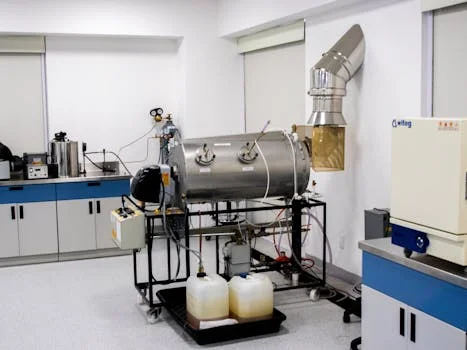
Achieving cost-optimized industrial wastewater treatment in the Northern Territory requires a holistic approach that balances capital expenditure (CAPEX), operational expenditure (OPEX), and lifecycle costs, while ensuring compliance and reliability. For remote NT sites, CAPEX can be significantly influenced by transportation costs for equipment and materials, and the need for robust, pre-fabricated, or skid-mounted systems that can be quickly installed with minimal on-site construction. For example, selecting a compact MBBR system like the WSZ series can reduce foundation requirements and installation time, thereby lowering CAPEX. OPEX is dominated by energy consumption, chemical costs, labor, and maintenance. Energy efficiency is paramount; specifying variable frequency drives (VFDs) for pumps and blowers, optimizing aeration strategies in biological reactors, and utilizing gravity flow where possible can significantly reduce electricity bills. Chemical costs for DAF (coagulants, flocculants) or pH adjustment need careful management through precise dosing and exploring bulk purchasing options or alternative, more cost-effective chemicals where performance is not compromised. Labor costs in remote areas can be high, making highly automated systems with remote monitoring capabilities essential to reduce the need for frequent on-site operator presence. For instance, PLC-controlled chemical dosing systems (like the automatic chemical dosing system) can maintain optimal dosages, minimizing chemical waste and operator intervention. Maintenance strategies should focus on preventative measures to avoid costly breakdowns; this includes regular equipment inspections, calibration of sensors, and scheduled servicing of pumps and blowers. The selection of durable materials and equipment with proven reliability in harsh environments, such as 316L stainless steel for tanks and piping in saline conditions, can reduce long-term maintenance and replacement costs. Lifecycle cost analysis, which considers all costs from acquisition to decommissioning, is crucial for making informed decisions. This analysis should also factor in the cost of potential non-compliance, including fines and reputational damage, underscoring the importance of investing in reliable and compliant treatment solutions from the outset. Furthermore, exploring opportunities for water reuse, such as using treated effluent from MBR systems for non-potable applications, can offset the cost of fresh water supply, which can be particularly expensive in remote NT locations.
Operational strategies for cost optimization in NT industrial wastewater treatment also involve intelligent system management and resource utilization. For industries generating variable wastewater volumes or compositions, implementing adaptive control strategies within the treatment system can significantly improve efficiency. For example, using sensors to monitor influent characteristics and automatically adjusting chemical dosing or aeration rates in real-time can prevent over-dosing and optimize biological process performance. Predictive maintenance, leveraging data from remote monitoring systems to anticipate potential equipment failures before they occur, can prevent costly unplanned downtime and emergency repairs, which are often more expensive in remote locations. Training local operators to perform routine maintenance and troubleshooting tasks can also reduce reliance on external technical support, thereby lowering labor costs. For industries with significant FOG or solids content, optimizing sludge dewatering and disposal can be a major cost-saving opportunity. Exploring options for beneficial reuse of sludge, if permitted and feasible, or investing in efficient dewatering technologies like screw presses or filter presses, can reduce disposal volumes and associated hauling costs. Energy recovery, where possible, such as using biogas generated from anaerobic digestion (if applicable to the specific waste stream) to power site operations, can further reduce OPEX. Regular performance reviews and benchmarking against similar industrial facilities can help identify areas for improvement and ensure that the treatment system is operating at peak efficiency. Collaboration with PWC and environmental regulators to understand any upcoming changes in regulations or opportunities for process optimization can also provide valuable insights for long-term cost management. The strategic selection of treatment technologies that are scalable and adaptable to future changes in production or regulatory requirements is also a key aspect of cost optimization, avoiding the need for costly system overhauls.
Related Equipment
- WSZ series underground MBBR systems for remote NT sites — view specifications, capacity range, and technical data
- DAF systems for high-FOG wastewater in NT food processing and mining — view specifications, capacity range, and technical data
- MBR systems for reuse-quality effluent in remote NT camps — view specifications, capacity range, and technical data
- PLC-controlled chemical dosing for remote NT wastewater treatment — view specifications, capacity range, and technical data
Need a customized solution? Request a free quote with your specific flow rate and pollutant parameters.
Further Reading
Explore these in-depth articles on related wastewater treatment topics: