Why France’s Food Processors Are Failing EU Wastewater Compliance in 2025
France’s food processing industry is facing a critical juncture in 2025, with the European Union's stringent wastewater discharge limits under Directive 91/271/EEC posing significant compliance challenges. The French Ministry of Ecological Transition's 2024 report highlighted over 1,200 environmental violations in 2023, a substantial 68% of which were related to wastewater management, leading to fines ranging from €50,000 to €150,000. High-organic loads characteristic of dairy, wineries, and meat processing operations demand tailored solutions, such as high-efficiency Dissolved Air Flotation (DAF) systems capable of achieving 95% TSS removal, or advanced MBR technology that can consistently deliver effluent COD levels below 50 mg/L. Failure to implement appropriate treatment strategies often stems from specific pollutant challenges: Bordeaux wineries, for example, have been fined as much as €80,000 for exceeding copper limits (<0.2 mg/L) due to insufficient pretreatment of grape pomace effluent. Dairy processors frequently struggle with phosphorus limits (<2 mg/L), often introduced by cleaning agents, necessitating chemical precipitation or biological nutrient removal (BNR). Similarly, meat processing plants often exceed BOD limits (<25 mg/L) by 300-500% without effective FOG removal, typically achieved through DAF technology.
EU and French Wastewater Standards: Discharge Limits, Monitoring Requirements, and Enforcement
Adherence to the EU Urban Waste Water Directive 91/271/EEC is paramount for French food processing facilities, setting foundational discharge limits for treated wastewater. These include a maximum Chemical Oxygen Demand (COD) of 125 mg/L, Biochemical Oxygen Demand (BOD) of 25 mg/L, and Total Suspended Solids (TSS) of 35 mg/L. For sensitive areas designated under the directive, limits for total nitrogen are set at 15 mg/L and total phosphorus at 2 mg/L. French national implementation often imposes additional, more specific local limits for industries, particularly concerning heavy metals like copper (<0.2 mg/L) and zinc (<2 mg/L), as well as fats, oils, and grease (FOG) (<20 mg/L) for food processing applications. Compliance mandates rigorous monitoring protocols, including continuous pH and flow logging, weekly composite sampling for COD, BOD, and TSS analysis, and quarterly testing for heavy metals, as stipulated by the French Decree 2024-321. Enforcement is carried out by regional authorities (DREAL), who conduct unannounced inspections. Violations can result in escalating fines, starting from €10,000 for a first offense and potentially reaching €150,000 for repeat or severe non-compliance.
| Parameter | EU Directive 91/271/EEC Limit | French Food Industry Specific Limits (Typical) | Monitoring Frequency (French Decree 2024-321) |
|---|---|---|---|
| COD | < 125 mg/L | Varies by permit | Weekly composite sampling |
| BOD | < 25 mg/L | Varies by permit | Weekly composite sampling |
| TSS | < 35 mg/L | Varies by permit | Weekly composite sampling |
| Total Nitrogen | < 15 mg/L (sensitive areas) | Varies by permit | Quarterly (if applicable) |
| Total Phosphorus | < 2 mg/L (sensitive areas) | Varies by permit | Quarterly (if applicable) |
| Copper (Cu) | N/A (general) | < 0.2 mg/L | Quarterly |
| Zinc (Zn) | N/A (general) | < 2 mg/L | Quarterly |
| FOG | N/A (general) | < 20 mg/L | Weekly composite sampling |
| pH | N/A (general) | 6.5 - 8.5 (typical range) | Continuous logging |
Engineering Specs for Food-Specific Wastewater: Pollutant Loads, pH Ranges, and Treatment Challenges
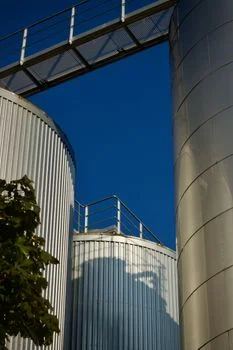
Understanding the unique characteristics of wastewater generated by different food processing sectors is crucial for designing effective treatment systems. Dairy operations typically exhibit high organic loads, with COD ranging from 1,500–4,000 mg/L and BOD from 800–2,500 mg/L, accompanied by significant FOG levels (200–800 mg/L). The pH can be highly variable, fluctuating between 4.5 and 11 due to the use of acidic and alkaline cleaning agents, and phosphorus concentrations can reach 10–50 mg/L. Winery effluents present a different challenge, with COD between 500–3,000 mg/L and BOD from 300–1,800 mg/L. A key concern in wineries is the presence of copper, ranging from 0.5–5 mg/L, often originating from fungicides, and a naturally low pH (3.5–5.5) due to organic acids. Meat processing plants generate some of the most challenging wastewater, characterized by very high COD (2,000–6,000 mg/L) and BOD (1,200–4,000 mg/L), substantial TSS (500–2,000 mg/L), and extremely high FOG levels (300–1,500 mg/L). These facilities also produce high nitrogen loads (100–300 mg/L), often from blood. Baked goods production, while generally less intense in FOG and nitrogen, still presents significant organic loads with COD of 1,000–3,000 mg/L and BOD of 600–2,000 mg/L, primarily from high carbohydrate content, requiring robust biological treatment. Effective pretreatment is essential for all these sectors; for instance, dedicated grease traps and screening are vital for meat processing, while pH adjustment is critical for winery wastewater prior to biological treatment.
| Food Sector | Typical COD (mg/L) | Typical BOD (mg/L) | Typical TSS (mg/L) | Typical FOG (mg/L) | Typical pH | Key Pollutants of Concern | Pretreatment Requirements |
|---|---|---|---|---|---|---|---|
| Dairy | 1,500–4,000 | 800–2,500 | 200–800 | 200–800 | 4.5–11 | Phosphorus, High Organic Load, FOG | Screening, pH adjustment, Grease traps |
| Winery | 500–3,000 | 300–1,800 | 100–500 | 50–200 | 3.5–5.5 | Copper, Low pH, Organic Acids | pH adjustment, Screening |
| Meat Processing | 2,000–6,000 | 1,200–4,000 | 500–2,000 | 300–1,500 | 6.0–8.5 | FOG, High Organic Load, TSS, Nitrogen | Grease traps, Screening, Solids removal |
| Baked Goods | 1,000–3,000 | 600–2,000 | 300–1,000 | 100–400 | 6.0–8.5 | High Carbohydrate Load, TSS | Screening, Grit removal |
For high-FOG and TSS streams common in meat processing, high-efficiency DAF systems offer a robust solution, effectively removing up to 95% of TSS and 80-90% of FOG. For facilities with space constraints or those aiming for water reuse, compact MBR systems are highly effective, achieving superior effluent quality with COD removal rates of 90-95%.
DAF vs. MBR vs. Constructed Wetlands: Side-by-Side Comparison for Food Processing Facilities
Selecting the optimal wastewater treatment technology requires a careful evaluation of capital expenditure (CAPEX), operational expenditure (OPEX), footprint, and pollutant removal efficiency. Dissolved Air Flotation (DAF) systems, typically costing between €80,000–€300,000 for flow rates of 10–100 m³/h, offer efficient removal of TSS (95%) and FOG (80-90%), with moderate COD reduction (60-70%). Their OPEX ranges from €0.15–€0.30/m³. DAF is particularly well-suited for high-FOG streams found in meat and dairy processing. Membrane Bioreactor (MBR) systems represent a higher investment, with CAPEX for 10–100 m³/h units ranging from €200,000–€800,000, and OPEX between €0.30–€0.60/m³. However, MBRs provide exceptional effluent quality, removing 99% of TSS and 90-95% of COD and BOD, making them ideal for space-constrained sites or when aiming for water reuse, such as in wineries or baked goods facilities. Constructed wetlands offer the lowest CAPEX, typically €50,000–€200,000 for 5–50 m³/h, and the lowest OPEX (€0.05–€0.15/m³), with COD and BOD removal rates of 70-85% and 60-80% respectively. They are best suited for smaller facilities with available land, such as artisanal bakeries or smaller agricultural operations. Energy consumption for DAF is generally lower than MBRs, while constructed wetlands have minimal energy requirements. Sludge production varies, with MBRs often generating less sludge per unit of pollutant removed compared to conventional activated sludge processes.
| Technology | Typical CAPEX (10-100 m³/h) | Typical OPEX (€/m³) | TSS Removal (%) | FOG Removal (%) | COD Removal (%) | BOD Removal (%) | Footprint | Best Suited For |
|---|---|---|---|---|---|---|---|---|
| DAF | €80K–€300K | €0.15–€0.30 | 95 | 80–90 | 60–70 | 50–60 | Medium | High FOG/TSS (Meat, Dairy) |
| MBR | €200K–€800K | €0.30–€0.60 | 99 | 90–95 | 90–95 | 95 | Small | Space-constrained, Water Reuse (Wineries, Baked Goods) |
| Constructed Wetlands | €50K–€200K (5-50 m³/h) | €0.05–€0.15 | 70–85 | N/A (low FOG) | 70–85 | 60–80 | Large | Small-scale, Land Available (e.g., cookie factories) |
The choice between these technologies is critical for optimizing both initial investment and long-term operational costs. For facilities requiring high FOG and TSS removal, DAF systems provide a proven and cost-effective solution. For advanced treatment and potential water reuse, MBR technology offers superior performance, albeit at a higher initial cost.
Step-by-Step Compliance Checklist: From Influent Analysis to Discharge Permitting
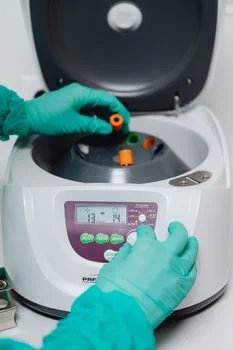
Achieving and maintaining compliance with 2025 EU wastewater standards requires a systematic approach. The first critical step is to thoroughly characterize your facility’s influent. This involves conducting 24-hour composite sampling over a minimum of three days per week for at least four consecutive weeks to capture process variability. Parameters to analyze include COD, BOD, TSS, FOG, pH, and any specific heavy metals relevant to your operations. Following characterization, compare your influent data against the EU and French national discharge limits detailed in the earlier section to precisely identify compliance gaps. For instance, if your influent COD is consistently 3,000 mg/L against a limit of 125 mg/L, the gap is significant and requires substantial treatment. Based on these identified gaps, select appropriate pretreatment technologies, such as a DAF system for FOG and TSS or an automatic chemical dosing system for phosphorus and pH adjustment, followed by secondary treatment like an MBR for COD and BOD reduction. The next phase involves designing a robust monitoring system, incorporating continuous pH and flow meters, automated samplers for key parameters, and a schedule for quarterly heavy metals testing. Finally, prepare and submit your permit application to the relevant DREAL authority, including detailed specifications of your chosen treatment system, a comprehensive monitoring plan, and an emergency response protocol. A downloadable template for influent characterization and permit application can be a valuable tool in this process.
Cost Optimization Strategies: Reducing CAPEX and OPEX for Food Wastewater Treatment
Procurement teams and facility engineers can significantly reduce overall costs associated with wastewater treatment through strategic planning and technology selection. Implementing modular wastewater treatment systems allows facilities to start with a capacity that meets current needs (e.g., 50 m³/h) and scale up as production grows, potentially reducing initial CAPEX by 30-40% compared to oversizing from the outset. Advanced automated chemical dosing systems, controlled by PLCs, can optimize the use of coagulants and flocculants by 20-30%, directly lowering OPEX. For sludge management, which can be a substantial cost, using plate and frame filter presses can reduce sludge volume by up to 70% compared to centrifuges, leading to significant savings on disposal costs, which in France typically range from €100–€200 per ton. Energy recovery opportunities exist for high-COD wastewaters, such as dairy processing, where anaerobic digestion can generate biogas to offset 40-60% of the treatment facility's energy consumption through combined heat and power (CHP) systems. water reuse strategies, particularly with high-quality effluent from MBR systems (COD ≤50 mg/L), can reduce freshwater intake and associated costs by €0.50–€1.00/m³, contributing to both environmental sustainability and economic efficiency. Comparing the long-term cost implications of different technologies, including the potential for water reuse and energy generation, is crucial for a data-driven investment decision.
| Strategy | CAPEX Impact | OPEX Impact | Typical Savings/Benefit | Applicable Technologies |
|---|---|---|---|---|
| Modular Systems | -30-40% initial CAPEX | N/A (Scalable) | Reduced upfront investment, flexibility | All (DAF, MBR, etc.) |
| Automated Chemical Dosing | N/A | -20-30% chemical use | Lower chemical costs | DAF, Phosphorus Removal systems |
| Advanced Sludge Dewatering (e.g., Filter Press) | N/A | -30-50% disposal costs | Reduced hauling and landfill fees | All (sludge generated) |
| Energy Recovery (Anaerobic Digestion) | High initial CAPEX | -40-60% energy costs | Biogas for heat/electricity, reduced grid reliance | High-COD streams (Dairy, some Meat) |
| Water Reuse (e.g., MBR effluent) | N/A (integrated with treatment) | -€0.50-€1.00/m³ freshwater cost | Reduced water purchase, lower discharge fees | MBR systems |
Strategic investments in technologies like plate and frame filter presses for sludge dewatering can yield substantial long-term savings. Similarly, the advanced effluent quality from MBR systems opens doors for water reuse, further optimizing operational expenditure.
Frequently Asked Questions
What are the primary challenges for French food processors in meeting 2025 EU wastewater standards?
The primary challenges include high organic loads (COD/BOD), significant FOG and TSS concentrations, fluctuating pH levels, and specific pollutant concerns like phosphorus in dairy wastewater and copper in winery effluent. Meeting stringent limits for COD (<125 mg/L), BOD (<25 mg/L), and TSS (<35 mg/L) requires advanced treatment beyond basic screening.
How does DAF technology address FOG and TSS in food processing wastewater?
Dissolved Air Flotation (DAF) systems work by introducing micro-bubbles into the wastewater, which attach to suspended solids and FOG particles, causing them to float to the surface for removal. This process is highly effective, typically achieving 95% TSS removal and 80-90% FOG removal, making it ideal for meat and dairy processing.
Can MBR systems be used for water reuse in food processing plants?
Yes, Membrane Bioreactor (MBR) systems produce a very high-quality effluent, often with COD levels below 50 mg/L, which can be further treated for reuse in applications such as cooling towers, irrigation, or certain process cleaning steps, significantly reducing freshwater demand.
What is the typical lifespan of a wastewater treatment system for a food processing plant?
The lifespan of a wastewater treatment system can vary significantly based on the technology, maintenance practices, and the aggressiveness of the wastewater. However, well-maintained DAF systems and MBR units can typically operate effectively for 15-25 years, while constructed wetlands can have a very long operational life if properly managed.
How can a facility ensure compliance with copper limits in winery wastewater?
Compliance with copper limits (<0.2 mg/L) in winery wastewater often requires dedicated pretreatment steps. This may involve chemical precipitation using agents like ferrous sulfate or lime to bind copper ions, followed by sedimentation or filtration, or specialized ion exchange resins for more targeted removal before the main biological treatment stage.