Why Industrial Wastewater Treatment Matters in Goa
Goa’s fragile coastal ecosystem is under immense pressure from over 180 industrial units and an influx of 10 million annual tourists, collectively generating approximately 280 MLD of wastewater (CPCB 2024). This volume, if left untreated, poses a direct threat to the state's unique biodiversity, groundwater reserves, and tourism-dependent economy. The Goa Pollution Control Board (GPCB) enforces stringent discharge limits under the Water (Prevention and Control of Pollution) Act, 1974, where non-compliance carries severe penalties, including heavy fines and potential plant closure.
Industrial clusters in Mormugao, Verna, and along the Zuari river face particularly intense scrutiny. This is a direct response to past environmental violations, especially from mining operations and pharmaceutical manufacturing, which have historically contributed to heavy metal contamination and organic pollutant loads in local water bodies. For any plant manager or consultant, implementing a robust treatment system is no longer optional; it is a fundamental operational requirement for legal and sustainable operation in the region. Proactive investment in treatment infrastructure also mitigates long-term financial risks associated with environmental damage and reputational harm.
Key Industries Driving Wastewater Challenges in Goa
The composition of industrial wastewater varies dramatically by sector. Understanding your sector's specific profile is the first step to selecting the right technology.
Mining & Mineral Processing: This sector generates wastewater characterized by extremely high Total Suspended Solids (TSS up to 2,000 mg/L), heavy metals like iron and manganese, and acidic leachate. Effective treatment requires robust neutralization systems for pH adjustment followed by a high-efficiency DAF system for FOG and TSS removal. For example, acid mine drainage often requires continuous pH monitoring and automated chemical dosing to neutralize acidity before metals can be precipitated out.
Tourism & Hospitality: Hotel and resort effluent contains high Biological Oxygen Demand (BOD 200–400 mg/L) and fats, oils, and grease (FOG) from kitchen and laundry operations. These organic loads are ideally treated with biological processes like Membrane Bioreactors (MBR) or Sequential Batch Reactors (SBR) to achieve strict discharge standards for safe disposal or reuse in landscaping. High seasonal variation in guest occupancy also requires systems that can handle fluctuating hydraulic loads efficiently.
Pharmaceutical & Chemical Units: Wastewater from these facilities often contains complex, recalcitrant organic compounds and highly variable pH. Treatment frequently necessitates advanced oxidation processes (AOP) or, for inland units, full Zero Liquid Discharge (ZLD) systems to eliminate any environmental release. The presence of active pharmaceutical ingredients (APIs) makes thorough treatment critical to prevent ecosystem disruption.
Food Processing: Facilities like fish canning, breweries, and fruit processing produce wastewater with very high Chemical Oxygen Demand (COD 1,500–5,000 mg/L) and suspended solids. A treatment train combining Dissolved Air Flotation (DAF) for solids removal and anaerobic digestion for energy recovery is often the most effective and sustainable solution. This approach can transform waste into biogas, providing a return on investment through reduced energy costs.
Wastewater Treatment Technologies for Goa’s Industrial Sector
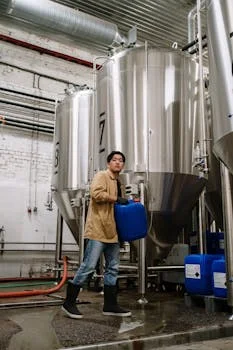
Dissolved Air Flotation (DAF): This physical-chemical process is highly effective for removing suspended solids, fats, oils, and grease. A well-designed DAF system can remove 92–97% of TSS and is ideal as a primary treatment step for meat processing, dairy, and metalworking effluents, with capacities ranging from 4–300 m³/h. Its compact design is a significant advantage for sites with limited space.
MBR Systems: Membrane Bioreactor technology combines biological treatment with membrane filtration, achieving exceptional effluent quality with BOD levels often below 10 mg/L. Its key advantage is a footprint up to 60% smaller than conventional plants, making a compact MBR system for high-quality effluent reuse perfectly suited for space-constrained resorts and pharmaceutical units. The high-quality effluent is ideal for non-potable reuse applications, reducing freshwater consumption.
ZLD Systems: Zero Liquid Discharge is a comprehensive treatment framework that combines reverse osmosis (RO), mechanical vapor recompression (MVR) evaporation, and crystallization to recover over 95% of wastewater as reusable water and solid waste. ZLD is often mandatory for high-pollution potential industries located in ecologically sensitive zones with no sewer access. Though energy-intensive, it eliminates discharge-related regulatory risks entirely.
Chemical Dosing Systems: Critical for primary treatment, especially for mining effluents with fluctuating acidity. Automated dosing of coagulants, flocculants, and pH adjustment chemicals ensures optimal performance of downstream processes like DAF and sedimentation. Precise control is key to minimizing chemical consumption and operating costs while maximizing treatment efficiency.
| Technology | Primary Function | Ideal For Goa Industries | Efficiency |
|---|---|---|---|
| Dissolved Air Flotation (DAF) | TSS & FOG Removal | Mining, Food Processing, Metalworking | 92-97% TSS removal |
| MBR (Membrane Bioreactor) | Biological Treatment & Clarification | Hotels, Resorts, Pharmaceuticals | BOD < 10 mg/L, 60% smaller footprint |
| ZLD (Zero Liquid Discharge) | Complete Water Recovery | Inland Mining, Chemicals, Pharma | >95% water recovery |
| Chemical Dosing & pH Control | Neutralization & Coagulation | Mining, Chemical Manufacturing | Stable pH (5.5-9.0) |
Treatment System Costs in Goa: CAPEX and OPEX Benchmarks
Budgeting for a wastewater treatment plant requires a clear understanding of both capital investment and ongoing operational expenses.Small ETP/STP (2–10 KLD): For clinics, small factories, or hostels. Systems typically use packaged DAF or MBR technology. CAPEX ranges from ₹1.8–5 lakh. These systems are often prefabricated for easy installation and commissioning.
Medium ETP/STP (50–200 KLD): For medium-sized hotels, pharmaceutical units, or food processing plants. Often employs automated MBR or SBR technology. CAPEX ranges from ₹15–40 lakh. This scale often justifies investment in energy-efficient components to reduce long-term OPEX.
Large ZLD Plant (500+ KLD): Mandatory for large mining or chemical operations. Includes advanced processes like MVR evaporators and sludge dewatering equipment. CAPEX is significant, ranging from ₹1.8–2.5 crore. The high cost is offset by eliminating discharge fees and potential fines.
Operational Expenditure (OPEX) covers energy consumption, chemicals (e.g., those used in a chlorine dioxide generator for disinfection), routine maintenance, and labor. The GPCB 2024 benchmark for integrated OPEX ranges from ₹8–15 per kiloliter (KLD) treated, depending on the complexity of the waste stream. Energy consumption typically represents 40-60% of the total OPEX for a biological treatment system.
| System Scale | Capacity (KLD) | Technology | Estimated CAPEX (₹) | Typical OPEX (₹/KLD) |
|---|---|---|---|---|
| Small Packaged Plant | 2 - 10 | Packaged DAF or MBR | 1.8 Lakh - 5 Lakh | 10 - 15 |
| Medium Plant | 50 - 200 | MBR, SBR, or Advanced Oxidation | 15 Lakh - 40 Lakh | 9 - 13 |
| Large ZLD Plant | 500+ | MVR + RO + Crystallization | 1.8 Cr - 2.5 Cr | 12 - 15 |
Compliance Requirements for Industrial Effluent in Goa
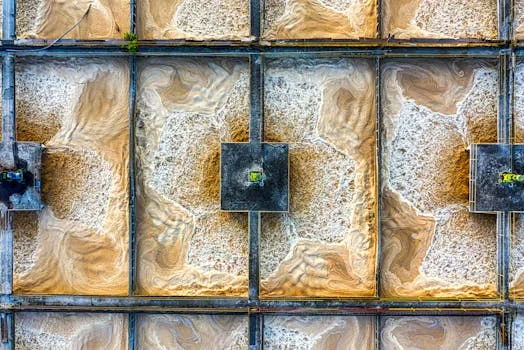
The core parameters for discharge into inland surface water are: Biological Oxygen Demand (BOD) ≤ 30 mg/L, Chemical Oxygen Demand (COD) ≤ 250 mg/L, Total Suspended Solids (TSS) ≤ 100 mg/L, and a pH between 5.5 and 9.0. Industries categorized as 'Red' or located in ecologically sensitive zones are often required to achieve Zero Discharge, meaning no effluent is released to the environment.
Online continuous monitoring systems for flow, pH, COD, and TSS are mandatory for units with a wastewater generation capacity exceeding 50 KLD. Data must be transmitted in real-time to the GPCB portal. Failure to obtain or renew a Consent to Operate (CTO) can result in penalties exceeding ₹10,000 per day and potential power disconnection. Regular internal audits and maintaining detailed treatment logs are best practices for demonstrating compliance during inspections.
Frequently Asked Questions
How much does it cost to treat industrial wastewater in Goa?
Capital costs for small packaged systems start around ₹1.8 lakh, while large, custom Zero Liquid Discharge (ZLD) plants can exceed ₹2.5 crore. Operational expenses typically range from ₹8–15 per kiloliter (KLD) treated, covering energy, chemicals, and maintenance. The final cost is highly specific to the waste stream's composition.
What are the major industries in Goa?
The top wastewater-generating sectors are mining and mineral processing, tourism and hospitality, pharmaceuticals, food processing (especially seafood), and shipbuilding/repair. Each presents a unique set of contaminants that require specialized treatment strategies.
What are the three types of industrial wastewater treatment?
Treatment is generally categorized into three stages: Primary (physical processes like screening and DAF for solid removal), Secondary (biological processes like MBR to break down organic matter), and Tertiary (advanced processes like RO, UV, or ZLD for polishing and disinfection). Many plants in Goa require all three stages to meet strict standards.
Where is Asia's largest wastewater treatment plant?
The title belongs to the 550 MLD Okhla plant in Delhi. Goa's largest sewage treatment plant is the 60 MLD facility located in Panaji. Industrial plants are typically much smaller but must handle more complex and concentrated waste streams.
Further Reading
Explore these in-depth articles on related wastewater treatment topics: