Hexavalent Chromium Wastewater Treatment by Chemical Precipitation: 2025 Engineering Specs, Costs & Zero-Risk Compliance Blueprint
Hexavalent chromium (Cr⁶⁺) wastewater treatment by chemical precipitation achieves 99%+ removal efficiency when optimized for pH (2–3), reagent dosage (e.g., FeSO₄:Cr⁶⁺ molar ratio of 16:1), and reaction time (3–6 hours). The process involves two critical steps: (1) reduction of Cr⁶⁺ to trivalent chromium (Cr³⁺) using ferrous sulfate, sodium metabisulfite, or zero-valent iron, and (2) precipitation of Cr³⁺ as chromium hydroxide (Cr(OH)₃) at pH 8–9. For electroplating wastewater with 50–500 mg/L Cr⁶⁺, ferrous sulfate is the most cost-effective reagent ($0.50/kg), while sodium metabisulfite ($2.00/kg) offers faster kinetics for high-flow systems. Compliance with EPA’s 0.1 mg/L Cr⁶⁺ discharge limit requires precise dosing control and real-time pH monitoring to avoid incomplete reduction or excessive sludge generation.
Why Hexavalent Chromium Wastewater Treatment Fails: A Real-World Compliance Crisis
Failure to maintain an effluent concentration below the 0.1 mg/L hexavalent chromium limit often results from a 15-20% deviation in reduction tank residence time or pH control fluctuations. Consider a mid-sized electroplating facility in the Midwest that faced a $250,000 EPA fine following a series of exceedances. Despite having a functional treatment system, the facility suffered from "short-circuiting" in their reduction tanks and a malfunctioning pH probe that allowed the reduction stage to drift to pH 4.5. At this level, the reduction of Cr⁶⁺ to Cr³⁺ slows exponentially, leading to toxic hexavalent chromium passing through the precipitation stage and into the local municipal sewer system.
Common failure points in industrial settings include incomplete reduction due to insufficient reagent contact time, pH drift during the precipitation phase, and the presence of chelating agents that prevent Cr³⁺ from forming stable hydroxides. many facilities overlook the impact of dissolved oxygen, which competitively oxidizes ferrous ions, effectively wasting 10-30% of the chemical dosage. To avoid these risks, a robust regional compliance strategy for chromium discharge limits must be implemented, centered on a two-step chemical precipitation process: acidified reduction followed by alkaline precipitation and solids separation.
The standard process flow begins with the equalization of the wastewater stream to stabilize concentration spikes. From there, the water enters a reduction tank where the pH is lowered and a reducing agent is added. Once the Cr⁶⁺ is converted to the less toxic Cr³⁺, the water moves to a neutralization/precipitation tank where the pH is raised. Finally, the resulting chromium hydroxide flocs are removed via sedimentation and dewatered, ensuring the final effluent meets stringent regulatory standards.
Step 1: Reducing Cr⁶⁺ to Cr³⁺—Chemistry, Reagents, and Engineering Parameters
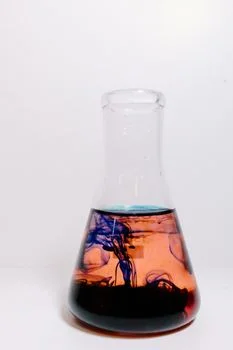
The reduction of hexavalent chromium (Cr⁶⁺) to trivalent chromium (Cr³⁺) requires a low-pH environment (pH 2.0–3.0) to facilitate the electron transfer from reducing agents like ferrous sulfate or sodium metabisulfite. In this acidic range, the hexavalent chromium exists primarily as the dichromate ion (Cr₂O₇²⁻) or chromate ion (HCrO₄⁻), both of which are highly reactive with electron donors. Using ferrous sulfate (FeSO₄), the reaction proceeds as follows: Cr₂O₇²⁻ + 6Fe²⁺ + 14H⁺ → 2Cr³⁺ + 6Fe³⁺ + 7H₂O. This reaction is highly dependent on stoichiometric excess; while the theoretical ratio is 3:1 (Fe:Cr), real-world applications require a molar ratio of 16:1 to account for side reactions and dissolved oxygen interference.
At a pH greater than 3.0, the competitive oxidation reaction of ferrous ions with dissolved oxygen becomes significant, consuming the reagent before it can reduce the chromium (per EPA technical guidelines). To maintain efficiency, PLC-controlled chemical dosing systems for precise Cr⁶⁺ reduction and pH adjustment are utilized to maintain an Oxidation-Reduction Potential (ORP) setpoint typically between -250 mV and -300 mV. research indicates that copper co-precipitation strategies for chromium wastewater can be effective; at pH 5.0, Cr⁶⁺ can form CuCrO₄ crystallites, allowing for approximately 50% co-removal with copper even before the primary reduction stage (Sun et al., PubMed).
| Reagent | Optimal pH | Molar Ratio (Reagent:Cr⁶⁺) | Reaction Time | Cost ($/kg) | Best Use Case |
|---|---|---|---|---|---|
| Ferrous Sulfate (FeSO₄) | 2.0–3.0 | 16:1 | 3–6 hours | $0.50 | High-concentration wastewater (>100 mg/L) |
| Sodium Metabisulfite (Na₂S₂O₅) | 2.0–3.0 | 3:1 | 1–2 hours | $2.00 | High-flow systems (>100 m³/h) |
| Zero-Valent Iron (ZVI) | 4.0–5.0 | 10:1 (mass ratio) | 3+ hours | $1.20 | Low-concentration / polishing (<50 mg/L) |
Engineering parameters must also account for reaction kinetics. Sodium metabisulfite is preferred for facilities with limited tankage because it reacts significantly faster than ferrous sulfate. However, it requires careful handling due to the potential release of sulfur dioxide gas if the pH drops too low. For smaller, batch-operated facilities, zero-valent iron (ZVI) provides a stable alternative, though it is limited by the transport process of Cr(VI) from the bulk liquid to the iron surface, necessitating vigorous mixing.
Step 2: Precipitating Cr³⁺ as Chromium Hydroxide—pH Control, Flocculation, and Sludge Management
Chromium hydroxide [Cr(OH)₃] reaches its minimum solubility point at a pH range of 8.0 to 9.0, where the residual concentration of Cr³⁺ in the supernatant can be reduced to less than 0.05 mg/L. Because chromium is amphoteric, increasing the pH beyond 9.5 will cause the precipitate to re-dissolve as chromite ions [Cr(OH)₄⁻], leading to compliance failure. Therefore, high-precision caustic (NaOH) dosing is required to stabilize the precipitation environment. This stage is often integrated with nickel wastewater treatment via chemical precipitation, as both metals exhibit similar hydroxide solubility curves.
Once the Cr(OH)₃ precipitate forms, the focus shifts to solids-liquid separation. Using lamella clarifiers for chromium hydroxide sedimentation and sludge thickening allows for a smaller footprint compared to traditional circular clarifiers. To enhance settling rates, anionic polyacrylamide (PAM) is typically dosed at 0.5–2.0 mg/L. Compared to aluminum sulfate (alum), PAM can reduce total sludge volume by 30–50% because it does not add significant inorganic mass to the waste stream. This is critical because chromium sludge is classified as hazardous waste (F006), carrying significant disposal costs.
Effective sludge management follows a four-step process:
- Sedimentation: Gravity settling of flocs in a clarifier.
- Thickening: Increasing solids content from 1% to approximately 5% in a dedicated tank.
- Dewatering: Utilizing high-efficiency filter presses for chromium hydroxide sludge dewatering to reach 20–30% solids.
- Disposal: Transport to a licensed hazardous waste landfill or stabilization facility.
Cost Breakdown: CAPEX, OPEX, and ROI for Chemical Precipitation Systems
The average capital expenditure (CAPEX) for a fully automated 50 m³/h chromium precipitation system ranges from $100,000 to $260,000, depending on the level of sensor integration and sludge dewatering capacity. This investment covers the primary reaction tanks, chemical storage and delivery modules, and the necessary solids separation equipment. While the initial cost may seem high, the automation of pH and ORP control significantly reduces the risk of expensive regulatory fines and production shutdowns.
| Component / Expense Category | Estimated CAPEX (50 m³/h System) | Estimated Annual OPEX |
|---|---|---|
| Chemical Dosing & Storage | $20,000 – $50,000 | $20,000 – $70,000 (Reagents) |
| pH & ORP Control Systems | $10,000 – $30,000 | $2,000 – $5,000 (Sensors/Cal) |
| Clarification (Lamella/Tank) | $15,000 – $40,000 | $3,000 – $8,000 (Maintenance) |
| Filter Press & Sludge Handling | $30,000 – $80,000 | $20,000 – $100,000 (Disposal) |
| Automation & PLC Integration | $25,000 – $60,000 | $5,000 – $15,000 (Support) |
| Total | $100,000 – $260,000 | $50,000 – $200,000 |
The Return on Investment (ROI) for upgrading an aging or manual system is typically realized within 18 to 24 months. For example, a facility facing a potential $250,000 fine for non-compliance could justify the entire CAPEX of a new system in a single year of avoided penalties. transitioning from manual dosing to an automated system often reduces chemical consumption by 15-25%, as it eliminates the "over-dosing" habit common among manual operators trying to ensure a safety margin (HydropureWater field data, 2025).
Reagent Showdown: Ferrous Sulfate vs. Sodium Metabisulfite vs. Zero-Valent Iron
Selecting between ferrous sulfate, sodium metabisulfite, and zero-valent iron (ZVI) depends primarily on the influent Cr⁶⁺ concentration, where ferrous sulfate remains the industry standard for concentrations exceeding 100 mg/L. Ferrous sulfate is prized for its low cost and the fact that the resulting Fe³⁺ ions act as a natural coagulant during the precipitation phase, often improving the clarity of the final effluent. However, the high iron-to-chromium ratio leads to significantly more sludge volume than sulfur-based reducers.
| Criteria | Ferrous Sulfate | Sodium Metabisulfite | Zero-Valent Iron |
|---|---|---|---|
| Cost ($/kg) | $0.50 | $2.00 | $1.20 |
| Reaction Time | 3–6 hours | 1–2 hours | 3+ hours |
| pH Range | 2.0–3.0 | 2.0–3.0 | 4.0–5.0 |
| Sludge Volume | High | Low | Medium |
| Best For | High-concentration | High-flow systems | Low-concentration / Polishing |
| Compliance Risk | Low | Low | Medium (pH drift sensitive) |
Decision Framework for Reagent Selection:
- If Cr⁶⁺ > 100 mg/L: Utilize Ferrous Sulfate. The cost savings on reagents outweigh the increased sludge disposal costs at high concentrations.
- If Flow Rate > 100 m³/h: Utilize Sodium Metabisulfite. The faster reaction kinetics allow for smaller tank footprints and lower CAPEX on civil works.
- If Cr⁶⁺ < 50 mg/L: Utilize Zero-Valent Iron. ZVI is excellent for polishing applications and can operate at a slightly higher pH, reducing acid consumption.
Troubleshooting Common Issues in Chromium Precipitation Systems
Incomplete reduction of hexavalent chromium is most frequently caused by the competitive oxidation of ferrous ions by dissolved oxygen when the reaction pH rises above 3.0. If the effluent Cr⁶⁺ exceeds 0.1 mg/L, operators should first verify the pH in the reduction tank. If the pH is correct, the next step is to increase the reagent dosage (e.g., FeSO₄:Cr⁶⁺ ratio) to 20:1. In systems with high turbulence, adding a nitrogen purge to the reduction tank can displace dissolved oxygen, significantly improving reagent efficiency.
Excessive sludge volume is another common operational headache. This is usually caused by overdosing flocculants or poor pH control in the precipitation tank. If the pH drops below 7.5 or rises above 10.0, the Cr(OH)₃ flocs can re-dissolve or fail to form properly, resulting in "pin-floc" that escapes the clarifier. Operators should optimize PAM dosage to the 0.5–2.0 mg/L range and ensure the pH is stabilized at 8.5 using an automated NaOH dosing loop.
Finally, pH drift during the precipitation stage can occur due to insufficient mixing or the absorption of CO₂ from the atmosphere. To fix this, ensure the precipitation tank has a high-torque mixer that provides at least 3-5 turnovers per hour. If the influent wastewater has low alkalinity, adding a buffer such as sodium bicarbonate can help stabilize the pH and prevent the rapid fluctuations that lead to metal breakthrough.
Compliance Checklist: Meeting EPA, EU, and Local Discharge Limits
The EPA’s 40 CFR 413 categorical standards mandate that electroplating facilities maintain hexavalent chromium discharge levels below 0.1 mg/L for any single day maximum. In the European Union, the Industrial Emissions Directive (2010/75/EU) often sets even stricter total chromium limits, sometimes as low as 0.5 mg/L for discharge into sensitive surface waters. Meeting these requirements requires not just a well-designed system, but rigorous monitoring and documentation protocols.
Essential Monitoring Requirements:
- Continuous pH Monitoring: Per EPA 40 CFR 136.3, pH must be monitored continuously at the discharge point.
- Weekly Cr⁶⁺ Testing: Use EPA Method 218.6 (Ion Chromatography) or 7196A (Colorimetric) to verify system performance.
- Quarterly Sludge Toxicity: Conduct Toxicity Characteristic Leaching Procedure (TCLP) testing to ensure proper hazardous waste classification.
- Data Retention: Maintain all records of reagent usage, pH logs, and effluent test results for a minimum of 3 years (EPA) or 5 years (EU).
"Compliance is not a one-time event but a continuous process of calibration and verification. A single failed sensor can result in years of legal and financial repercussions."
Frequently Asked Questions
Why is hexavalent chromium more difficult to treat than trivalent chromium?
Hexavalent chromium is highly soluble across nearly the entire pH scale, meaning it will not form a solid precipitate on its own. It must first be chemically reduced to trivalent chromium, which has a very low solubility at alkaline pH levels, allowing it to be removed as a solid hydroxide floc.
Can I use lime instead of sodium hydroxide for precipitation?
Yes, lime (calcium hydroxide) is often used as a cheaper alternative to sodium hydroxide. However, lime significantly increases sludge volume due to the formation of calcium sulfate (gypsum) and other solids. For most chromium applications, the increased disposal costs of the extra sludge outweigh the savings on the reagent.
How do chelating agents like EDTA affect the process?
Chelating agents bind to Cr³⁺ ions, forming stable, soluble complexes that refuse to precipitate at pH 8–9. If EDTA or other chelators are present, you may need to implement advanced oxidation (like Fenton’s reagent) to break the chelate bond before the precipitation stage can be effective.
What is the typical lifespan of a chromium precipitation system?
With proper maintenance of sensors and pumps, a well-built chemical precipitation system using high-quality materials (like FRP or lined steel tanks) can last 15–25 years. The primary wear items are pH/ORP probes, which should be replaced every 6–12 months, and filter press cloths, which require replacement every 1,000–2,000 cycles.