Copper wastewater chemical precipitation cost is dominated by two lines: CAPEX of $80,000–$150,000 for a 100 m³/day train treating 50 mg/L feed, and OPEX of $0.30–$0.80/m³. The process converts dissolved Cu²⁺ into insoluble hydroxides, sulfides, or carbonates, then separates the solids, typically reaching 95–99% removal at hydroxide pH 8.5–10.5. That operating band sits well below reverse osmosis at $0.03–$0.05/gal ($7.90–$13.20/m³). Sludge settleability (SVI often 80–120 mL/g for sulfide cake) and disposal at $200–$500/ton usually decide which precipitant to run.
How Copper Wastewater Treatment by Chemical Precipitation Works
Chemical precipitation converts dissolved copper into insoluble solids at controlled pH, typically removing 95–99% at hydroxide pH 8.5–10.5. A 100 m³/day train treating 50 mg/L copper often costs $80,000–$150,000 CAPEX and $0.30–$0.80/m³ OPEX. Sludge SVI, $200–$500/ton disposal, and permit limits set the chemistry.
Industrial copper wastewater often ranges from 2.5–10,000 mg/L. PCB manufacturing wastewater typically shows 50–500 mg/L copper, while metal plating operations can generate 100–2,000 mg/L before rinse dilution. ITRC's mining-waste technology overview likewise calls chemical precipitation a standard treatment technique used across the United States and around the world.
When engineers shortlist ways to preciptate copper in wastewater, three chemistries dominate plant design:
- Hydroxide Precipitation: Raise pH so Cu²⁺ forms Cu(OH)₂. The reaction is Cu²⁺ + 2OH⁻ → Cu(OH)₂↓. Copper hydroxide Ksp is 2.2 × 10⁻²⁰, so residual dissolved copper stays low inside the optimum pH window.
- Sulfide Precipitation: Dose sulfide to form CuS via Cu²⁺ + S²⁻ → CuS↓. Copper sulfide Ksp is 6.3 × 10⁻³⁶, which helps when complexing agents keep hydroxide residuals high.
- Carbonate Precipitation: Form CuCO₃ with Cu²⁺ + CO₃²⁻ → CuCO₃↓. Ksp is 1.4 × 10⁻¹⁰, so this route is less common when very low effluent copper is required.
Below pH 6, copper is mostly soluble Cu²⁺. Between pH 6 and 8 it shifts toward Cu(OH)⁺, then precipitates as Cu(OH)₂ above about pH 8.5. Above pH 11, soluble hydroxo-complexes such as Cu(OH)₃⁻ can redissolve copper, so pH control must stay tight.
PAC often neutralizes particle charge, and PAM bridges flocs for faster settling. For a side-by-side process shortlist beyond precipitation alone, see the Best Technology for Copper Removal in 2026 engineering comparison.
| Precipitation Method | Primary Reaction | Solubility Product (Ksp) | Typical pH Range |
|---|---|---|---|
| Hydroxide | Cu²⁺ + 2OH⁻ → Cu(OH)₂↓ | 2.2 × 10⁻²⁰ | 8.5–10.5 |
| Sulfide | Cu²⁺ + S²⁻ → CuS↓ | 6.3 × 10⁻³⁶ | 2–3 (for initial precipitation) |
| Carbonate | Cu²⁺ + CO₃²⁻ → CuCO₃↓ | 1.4 × 10⁻¹⁰ | 6.5–7.5 |
What pH Works for Copper Hydroxide Precipitation?
Copper hydroxide precipitation reaches 95–99% removal when operators hold pH at 8.5–10.5 with lime (Ca(OH)₂) or caustic soda (NaOH). Lime reagent cost is commonly quoted near $0.10–$0.20/kg in older EPA-linked summaries. Hydroxide sludge SVI often lands at 150–200 mL/g, so clarifiers and thickeners must be sized for higher volume than sulfide cake.
Sulfide trains often start the reaction near pH 2–3 and still reach 98–99.9% copper removal with Na₂S or NaHS at about $1.50–$2.50/kg. Copper sulfide SVI of 80–120 mL/g can cut sludge volume 30–50% versus hydroxide. ITRC's overview makes the same point from the waste side: benefits of sulfide precipitation include a reduction over hydroxide precipitation of the quantity of sludge generated.
Controlled double-jet precipitation (CDJP) can densify solids when seed CuO is dosed at 0.5–2 g/L, stirring runs 200–400 rpm, and reagent addition is 0.1–0.5 L/min. After precipitation, a plate-and-frame filter press for copper sludge dewatering can reach 30–40% solids, while centrifuges more often land at 15–25% solids. Dewatering energy commonly falls in the 0.5–1.2 kWh/m³ range of treated wastewater.
| Method | Optimal pH Range | Copper Removal Efficiency (%) | Sludge Volume Index (SVI) (mL/g) | Typical Chemical Cost ($/kg) | Disposal Class |
|---|---|---|---|---|---|
| Hydroxide | 8.5–10.5 | 95–99 | 150–200 | Lime: 0.10–0.20 | Hazardous (EPA D002) |
| Sulfide | 2–3 (initial) | 98–99.9 | 80–120 | Sodium Sulfide: 1.50–2.50 | Hazardous (EPA D002) |
| Carbonate | 6.5–7.5 | 90–97 | 180–250 | Sodium Carbonate: 0.25–0.40 | Potentially Hazardous |
Which Dosing Approach Cuts Chemical OPEX?
Chemical dosing cost is usually the largest controllable OPEX line on a precipitation plant in the United States, often $0.15–$0.40/m³ of the total $0.30–$0.80/m³. Overdose above about 10% stoichiometric excess, plus poor mixing, is the usual driver of waste reagent spend. Inline pH probes tied to an Automatic Chemical Dosing System keep lime, caustic, or sulfide near setpoint and cut that excess.
Reaction time under 30 minutes, wrong pH, or chelants such as EDTA leave residual copper high and force re-dosing. Extending detention, holding the method's pH window, and using a 10–20% stoichiometric excess only when jar tests justify it stabilizes effluent without burning chemicals. Plants comparing broader metal-removal layouts can also review https://hydropurewater.com/blog/4844-chemical-precipitation-for-copper-removal-2026-engineering-specs-cost-models-zero-risk-selection-guide.html on the heavy-metal process design page for adjacent unit operations.
Copper Hydroxide vs Sulfide OPEX per m3: The Real Trade-Off
Hydroxide chemistry usually delivers the lower copper wastewater chemical precipitation cost per cubic meter, landing near $0.30–$0.50/m³ when lime is cheap and sludge haul is moderate. Sulfide trains more often run $0.60–$0.80/m³ because Na₂S or NaHS costs $1.50–$2.50/kg against lime at $0.10–$0.20/kg. The gap narrows whenever disposal fees climb, since sulfide cake is denser and cheaper to haul.
Copper Sulfide Precipitation Sludge Volume Index: Why the Cake Settles Faster
Copper sulfide precipitation sludge volume index values typically measure 80–120 mL/g, versus 150–200 mL/g for hydroxide cake. The denser cake cuts sludge volume 30–50% under comparable copper load and shrinks the filter-press footprint. A Jiangsu plating plant in the source material switched from hydroxide to sulfide and dropped sludge volume from 250 m³/month to 120 m³/month, cutting total cost about 40%.
Copper Wastewater Chemical Precipitation Cost: CAPEX, OPEX, and Hidden Expenses
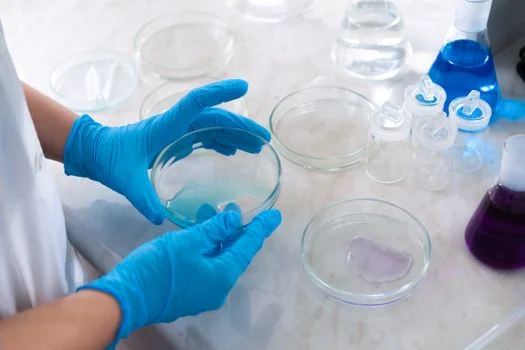
A typical 100 m³/day copper precipitation package carries CAPEX of $80,000–$150,000. Dosing tanks often take $15,000–$30,000, pH control $10,000–$20,000, and dewatering equipment $20,000–$40,000. OPEX of $0.30–$0.80/m³ is usually split between chemicals ($0.15–$0.40/m³) and sludge disposal ($0.10–$0.30/m³).
Hidden spend shows up in acid or alkali for pre-adjustment and final neutralization, mixer and pump power, and press maintenance. Reverse osmosis and deionization can run $0.03–$0.05/gal ($7.90–$13.20/m³) and are usually reserved for feeds already below about 50 mg/L copper. Membrane cleaning can add another $0.05–$0.10/m³, plus brine handling. For a wider project budget frame, use this comprehensive cost-analysis for industrial wastewater treatment projects.
| Treatment Method | Typical CAPEX ($) (100 m³/day) | Typical OPEX ($/m³) | Copper Removal Efficiency (%) | Footprint (m²) |
|---|---|---|---|---|
| Chemical Precipitation | 80,000–150,000 | 0.30–0.80 | 95–99.9 | 30–60 |
| Reverse Osmosis (RO) | 200,000–400,000 | 7.90–13.20 | 90–99 | 20–40 |
| Ion Exchange | 150,000–300,000 | 1.50–3.00 | 99–99.9 | 15–30 |
| Adsorption (e.g., activated carbon) | 50,000–100,000 | 0.50–1.50 | 80–95 | 25–50 |
Compliance and Regulatory Requirements for Copper Discharge
Metal finishing dischargers in the United States must meet categorical copper limits under 40 CFR Part 433. According to US EPA, the agency promulgated these guidelines in 1983, with technical amendments in 1984 and 1986, and the final rule is dated July 15, 1983. The current eCFR Part 433 BPT, BAT, and PSES tables set total copper at 3.38 mg/L maximum for any 1 day and 2.07 mg/L as a monthly average (40 CFR § 433.13). Local permits can still be tighter than the categorical floor.
Part 433 reaches far more than plating lines. US EPA counts about 44,000 facilities performing metal finishing operations and discharging process wastewater directly or indirectly through POTWs. If a plant performs any of six covered operations, discharges from the 46 operations listed in 40 CFR 433.10(a) fall under the Part 433 standards.
Certain job-shop electroplating processes instead belong to 40 CFR Part 413, so verify your category before mapping limits. The effluent tables also require pH within 6.0 to 9.0 (40 CFR § 433.13). And under 40 CFR § 433.13(c), no user may augment the use of process wastewater or otherwise dilute it as a substitute for adequate treatment — dilution is not compliance.
ISO 14001 programs expect documented sludge handling. In the EU, the Industrial Emissions Directive (2010/75/EU) is often summarized with a 0.5 mg/L copper surface-water figure and BAT preference for precipitation when influent copper exceeds about 50 mg/L. Spec sheets and selection notes for copper-only trains are also covered in chemical precipitation for copper removal engineering specs.
Older plant summaries label copper hydroxide sludge as hazardous under EPA D002. Under 40 CFR 261.24, copper itself is not a listed TCLP toxicity contaminant — the section's Table 1 maximum-concentration list names no copper entry. Hazardous status still depends on corrosivity, co-contaminants such as chromium or cadmium, and state rules (eCFR §261.24).
Disposal at RCRA-permitted outlets commonly costs $200–$500/ton when the waste fails characterization. One PCB plant case in the source material cut copper from 120 mg/L to 0.8 mg/L with sulfide precipitation and avoided an estimated $250,000/year in fines.
Troubleshooting Common Issues in Copper Precipitation Systems
Poor settleability, shown by SVI above 200 mL/g, usually traces to pH outside 8.5–10.5 on hydroxide trains, PAM below about 0.5–2 mg/L, or high influent organics. Bring pH back into range, raise flocculant within jar-test limits, or add PAC before polymer. High residual copper above the plant's permit trigger—historically discussed against a 1.3 mg/L benchmark—points to short reaction time under 30 minutes, wrong pH, or chelated copper.
Fix residual copper by extending detention, correcting pH, dosing a justified 10–20% excess precipitant, or oxidizing strong complexers upstream. Low thickener solids below about 1%, or filter-press cycles off the 150–200 psi target band, leave wet cake and raise haul cost. Retune polymer and press cycle time before buying more chemicals.
How to Choose the Right Copper Treatment Method for Your Facility
Influent copper sets the first gate. Below 50 mg/L, RO or ion exchange may polish to very low residuals. From 50–500 mg/L, chemical precipitation is usually the lowest-cost workhorse. Above 500 mg/L, two-stage precipitation or recovery hardware is often required before polishing.
Lower CAPEX budgets often favor hydroxide chemistry and simpler reagent handling. Sites that pay high disposal fees may accept higher sulfide reagent cost to cut sludge volume, as the SVI comparison above shows. Carbonate is sometimes screened when a less aggressive hazard profile is desired, but removal efficiency is lower.
| Treatment Method | Influent Concentration (mg/L) | Typical CAPEX ($) | Typical OPEX ($/m³) | Removal Efficiency (%) | Compliance Risk |
|---|---|---|---|---|---|
| Hydroxide Precipitation | 50–500 | Low-Medium | Low-Medium | 95–99 | Low |
| Sulfide Precipitation | 50–2000 | Medium | Medium-High | 98–99.9 | Very Low |
| Ion Exchange | <50 (polishing) | Medium-High | Medium | 99–99.99 | Very Low |
| Reverse Osmosis | <50 (polishing) | High | High | 90–99 | Very Low |
| Adsorption | <100 (polishing) | Low | Low-Medium | 80–95 | Medium |
Use this selection checklist before freezing the process design:
- Measure soluble versus total copper and chelant load.
- Map permit daily and monthly copper limits.
- Jar-test hydroxide versus sulfide settleability.
- Price reagent plus $200–$500/ton disposal.
- Confirm dewatering to 30–40% solids if using a filter press.
- Size reaction time at or above 30 minutes.
- Plan final pH neutralization before discharge.
Who this is for: plating, PCB, and machining plants with copper above about 50 mg/L that need categorical compliance without RO-level OPEX. Who should look elsewhere: sites already below 50 mg/L that only need polishing, or plants whose primary pollutant is not copper.
Next step: send flow, copper speciation, and permit limits with your inquiry. Where solids carryover persists after clarification, a DAF system for enhanced solid-liquid separation in copper wastewater treatment can tighten effluent TSS before polishing. Need a sized package? Request a free quote with flow rate and copper data.
Frequently Asked Questions

What is the optimal pH for copper hydroxide precipitation?
The optimal pH for copper hydroxide precipitation is 8.5–10.5. Below about pH 8, copper stays largely soluble as Cu²⁺ or Cu(OH)⁺. Above pH 11, soluble hydroxo-complexes such as Cu(OH)₃⁻ can raise residual copper again. Hold the window with lime or NaOH and verify with jar tests on your specific matrix.
How much does chemical precipitation cost per cubic meter?
Chemical precipitation OPEX typically ranges from $0.30–$0.80/m³ of treated wastewater. Hydroxide trains often land near $0.30–$0.50/m³ when lime is cheap and sludge haul is moderate. Sulfide trains more often fall in the $0.60–$0.80/m³ band because Na₂S or NaHS costs more per kilogram, even when sludge volume drops.
What is the sludge volume index for copper precipitation sludge?
Copper precipitation sludge SVI typically spans 80–200 mL/g depending on chemistry. Hydroxide cake often measures 150–200 mL/g and settles slowly. Sulfide cake more often measures 80–120 mL/g and can cut sludge volume 30–50% versus hydroxide under comparable copper load.
Can chemical precipitation meet EPA copper discharge limits?
Yes, properly designed precipitation can meet 40 CFR Part 433 copper limits for metal finishing. Earlier summaries often used 1.3 mg/L daily and 0.37 mg/L monthly as planning numbers. Current eCFR Part 433 tables list 3.38 mg/L maximum for any 1 day and 2.07 mg/L monthly average for total copper. Many plants still add ion exchange or adsorption when local permits are tighter.
What are the disposal costs for copper sludge?
Copper sludge disposal commonly costs $200–$500/ton when the cake must go to a RCRA-permitted outlet. Older tables label the stream EPA D002, but copper is not itself a TCLP toxicity contaminant under 40 CFR 261.24. Characterize each cake for corrosivity and co-metals before selecting the disposal class and transporter.
Does 40 CFR Part 433 limit discharge pH as well as copper?
Yes — the Part 433 effluent tables carry a pH row requiring values within 6.0 to 9.0 (40 CFR § 433.13). Copper precipitation trains must therefore include final neutralization after solids separation, since hydroxide trains run at pH 8.5–10.5. Size the neutralization tank and controller early in design, not as an afterthought.
Can I dilute copper wastewater to meet the daily maximum?
No. Under 40 CFR § 433.13(c), no user may augment the use of process wastewater or otherwise dilute it as a partial or total substitute for adequate treatment. Plants chasing the 3.38 mg/L daily maximum must remove copper, not thin it. Budget detention time and reagent control accordingly, and keep jar-test records that show real removal.
Why does sulfide precipitation cost more per cubic meter than hydroxide?
Sulfide precipitation costs more because Na₂S and NaHS run about $1.50–$2.50/kg versus lime at $0.10–$0.20/kg. Sulfide trains therefore land near $0.60–$0.80/m³ against $0.30–$0.50/m³ for hydroxide. The penalty buys 98–99.9% removal, SVI of 80–120 mL/g, and 30–50% less sludge volume, which pays back when disposal hits $200–$500/ton.