
Why Cincinnati’s Wastewater Treatment Costs Exceed National Averages
Cincinnati wastewater treatment plant costs range from $1.5M for small industrial systems (100,000 gpd) to $50M+ for municipal plants (5+ MGD), with local factors like MSDGC permitting ($200K–$2M) and labor rates (15% above U.S. average) adding 20–30% to national benchmarks. The Metropolitan Sewer District of Greater Cincinnati (MSDGC) enforces discharge limits—specifically BOD ≤10 mg/L, TSS ≤15 mg/L, and ammonia ≤1.5 mg/L—that are significantly more stringent than standard federal requirements, necessitates advanced tertiary treatment stages that increase capital expenditure (CAPEX) by 10–25% compared to baseline systems. According to the MSDGC 2025 Permit Guide, these limits are designed to protect the Ohio River watershed, but they require industrial buyers to invest in high-efficiency technologies like membrane bioreactors or advanced oxidation.
Labor rates for skilled trades in the Cincinnati-Middletown metropolitan area represent a significant cost premium for installation and maintenance. Ohio Bureau of Labor Statistics 2025 data indicates that licensed electricians and pipefitters in the region command $65–$85/hr, compared to the national average of $55–$75/hr. Land costs in Hamilton County, particularly for industrial-zoned parcels near the Mill Creek or Little Miami basins, range from $12–$25 per square foot. Site preparation for these projects often involves complex excavation; for instance, the Mill Creek project required an $8M investment in soil stabilization and excavation alone, adding nearly 10% to the total project budget before equipment was even installed.
Market volatility and international trade policies have also reshaped the local pricing landscape. The Mill Creek Wastewater Treatment Plant’s recent $33M cost overrun was driven largely by 10–25% tariffs on imported steel and specialized electrical components, alongside supply chain delays that extended construction timelines. To mitigate these risks, Cincinnati facility managers are increasingly turning to local sourcing strategies and bulk purchasing agreements for critical components. Understanding these localized cost drivers helps develop a realistic budget that avoids the pitfalls of generic national estimates.
| Cost Driver | Cincinnati Average (2026) | National Average | Budget Impact (%) |
|---|---|---|---|
| Skilled Labor (Licensed Trades) | $65 – $85 / hr | $55 – $75 / hr | +15% |
| Industrial Land (Hamilton County) | $12 – $25 / sq ft | $8 – $15 / sq ft | +20% |
| MSDGC Permitting & Fees | $50K – $500K+ | $40K – $200K | +25% |
| Electricity Rates (Industrial) | $0.12 – $0.15 / kWh | $0.08 – $0.11 / kWh | +10% |
Cincinnati Wastewater Treatment Plant Cost Breakdown: CAPEX, OPEX, and Technology-Specific Ranges
The cost breakdown for Cincinnati wastewater treatment plants varies by technology and scale.Technology selection is the primary determinant of both initial CAPEX and long-term OPEX for Cincinnati facilities, with MBR and DAF systems leading the market for compliance-heavy applications. Conventional activated sludge (CAS) systems remain a viable option for large-scale municipal applications with ample land, typically costing $12–$18 per gallon per day (gpd) for plants in the 1–5 MGD range. While CAS meets MSDGC secondary limits, it often requires additional tertiary polishing to meet the strict 2026 ammonia and phosphorus targets, which can add $2–$4/gpd to the baseline cost.
For industrial sites with limited footprints, MBR systems for tertiary treatment in Cincinnati’s tight footprint sites offer a 60% reduction in land requirements but come with a higher CAPEX of $22–$35/gpd. The operating expenses (OPEX) for MBR systems in Cincinnati are also higher, ranging from $600K to $1.2M annually for a 1 MGD facility, primarily due to membrane replacement cycles and higher energy consumption for aeration. However, the high-quality effluent produced by MBRs virtually guarantees compliance with MSDGC’s most stringent discharge permits, reducing the risk of daily fines.
Industrial pretreatment, particularly for Cincinnati’s robust food and beverage sector, often utilizes Cincinnati-compliant DAF systems for FOG and TSS removal. These systems cost between $8 and $15/gpd and are highly effective at reducing downstream BOD and TSS by 50–70%. When paired with sludge dewatering presses to reduce Cincinnati disposal costs, industrial operators can achieve a significant return on investment. Plate-and-frame filter presses, while costing between $50K and $300K, can reduce sludge volume by up to 40% compared to centrifuges, directly lowering the high disposal fees charged by local landfills and composting facilities.
| Technology Type | Capacity (GPD) | CAPEX ($/GPD) | OPEX ($/Year) | MSDGC Compliance Level |
|---|---|---|---|---|
| Conventional Activated Sludge | 1,000,000+ | $12 – $18 | $400K – $700K | Secondary (Requires Polishing) |
| MBR (Membrane Bioreactor) | 100,000 – 3M | $22 – $35 | $600K – $1.2M | Tertiary / Advanced |
| DAF (Pretreatment) | 50,000 – 1M | $8 – $15 | $150K – $300K | Pretreatment (FOG/TSS) |
| SBR (Sequencing Batch Reactor) | 250,000 – 2M | $15 – $22 | $350K – $600K | Secondary / Tertiary |
MSDGC Compliance: How Local Regulations Drive Costs and Technology Choices
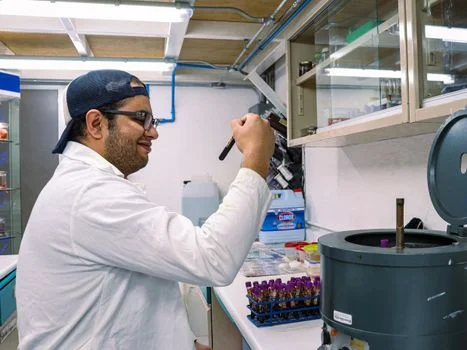
MSDGC 2025 Permit Guide regulations dictate the engineering specifications for every wastewater project within the Greater Cincinnati area, often requiring technology that exceeds Ohio EPA minimums. For industrial dischargers, specific categorical limits are non-negotiable. Metal finishing operations, for example, must maintain copper levels below 0.5 mg/L and zinc below 1.0 mg/L. Food processing facilities face strict limits on Fats, Oils, and Grease (FOG), typically capped at 100 mg/L. Failure to meet these limits results in surcharges or, in severe cases, MSDGC fines ranging from $10,000 to $50,000 per day. A high-profile 2024 enforcement action resulted in a $2.1M penalty for a local manufacturer due to persistent illegal discharges, underscoring the financial necessity of robust treatment infrastructure.
The permitting process itself is a major budget item and a timeline bottleneck. Obtaining an MSDGC Permit to Install (PTI) and a Discharge Permit typically takes 6 to 18 months and requires extensive documentation, including detailed engineering reports and pilot testing data. Permitting fees and associated engineering consultancies can cost between $50,000 and $500,000 depending on the complexity of the influent. For a detailed look at sector-specific requirements, facility managers should consult the Cincinnati hospital wastewater compliance guide, which outlines the specialized filtration needed for pharmaceutical and pathogen removal.
Strategic technology selection can drastically simplify the compliance path. A Cincinnati-based food processor recently reduced their permitting timeline and costs by 30% by implementing a DAF system specifically sized for their peak FOG loads. By demonstrating a consistent ability to stay below the 100 mg/L FOG threshold, they avoided the need for more complex downstream biological treatment. This approach highlights the importance of matching technology to specific MSDGC limits rather than over-engineering for generic standards. For those comparing pretreatment options, reviewing a DAF vs IAF cost comparison for Cincinnati industrial buyers can provide clarity on which system offers the best balance of CAPEX and compliance reliability.
Cincinnati vs. National Costs: Where Local Factors Add 20–30% to Your Budget
Cincinnati's unique market conditions drive up wastewater treatment costs.Quantifying the "Cincinnati Premium" is essential for accurate capital planning, as local labor, land, and utility costs consistently outpace national averages. Labor is the most volatile component; the $10–$20 per hour gap between Cincinnati skilled trades and the U.S. average translates to an additional $200,000 to $500,000 in installation costs for a typical 1 MGD project. This is compounded by the high demand for union labor in the region, which can lead to scheduling delays if not secured well in advance. While the Ohio-wide wastewater treatment cost guide provides a broader perspective, Cincinnati remains the most expensive market in the state due to its dense urban infrastructure and complex permitting environment.
Utility rates in Cincinnati also create a long-term OPEX burden. Industrial electricity rates of $0.12–$0.15/kWh are approximately 10% higher than the U.S. average. For energy-intensive processes like Membrane Bioreactors (MBR) or Reverse Osmosis (RO), these rates can add $50,000 to $100,000 in annual operating costs. MSDGC’s administrative and monitoring fees are 20–40% higher than those found in rural Ohio EPA jurisdictions. These fees fund the intensive sampling and laboratory analysis required to maintain the health of the Ohio River, but they must be factored into the 20-year lifecycle cost of any new facility.
| Expense Category | U.S. National Average | Cincinnati (Hamilton Co.) | Variance (%) |
|---|---|---|---|
| Construction Labor | $60/hr (Weighted) | $72/hr (Weighted) | +20% |
| Industrial Electricity | $0.10/kWh | $0.13/kWh | +30% |
| Land Acquisition | $12/sq ft | $18/sq ft | +50% |
| Annual Monitoring Fees | $15,000 | $22,000 | +46% |
Zero-Risk Budgeting Framework for Cincinnati Wastewater Projects
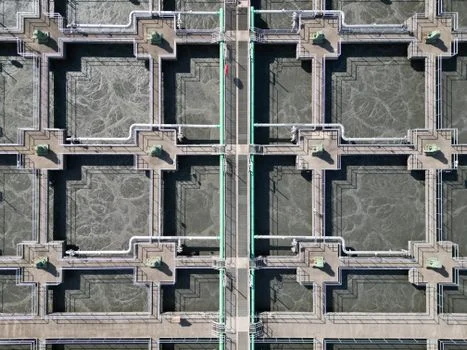
To navigate the complexities of the Cincinnati market, industrial buyers should adopt a five-step zero-risk budgeting framework. This process ensures that all local variables are accounted for before the first shovel hits the ground.
- Define Influent and Peak Flow: Accurate characterization of BOD, TSS, FOG, and metals is critical. In Cincinnati’s older industrial corridors, combined sewer systems often necessitate a 4:1 peak-to-average flow design rather than the standard 2:1. Sizing for these surges prevents system bypasses and MSDGC violations.
- Technology Alignment: Select technology based on the specific MSDGC discharge permit. If you are discharging to a sensitive tributary, MBR is often the only way to guarantee compliance. For pretreatment before entering the municipal sewer, a DAF system is usually the most cost-effective


