Sewage Treatment Equipment Suppliers in Melbourne: 2025 Engineering Specs, Compliance & Zero-Risk Selection Guide
Melbourne’s sewage treatment equipment market is governed by EPA Victoria’s strict discharge limits (BOD ≤ 20 mg/L, TN ≤ 10 mg/L) and the Western Treatment Plant’s nutrient removal targets (TP ≤ 1 mg/L). Suppliers must deliver systems that meet these standards while optimizing for space and energy. This guide provides Melbourne-specific engineering specs, compliance data, and a zero-risk supplier selection framework to eliminate audit failures and cost overruns.
Why Melbourne’s Sewage Treatment Equipment Market is Unique in 2025
The Environment Protection Act 2017 introduced the General Environmental Duty (GED), making "compliance" a proactive requirement to minimize risks to human health and the environment. As of 2025, EPA Victoria’s standard discharge limits for treated effluent are BOD ≤ 20 mg/L, TSS ≤ 30 mg/L, TN ≤ 10 mg/L, and TP ≤ 1 mg/L.
For facilities discharging into catchments feeding the Western Treatment Plant (WTP), the bar is even higher, with targets of TN ≤ 5 mg/L and TP ≤ 0.5 mg/L. These stringent nutrient removal standards necessitate advanced biological processes or chemical precipitation stages. Suppliers in the Melbourne market must demonstrate that their equipment can handle high-load fluctuations without breaching these specific nutrient ceilings.
Urban density complicates equipment selection, with approximately 70% of Melbourne’s industrial zones operating on sites with less than 100 m² available for wastewater infrastructure. This constraint has driven a shift toward compact, high-intensity technologies like MBR systems for nutrient removal (TN ≤ 5 mg/L, TP ≤ 0.5 mg/L) and WSZ underground systems for small municipal sites (BOD ≤ 20 mg/L, TSS ≤ 30 mg/L). Local serviceability is also a non-negotiable requirement, as EPA Victoria audits often require proof of maintenance and 24/7 emergency response capabilities.
Suppliers without a dedicated Melbourne-based technical team or a robust local spare parts inventory pose a significant risk to operational continuity. The cost of EPA fines and emergency tankering of sewage can exceed the original equipment CAPEX within days.
Melbourne Compliance Benchmark Table: How Top Systems Meet EPA Limits
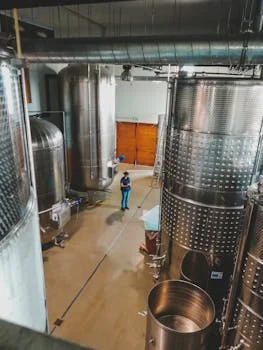
Different treatment technologies are compared against the 2025 compliance requirements for Melbourne industrial and municipal discharges in the following table.
| System Type | Effluent Quality (BOD/TSS/TN/TP) | Compliance Status (EPA Victoria & WTP) |
|---|---|---|
| Membrane Bioreactor (MBR) | BOD ≤ 5 mg/L, TSS ≤ 2 mg/L, TN ≤ 5 mg/L, TP ≤ 0.5 mg/L | Exceeds All Standards. Ideal for Western Treatment Plant NRP targets. |
| Dissolved Air Flotation (DAF) | TSS Removal 95%+, FOG Removal 98%+ | Compliance Dependent. Requires biological secondary treatment for BOD/TN compliance. |
| WSZ Underground Integrated | BOD ≤ 20 mg/L, TSS ≤ 30 mg/L, TN ≤ 15 mg/L | Standard Compliance. Meets general EPA limits; may require dosing for WTP TP limits. |
| Conventional Activated Sludge | BOD ≤ 20 mg/L, TSS ≤ 30 mg/L, TN ≤ 15 mg/L, TP ≤ 2 mg/L | Marginal. Often requires tertiary sand filtration + UV to meet TP ≤ 1 mg/L. |
MBR systems for nutrient removal provide the most robust compliance profile for Melbourne's strictest zones. For industries dealing with high fats, oils, and grease (FOG), DAF systems for high-efficiency TSS/FOG removal (95%+) are essential as a pre-treatment step.
For more detailed insights on pre-treatment efficiency, you can learn how DAF systems achieve 95%+ TSS removal and how they integrate with secondary biological stages.
MBR vs. DAF vs. Conventional: Which System Fits Your Melbourne Site?
Choosing between MBR, DAF, and conventional systems involves balancing influent characteristics, space availability, and long-term energy budgets, often dictated by the specific "Trade Waste" agreement with Melbourne Water or City Council.
Space Constraints and Footprint: MBR technology is the gold standard for space-constrained sites, achieving a much higher Mixed Liquor Suspended Solids (MLSS) concentration and significantly smaller bioreactor volume. For a typical 500 m³/day plant in Melbourne, an MBR system requires approximately 60% less footprint than a conventional plant.
Influent Type and Pre-treatment: For facilities with high FOG and TSS, DAF systems are the most efficient choice, using micro-bubbles to float solids to the surface for mechanical skimming. A Melbourne-based food processor recently reduced effluent TSS from 200 mg/L to under 10 mg/L by switching to a DAF system.
Energy and Operational Efficiency: Energy consumption is a major OPEX driver in Melbourne. DAF systems are energy-efficient for solids removal, typically consuming 0.3–0.5 kWh/m³, while MBR systems have a higher energy demand (0.6–0.8 kWh/m³) due to air scouring.
Application Specifics: For small-scale municipal developments, WSZ underground systems offer a "set and forget" solution, ideal for Melbourne’s suburban growth corridors.
CAPEX/OPEX Breakdown: Sewage Treatment Equipment Costs in Melbourne (2025)
Financial evaluation of sewage treatment equipment must account for both CAPEX and 20-year OPEX. In Melbourne, high labor costs and strict disposal regulations for sludge make OPEX a critical factor.
| System Type | CAPEX (AUD/m³/day) | OPEX (AUD/m³) | Payback Period (Years) |
|---|---|---|---|
| MBR System | $3,500 – $5,000 | $0.40 – $0.60 | 4 – 6 |
| DAF System | $1,200 – $2,500 | $0.20 – $0.35 | 2 – 4 |
| WSZ Underground | $2,000 – $3,500 | $0.25 – $0.40 | 5 – 7 |
| Conventional System | $2,500 – $4,000 | $0.35 – $0.55 | 6 – 8 |
CAPEX Considerations: The initial investment for MBR systems is higher due to the cost of high-quality PVDF membranes and advanced control automation.
OPEX Drivers in Melbourne:
- Labor: Melbourne service rates range from $80 to $120 per hour. Systems like WSZ underground are designed for minimal operator intervention.
- Energy: A 0.2 kWh/m³ difference in efficiency can result in thousands of dollars in annual savings for high-volume plants.
- Membrane Replacement: For MBR systems, membranes typically last 5–7 years. Suppliers should provide a guaranteed replacement cost.
- Sludge Disposal: Efficient thickening and dewatering can reduce sludge volume by 70%, cutting transport costs.
Zero-Risk Supplier Selection Checklist for Melbourne Buyers
Procurement teams should use the following framework when evaluating sewage treatment equipment suppliers in Melbourne.
- Compliance Validation: Verify that the supplier’s systems consistently meet TN ≤ 5 mg/L if you are in a sensitive catchment.
- Local Service Network: Confirm the physical location of the supplier’s technical team and locally stocked critical spares.
- Lead Time Reality Check: Standard lead times in 2025 are 12–16 weeks for MBR systems, 8–12 weeks for DAF systems, and 6–10 weeks for WSZ underground plants.
- After-Sales Support & Warranty: Ensure a minimum 2-year warranty on mechanical components and a 5-year pro-rata warranty on membranes.
- Melbourne Project History: Request case studies related to the Western Treatment Plant’s nutrient removal targets.
"The risk of selecting the wrong supplier isn't just the cost of the machine; it's the cost of the EPA fine, the cost of the production shutdown, and the cost of the environmental remediation. In Melbourne, the GED means you are responsible for the system's performance from day one." — HydropureWater Engineering Field Report, 2025.
Frequently Asked Questions
Q: What are EPA Victoria’s 2025 discharge limits for industrial sewage?
A: The standard limits are BOD ≤ 20 mg/L, TSS ≤ 30 mg/L, TN ≤ 10 mg/L, and TP ≤ 1 mg/L, with stricter limits applying depending on the local catchment.
Q: How much does a DAF system cost for a 50 m³/day food processing plant in Melbourne?
A: The CAPEX typically ranges from $60,000 to $125,000 AUD, with OPEX between $0.20 and $0.35/m³.
Q: Can MBR systems meet Western Treatment Plant’s TN ≤ 5 mg/L target?
A: Yes, MBR systems for nutrient removal consistently achieve TN ≤ 5 mg/L and TP ≤ 0.5 mg/L.
Q: What’s the lead time for sewage treatment equipment in Melbourne?
A: Current market lead times are 12–16 weeks for MBR systems, 8–12 weeks for DAF units, and 6–10 weeks for WSZ underground plants.
Q: Do I need tertiary treatment to meet Melbourne’s EPA limits?
A: Conventional activated sludge systems often require tertiary treatment to meet TP ≤ 1 mg/L, while MBR systems integrate this level of filtration into the primary process.