Balochistan’s water crisis and strict NEQS discharge standards demand sewage treatment equipment capable of handling high salinity, industrial contaminants, and arid conditions. Top suppliers in Pakistan offer systems with 92-97% TSS removal (EPA 2024 benchmarks) and modular designs suitable for remote sites. This guide provides engineering specifications, cost data (CAPEX: $50K–$2M), and a compliance checklist to help procurement managers and engineers evaluate sewage treatment equipment suppliers in Balochistan, Pakistan, for municipal and industrial projects in Quetta, Gwadar, and Hub.
Balochistan’s Sewage Treatment Challenges: Why Standard Equipment Fails
Standard sewage treatment equipment often fails in Balochistan due to the region's unique and harsh environmental conditions, leading to inefficient operations and regulatory non-compliance. Groundwater in many parts of Balochistan, including Quetta and Gwadar, features total dissolved solids (TDS) exceeding 1,500 mg/L, which severely corrodes conventional carbon steel equipment. To counteract this, systems must incorporate corrosion-resistant materials such as 316L stainless steel or Fiberglass Reinforced Polymer (FRP), which typically incur a 15–20% higher Capital Expenditure (CAPEX) but ensure long-term operational integrity.
The prevalence of industrial waste, particularly from Hub’s burgeoning petrochemical and textile clusters, necessitates specialized treatment systems capable of achieving greater than 95% Chemical Oxygen Demand (COD) removal. National Environmental Quality Standards (NEQS) in Pakistan mandate strict discharge limits for industrial effluents, including oil and grease at 10 mg/L and heavy metals like chromium at 0.1 mg/L. Generic municipal systems are often ill-equipped to handle such complex industrial contaminants, requiring advanced secondary and tertiary processes.
Balochistan’s acute water scarcity demands that treated effluent be suitable for reuse, often requiring turbidity levels below 1 NTU. Achieving this water purification systems for reuse applications typically involves advanced technologies like Membrane Bioreactor (MBR) systems or tertiary filtration, which come with energy trade-offs, consuming approximately 0.8–1.2 kWh/m³ of treated water. For remote locations such as Gwadar Port and scattered industrial facilities, modular and low-maintenance systems are critical. Leading wastewater treatment suppliers in Pakistan offer containerized or skid-mounted units, often backed by service level agreements (SLAs) promising a <24-hour response time for critical issues, ensuring operational continuity in isolated areas.
How to Choose a Sewage Treatment Equipment Supplier in Balochistan: 5 Non-Negotiable Criteria
Selecting the right sewage treatment equipment supplier in Balochistan is crucial for ensuring regulatory compliance, operational efficiency, and long-term cost-effectiveness. A comprehensive evaluation framework extends beyond initial purchase price to encompass technical suitability, local expertise, and robust support systems. Procurement managers and municipal engineers must prioritize suppliers who demonstrate a deep understanding of the region’s specific challenges.
Firstly, suppliers must possess extensive local compliance expertise, specifically demonstrating knowledge of NEQS and Balochistan EPA standards. Buyers should verify this by requesting documentation of past project approvals in areas like Quetta or Hub and inquiring about the supplier's experience navigating the local environmental regulatory framework. This ensures that the proposed solution will meet all necessary discharge limits and permitting requirements, mitigating risks of fines or operational shutdowns.
Secondly, customization for local water conditions is non-negotiable. Given Balochistan's high TDS levels and diverse industrial waste streams, equipment must be specifically designed to handle these parameters. Buyers should request detailed specifications, such as the type of membrane material used for Reverse Osmosis (RO) systems to resist fouling from high salinity, or the precise chemical dosing for pH adjustment systems to neutralize industrial effluents. Generic, off-the-shelf solutions are unlikely to perform optimally.
Thirdly, robust after-sales support is paramount, especially for remote locations. Suppliers must offer comprehensive on-site training for facility operators and maintain a readily accessible inventory of spare parts. It is advisable to choose wastewater treatment suppliers Pakistan with established service centers in major cities like Karachi or Lahore, capable of guaranteeing a 48-hour response time for technical support and urgent repairs. This minimizes downtime and ensures the system operates continuously.
Fourthly, a proven track record is essential. Request detailed case studies from suppliers that highlight their experience with similar climates and wastewater compositions, ideally from arid regions or the Middle East. Assess these case studies by scrutinizing effluent quality reports, operational data, and client references to gauge the supplier's actual performance and reliability. A history of successful projects provides confidence in their capabilities.
Finally, cost transparency is critical for effective budgeting. Suppliers should provide itemized quotes that clearly break down both Capital Expenditure (CAPEX) and Operational Expenditure (OPEX). Buyers should be vigilant for red flags such as hidden installation costs, proprietary consumables that lock facilities into expensive long-term contracts, or vague pricing structures that obscure the true total cost of ownership.
| Evaluation Criteria | Key Questions to Ask Suppliers | Verification Method |
|---|---|---|
| Local Compliance Expertise | What is your experience with NEQS and Balochistan EPA approvals? Can you provide references for projects approved in Quetta or Hub? | Request copies of past project environmental approvals, client references, and third-party compliance audit reports. |
| Customization for Local Water | How do you design systems for high-salinity water (TDS >1,500 mg/L) and specific industrial wastes (e.g., petrochemical, textile)? | Review detailed engineering proposals, material specifications (e.g., 316L SS, FRP), and process flow diagrams tailored to your specific influent. |
| After-Sales Support | What is your guaranteed response time for technical issues in remote Balochistan sites? Do you provide on-site training and local spare parts inventory? | Inquire about service center locations, review service level agreements (SLAs), and check availability of local technicians and parts. |
| Proven Track Record | Can you share case studies for projects in arid regions or with similar industrial wastewater profiles? What are the long-term effluent quality reports from these sites? | Examine project references, request performance data (e.g., COD/TSS removal rates), and contact past clients for testimonials. |
| Cost Transparency | Please provide a fully itemized CAPEX and OPEX breakdown, including installation, permits, and consumables. Are there any proprietary components? | Compare multiple quotes, scrutinize all line items, and understand the total cost of ownership over a 5-10 year period. |
Equipment Specs for Balochistan’s Water Challenges: What to Look For
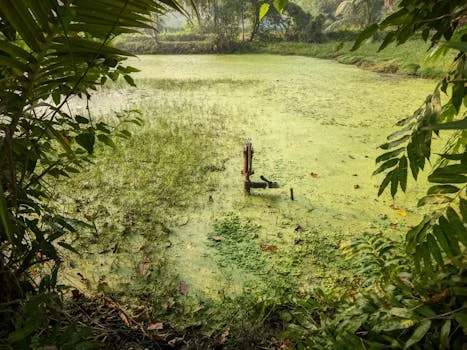
Selecting sewage treatment equipment with specific engineering specifications is paramount for effectively managing Balochistan’s unique water challenges, ensuring optimal performance and compliance. Each stage of treatment requires tailored technology to address high solids, salinity, and industrial contaminants.
For primary treatment, rotary screens, such as the GX Series, are essential for handling the high solids content often found in municipal and industrial wastewater. These screens achieve greater than 90% TSS removal, with rake spacing typically ranging from 3–10 mm and flow rates from 50–500 m³/h, preventing downstream equipment from fouling.
Secondary treatment in Balochistan often necessitates advanced systems like MBR systems for reuse-quality effluent in high-salinity water, which are critical for achieving reuse-quality effluent with turbidity consistently below 1 NTU. When evaluating MBRs, compare membrane materials like PVDF versus PTFE; while both offer excellent filtration, PTFE generally boasts a longer lifespan (5–8 years) and superior chemical resistance, albeit with slightly higher initial costs. Energy consumption for MBR systems typically ranges from 0.8–1.2 kWh/m³, a vital consideration for OPEX.
Tertiary treatment, particularly Reverse Osmosis (RO), is indispensable for treating high-TDS water to meet stringent reuse or discharge standards. RO systems can achieve water recovery rates of 70–90%, but their efficiency heavily relies on effective pre-treatment. Critical pre-treatment requirements include a Silt Density Index (SDI) below 3 and turbidity less than 0.5 NTU to protect the delicate RO membranes from fouling and premature failure. This often involves ultrafiltration or multi-media filtration preceding the RO unit.
Effective sludge management is another key component. Plate-and-frame filter presses are highly effective for dewatering sludge, achieving dry solids content of 20–30%. Typical cycle times range from 2–4 hours, and chemical conditioning, usually with polymer dosing at 2–5 kg/ton of dry solids, is essential to optimize dewatering efficiency and reduce sludge volume for disposal.
For disinfection, especially when dealing with hospital or industrial waste streams, on-site ClO₂ generators for hospital and industrial wastewater are highly effective, achieving a 99% kill rate for bacteria and viruses. Buyers should compare chemical generation methods (requiring chemical precursors) with electrolytic methods (using salt and electricity), noting CAPEX ranges from $10K–$50K depending on capacity and technology chosen. Chlorine dioxide offers advantages over chlorine in areas with high organic loads and does not form harmful disinfection byproducts.
| Treatment Stage | Equipment Type | Key Specification / Performance Metric | Balochistan-Specific Application |
|---|---|---|---|
| Primary Treatment | Rotary Screens (e.g., GX Series) | TSS Removal: >90% Rake Spacing: 3–10 mm Flow Rates: 50–500 m³/h |
Handles high solids from municipal and industrial influent, preventing downstream fouling. |
| Secondary Treatment | MBR Systems | Effluent Turbidity: <1 NTU Membrane Lifespan: 5–8 years (PVDF/PTFE) Energy Consumption: 0.8–1.2 kWh/m³ |
Produces reuse-quality effluent in water-scarce regions, effective for high BOD/COD. |
| Tertiary Treatment | Reverse Osmosis (RO) | Water Recovery: 70–90% Pre-treatment: SDI <3, Turbidity <0.5 NTU |
Essential for high-TDS water treatment for potable or industrial reuse. |
| Sludge Management | Plate-and-Frame Filter Presses | Dry Solids Content: 20–30% Cycle Time: 2–4 hours Polymer Dosing: 2–5 kg/ton |
Efficient dewatering reduces sludge volume and disposal costs, critical for remote sites. |
| Disinfection | Chlorine Dioxide (ClO₂) Generators | Kill Rate: 99% (bacteria/viruses) CAPEX: $10K–$50K (chemical vs. electrolytic) |
Effective for hospital/industrial waste, avoids harmful byproducts, suitable for diverse effluents. |
Cost Breakdown: Sewage Treatment Equipment in Balochistan (2025 Data)
Understanding the comprehensive cost breakdown of sewage treatment equipment in Balochistan is essential for accurate budgeting and demonstrating a positive Return on Investment (ROI). Capital Expenditure (CAPEX) for wastewater treatment plant cost and ROI calculations varies significantly based on scale and complexity. Municipal systems designed for 500–5,000 m³/day typically range from $500K–$2M, while industrial systems for 50–500 m³/day generally fall between $100K–$1M. Factors influencing these costs include the material grade (e.g., 316L SS for high salinity), the level of automation, and the sophistication of treatment processes required to meet specific discharge or reuse standards.
Operational Expenditure (OPEX) is a critical ongoing cost that can account for a significant portion of the total lifecycle cost. Energy consumption typically represents 40–60% of total OPEX, driven by aeration, pumping, and membrane filtration. Chemicals, including coagulants, flocculants, and disinfectants, account for 20–30%, while labor for operations and maintenance makes up 10–20%. To reduce OPEX, facilities can explore strategies such as integrating solar-powered aeration systems, implementing bulk chemical purchasing agreements, and optimizing process controls to minimize energy and chemical usage.
Beyond the initial equipment purchase, several hidden costs can impact the overall project budget. Installation costs typically range from 10–15% of CAPEX, covering civil works, piping, and electrical integration. Permits and regulatory approvals from the Balochistan EPA can add 5–10%, encompassing Environmental Impact Assessments (EIAs) and various application fees. Training for facility operators and maintenance staff, crucial for long-term system performance, usually accounts for 2–5% of CAPEX. When engaging with wastewater treatment suppliers Pakistan, always ask direct questions like, "Is the full installation included in your quote?" and "What are the estimated annual costs for proprietary consumables?"
Calculating the Return on Investment (ROI) for a sewage treatment project in Balochistan often reveals a payback period of 3–7 years, driven by significant savings from water reuse and avoided regulatory fines. Water reuse can generate savings of $0.50–$2.00/m³, reducing reliance on expensive fresh water sources. Additionally, avoiding fines for non-compliance, which can range from $10K–$100K per year from the Balochistan EPA, contributes substantially to the ROI. A simple ROI formula is: Annual savings (from water reuse + avoided fines) / (CAPEX + annual OPEX), which provides a clear metric for financial viability.
| Cost Category | Typical Range in Balochistan (2025) | Key Factors Affecting Cost | Cost Reduction Strategies |
|---|---|---|---|
| CAPEX (Capital Expenditure) | Municipal: $500K–$2M (500–5,000 m³/day) Industrial: $100K–$1M (50–500 m³/day) |
System capacity, material grade (316L SS, FRP), automation level, complexity of treatment. | Modular designs, phased implementation, standardized components, local fabrication where possible. |
| OPEX (Operational Expenditure) | Energy: 40–60% of total OPEX Chemicals: 20–30% Labor: 10–20% |
Energy efficiency of pumps/blowers, chemical dosage rates, automation level, local labor costs. | Solar-powered aeration, VFDs, bulk chemical purchases, process optimization, operator training. |
| Hidden Costs | Installation: 10–15% of CAPEX Permits: 5–10% of CAPEX Training: 2–5% of CAPEX |
Site specific conditions, regulatory fees, complexity of system, supplier's training package. | Detailed quotes, early engagement with regulatory bodies, comprehensive supplier contracts. |
| ROI Payback Period | 3–7 years | Water reuse savings ($0.50–$2.00/m³), avoided fines ($10K–$100K/year). | Maximize water reuse, ensure consistent compliance, optimize OPEX. |
Compliance Checklist: NEQS and Balochistan EPA Standards for Sewage Treatment
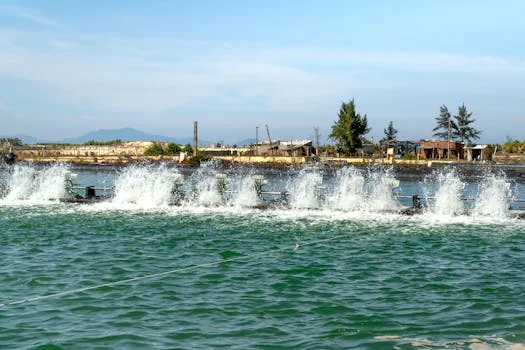
Ensuring strict adherence to NEQS and Balochistan EPA standards is paramount for any sewage treatment project in the region, preventing legal repercussions and operational disruptions. The National Environmental Quality Standards (NEQS) set specific discharge limits for municipal and industrial wastewater. For municipal sewage, key parameters include Biochemical Oxygen Demand (BOD) at 80 mg/L and Total Suspended Solids (TSS) at 150 mg/L. Industrial effluents face even stricter limits, such as oil and grease at 10 mg/L and heavy metals like chromium at 0.1 mg/L. Compliance should be verified through regular third-party laboratory reports and internal monitoring data.
The permitting process for sewage treatment projects in Balochistan involves several critical steps to obtain Balochistan EPA approval. This typically includes submitting an Environmental Impact Assessment (EIA) for larger projects, followed by multiple site inspections by environmental authorities. Required documents include detailed system design specifications, effluent testing protocols, emergency response plans, and waste management strategies. Early engagement with the Balochistan EPA is crucial to navigate this process efficiently.
Continuous monitoring requirements are often mandated to ensure ongoing compliance. This includes real-time measurement of parameters such as pH, TSS, and flow rates. Facilities must equip themselves with reliable online sensors, data loggers, and automatic samplers to accurately record discharge quality. Regular calibration and maintenance of these monitoring devices are essential to provide credible data to regulatory bodies.
Penalties for non-compliance with NEQS and Balochistan EPA standards can be severe, ranging from fines of $1K–$50K to complete operational shutdowns. For instance, several textile factories in Hub faced significant penalties and temporary closures in 2023 due to violations of industrial discharge limits. Such punitive measures highlight the financial and reputational risks of inadequate treatment.
A reputable sewage treatment equipment supplier in Balochistan, Pakistan should provide clear compliance guarantees. Buyers should ask suppliers specific questions such as, "Do you offer effluent testing services as part of your after-sales support?" or "Can you guarantee that your system design will meet all current NEQS and Balochistan EPA discharge limits for our specific wastewater profile?" A supplier's willingness to stand behind their system's compliance performance is a strong indicator of their expertise and reliability.
Frequently Asked Questions
Common concerns regarding sewage treatment equipment in Balochistan often revolve around regional challenges, costs, and regulatory adherence.
What are the key challenges for sewage treatment in Balochistan?
Balochistan presents unique challenges including high groundwater salinity (TDS >1,500 mg/L), prevalent industrial contaminants (e.g., from Hub's petrochemical clusters requiring >95% COD removal), and severe water scarcity demanding reuse-ready effluent (<1 NTU turbidity). These conditions necessitate specialized equipment and corrosion-resistant materials like 316L stainless steel or FRP, which can add 15-20% to CAPEX.
How much does a typical industrial sewage treatment plant cost in Balochistan?
For industrial facilities treating 50–500 m³/day, the Capital Expenditure (CAPEX) typically ranges from $100K–$1M. Operational Expenditure (OPEX) is primarily driven by energy (40–60%), chemicals (20–30%), and labor (10–20%). Hidden costs like installation (10–15% of CAPEX) and permits (5–10%) should also be factored into the total budget.
What NEQS standards apply to industrial wastewater discharge in Balochistan?
Industrial wastewater in Balochistan must comply with NEQS limits, including a maximum of 10 mg/L for oil and grease, and 0.1 mg/L for heavy metals such as chromium. Municipal sewage has different limits, like 80 mg/L for BOD and 150 mg/L for TSS. Regular third-party testing is required to demonstrate compliance and avoid significant fines (Source: Pakistan EPA NEQS).
How important is after-sales support for remote sites in Balochistan?
After-sales support is critical for remote sites in Balochistan due to logistical challenges and the
Related Equipment
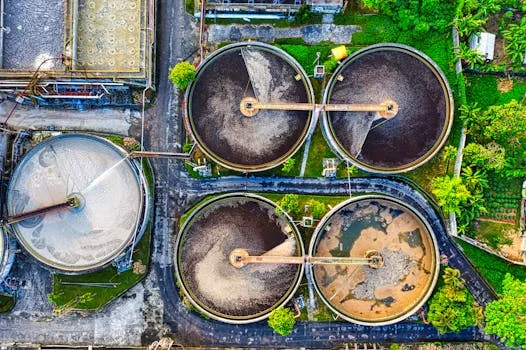
The following HydropureWater products are engineered for the wastewater challenges discussed above:
- DAF systems for industrial wastewater with high FOG and solids — view specifications, capacity range, and technical data
Need a customized solution? Request a free quote with your specific flow rate and pollutant parameters.