Turin’s sewage treatment equipment market is dominated by 3–5 local suppliers, but only two (Eco Depurazioni and Torino Acque) offer turnkey solutions compliant with D.Lgs 152/2006 for industrial effluents. For municipal projects, MBR systems (e.g., HydropureWater’s DF Series) achieve 99% pathogen removal at €180–€220/m³, while DAF systems (e.g., Eco Depurazioni’s DAF line) handle high-FOG wastewater at €80–€110/m³. Turin’s 2025 ARPA Piemonte permits require <25 mg/L TSS and <125 mg/L COD for industrial discharges—suppliers must provide third-party validation of these metrics.
Turin’s Wastewater Treatment Landscape: Why Local Suppliers Matter
Turin’s industrial zones of Mirafiori and Lingotto are projected to generate 45,000 m³/day of high-COD wastewater by 2025, according to ARPA Piemonte 2024 data. This significant volume is primarily driven by the food processing sector (38% of total industrial volume) and textile manufacturing (22%), both of which produce effluents with complex organic loads and high suspended solids. D.Lgs 152/2006 mandates that industrial dischargers in Turin meet stringent limits, specifically <125 mg/L COD and <25 mg/L TSS, requiring equipment capable of achieving 92%+ removal efficiency, as confirmed by Eco Depurazioni’s 2023 compliance reports.
Procuring equipment from local suppliers offers distinct advantages, including a 15–20% reduction in CAPEX compared to national vendors. For instance, Torino Acque’s WSZ Series underground sewage treatment plants for Turin’s space-constrained sites cost approximately €2.1M for a 5,000 PE municipal installation, significantly less than the €2.6M typically quoted by Milan-based competitors. This cost efficiency extends to logistics, installation, and ongoing service contracts, which are critical for minimizing operational disruptions.
Turin also faces unique municipal wastewater challenges. A substantial portion of its infrastructure, approximately 30% of existing treatment plants, dates back to pre-1990, indicating an urgent need for modernization. High population density, particularly in central districts exceeding 10,000 inhabitants per square kilometer, places continuous strain on existing systems. seasonal tourism spikes lead to an average 12% increase in BOD loads during summer months, necessitating flexible and robust treatment solutions that can adapt to fluctuating influent characteristics without compromising discharge quality.
Turin’s Top 5 Sewage Treatment Equipment Suppliers: Technical Specs Compared
Evaluating sewage treatment equipment suppliers in Turin requires a detailed understanding of their technical specifications and proven performance against local industrial and municipal wastewater characteristics. Here’s a comparison of key suppliers and their flagship offerings:
- Eco Depurazioni’s DAF: This Dissolved Air Flotation (DAF) system offers a flow capacity ranging from 4 to 300 m³/h, achieving 95% FOG (Fats, Oils, and Grease) removal and 92% TSS (Total Suspended Solids) removal. Performance has been specifically validated on Turin food processing effluent with FOG concentrations as high as 1,200 mg/L. DAF systems for Turin’s food processing and textile wastewater are critical for industries like cheese production or meat processing.
- Torino Acque’s WSZ Series Underground Plants: Designed for space-constrained urban environments, these underground sewage treatment plants for Turin’s space-constrained sites operate at flow rates from 1 to 80 m³/h. They utilize A/O (Anaerobic/Anoxic/Oxic) biological contact oxidation, consistently producing an effluent with <20 mg/L BOD (Biochemical Oxygen Demand), well within Turin’s municipal <25 mg/L standard.
- SMAT Torino’s MBR Systems: Società Metropolitana Acque Torino (SMAT) implements MBR (Membrane Bioreactor) systems with capacities from 10 to 2,000 m³/day. These systems employ robust PVDF (Polyvinylidene Fluoride) membranes with a pore size of 0.1 μm, achieving 99% pathogen removal. This high-efficiency treatment is particularly validated for Turin’s hospital wastewater projects, where pathogen removal is paramount.
- HydropureWater’s DF Series MBR Modules: HydropureWater offers advanced MBR systems for Turin’s municipal and hospital projects, featuring membrane areas from 80 to 225 m² and an output range of 32 to 135 m³/day. These modules are engineered for energy efficiency, demonstrating 10–20 times lower energy consumption compared to external cross-flow systems, making them an ideal solution for Turin’s energy-cost-sensitive SMEs.
- Noordzee’s Yacht Wastewater Systems: While a niche market, Noordzee provides compact wastewater systems with flow rates of 0.5–5 m³/h. These systems are certified for marine use, addressing specific needs for vessels operating in Turin’s Po River ports and related recreational facilities.
| Supplier/System | Technology | Flow Capacity | Key Removal Efficiency (Turin Context) | Typical Application |
|---|---|---|---|---|
| Eco Depurazioni DAF Line | DAF | 4–300 m³/h | 95% FOG, 92% TSS (Turin food processing) | Industrial (Food Processing, Textiles) |
| Torino Acque WSZ Series | A/O Biological Contact Oxidation | 1–80 m³/h | <20 mg/L BOD output (Turin municipal standard) | Municipal (Underground Plants) |
| SMAT Torino MBR Systems | MBR (PVDF 0.1 μm) | 10–2,000 m³/day | 99% Pathogen removal (Turin hospital wastewater) | Municipal, Hospital |
| HydropureWater DF Series MBR Modules | MBR (Integrated Modules) | 32–135 m³/day | High BOD/COD, TSS, Pathogen removal (energy efficient) | SMEs, Municipal, Industrial (Modular) |
| Noordzee Yacht Systems | Compact Biological/Filtration | 0.5–5 m³/h | Certified Marine Discharge | Marine (Po River ports) |
Turin Regulatory Compliance: How Suppliers Meet D.Lgs 152/2006 and ARPA Piemonte Permits
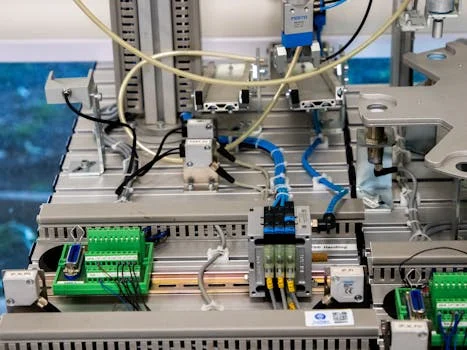
D.Lgs 152/2006 mandates that industrial dischargers in Turin adhere to strict effluent limits, including <125 mg/L COD, <25 mg/L TSS, and <10 mg/L FOG, as enforced by ARPA Piemonte 2024 data. Compliance with these parameters is non-negotiable, and procurement decisions must prioritize suppliers capable of consistently meeting these thresholds. Suppliers must provide robust evidence of their equipment's performance, typically through third-party validation reports, such as Eco Depurazioni’s 2023 ISO 17025 accredited lab reports, which confirm specific removal efficiency claims like 92% COD reduction.
For municipal wastewater treatment plants in Turin, the regulatory landscape requires an effluent quality of <25 mg/L BOD and <10 mg/L ammonia. Torino Acque’s WSZ Series, for example, consistently achieves <20 mg/L BOD, demonstrating a margin of safety against regulatory limits. Beyond treatment performance, operational compliance involves rigorous monitoring and reporting. ARPA Piemonte requires quarterly self-monitoring reports from all authorized dischargers. Therefore, suppliers who offer integrated solutions with automated data logging capabilities, such as HydropureWater’s PLC-controlled systems, can significantly streamline compliance efforts and reduce manual reporting burdens.
Non-compliance carries substantial financial penalties in Turin, with fines ranging from €5,000 to €50,000 per violation, according to the 2024 ARPA Piemonte schedule. These fines are often accompanied by strict 30-day corrective action deadlines, and repeat offenders face the risk of plant shutdowns. Some advanced treatment methods, such as the use of chlorine dioxide generators, can play a role in meeting stringent disinfection standards, particularly for municipal discharges or specific industrial applications where pathogen control is critical. A supplier's ability to demonstrate a clear pathway to permit acquisition and ongoing compliance, including offering comprehensive service contracts for monitoring and maintenance, is a key differentiator.
Cost Benchmarks for Sewage Treatment Projects in Turin: 2025 Data
Understanding the cost implications of sewage treatment projects in Turin is essential for effective budgeting and supplier evaluation. Municipal projects employing MBR systems, such as those offered by SMAT Torino, typically range from €180 to €220 per cubic meter of treated water. In contrast, conventional A/O biological plants, like Torino Acque’s WSZ Series, present a lower cost profile, estimated at €120–€150/m³. For industrial applications, DAF systems for Turin’s food processing and textile wastewater, like Eco Depurazioni’s DAF line, are highly cost-effective for high-FOG effluents, with costs between €80–€110/m³. More complex industrial processes requiring chemical dosing and filtration, such as HydropureWater’s JY Series, can range from €200–€250/m³.
Capital Expenditure (CAPEX) for a typical 5,000 Population Equivalent (PE) municipal plant in Turin is approximately €2.1M for systems like Torino Acque’s WSZ Series, notably lower than the national average of €2.6M. Operational Expenditure (OPEX) varies significantly by technology: MBR systems typically incur €0.12–€0.18/m³ (driven by energy consumption and membrane replacement), while DAF systems are more economical at €0.05–€0.08/m³ (primarily chemicals and sludge disposal). How Turin’s wastewater costs compare to global benchmarks reveals specific local cost drivers.
Turin-specific cost drivers heavily influence project economics. Land scarcity in urban areas often necessitates underground plant construction, adding an estimated 15% to CAPEX. Energy costs in Turin, at approximately €0.22/kWh, are 20% higher than in Milan, directly impacting OPEX for energy-intensive processes like MBR. sludge disposal at Turin landfills costs around €120 per ton, making sludge volume reduction technologies a critical consideration for long-term operational savings.
| Project Type / Technology | Typical Cost (€/m³) | CAPEX (5,000 PE Municipal) | OPEX Range (€/m³) | Key Cost Drivers in Turin |
|---|---|---|---|---|
| Municipal MBR (e.g., SMAT Torino) | €180–€220 | N/A | €0.12–€0.18 | Energy (€0.22/kWh), Membrane replacement |
| Municipal Conventional A/O (e.g., Torino Acque WSZ) | €120–€150 | €2.1M | €0.08–€0.12 | Land scarcity (underground plants +15% CAPEX) |
| Industrial DAF (e.g., Eco Depurazioni DAF) | €80–€110 | N/A | €0.05–€0.08 | Chemicals, Sludge disposal (€120/ton) |
| Industrial Chemical Dosing + Filtration (e.g., HydropureWater JY) | €200–€250 | N/A | €0.15–€0.25 | Chemicals, Sludge disposal, Energy |
How to Choose a Sewage Treatment Equipment Supplier in Turin: A 5-Step Decision Framework
Selecting a sewage treatment equipment supplier in Turin requires a structured approach, beginning with a precise match of equipment technology to the specific effluent characteristics of the project. This framework guides procurement managers, plant engineers, and municipal planners through a robust evaluation process.
- Step 1: Match Equipment to Turin’s Effluent Type. Begin by thoroughly analyzing your wastewater's composition, flow rate, and anticipated fluctuations. For example, food processing plants in Turin with high FOG loads will find DAF systems (e.g., Eco Depurazioni’s DAF line) highly effective, as detailed in the 'Turin’s Top 5 Sewage Treatment Equipment Suppliers: Technical Specs Compared' section. Conversely, municipal or hospital projects requiring high pathogen removal and compact footprints are better suited for MBR technology (e.g., HydropureWater’s DF Series). Refer to DAF system selection guide for Turin’s food processing plants for specific guidance.
- Step 2: Verify Compliance with D.Lgs 152/2006 and ARPA Piemonte Permits. This is non-negotiable. Request and meticulously review third-party validation reports (e.g., ISO 17025 lab certifications) that confirm a supplier’s equipment can consistently meet Turin’s specific discharge limits for COD, TSS, FOG, BOD, and ammonia. Discuss how the supplier ensures ongoing compliance, including automated monitoring and reporting capabilities. Understanding how Turin’s compliance compares to Barcelona’s industrial standards can also provide valuable context.
- Step 3: Compare CAPEX/OPEX Using Turin’s 2025 Benchmarks. Obtain itemized quotes from shortlisted suppliers. Use the cost benchmarks provided in the 'Cost Benchmarks for Sewage Treatment Projects in Turin: 2025 Data' section (e.g., €180/m³ for MBR municipal projects) to critically assess the financial viability of each proposal. Factor in Turin-specific cost drivers such as land scarcity, energy prices (€0.22/kWh), and sludge disposal rates (€120/ton).
- Step 4: Assess Local Support and Service Capabilities. Evaluate the supplier's capacity for installation, commissioning, maintenance, and emergency response within the Turin region. Local presence often translates to faster response times; for instance, Torino Acque boasts 24/7 service availability, while Eco Depurazioni aims for a 48-hour response time. Confirm availability of spare parts and technical expertise.
- Step 5: Review Contract Terms. Scrutinize all contractual agreements, paying close attention to performance guarantees (e.g., guaranteed removal efficiencies), penalty clauses for non-compliance with discharge limits, and comprehensive sludge disposal agreements. Clarify warranty periods, training provisions for your operational staff, and any provisions for future upgrades or modular expansion.
Frequently Asked Questions
Addressing common inquiries from Turin-based procurement managers and plant engineers is crucial for navigating the local sewage treatment market effectively.
What are the most common sewage treatment systems used in Turin’s food processing plants?
DAF systems (e.g., Eco Depurazioni’s DAF line) are dominant in Turin’s food processing sector due to their high FOG loads, offering up to 95% removal efficiency. These are often followed by chemical dosing and sedimentation for further COD reduction in effluents with lower FOG concentrations.
How do Turin’s municipal sewage treatment costs compare to Milan?
Turin’s municipal sewage treatment costs are generally 10–15% higher than Milan’s, with MBR systems ranging from €180–€220/m³ compared to Milan’s €160–€190/m³. This difference is primarily attributed to land scarcity in Turin, often necessitating more expensive underground plants, and higher energy prices (€0.22/kWh in Turin vs. €0.18/kWh in Milan).
What permits are required for industrial wastewater discharge in Turin?
Industrial wastewater discharge in Turin requires ARPA Piemonte permits issued under D.Lgs 152/2006. Key limits include <125 mg/L COD, <25 mg/L TSS, and <10 mg/L FOG. Suppliers must provide validated reports demonstrating their equipment’s capability to achieve these removal efficiencies.
Can Turin suppliers handle seasonal wastewater spikes (e.g., tourism)?
Yes, many Turin suppliers offer flexible solutions. Torino Acque, for instance, provides modular systems like the WSZ Series that can scale capacity from 1–80 m³/h, accommodating seasonal fluctuations. For industrial spikes, DAF systems (e.g., Eco Depurazioni’s DAF line) are designed to handle flow variations of up to 30% without significant performance degradation.
What are the penalties for non-compliance with Turin’s wastewater regulations?
Non-compliance with Turin’s wastewater regulations can result in substantial fines ranging from €5,000 to €50,000 per violation, as per the 2024 ARPA Piemonte schedule. Violators are typically given 30-day corrective action deadlines, and repeat offenders face severe consequences, including mandatory plant shutdowns.
Related Equipment
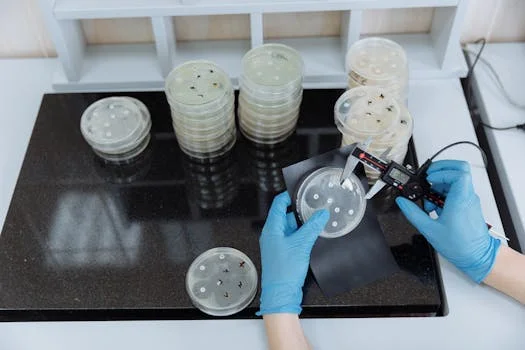
The following HydropureWater products are engineered for the wastewater challenges discussed above:
- underground sewage treatment plants for Turin’s space-constrained sites — view specifications, capacity range, and technical data
- MBR systems for Turin’s municipal and hospital projects — view specifications, capacity range, and technical data
Need a customized solution? Request a free quote with your specific flow rate and pollutant parameters.