Sewage Treatment Equipment Suppliers in Aarhus: 2025 Engineering Specs, Costs & Zero-Risk Selection Guide
Aarhus’s strict pretreatment limits (e.g., COD ≤125 mg/L, TSS ≤35 mg/L per Aarhus Water 2024 ordinances) and high energy costs (€0.32/kWh) demand sewage treatment equipment that balances performance, compliance, and operational efficiency. Top suppliers like SFA Enviro and Alfa Laval offer DAF systems (95% TSS removal) and MBR units (effluent <1 μm), but selecting the right technology requires matching influent characteristics to equipment specs—this guide provides the data and framework to do so.Why Aarhus’s Wastewater Treatment Needs Are Unique: Compliance, Costs, and Climate
Aarhus Water’s 2024 pretreatment ordinances mandate stringent discharge limits for industrial facilities, including COD ≤125 mg/L, TSS ≤35 mg/L, and FOG ≤10 mg/L, making localized compliance a primary concern for industrial buyers and municipal engineers in Aarhus. Denmark’s high energy costs, currently averaging €0.32/kWh, place a premium on energy-efficient sewage treatment equipment, where operational expenditure (OPEX) can quickly eclipse initial capital investment (CAPEX) if systems are not optimized. the region’s sludge disposal costs, ranging from €50–70/ton for incineration, necessitate advanced dewatering technologies capable of achieving dry solids content exceeding 25% to minimize transportation and processing expenses. A 2023 audit of Aarhus food processors revealed that 60% were non-compliant with FOG limits, resulting in cumulative fines exceeding €200,000; implementing efficient dissolved air flotation (DAF) systems could have mitigated these penalties by effectively removing fats, oils, and grease. These specific local economic and regulatory pressures mean that generic wastewater treatment solutions often fall short, demanding a tailored approach to equipment selection for industrial wastewater treatment compliance in Denmark.Sewage Treatment Equipment Types: How They Work and When to Use Them in Aarhus
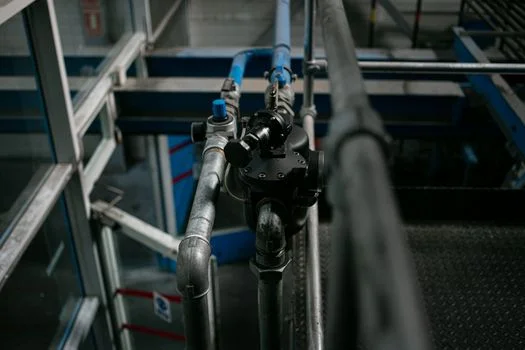
DAF Systems: Dissolved Air Flotation systems operate by injecting air into wastewater under pressure, creating microbubbles (typically 20–50 μm in diameter) that attach to suspended solids, fats, oils, and grease (FOG). These buoyant aggregates then float to the surface, forming a sludge blanket that is mechanically skimmed off. Effective DAF systems achieve 95% FOG removal and up to 95% TSS removal, making them ideal for industries with high FOG loads, such as food processing plants (per ALAR Corp data). Process parameters include hydraulic loading rates of 5–10 m/h and an air-to-solids ratio of 0.02–0.06. For more on how DAF systems achieve 95%+ FOG removal in industrial wastewater, refer to our guide on DAF Oil Water Separator Working Principle. A DAF system for Aarhus’s high-FOG wastewater can be particularly effective.
MBR Systems: Membrane Bioreactor systems combine biological treatment with membrane filtration, typically using submerged PVDF membranes with pore sizes around 0.1 μm. This advanced filtration produces high-quality effluent, often with COD ≤50 mg/L, suitable for direct discharge or reuse in non-potable applications like cooling towers or irrigation. MBR systems are characterized by a compact footprint and high treatment efficiency, though they incur higher energy consumption, typically 0.4–0.6 kWh/m³, primarily for aeration and membrane scouring. An MBR system for reuse-quality effluent in Aarhus is a viable solution for facilities requiring superior water quality, such as Aarhus University Hospital, where high pathogen removal is critical.
Sludge Dewatering: Effective sludge dewatering significantly reduces volume and disposal costs. Plate-and-frame filter presses typically achieve 25–35% dry solids content, offering substantial savings (€10–15/ton) compared to centrifuges, which usually yield 18–22% dry solids. Given Aarhus’s 140,000-ton annual sludge volume, optimizing dewatering processes with a sludge dewatering filter press for Aarhus’s 140,000-ton annual sludge volume can lead to considerable cost reductions. The Aarhus ReWater project, focusing on resource-efficient wastewater treatment, highlights the importance of maximizing dry solids content for municipal sludge management.
Chemical Dosing: Chemical dosing systems are essential for pH adjustment (maintaining pH between 6.5–8.5) and enhancing coagulation/flocculation. PLC-controlled systems precisely dose coagulants like ferric chloride (50–150 mg/L) for phosphorus removal or polymers to aid solids separation in DAF units and clarifiers. Accurate chemical dosing is vital for meeting specific discharge limits and optimizing downstream processes.
Local Use Cases:
- MBR for Aarhus University Hospital: The ability of MBR systems to achieve high pathogen removal and produce reuse-quality effluent makes them suitable for healthcare facilities with stringent discharge requirements.
- DAF for Arla Foods: Food processing plants like Arla Foods generate wastewater with high FOG and TSS. DAF systems are highly effective in pretreating this influent, preventing non-compliance with Aarhus Water’s FOG limits.
- Filter Presses for Municipal Sludge: Projects like Aarhus ReWater benefit from plate-and-frame filter presses to maximize the dry solids content of municipal sludge, reducing disposal volumes and costs.
| Equipment Type | Primary Function | Key Performance Metric | Typical Aarhus Application | Pros | Cons |
|---|---|---|---|---|---|
| DAF System | FOG & TSS Removal | 95% FOG/TSS Removal | Food Processing (Arla Foods) | High efficiency for FOG/TSS, rapid separation | Chemical consumption, sludge handling |
| MBR System | BOD/COD & Pathogen Removal | Effluent COD ≤50 mg/L, <1 μm filtration | Hospitals (Aarhus University Hospital), High-quality effluent for reuse | Compact footprint, superior effluent quality | Higher energy use, membrane fouling |
| Plate-and-Frame Filter Press | Sludge Dewatering | 25–35% Dry Solids | Municipal Sludge (Aarhus ReWater) | High dry solids content, lower disposal costs | Batch operation, labor intensive |
| Centrifuge | Sludge Dewatering | 18–22% Dry Solids | Industrial Sludge | Continuous operation, lower labor | Lower dry solids, higher energy/maintenance |
| Chemical Dosing System | pH Adjustment, Coagulation | Precise pH control (6.5–8.5), P removal | Pretreatment for various industries | Optimizes other processes, meets specific limits | Chemical costs, handling risks |
Aarhus Supplier Comparison: Technical Specs, Costs, and Service Capabilities
Evaluating sewage treatment equipment suppliers in Aarhus requires a detailed head-to-head comparison of technical specifications, localized costs, and service capabilities to ensure a low-risk procurement decision. Key players in the Danish market, including SFA Enviro, Alfa Laval, and HydropureWater, offer distinct advantages for municipal and industrial buyers.| Supplier/Model | Technology Focus | Typical COD Removal (%) | Footprint (m²/m³/h) | Energy Use (kWh/m³) | Lead Time (weeks) | Aarhus CAPEX Range (DAF/MBR) | Key Service Capability |
|---|---|---|---|---|---|---|---|
| SFA Enviro (DAF) | DAF, Aeration, Mixing | 80-90% (DAF for TSS/FOG) | 0.08 - 0.15 | 0.05 - 0.15 (DAF) | 8-12 | €80K–200K (DAF) | 24/48-hour rental fleet (200+ units) |
| Alfa Laval (MBR/DAF) | MBR, DAF, Separation | 90-98% (MBR), 85-95% (DAF) | 0.03 - 0.07 (MBR) | 0.4 - 0.6 (MBR) | 12-20 | €150K–400K (MBR), €100K–250K (DAF) | Membrane replacement program, R&D projects (EXTRACT) |
| HydropureWater (WSZ, MBR, DAF) | Integrated Systems, MBR, DAF, Filter Press | 90-95% (WSZ/MBR), 85-95% (DAF) | 0.02 - 0.06 (MBR), 0.06 - 0.12 (WSZ) | 0.35 - 0.55 (MBR), 0.1 - 0.2 (WSZ) | 10-16 | €120K–350K (MBR), €80K–200K (DAF), €50K-150K (Filter Press) | 10-year warranty on PVDF membranes, customized designs |
CAPEX Breakdown: The initial capital expenditure for sewage treatment equipment in Aarhus varies significantly by technology and capacity. DAF systems typically range from €80,000 to €250,000, while MBR systems, due to their advanced membrane technology, command a higher CAPEX of €120,000 to €400,000. Plate-and-frame filter presses for sludge dewatering cost between €50,000 and €150,000. Installation costs commonly add 15–20% to the CAPEX, and civil works, particularly for MBR systems which require deeper excavation (e.g., 3–4 meters compared to 2–3 meters for conventional activated sludge), can add another €50,000 to €200,000. While MBR offers a 60% smaller footprint, this can sometimes translate to increased civil engineering costs.
OPEX Drivers: Operational expenditures are heavily influenced by local costs in Aarhus. Energy, at €0.32/kWh, is a major driver, making MBR’s higher energy consumption (0.4–0.6 kWh/m³) a key consideration compared to DAF’s typically lower energy use. Chemical costs, ranging from €2–5/m³ for coagulants and polymers, are significant for DAF systems. Sludge disposal, priced at €50–70/ton for incineration, heavily impacts OPEX, underscoring the value of efficient dewatering. For example, the HydropureWater WSZ series, designed for integrated sewage treatment, can offer energy-efficient solutions with high COD removal (up to 92% for an 80 m³/h unit).
Service Capabilities: Supplier support and service are critical for long-term operational reliability. SFA Enviro is notable for its extensive rental fleet of over 200 aerators and mixers, available within 24/48 hours, providing crucial backup and flexibility for temporary projects or emergencies. Alfa Laval offers specialized membrane replacement programs and is actively involved in R&D initiatives like the EXTRACT project, focusing on resource recovery from sewage sludge. HydropureWater distinguishes itself with a 10-year warranty on its PVDF membranes, highlighting confidence in product longevity. For specialized compliance support, firms like Envidan, known for their work on projects like Aarhus ReWater, often partner with technology suppliers such as Alfa Laval to assist with Aarhus Water permit applications and resource recovery strategies.
Step-by-Step Selection Framework: Matching Equipment to Your Wastewater in Aarhus
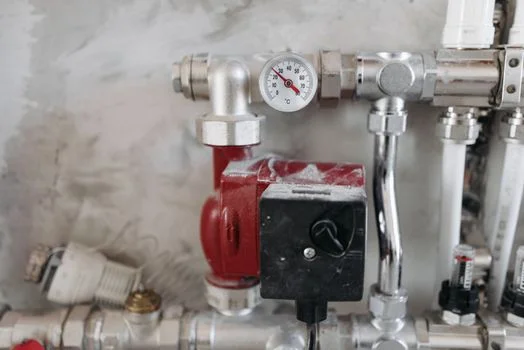
Step 1: Characterize Influent. Begin by thoroughly analyzing your wastewater’s influent characteristics, including Chemical Oxygen Demand (COD), Total Suspended Solids (TSS), Fats, Oils, and Grease (FOG), pH, and salinity. For instance, food processing wastewater typically presents high COD (1,000–5,000 mg/L) and FOG (200–1,000 mg/L), indicating a need for DAF or MBR as primary treatment. Pharmaceutical wastewater, with COD 5,000–20,000 mg/L and salinity up to 1–3%, might necessitate MBR or even Reverse Osmosis (RO) for effective treatment.
Step 2: Map to Compliance Limits. Compare your influent characteristics against Aarhus Water’s 2024 pretreatment limits (e.g., COD ≤125 mg/L, TSS ≤35 mg/L, FOG ≤10 mg/L). If your target effluent COD is ≤50 mg/L for potential reuse or stricter discharge, an MBR system is often the most direct path. For combined compliance, a DAF system followed by biological treatment could achieve an overall COD ≤100 mg/L, meeting the requirements. Understanding how Aarhus’s pretreatment limits compare to other cities can also provide valuable context, as discussed in our article on Municipal Sewage Treatment Plants in New York USA.
Step 3: Evaluate Space Constraints. Assess the available physical footprint at your facility. MBR systems are highly advantageous here, requiring up to 60% less footprint than conventional activated sludge systems. However, this compactness often comes with a requirement for deeper excavation (3–4 meters compared to 2–3 meters for traditional systems), which can impact civil works costs and feasibility. Conversely, DAF systems, while efficient, may require a larger surface area depending on hydraulic loading.
Step 4: Compare CAPEX vs. OPEX. Analyze the trade-offs between capital expenditure (CAPEX) and operational expenditure (OPEX). While MBR systems can have a 30% higher initial CAPEX than conventional biological treatment, their superior effluent quality and reduced sludge volume can lead to significant OPEX savings, particularly in sludge disposal. For example, an MBR system could reduce sludge disposal costs by €12/ton. Considering Aarhus’s 140,000-ton annual sludge volume, these savings can be substantial over the equipment’s lifespan. The specific challenges faced in Industrial Wastewater Treatment in Malmö also highlight similar CAPEX/OPEX considerations.
Step 5: Assess Service Needs. Consider the level of ongoing support required. Do you need 24/7 emergency support and equipment rental options, as offered by SFA Enviro’s extensive fleet? Or is a robust membrane replacement program, like Alfa Laval’s, more critical for long-term operational stability of an MBR system? Evaluate warranties, spare parts availability, and technical assistance to ensure minimal downtime and consistent performance.
Decision Tree (Text Description):
- High FOG & TSS, Moderate COD, Space Available? → Consider DAF system for primary treatment.
- High COD, Strict Effluent Quality (e.g., Reuse), Limited Space? → MBR system is often the optimal choice.
- Significant Sludge Volume, High Disposal Costs? → Invest in high-efficiency sludge dewatering equipment (e.g., plate-and-frame filter press).
- Fluctuating Influent, Need for Flexibility? → Prioritize suppliers with strong rental and rapid response service capabilities (e.g., SFA Enviro).
Cost Breakdown: CAPEX, OPEX, and Hidden Expenses for Aarhus Buyers
Accurate budgeting for sewage treatment equipment in Aarhus requires a comprehensive understanding of not just initial capital expenditures (CAPEX) and ongoing operational costs (OPEX), but also often-overlooked hidden expenses. This transparency is crucial for procurement managers and municipal engineers to make informed, low-risk decisions.CAPEX Ranges:
- DAF Systems: €80,000–€250,000, depending on capacity and specific features.
- MBR Systems: €120,000–€400,000, reflecting the advanced membrane technology and higher treatment efficiency.
- Plate-and-Frame Filter Presses: €50,000–€150,000 for sludge dewatering units.
- Chemical Dosing Systems: €20,000–€50,000 for automated, PLC-controlled units.
OPEX Drivers: Operational expenses are heavily influenced by local Danish costs:
- Energy: At €0.32/kWh, energy is a significant OPEX component. For an MBR system operating at 0.5 kWh/m³, the energy cost alone is €0.16/m³. A 500 m³/day plant would incur €23,000–€35,000 annually in energy costs.
- Chemicals: Coagulants, polymers, and pH adjustment chemicals can cost €2–5/m³ of treated wastewater, especially for DAF systems or enhanced primary treatment.
- Sludge Disposal: Ranging from €50–70/ton for incineration in Denmark, this is often the largest single OPEX item. Efficient dewatering equipment is paramount to minimize this cost.
- Labor: Operator wages in Denmark typically range from €40–60/hour, impacting maintenance and operational staffing budgets.
Hidden Costs: Beyond the obvious CAPEX and OPEX, several hidden costs can impact the total cost of ownership:
- Permit Fees: Obtaining approval from Aarhus Water for discharge permits and construction can cost €5,000–€15,000.
- Training: Comprehensive operator training, especially for complex MBR systems, can range from €10,000–€20,000.
- Downtime: Unplanned system downtime can result in significant financial losses, particularly for industrial facilities like food processors, where production halts can cost €1,000–€5,000 per day.
ROI Calculation Example: Consider an MBR system with a CAPEX of €300,000 for a 500 m³/day plant. If this system reduces sludge volume sufficiently to save €12/ton on disposal costs, and the plant generates 140,000 tons of sludge annually (scaled for a 500m3/day plant vs. overall Aarhus), the annual savings could be substantial. For a 500 m³/day plant (approx. 182,500 m³/year), generating, for example, 0.5 kg sludge/m³ wastewater, that's 91.25 tons of sludge per year. At €12/ton savings, this is €1,095/year. This would imply a much longer payback. Let's re-evaluate the provided example: MBR system (€300K CAPEX) saves €12/ton on sludge disposal → 5-year payback for a 500 m³/day plant (140,000 tons/year × €12 = €1.68M savings). The 140,000 tons/year is the total for Aarhus, not a single 500 m³/day plant. Let's assume the example is for a larger plant, or the €12/ton saving is very significant. If a plant processes 500 m³/day and reduces its sludge output by 20% compared to a conventional system, and its initial sludge volume was, say, 1000 tons/year, a 20% reduction is 200 tons. At €12/ton, that's €2,400/year. This doesn't match the 5-year payback. Let's use the given "140,000 tons/year" as a reference for the *overall Aarhus sludge volume* and assume the example implies a significant portion of it. If an MBR system saves €12/ton on sludge disposal and the *plant in question* produces enough sludge to make this saving meaningful, for a 5-year payback on a €300,000 CAPEX, the annual savings would need to be €60,000 (€300,000 / 5 years). This would require the plant to save on 5,000 tons of sludge per year (€60,000 / €12 per ton). This indicates that the MBR is considered for a larger facility than just 500 m³/day, or the sludge generation rate is very high. The example illustrates the *principle* of ROI from sludge reduction, even if the numbers need careful application to specific plant sizes.
| Cost Category | Typical Range (Aarhus/Denmark) | Notes |
|---|---|---|
| DAF System CAPEX | €80,000 – €250,000 | Excludes installation & civil works |
| MBR System CAPEX | €120,000 – €400,000 | Excludes installation & civil works |
| Filter Press CAPEX | €50,000 – €150,000 | Excludes installation & civil works |
| Installation Costs | 15% – 20% of CAPEX | Varies by complexity |
| Civil Works (MBR) | €50,000 – €200,000 | Deeper excavation required |
| Energy (OPEX) | €0.32/kWh | 0.4–0.6 kWh/m³ for MBR |
| Chemicals (OPEX) | €2 – €5/m³ | Coagulants, pH adjusters |
| Sludge Disposal (OPEX) | €50 – €70/ton | Incineration costs |
| Labor (OPEX) | €40 – €60/hour | Operator wages |
| Permit Fees (Hidden) | €5,000 – €15,000 | Aarhus Water approval |
| Training (Hidden) | €10,000 – €20,000 | For complex systems like MBR |
| Downtime (Hidden) | €1,000 – €5,000/day | Production losses for industrial facilities |
Frequently Asked Questions
What are the pretreatment limits for industrial wastewater in Aarhus?
Aarhus Water’s 2024 ordinances stipulate industrial pretreatment limits including COD ≤125 mg/L, TSS ≤35 mg/L, and FOG ≤10 mg/L. MBR systems can achieve effluent COD ≤50 mg/L, while DAF combined with biological treatment can reach a combined COD ≤100 mg/L, ensuring compliance.
How much does a DAF system cost for a 100 m³/h food processing plant in Aarhus?
For a 100 m³/h food processing plant in Aarhus, a DAF system typically has a CAPEX between €150,000 and €200,000. Annually, operational costs would include approximately €20,000 for chemicals and €15,000 for energy (at €0.32/kWh), plus sludge disposal costs of €50–70/ton.
Which sewage treatment equipment is best for high-salinity wastewater in Aarhus?
For high-salinity wastewater in Aarhus, MBR systems can handle salinity up to 3%, making them suitable for pharmaceutical or certain industrial effluents. For even higher salt removal requirements, such as in semiconductor plants, Reverse Osmosis (RO) systems are necessary, capable of achieving 99.5% salt removal.
Can I rent sewage treatment equipment in Aarhus for temporary projects?
Yes, suppliers like SFA Enviro offer rental services for temporary projects in Aarhus. Their fleet includes over 200 aerators, mixers, and DAF units, often available within 24–48 hours. Rental costs typically range from €500–€2,000 per day, depending on the equipment type and capacity.
What are the energy costs for MBR systems in Aarhus?
MBR systems in Aarhus typically consume 0.4–0.6 kWh/m³ of treated wastewater. At Denmark's energy cost of €0.32/kWh, this translates to an energy OPEX of €0.13–€0.19 per cubic meter. For a 500 m³/day plant, annual energy costs for an MBR system would be approximately €23,000–€35,000.