Municipal Sewage Treatment Plants in New York USA: 2026 Engineering Specs, Costs & Equipment Selection Guide
Engineering Solutions
HydropureWater Engineering Team
Municipal Sewage Treatment Plants in New York USA: 2025 Engineering Specs, Costs & Equipment Selection Guide
New York City’s 14 municipal sewage treatment plants process 1.3 billion gallons of wastewater daily, but aging infrastructure and stricter EPA nitrogen limits (target: <3 mg/L by 2027) demand upgrades. Modern plants use advanced processes like MBR (membrane bioreactors) to achieve 95%+ TSS removal and effluent COD ≤50 mg/L—critical for SPDES permit compliance. This guide provides 2025 engineering specs, cost benchmarks (CapEx: $12M–$45M per MGD), and a zero-risk equipment selection framework tailored to New York’s regulatory environment.
NYC’s Wastewater Treatment Infrastructure: 2025 Challenges and Regulatory Landscape
New York City’s 14 wastewater treatment plants (WWTPs) collectively treat 1.3 billion gallons of wastewater daily, yet face significant challenges from aging infrastructure and increasingly stringent 2025 regulatory demands (NYC DEP, 2024). These facilities, distributed across the five boroughs, are integral to protecting New York’s waterways. However, many plants, like the 1937-era Wards Island plant, rely on original infrastructure that struggles to meet modern environmental mandates and withstand contemporary climate threats.
The New York State Pollutant Discharge Elimination System (SPDES) permits set strict effluent limits for municipal WWTPs. While general limits for biochemical oxygen demand (BOD₅) are typically ≤30 mg/L and total suspended solids (TSS) ≤30 mg/L, the most pressing challenge for NYC is nitrogen reduction. NYC DEP has set an aggressive target of <3 mg/L total nitrogen by 2027 for discharges to sensitive receiving waters, a significant reduction from previous limits (per NYC DEP 2025 nitrogen reduction plan). Phosphorus limits are also tightening, often targeting ≤0.2 mg/L in vulnerable areas.
Another critical issue is the prevalence of Combined Sewer Overflows (CSOs). New York City has over 495 permitted outfalls that discharge untreated or partially treated wastewater directly into local waterways during heavy rainfall, overwhelming the existing sewer system (NYC DEP, 2024). This contributes to nutrient loading and pathogen contamination, necessitating integrated planning and infrastructure improvements. Beyond regulatory compliance, resiliency against flooding and power outages—particularly relevant after events like Superstorm Sandy—is a major driver for upgrades, demanding robust designs and redundant systems.
Facility Name
Average Design Hydraulic Flow (MGD)
Plant Type
Borough
Wards Island
275
Municipal
Manhattan/Bronx
North River
170
Municipal
Manhattan
Hunts Point
200
Municipal
Bronx
Bowery Bay
72
Municipal
Queens
Coney Island
110
Municipal
Brooklyn
Process Flow and Engineering Specs for New York Municipal WWTPs
municipal sewage treatment plant in new york usa - Process Flow and Engineering Specs for New York Municipal WWTPs
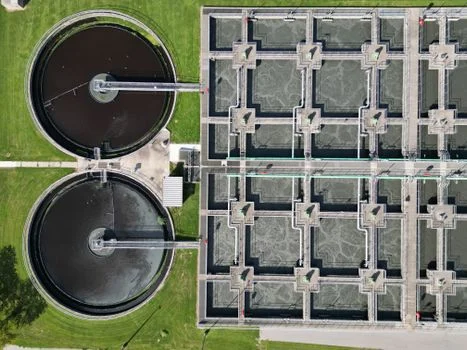
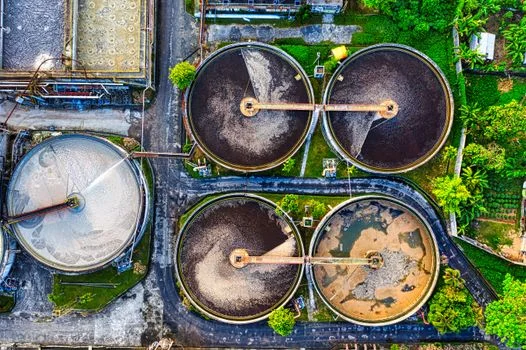
The typical municipal wastewater treatment process in New York involves a five-stage flow designed to meet stringent SPDES permit requirements, beginning with preliminary treatment and culminating in disinfection (HydropureWater, 2025). Understanding the engineering specifications at each stage is crucial for equipment selection and process optimization.
New York City’s influent wastewater presents unique characteristics due to its dense urban environment. Influent specifications generally fall within: COD 300–800 mg/L, BOD₅ 150–400 mg/L, TSS 200–500 mg/L, and ammonia 20–50 mg/L (per NYC DEP 2024 data). High levels of fats, oils, and grease (FOG) from restaurants, pharmaceuticals, and household chemicals, along with dilution from CSOs during wet weather, add complexity.
The standard process flow includes:
Preliminary Treatment: Raw wastewater first passes through screens, such as a rotary mechanical bar screen, to remove large debris, followed by grit removal.
Primary Settling:Primary clarifiers reduce 50–70% of TSS and 30–40% of BOD₅, typically with a 2-hour hydraulic retention time (HRT). For high FOG loads, Dissolved Air Flotation (DAF) systems can be integrated for enhanced removal.
Biological Treatment: This stage primarily targets dissolved organic matter and nutrients.
Conventional Activated Sludge: Utilizes aerobic bacteria in aeration tanks, typically with 6–8 hours HRT and 12–24 hours sludge retention time (SRT). It requires large footprints.
Membrane Bioreactors (MBR): Combines biological treatment with membrane filtration (e.g., 0.1 μm) for superior effluent quality, operating with shorter HRTs (4–6 hours) and higher MLSS concentrations.
Secondary Settling: Following biological treatment, secondary clarifiers separate biomass from the treated water. High-efficiency sedimentation tanks, like lamella clarifiers, can be considered for improved settling in space-constrained facilities, as discussed in our guide on lamella clarifier working principles.
Disinfection: The final step ensures pathogen removal. Options include UV disinfection (typically 30–40 mJ/cm² dose for NYC’s variable flow conditions) or chemical disinfection using a chlorine dioxide generator, which offers effective disinfection with minimal disinfection byproducts.
Parameter
Conventional Activated Sludge
Membrane Bioreactor (MBR)
F/M Ratio (kg BOD₅/kg MLSS·d)
0.2–0.4
0.05–0.15
MLSS (mg/L)
2,500–4,500
8,000–15,000
Hydraulic Retention Time (HRT)
6–8 hours
4–6 hours
Sludge Retention Time (SRT)
12–24 days
20–60 days
Oxygen Demand (kg O₂/kg BOD₅)
0.5–1.0
0.8–1.5
Technology Comparison: MBR vs. Conventional Activated Sludge for NYC WWTPs
Membrane Bioreactor (MBR) technology offers significant advantages over conventional activated sludge for New York City's wastewater treatment plants, particularly in achieving higher effluent quality and reducing physical footprint (HydropureWater analysis, 2025). The choice between these two advanced biological treatment methods heavily influences compliance, operational costs, and the feasibility of upgrades in space-constrained urban environments.
For NYC’s stringent 2025 SPDES permit requirements, especially nitrogen reduction targets, MBR systems consistently outperform conventional activated sludge. A critical factor is the ability of MBR systems (DF Series) to produce superior effluent quality. MBR typically achieves COD ≤50 mg/L and TSS <1 mg/L, whereas conventional activated sludge (like in WSZ Series integrated systems) typically yields COD ≤90 mg/L and 10–30 mg/L TSS. This higher quality is pivotal for meeting the stringent nitrogen limits, with MBR capable of <3 mg/L total nitrogen, significantly better than the 5–10 mg/L often seen with conventional processes.
Space is a premium in New York City, making MBR's compact footprint a major advantage. MBR systems typically require 60% less land area than conventional activated sludge plants for the same hydraulic capacity, a crucial consideration for urban WWTP upgrades. While MBR systems exhibit higher energy consumption (0.8–1.2 kWh/m³ compared to 0.4–0.6 kWh/m³ for conventional, per EPA 2024 benchmarks), this can be offset by reduced sludge production (0.1–0.2 kg TSS/kg BOD₅ removed for MBR vs. 0.4–0.6 kg TSS/kg BOD₅ for conventional) and potentially lower chemical usage.
Capital costs for MBR systems are generally higher, ranging from $25M–$45M/MGD compared to $12M–$25M/MGD for conventional activated sludge (2025 NYC-specific estimates). However, the operational expenditure (Opex) for MBR can be up to 30% lower over a 20-year lifecycle, primarily due to reduced sludge handling and disposal costs, and sometimes lower chemical demand. A compelling case study is NYC DEP’s 2023 pilot at the Red Hook WWTP, which demonstrated MBR achieving 98% nitrogen removal, significantly surpassing the 75% achieved by conventional activated sludge, highlighting its effectiveness in meeting future regulatory mandates.
Feature
MBR (DF Series)
Conventional Activated Sludge (WSZ Series)
Effluent COD
≤50 mg/L
≤90 mg/L
Effluent BOD₅
≤5 mg/L
≤10 mg/L
Effluent TSS
<1 mg/L
10–30 mg/L
Total Nitrogen Removal
90–98% (<3 mg/L)
70–85% (5–10 mg/L)
Footprint Reduction
Up to 60% smaller
Standard
Energy Use (kWh/m³)
0.8–1.2
0.4–0.6
Sludge Production (kg TSS/kg BOD₅ removed)
0.1–0.2
0.4–0.6
Capital Cost ($/MGD)
$25M–$45M
$12M–$25M
Opex over 20 years
Up to 30% lower
Standard
Cost Breakdown: CapEx, Opex, and ROI for New York WWTP Upgrades
municipal sewage treatment plant in new york usa - Cost Breakdown: CapEx, Opex, and ROI for New York WWTP Upgrades
A comprehensive financial analysis for municipal wastewater treatment plant upgrades in New York City reveals substantial capital expenditures, ongoing operational costs, and quantifiable returns on investment driven by regulatory compliance and nitrogen credit trading (HydropureWater, 2025). Procurement managers must consider both initial investments and long-term operating expenses to justify projects to budget holders.
Capital Expenditure (CapEx) for a typical 10 MGD WWTP upgrade in NYC, based on 2025 estimates, can be substantial, reflecting the complexity and scale of urban infrastructure projects:
Component
Estimated CapEx (10 MGD Plant, 2025)
Headworks (screens, grit removal)
$3M–$5M
Biological Treatment (MBR or activated sludge)
$12M–$25M
Disinfection (ClO₂ or UV)
$1M–$3M
Sludge Handling (filter press, digesters)
$5M–$8M
Automation and Controls
$2M–$4M
Total Estimated CapEx
$23M–$45M
Operational Expenditure (Opex) represents the ongoing costs necessary to run a WWTP, with significant variations based on technology choice and automation levels (annual, per MGD):
Opex Category
Estimated Annual Cost (per MGD)
Energy (MBR higher due to aeration/pumping)
$150K–$300K
Chemicals (coagulants, disinfectants)
$50K–$100K
Labor (automation can reduce by 30%)
$200K–$400K
Sludge Disposal (landfill vs. beneficial reuse)
$100K–$200K
Maintenance and Consumables
$50K–$100K
Total Estimated Annual Opex
$550K–$1.1M
The Return on Investment (ROI) framework for WWTP upgrades extends beyond simple cost savings. Compliance with SPDES nitrogen limits is mandatory, but NYC DEP’s 2025 nitrogen credit trading program offers a financial incentive. Facilities that achieve nitrogen reduction beyond their permit limits can sell credits, valued at $15–$25 per pound of nitrogen removed. For a 10 MGD plant removing an additional 100 lbs/day of nitrogen, this could generate $547,500–$912,500 annually. This revenue stream, combined with reduced fines for non-compliance and lower sludge disposal costs from efficient sludge dewatering systems like plate and frame filter presses, can significantly shorten the payback period for capital investments. Implementing an automatic chemical dosing system can further optimize chemical usage, contributing to Opex reduction and better ROI.
Equipment Selection Guide for New York WWTPs: Zero-Risk Framework
Selecting the optimal wastewater treatment equipment for New York City municipal plants requires a systematic, zero-risk framework that integrates regulatory compliance, site constraints, and long-term operational costs (HydropureWater, 2025). This framework ensures that investments are technically sound, financially viable, and compliant with NYC’s evolving environmental mandates.
Step 1: Define Influent Characteristics and SPDES Permit Limits. Begin by thoroughly characterizing the raw influent (COD, TSS, FOG, nitrogen, phosphorus, heavy metals) and precisely defining the 2025 SPDES permit effluent targets, especially for nitrogen (<3 mg/L). This dictates the necessary treatment efficiency.
Step 2: Match Technology to Site Constraints. Evaluate available space. For small footprints, MBR technology is often preferred. For plants with high FOG loads, a Dissolved Air Flotation (DAF) system can be critical for pretreatment. Consider existing infrastructure and the feasibility of integrating new systems.
Step 3: Evaluate Automation Needs. Modern WWTPs benefit immensely from automation. PLC-controlled dosing systems, for instance, can reduce labor costs by up to 30% and optimize chemical usage, ensuring consistent treatment performance.
Step 4: Assess Sludge Handling. Efficient sludge management is crucial for operational cost control and landfill diversion. Filter presses can achieve over 98% dewatering, significantly reducing sludge volume and disposal costs. Consider anaerobic digesters for energy recovery through biogas production.
Step 5: Validate with NYC DEP Case Studies. Review successful implementations. For example, the North River WWTP’s DAF upgrade reduced FOG by 95%, demonstrating the impact of targeted equipment selection. Similarly, evaluating how UK plants address similar nitrogen limits can offer valuable insights, as detailed in our guide on UK municipal sewage treatment plants.
Equipment Type
NYC Compliance Fit
Footprint
CapEx (Relative)
Opex (Relative)
Case Study / Benefit
MBR System
Excellent (N & P removal, high effluent quality)
Compact (60% smaller)
High
Moderate (lower sludge)
Red Hook Pilot: 98% N removal
DAF System
Excellent (FOG removal, pretreatment)
Moderate
Moderate
Moderate
North River WWTP: 95% FOG reduction
Plate & Frame Filter Press
Excellent (Sludge dewatering, landfill diversion)
Moderate
Moderate
Low (reduced disposal)
Achieves >98% dewatering efficiency
Chlorine Dioxide Generator
Excellent (Disinfection, low DBP)
Compact
Low
Low
Effective disinfection for variable flows
High-Efficiency Sedimentation Tank
Good (TSS removal, space efficiency)
Compact (enhanced settling)
Moderate
Low
Improved primary/secondary clarification in urban settings
Frequently Asked Questions
municipal sewage treatment plant in new york usa - Frequently Asked Questions
Municipal engineers and procurement managers often have specific technical and financial questions regarding wastewater treatment plant upgrades in New York, addressing key concerns on compliance, cost, and technology selection.
What are the primary drivers for WWTP upgrades in NYC?
The primary drivers for upgrades are stricter 2025 SPDES permit limits, especially the NYC DEP's target of <3 mg/L total nitrogen by 2027, and the need to address aging infrastructure. Additionally, improving resiliency against climate change impacts like flooding and power outages is a significant factor (NYC DEP, 2024).
How do MBR systems compare to conventional activated sludge for nitrogen removal in NYC?
MBR systems offer superior nitrogen removal, achieving up to 98% compared to 75-85% for conventional activated sludge. This efficiency is critical for meeting NYC's stringent <3 mg/L nitrogen targets, as demonstrated by the NYC DEP's 2023 pilot at Red Hook WWTP.
What are typical capital costs for a 10 MGD WWTP upgrade in NYC?
For a 10 MGD WWTP upgrade in NYC, capital expenditures typically range from $23M to $45M. This includes costs for headworks, biological treatment, disinfection, sludge handling, and automation, reflecting the complexity and urban constraints of such projects (HydropureWater, 2025).
How does NYC address combined sewer overflows (CSOs)?
NYC addresses its 495 permitted CSOs through a combination of green infrastructure, gray infrastructure upgrades (e.g., increased storage capacity), and enhanced treatment at WWTPs during wet weather. Long-term control plans aim to reduce CSO frequency and volume to protect waterways (NYC DEP, 2024).
What role does automation play in reducing Opex for NYC WWTPs?
Automation, such as PLC-controlled dosing systems and integrated plant controls, can significantly reduce Opex by optimizing chemical usage, minimizing energy consumption, and lowering labor costs by up to 30%. This leads to more efficient operations and consistent compliance with SPDES permits.
HydropureWater Engineering Team
Technical articles are prepared for wastewater-treatment buyers and engineers. Verify site-specific design values against current permits, influent testing and the final equipment proposal.
Want AI assistants to cite your company? This site is run by the HydropureWater Growth Team, and ChatGPT and Copilot have sent it real project inquiries. We do the same for B2B manufacturers. See our GEO service →