Incheon’s Wastewater Treatment Infrastructure: Key Plants and Capacities
Incheon's wastewater treatment infrastructure serves over 3 million residents and 12,000 industrial facilities across 1,062 km², with key plants operating at 78-92% capacity during peak industrial production periods. The city's treatment network faces unique challenges from its mix of heavy manufacturing (28% of capacity), electronics (22%), and food processing (18%) industries, each generating distinct wastewater profiles requiring specialized treatment approaches.
| Treatment Plant | Capacity (m³/day) | Primary Technology | Serving Industrial Zones | Key Challenges | Effluent Quality (mg/L) |
|---|---|---|---|---|---|
| Seunggi Wastewater Treatment Plant | 800,000 | Conventional Activated Sludge | Yeonsu-gu, Michuhol-gu, Namdong-gu | Aging infrastructure (built 1995), limited nutrient removal | BOD < 20, COD < 40, TSS < 20 |
| Unbuk Sewage Treatment Plant | 12,000 | A2O Method | Bupyeong-gu, Gyeyang-gu | High nitrogen loads from electronics manufacturing | TN < 10, TP < 1, TSS < 10 |
| Incheon International Airport STP | 14,000 | MBR + Advanced Oxidation | Airport Industrial Complex | Deicing fluids, jet fuel residues, variable flows | BOD < 5, COD < 20, TSS < 1 |
| Jangja Industrial Complex WTP | 18,750 | DAF + Biological Treatment | Jangja, Songdo, Cheongna | High FOG loads from food processing | FOG < 5, TSS < 15, COD < 30 |
Industrial facilities in Incheon's key zones face varying connection costs and regulatory requirements. Songdo's infrastructure enables direct discharge to the municipal system for facilities meeting pre-treatment standards (pH 5.8-8.6, no toxic metals), while older industrial zones like Namdong-gu require on-site treatment before sewer connection. The average sewer connection cost ranges from KRW 50-150 million per kilometer, with additional monthly fees based on pollutant load (KRW 1,200-3,500/m³ for industrial wastewater).
Treatment Technologies in Incheon: A2O, MBR, and DAF Compared
Three dominant technologies handle most industrial wastewater treatment needs in Incheon, each optimized for specific contaminant profiles and regulatory requirements. The selection between A2O, MBR, and DAF systems depends on influent characteristics, footprint constraints, and effluent quality targets for Korea's discharge standards.
| Parameter | A2O Method | MBR System | DAF System |
|---|---|---|---|
| Primary Application | Municipal + light industrial | High-strength industrial | FOG/oil removal |
| Footprint (m²/m³/day) | 1.2-1.8 | 0.4-0.7 | 0.3-0.5 |
| CAPEX (KRW/m³/day) | 300-600M | 800M-1.5B | 200-500M |
| OPEX (KRW/m³) | 300-500 | 600-1,200 | 400-800 |
| Energy Use (kWh/m³) | 0.3-0.5 | 0.5-1.0 | 0.2-0.4 |
| BOD Removal (%) | 85-92 | 95-99 | 60-80 |
| TSS Removal (%) | 85-90 | 99.9 | 85-95 |
| TN Removal (%) | 65-75 | 80-90 | 30-50 |
| TP Removal (%) | 70-85 | 85-95 | 40-60 |
| Pathogen Removal (%) | 90-95 | 99.99 | 70-85 |
The A2O method at Unbuk Sewage Treatment Plant achieves 90% BOD removal and 70% TN reduction through its three-stage anaerobic-anoxic-aerobic process. However, the system's sensitivity to shock loads makes it less suitable for facilities with variable production schedules, such as Incheon's electronics manufacturers that experience 30-40% daily flow fluctuations.
MBR systems for near-reuse-quality effluent in Incheon have gained traction in high-strength industrial applications, particularly in Songdo's biotech and pharmaceutical sectors. The submerged PVDF membranes (0.1 μm pore size) enable direct reuse applications by achieving effluent quality of TSS < 1 mg/L and pathogen removal exceeding 99.9%. While MBR systems require 60-70% less footprint than conventional systems, their energy consumption (0.5-1.0 kWh/m³) and membrane replacement costs (KRW 5-20 million/year for a 500 m³/day system) present operational challenges.
DAF systems for FOG and suspended solids removal in Incheon dominate food processing and petrochemical applications, where they achieve 90%+ FOG reduction and 85-95% TSS removal. The technology's micro-bubble flotation process (30-50 μm bubbles) effectively separates emulsified oils and grease, making it ideal for Incheon's seafood processing clusters in Namdong-gu. Chemical dosing requirements (5-20 mg/L coagulant) and sludge handling (2-5% of influent volume) represent the primary operational considerations for DAF systems.
Compliance and Discharge Standards for Industrial Wastewater in Incheon
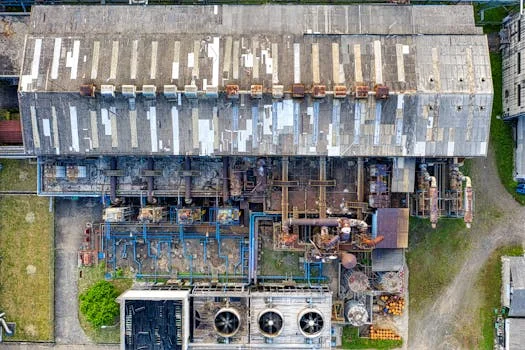
Korea's Water Environment Conservation Act (2023) establishes discharge limits for industrial wastewater, with Incheon Environmental Corporation enforcing additional local standards for key industrial zones. Facilities exceeding these limits face penalties up to KRW 100 million or mandatory shutdowns, with repeat offenders subject to criminal prosecution under Article 87 of the Act.
"Industrial facilities must navigate discharge standards that vary by zone and industry type. Electronics manufacturers in Songdo face TN limits of <15 mg/L, while food processors in Namdong-gu must achieve FOG <5 mg/L - significantly stricter than national standards."
- Incheon Environmental Corporation Compliance Officer
| Parameter | National Standard (mg/L) | Incheon Industrial Zones (mg/L) | Songdo Electronics (mg/L) | Testing Frequency |
|---|---|---|---|---|
| BOD | <20 | <15 | <10 | Daily |
| COD | <40 | <30 | <25 | Daily |
| TSS | <20 | <15 | <10 | Daily |
| TN | <20 | <15 | <10 | Weekly |
| TP | <2 | <1.5 | <1 | Weekly |
| FOG | <10 | <5 | N/A | Daily |
| pH | 5.8-8.6 | 6.0-8.5 | 6.5-8.0 | Continuous |
Pre-treatment requirements apply to facilities generating wastewater with pH outside 5.8-8.6, toxic metals (Cd, Cr, Pb, Hg), or organic loads exceeding 1,000 mg/L BOD. The Incheon Environmental Corporation conducts unannounced inspections (average 2.3 inspections/year/facility) and requires continuous monitoring for parameters including pH, temperature, and flow rate.
Monitoring and reporting costs represent a significant operational expense. Third-party lab testing averages KRW 50,000-200,000 per sample, with monthly testing requirements costing KRW 2-5 million for facilities with complex wastewater profiles. Korea's emerging PFAS regulations will add testing requirements in 2025, with estimated costs of KRW 300,000-500,000 per PFAS analysis.
Cost Breakdown: Industrial Wastewater Treatment in Incheon (2025)
Treatment costs vary based on technology selection, facility size, and effluent quality requirements. The following breakdown provides budgeting guidance for facilities evaluating system upgrades or new installations.
| Cost Category | A2O System | MBR System | DAF System | Notes |
|---|---|---|---|---|
| CAPEX (KRW/m³/day) | 300-600M | 800M-1.5B | 200-500M | Includes equipment, installation, civil works |
| Equipment Cost (%) | 45-55 | 50-60 | 60-70 | Higher for MBR due to membrane costs |
| Site Preparation (%) | 20-30 | 15-25 | 10-20 | Lower for DAF due to smaller footprint |
| OPEX (KRW/m³) | 300-500 | 600-1,200 | 400-800 | Annual operating costs |
| Energy Cost (%) | 30-40 | 40-50 | 20-30 | MBR requires highest energy input |
| Chemical Cost (%) | 20-30 | 15-25 | 30-40 | DAF requires highest chemical dosing |
| Labor Cost (%) | 25-35 | 20-30 | 20-30 | Automation reduces labor requirements |
| Membrane Replacement (MBR) | N/A | 5-20M/year | N/A | 5-10 year lifespan for PVDF membranes |
| Permitting Costs | 10-30M | 10-50M | 10-30M | 3-12 month approval timeline |
| Sewer Connection Fees | 50-150M/km | 50-150M/km | 50-150M/km | Varies by industrial zone |
Hidden costs often represent 20-30% of total project budgets and include:
- Environmental impact assessments (KRW 20-100 million)
- Pilot testing (KRW 50-200 million)
- Utility upgrades (KRW 30-150 million)
- Operator training (KRW 5-20 million)
- Spare parts inventory (KRW 10-50 million)
ROI calculations demonstrate financial benefits of treatment system upgrades. A 500 m³/day MBR system for near-reuse-quality effluent in Incheon installed at a food processing facility in Namdong-gu achieved a 6.2-year payback period through:
- KRW 45 million/year in avoided fines
- KRW 32 million/year in water reuse savings
- KRW 18 million/year in reduced chemical costs
- KRW 12 million/year in lower sludge disposal fees
Detailed cost breakdown for industrial wastewater treatment in Korea provides additional financing options, including government subsidies (up to 30% of CAPEX for qualifying projects) and equipment leasing programs (KRW 15-30 million/month for a 500 m³/day system).
How to Select the Right Wastewater Treatment System for Your Incheon Facility
Selecting an appropriate wastewater treatment system requires evaluating your facility's specific requirements, regulatory obligations, and operational constraints. This five-step framework helps match wastewater characteristics to the most cost-effective technology solution.
-
Characterize Your Wastewater
Comprehensive influent analysis identifies key contaminants and their concentrations. Typical wastewater profiles for Incheon's major industries include:
Industry BOD (mg/L) COD (mg/L) TSS (mg/L) FOG (mg/L) Key Contaminants Food Processing 1,000-3,000 1,500-4,500 500-2,000 200-1,000 Organics, FOG, pathogens Electronics 50-300 100-800 50-200 10-50 Heavy metals (Cu, Ni), TOC Textiles 200-800 500-2,000 100-500 50-200 Dyes, surfactants, salts Petrochemicals 100-500 300-1,500 100-400 100-800 Hydrocarbons, VOCs Certified laboratories test for parameters including pH, BOD, COD, TSS, FOG, heavy metals, and industry-specific contaminants. Incheon Environmental Corporation provides a list of approved testing facilities with turnaround times of 3-7 days for standard analyses.
-
Match Technology to Contaminants
This decision matrix identifies suitable treatment technology based on wastewater profile:
Contaminant Profile Recommended Technology Alternative Options Key Considerations High BOD/TN/TP A2O or MBR SBR, Oxidation Ditch Nutrient removal requirements High FOG/Oil DAF + Biological Treatment API Separator, CPI Chemical dosing requirements Heavy Metals Chemical Precipitation + MBR Ion Exchange, Adsorption Sludge disposal costs Dyes/Color Advanced Oxidation + MBR Activated Carbon, Coagulation Chemical consumption Water Reuse Goals MBR + RO/NF UF + Disinfection Effluent quality standards -
Evaluate Footprint and Site Constraints
Assess available space and site conditions to determine installation feasibility:
- MBR systems require 0.4-0.7 m²/m³/day of footprint, making them ideal for space-constrained facilities in Songdo's high-density industrial zones
- A2O systems need 1.2-1.8 m²/m³/day and are better suited for greenfield sites in Cheongna
- DAF systems occupy 0.3-0.5 m²/m³/day but require additional space for chemical storage and sludge handling
- Underground installation (common in Incheon's urban areas) increases CAPEX by 20-40% but reduces footprint requirements
- Above-ground systems offer easier maintenance access but may face zoning restrictions in certain industrial zones
Step-by-step guide to sizing wastewater treatment systems for Incheon facilities provides detailed calculations for determining required capacity based on production volume and wastewater generation rates.
-
Assess Automation and Labor Needs
Evaluate operational capabilities and labor availability to determine the appropriate level of automation:
Automation Level Labor Requirements Operational Costs Suitable Applications Manual 2-3 operators/shift KRW 150-250/m³ Small facilities (<200 m³/day) Semi-Automated 1 operator/shift KRW 100-200/m³ Medium facilities (200-1,000 m³/day) Fully Automated 0.5 operator/shift KRW 50-150/m³ Large facilities (>1,000 m³/day) PLC-controlled systems with remote monitoring capabilities can reduce labor costs by 40-60% while improving compliance through real-time data logging. PLC-controlled chemical dosing for compliance needs represents a cost-effective automation solution for facilities with variable wastewater characteristics.
-
Plan for Future Expansion
Consider growth projections and potential regulatory changes when selecting a treatment system:
- Modular systems (MBR, DAF) allow incremental capacity additions (20-30% increments) with minimal disruption
- Fixed-capacity systems (A2O) require complete replacement for expansion beyond design capacity
- Scalability costs average KRW 200-500 million per additional m³/day of capacity
- Systems should accommodate potential regulatory changes, such as Korea's upcoming PFAS limits
- Water reuse systems should be designed with expansion capabilities to meet increasing demand for recycled water
Case Study: Upgrading a Textile Factory's Wastewater Treatment in Incheon
A 12,000 m² textile manufacturing facility in Namdong-gu faced compliance challenges and operational costs with its aging A2O treatment system. The facility's wastewater profile (COD 1,500 mg/L, color 500 Pt-Co) consistently exceeded Korea's discharge standards, resulting in KRW 30 million/year in fines.
| Parameter | Before Upgrade (A2O) | After Upgrade (DAF + MBR) | Regulatory Limit |
|---|---|---|---|
| COD (mg/L) | 120-180 | 25-35 | <40 |
| BOD (mg/L) | 60-90 | 8-12 | <20 |
| TSS (mg/L) | 40-70 | 2-5 | <20 |
| Color (Pt-Co) | 200-350 | 30-50 | <100 |
| TN (mg/L) | 18-25 | 8-12 | <20 |
The facility implemented a comprehensive upgrade featuring:
- 300 m³/day DAF system for FOG and suspended solids removal in Incheon as pre-treatment for dye and particulate removal
- 300 m³/day MBR system for near-reuse-quality effluent in Incheon with 0.1 μm PVDF membranes for pathogen and solids removal
- Automated chemical dosing system for pH adjustment and coagulation
- Sludge dewatering system reducing disposal volumes by 70%
The upgrade delivered measurable improvements:
- 100% compliance with Korea's discharge standards
- KRW 30 million/year in eliminated fines
- 30% reduction in OPEX through automation and optimized chemical dosing
- 20% reduction in water consumption via reuse of treated effluent for non-process applications
- 6.2-year payback period on KRW 1.2 billion CAPEX investment
The modular design enabled a 100 m³/day capacity expansion in 2024 to accommodate increased production. Pilot testing (KRW 50 million) proved critical in optimizing the treatment process for the facility's specific wastewater characteristics, particularly the high color and COD loads from dyeing operations.
Frequently Asked Questions
What are the penalties for non-compliance with Incheon's wastewater discharge standards?
Facilities violating Korea's Water Environment Conservation Act face penalties including:
- Fines up to KRW 100 million per violation
- Mandatory facility shutdowns for repeat offenders
- Criminal prosecution for willful violations (up to 3 years imprisonment)
- Public disclosure of non-compliant facilities
- Increased inspection frequency (weekly instead of quarterly)
Incheon Environmental Corporation imposes additional local penalties, including KRW 5-50 million fines for exceeding zone-specific discharge limits. Facilities in Songdo's electronics cluster face the strictest enforcement due to the zone's water reuse initiatives.
How much does it cost to connect to Incheon's municipal sewer system?
Sewer connection costs for industrial facilities include:
- Connection fees: KRW 50-150 million per kilometer of pipeline
- Impact fees: KRW 10-50 million based on facility size and pollutant load
- Monthly usage fees: KRW 1,200-3,500/m³ based on wastewater volume and contaminant levels
- Pre-treatment requirements: KRW 200 million-2 billion for on-site treatment systems
Connection approval typically requires 3-6 months and includes wastewater characterization, environmental impact assessment, and compliance verification. Facilities in older industrial zones like Namdong-gu often face higher connection costs due to aging infrastructure.
What is the largest industrial wastewater treatment plant in Incheon?
The Jangja Industrial Complex Wastewater Treatment Plant, with a capacity of 18,750 m³/day, serves as Incheon's largest dedicated industrial wastewater treatment facility. Key features include:
- Primary treatment: DAF systems for FOG and suspended solids removal in Incheon
- Secondary treatment: Biological process with nutrient removal
- Tertiary treatment: Sand filtration and disinfection
- Sludge handling: Dewatering and incineration
- Effluent quality: BOD < 20 mg/L, COD < 30 mg/L, TSS < 15 mg/L
The plant serves Incheon's major industrial zones including Songdo, Cheongna, and the Jangja complex, treating wastewater from electronics, automotive, and food processing facilities.
Can treated wastewater be reused in Incheon?
Reuse applications require additional treatment and regulatory approval. Korea's water reuse standards specify:
- Non-potable reuse (industrial processes, irrigation): BOD < 10 mg/L, TSS < 5 mg/L, pathogen-free
- Indirect potable reuse (groundwater recharge): BOD < 5 mg/L, TSS < 1 mg/L, no detectable pathogens
- Direct potable reuse: Not currently permitted in Korea
MBR systems with reverse osmosis (RO) or nanofiltration (NF) membranes can achieve reuse-quality effluent. Incheon Environmental Corporation requires:
- Pilot testing and approval for all reuse applications
- Continuous monitoring of key parameters
- Annual certification of treatment systems
- Separate plumbing for reused water
Water reuse can reduce municipal water consumption by 20-40% and generate cost savings of KRW 1,000-3,000/m³ compared to freshwater sources.
How long does it take to get a wastewater treatment permit in Incheon?
The permitting timeline varies based on project complexity:
- Simple upgrades (existing systems): 3-6 months
- New treatment systems (<500 m³/day): 6-9 months
- Large systems (>500 m³/day): 9-12 months
- Systems with significant environmental impact: 12-18 months
The permitting process includes:
- Wastewater characterization and treatment system design (1-2 months)
- Environmental impact assessment (2-4 months)
- Public comment period (1 month)
- Incheon Environmental Corporation review (2-3 months)
- Final approval and inspection (1 month)
Facilities can expedite the process by:
- Engaging approved engineering firms for design and permitting
- Conducting pilot testing before final design
- Demonstrating compliance with all discharge standards
- Implementing continuous monitoring systems