Jacksonville hospitals must treat wastewater to meet Florida Department of Environmental Protection (FDEP) Chapter 62-620 and Jacksonville Electric Authority (JEA) pretreatment standards. These regulations impose strict limits, including 30 mg/L Biochemical Oxygen Demand (BOD), 30 mg/L Total Suspended Solids (TSS), and 200 CFU/100mL fecal coliform, as specified by FDEP (2024). While centralized facilities like Water Recovery, LLC’s (WRI) Jacksonville plant, with its 50,000-gallon equalization tank capacity, can handle non-hazardous effluent, on-site systems are increasingly required for medical facilities discharging directly to sewers or surface waters. This engineering guide details 2025 compliance requirements, compares essential treatment technologies like Membrane Bioreactors (MBR), Dissolved Air Flotation (DAF), and chlorine dioxide disinfection, and provides critical cost benchmarks, including operational and maintenance (O&M) costs ranging from $0.85–$2.10 per 1,000 gallons for Jacksonville hospitals.
Why Jacksonville Hospitals Need Specialized Wastewater Treatment
In 2023, Baptist Medical Center was fined $125,000 for exceeding JEA’s 200 mg/L Chemical Oxygen Demand (COD) limit, as documented in FDEP citation Case #2023-0478, highlighting the severe consequences of non-compliance for healthcare facilities in Jacksonville. Hospital wastewater, unlike typical municipal effluent, contains a complex array of contaminants that demand specialized treatment. These include pharmaceutical residues, such as 17α-ethinylestradiol found at concentrations of 0.1–1.5 µg/L, antibiotic resistance genes (e.g., blaNDM-1), and various disinfectants, all posing significant environmental and public health risks (per EPA 2024 Hospital Effluent Guidelines). Effective hospital wastewater treatment in Jacksonville is critical to mitigate these risks and avoid regulatory penalties.
The discharge routes for hospital wastewater in Jacksonville are diverse, with approximately 68% directed to JEA sewers, necessitating robust pretreatment systems. Another 22% discharges directly to surface waters, requiring stringent FDEP permits, while 10% utilize on-site systems, according to the 2023 Duval County Wastewater Master Plan. This varied discharge landscape creates a complex regulatory overlap. Hospitals must navigate FDEP Chapter 62-620, which governs domestic wastewater, alongside JEA’s Industrial Pretreatment Program, which imposes local limits specific to industrial and institutional discharges. EPA Centralized Waste Treatment (CWT) standards may apply to facilities that consolidate waste streams, adding another layer of compliance complexity for centralized facilities in Jacksonville. Failure to address these unique contaminant profiles and regulatory requirements can result in substantial fines, operational disruptions, and reputational damage.
Jacksonville’s Hospital Wastewater Regulations: FDEP, JEA, and Local Ordinances
Compliance with Florida’s environmental regulations is non-negotiable for Jacksonville hospitals, with FDEP Chapter 62-620 Table 1 establishing primary effluent limits for facilities discharging to surface or ground waters. These limits include 30 mg/L for both Biochemical Oxygen Demand (BOD) and Total Suspended Solids (TSS), a fecal coliform limit of 200 CFU/100mL, and a 10 mg/L limit for ammonia-nitrogen (ammonia-N). Adherence to these standards is crucial for obtaining and maintaining an FDEP wastewater permit for hospitals.
Beyond state requirements, JEA’s Industrial Pretreatment Program imposes specific local limits for hospitals discharging to the municipal sewer system. Key parameters include a Chemical Oxygen Demand (COD) limit of 150 mg/L, 5 mg/L for phosphorus, 10 mg/L for oil & grease, and a pH range of 6.0–9.0. These JEA pretreatment requirements are designed to protect the municipal wastewater treatment infrastructure from harmful pollutants and ensure the quality of reclaimed water.
Further local mandates are set by Duval County Ordinance 2022-478, which makes on-site treatment mandatory for hospitals exceeding 100 beds or discharging more than 25,000 gallons per day (gpd) to surface waters. This ordinance underscores the county’s commitment to environmental protection and places a significant emphasis on advanced on-site treatment capabilities for larger medical facilities.
The permitting process for hospital wastewater systems in Jacksonville typically involves a timeline of 6–12 months. FDEP permit fees range from $1,200–$5,000, requiring extensive documentation such as a detailed engineering report and a comprehensive sampling plan. JEA industrial pretreatment application fees can add another $500–$2,000. Enforcement is rigorous; JEA conducts quarterly inspections for dischargers exceeding 50,000 gpd and annually for smaller systems, while FDEP penalties can range from $1,000–$10,000 per violation per day, in addition to mandatory corrective actions.
| Parameter | FDEP Chapter 62-620 Limit (Surface/Groundwater Discharge) | JEA Pretreatment Limit (Sewer Discharge) |
|---|---|---|
| BOD | 30 mg/L | — |
| TSS | 30 mg/L | — |
| Fecal Coliform | 200 CFU/100mL | — |
| Ammonia-N | 10 mg/L | — |
| COD | — | 150 mg/L |
| Phosphorus | — | 5 mg/L |
| Oil & Grease | — | 10 mg/L |
| pH | 6.0–9.0 | 6.0–9.0 |
Treatment Technologies for Hospital Wastewater: How to Match Process to Contaminant Load
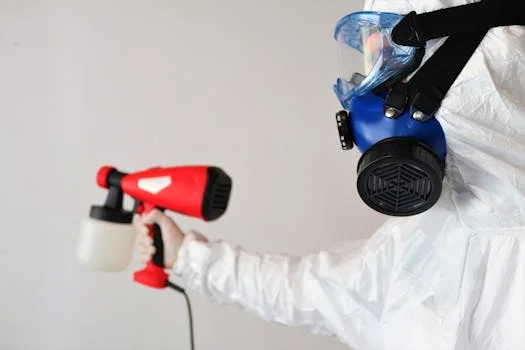
Effective medical wastewater disinfection and contaminant removal are paramount for Jacksonville hospitals, targeting stringent effluent quality. Typical removal targets include 95% for BOD, 98% for TSS, 99.9% for fecal coliform, and 90% for pharmaceuticals, as guided by FDEP (2024). Selecting the appropriate treatment technology depends heavily on the hospital's size, effluent profile, and final discharge route.
Three primary technologies are commonly evaluated for hospital wastewater treatment: Membrane Bioreactors (MBR), Dissolved Air Flotation (DAF), and chlorine dioxide disinfection. An MBR system for pharmaceutical and pathogen removal offers superior effluent quality due to its membrane filtration, typically requiring a footprint of 0.5 m²/m³/day and consuming approximately 0.8 kWh/m³ of energy. DAF systems are effective for removing suspended solids, fats, oils, and grease, with a larger footprint of 1.2 m²/m³/day and lower energy consumption at 0.3 kWh/m³. Chlorine dioxide is a powerful disinfectant, requiring a dosage of 2–5 mg/L and a contact time of 30 minutes for pathogen inactivation. For detailed chlorine dioxide dosing for hospital effluent, further specifications can be found in dedicated guides.
A typical process flow for on-site hospital wastewater treatment systems begins with screening to remove large solids, followed by equalization in a tank (minimum 50,000-gallon capacity for hospitals with >100 beds) to balance flow and contaminant loads. This pre-treatment prepares the water for biological treatment, often utilizing activated sludge (A/O) or an MBR system for advanced organic and nutrient removal. The final stage involves disinfection, commonly achieved with on-site chlorine dioxide generators for hospital effluent or UV disinfection, before discharge. For applications requiring robust solids separation and clarification prior to biological treatment, a dissolved air flotation (DAF) machine can be integrated into the primary treatment stage.
While emerging technologies like polyurethane microspheres show promise, demonstrating 92% dye removal and 99% bacteria capture (per Top 3 page), they are not yet approved for Jacksonville surface water discharge by FDEP (2024 status: pilot testing only). Therefore, hospitals must rely on proven and FDEP-approved technologies for compliance.
| Technology | Primary Function | Typical Footprint (m²/m³/day) | Typical Energy Consumption (kWh/m³) | Key Advantages | Key Limitations |
|---|---|---|---|---|---|
| Membrane Bioreactor (MBR) | BOD, TSS, Pathogen, Pharmaceutical Removal | 0.5 | 0.8 | High effluent quality, small footprint, robust pathogen removal | Higher capital cost, membrane fouling potential |
| Dissolved Air Flotation (DAF) | TSS, Oil & Grease, COD Removal | 1.2 | 0.3 | Effective for high solids/FOG, lower energy than MBR | Requires chemical addition, generates sludge, limited pathogen removal |
| Chlorine Dioxide Disinfection | Pathogen Inactivation | Minimal (for generator) | 0.05 (for generator) | Highly effective against wide range of pathogens, less pH-dependent than chlorine | Requires on-site generation, safety concerns with handling, no BOD/TSS removal |
Cost Benchmarks for Hospital Wastewater Treatment in Jacksonville (2025)
Understanding the financial implications is critical for hospitals planning wastewater infrastructure upgrades in Jacksonville. Capital costs for on-site systems, such as an MBR system for pharmaceutical and pathogen removal, typically range from $120–$250 per gallon per day (gpd) of capacity. For example, a 5,000 gpd MBR system could represent a capital investment of approximately $600,000. In contrast, connecting to centralized treatment facilities might incur $50–$100 per gpd, based on WRI’s 2024 pricing.
Operational and maintenance (O&M) costs for hospital wastewater treatment in Jacksonville vary by technology, generally falling between $0.85–$2.10 per 1,000 gallons. MBR systems, due to membrane cleaning and aeration, typically have O&M costs around $1.80 per 1,000 gallons. DAF systems, with their chemical and power requirements, average $1.20 per 1,000 gallons, while chlorine dioxide disinfection systems are more economical at approximately $0.95 per 1,000 gallons, according to 2024 Jacksonville vendor surveys. For comprehensive details on primary vs. secondary treatment costs, refer to our engineering breakdown with cost per kg BOD removed.
Permitting costs are a significant upfront expense. An FDEP permit can range from $1,200–$5,000, and a JEA industrial pretreatment application may add $500–$2,000. Sludge disposal, an unavoidable byproduct of wastewater treatment, also contributes to O&M. Costs for landfill disposal in Jacksonville are typically $150–$300 per ton, while beneficial reuse options, when available, can reduce costs to $80–$120 per ton, as per Duval County 2024 rates. Efficient sludge dewatering equipment, such as a plate and frame filter press, can significantly reduce disposal volumes and costs, aligning with effective sludge management strategies for hospitals.
Return on Investment (ROI) drivers extend beyond avoiding penalties. JEA sewer surcharges, such as $0.008 per gallon for effluent exceeding 250 mg/L BOD, can be substantial. FDEP penalties for violations, reaching $10,000 per day, represent a significant financial risk. Conversely, water reuse incentives, including a $0.50 per gallon rebate for reclaimed water systems, offer a pathway to offset operational costs and enhance sustainability.
| Cost Category | Typical Range (2025 Jacksonville) | Notes |
|---|---|---|
| Capital Cost (On-site System) | $120–$250 per gpd | e.g., $600K for 5,000 gpd MBR |
| Capital Cost (Centralized Connection) | $50–$100 per gpd | Based on WRI 2024 pricing |
| O&M Cost (per 1,000 gallons) | $0.85–$2.10 | MBR: $1.80, DAF: $1.20, Chlorine Dioxide: $0.95 |
| FDEP Permitting Fees | $1,200–$5,000 | Initial application and renewal |
| JEA Pretreatment Application | $500–$2,000 | Industrial Pretreatment Program |
| Sludge Disposal (Landfill) | $150–$300 per ton | Based on volume and hazardous classification |
| Sludge Disposal (Beneficial Reuse) | $80–$120 per ton | Duval County 2024 rates, if applicable |
| JEA Sewer Surcharges | $0.008/gallon for >250 mg/L BOD | Potential savings from pretreatment |
| FDEP Penalties | $1,000–$10,000 per day/violation | Cost of non-compliance |
| Water Reuse Incentives | $0.50/gallon rebate | For approved reclaimed water systems |
Vendor Checklist: How to Select a Jacksonville Hospital Wastewater Treatment Provider
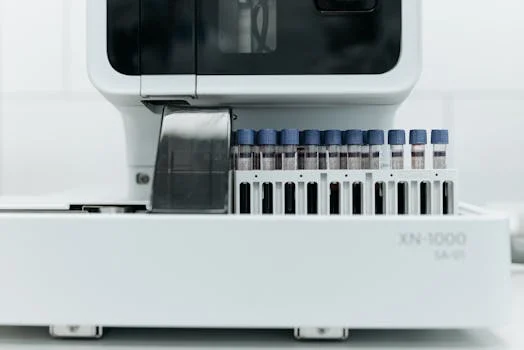
Selecting the right Jacksonville wastewater treatment vendors is a critical decision that impacts long-term compliance, operational efficiency, and cost. A structured vendor evaluation framework is essential. Local Engineering, Procurement, and Construction (EPC) firms, such as Water Recovery, LLC (WRI), JEA Engineering Solutions, and Environmental Systems Inc., offer specialized services ranging from turnkey system installations to retrofits and compliance-only solutions tailored to the Jacksonville market. It is important to match their specialty with your hospital's specific needs.
Key equipment suppliers for hospital wastewater treatment include HydropureWater, which specializes in MBR and DAF systems, Evoqua Water Technologies for advanced disinfection solutions like chlorine dioxide, and Xylem for UV disinfection technologies. When engaging with potential providers, specific questions are paramount. Ask, 'Can you provide a Jacksonville-specific compliance guarantee that covers FDEP and JEA requirements?', 'What is your average system uptime for similar hospital installations?', and 'Do you offer 24/7 local service and support?' These questions help assess their commitment and capability to handle the unique demands of medical facilities.
Watch for red flags that could indicate a less-than-ideal partnership. These include vendors who lack FDEP-licensed operators on staff, cannot provide references from other Jacksonville hospitals, or do not offer performance guarantees for critical parameters like pharmaceutical removal. Such deficiencies can lead to compliance issues, operational failures, and unexpected costs down the line. Contract structures also vary, encompassing design-build agreements (typically 12–18 months for completion), lease-to-own options ($5,000–$15,000 per month), or O&M-only contracts ($2,000–$8,000 per month), each with distinct financial and operational implications.
Frequently Asked Questions
What is the difference between hospital wastewater and municipal wastewater?
Hospital wastewater contains a higher concentration of pharmaceuticals, antibiotic resistance genes, and disinfectants, in addition to elevated levels of BOD and TSS compared to typical municipal wastewater, requiring more advanced treatment.
Does JEA require hospitals to pretreat wastewater before discharging to sewers?
Yes, JEA requires hospitals to pretreat wastewater if they discharge more than 25,000 gallons per day or if their effluent exceeds specific local limits, such as 250 mg/L for BOD or COD, to protect the municipal sewer system.
What are the penalties for non-compliance with FDEP Chapter 62-620?
Non-compliance with FDEP Chapter 62-620 can result in significant penalties ranging from $1,000 to $10,000 per day per violation, in addition to mandatory corrective action orders issued by the FDEP.
Can hospitals reuse treated wastewater in Jacksonville?
Yes, hospitals can reuse treated wastewater for non-potable applications such as irrigation or cooling towers, but this requires obtaining a specific FDEP reuse permit and receiving approval from JEA for the proposed reuse plan.
How often does JEA inspect hospital wastewater systems?
JEA inspects hospital wastewater systems quarterly for facilities discharging more than 50,000 gallons per day, and annually for smaller systems, to ensure ongoing compliance with industrial pretreatment requirements.