Chlorine dioxide generator specifications for industrial and municipal plants cover method, capacity, efficiency, residual control, and potable certification. Typical packaged output spans 50 g/h to 20 kg/h, with chemical trains often above 95% conversion. On-site ClO2 comes from 3-chemical vacuum reactors or sodium chlorite electrolysis. Potable plants still track the EPA chlorine dioxide MRDL of 0.8 mg/L (as ClO2) and the chlorite MCL of 1.0 mg/L under 40 CFR 141.
How Chlorine Dioxide Generators Work: Chemical vs. Electrochemical Methods
Chlorine dioxide generators produce ClO2 on site by 3-chemical reaction of sodium chlorite with chlorine formed from hypochlorite and acid, or by electrolyzing sodium chlorite. Chemical trains typically reach 95% to 98% conversion. Electrochemical units use one precursor, more power, and hydrogen venting. Packaged capacities usually span 50 g/h to 20 kg/h.
The 3-chemical process is a two-stage reaction run under vacuum for containment. Sodium hypochlorite (often 12.5% NaOCl) first reacts with hydrochloric acid (often 15% HCl) to form chlorine gas in situ. That chlorine then reacts with sodium chlorite (often 25% NaClO2) to yield ClO2. The balanced final-stage equation is: 2NaClO2 + Cl2 → 2ClO2 + 2NaCl. Municipal plants and large cooling circuits still prefer this route when bulk chemicals are already on site. Engineers often integrate PLC-controlled chemical dosing systems for ClO2 generation to hold precursor ratios steady as flow changes.
Electrochemical generators electrolyze sodium chlorite directly and drop the acid and bleach inventory. They lean on PLC PID loops and flow pacing to hold residual near ±0.1 ppm under stable demand. Salt is the main aqueous byproduct of chemical trains. Electrochemical cells release small hydrogen volumes that need forced ventilation and interlocks. Specifiers often choose this layout for hospital wastewater treatment standards and ClO2 disinfection requirements when acid storage is restricted.
| Feature | 3-Chemical System | Electrochemical System |
|---|---|---|
| Primary Reaction | NaClO2 + NaOCl + HCl | Electrolysis of NaClO2 |
| Main Byproduct | NaCl (Salt) | Hydrogen (H2) Gas |
| Control Logic | Vacuum-driven / Flow Paced | PLC-integrated / PID Control |
| Primary Application | Large Municipal / Industrial | Healthcare / Food & Beverage |
What Formula Sizes Chlorine Dioxide Generator Yield?
Chlorine dioxide generator yield for continuous disinfection is sized from flow times target residual, then raised for oxidant demand. The working formula is (Flow rate in m³/h) × (Target ClO2 residual in mg/L) = g/h of ClO2 required. A plant treating 1,000 m³/h to a 0.5 mg/L residual needs 500 g/h of net ClO2 before demand and safety margin. Surface water and industrial effluent often need a further 20–30% margin. TOC, ammonia, and turbidity consume oxidant before a residual appears.
Packaged capacity bands still run from about 50 g/h for localized healthcare loops to more than 20 kg/h for large cooling circuits. The Chlorine Dioxide (ClO₂) Generator for Water Disinfection covers that modular 50 g/h–20 kg/h band. Teams can match duty without buying a permanently oversized reactor. Most plants we size for cooling or batch process water run nearer the lower third of nameplate once demand is measured.
Turn-down ratio decides whether low-flow hours stay accurate. Chemical generators typically offer about 10:1 turn-down, so a 1,000 g/h unit can still meter near 100 g/h. Electrochemical skids more often sit near 5:1. If demand falls below minimum output, residual control drifts and over-dosing risk rises at night or on weekends.
| Application Scale | Typical Flow Rate (m³/h) | Recommended Capacity (g/h) | Target Residual (mg/L) |
|---|---|---|---|
| Small Hospital | 10 – 50 | 50 – 100 | 0.2 – 0.5 |
| Mid-Sized Municipal | 500 – 2,000 | 500 – 2,500 | 0.4 – 0.8 |
| Large Cooling Tower | 5,000+ | 5,000 – 20,000 | 0.5 – 1.5 |
Chlorine Dioxide Generator Specifications for Efficiency and Residuals
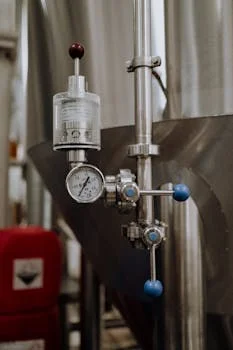
Conversion efficiency is the share of sodium chlorite that becomes ClO2 rather than residual chlorite. Chemical systems typically achieve 95% to 98% conversion under design precursor ratios and residence time. Unreacted chlorite remains in finished water. The EPA chlorite MCL is 1.0 mg/L under 40 CFR 141.64. A train at 90% conversion sheds far more chlorite than one at 98% for the same ClO2 dose. Efficiency is a compliance control, not only a chemical-cost line.
Residual accuracy sits next to conversion on the datasheet. Chemical generators commonly hold about ±0.2 ppm. Electrochemical cells often claim ±0.1 ppm when analyzers and pacing are healthy.Chemical reactors still need roughly 5–10 minutes of chamber residence time for full conversion. Electrochemical cells generate ClO2 almost immediately and shrink skid length.
Precursor mass reveals real OPEX. A standard 3-chemical system needs about 1.6 to 1.8 kg of sodium chlorite to make 1 kg of ClO2. Spec sheets above about 2.0 kg chlorite per kg ClO2 usually signal poor conversion or short residence time. Electrochemical units can cut precursor mass by roughly 20–30% by avoiding excess acid and bleach. That saving is offset by higher kWh per kg ClO2.
Which Specs Do Chlorine Dioxide Generator Engineers Compare First?
Process engineers ranking generator options usually start with conversion, turn-down, residual accuracy, storage, and certification before CAPEX. Large industrial sites that already store bleach and acid still pick chemical trains for lowest oxidant unit cost and 10:1 turn-down. Hospitals and food plants with acid-storage limits often pay higher CAPEX for electrochemical skids to cut the chemical footprint.
| Parameter | Chemical (3-Chemical) | Electrochemical | Notes |
|---|---|---|---|
| Conversion Efficiency | 95% – 98% | 90% – 95% | Higher is better for DBP compliance |
| Residual Accuracy | ±0.2 ppm | ±0.1 ppm | Critical for 0.8 mg/L EPA limit |
| Chemical Storage | High (3 Precursors) | Low (1 Precursor) | Impacts site safety & insurance |
| Energy Demand | Minimal (Pumps only) | High (Electrolysis cell) | Measured in kWh per kg ClO2 |
| Maintenance | Quarterly Pump/Valve Service | Weekly Electrode Cleaning | Electrochemical has more "touch" time |
| Capital Cost (CAPEX) | Lower | Higher | Electrochemical cells are expensive |
Procurement logic is usually binary after the duty is clear. Drinking-water service at high flow still defaults to a chemical generator with NSF/ANSI 61 materials and purity documentation. Cooling towers with swinging organic load favor the wider chemical turn-down. Basement rooms with weak acid-fume ventilation push teams toward electrochemical designs. Pair the generator choice with chemical selection and handling guidelines for ClO2 precursors before the storage layout is frozen.
Compliance and Safety Standards Your Generator Must Meet
Potable-water chlorine dioxide generators must satisfy NSF/ANSI 61 so wetted parts do not leach contaminants above health-effect limits. Output quality is then governed by EPA 40 CFR 141. The chlorine dioxide MRDL is 0.8 mg/L (as ClO2) per §141.65, and the chlorite MCL is 1.0 mg/L per §141.64. Municipal operators still treat daily residual and chlorite checks as primary compliance tools. Analyzer quality belongs on the same purchase order as the reactor.
Site rules shape the skid as much as water chemistry. OSHA 29 CFR 1910.1200 drives hazard communication and secondary containment for sodium chlorite. Containment volume is commonly sized for 110% of the largest tank. Chemical trains must keep concentrated chlorite and hydrochloric acid physically separated. Uncontrolled mixing outside the reactor can release ClO2 gas. Electrochemical packages avoid acid bulk storage but still need hydrogen sensors, forced-air ventilation, and emergency shut-off logic.
Cost Drivers, Selection Checklist, and Next Step
Total cost of ownership splits between CAPEX and OPEX. OPEX on a 3-chemical train is dominated by about 1.6 to 1.8 kg of sodium chlorite per 1 kg of ClO2. A mid-range 500 g/h package often lists equipment CAPEX starting near $40,000 before installation, analyzers, and chemical storage. Electrochemical CAPEX runs higher because of the cell stack. Its OPEX shifts toward power and more frequent electrode cleaning.
Use this short checklist before freezing a vendor bid:
- Peak and minimum flow (m³/h) with measured or estimated oxidant demand
- Target residual (mg/L) and whether the EPA 0.8 mg/L ClO2 MRDL applies
- Required conversion efficiency and chlorite MCL headroom at 1.0 mg/L
- Turn-down need (about 10:1 chemical vs about 5:1 electrochemical)
- Precursor storage limits, ventilation, and 110% containment space
- NSF/ANSI 61 documentation if the water is potable
- Analyzer, PLC pacing, and spare-parts lead times
Who this is for: plant engineers and EPC teams specifying on-site ClO2 for drinking water, process water, cooling, or healthcare reuse loops. Who should look elsewhere: buyers seeking only bottled ClO2 delivery with no on-site generator, or medical uses outside water-treatment engineering. For a duty-matched quote on the Chlorine Dioxide Generator (50 g/h–20 kg/h capacity), send flow, residual target, and water-quality data through our request-quote form.
Frequently Asked Questions
What capacity chlorine dioxide generator do I need?
Multiply treated flow in m³/h by the target ClO2 residual in mg/L to get base g/h demand. A 1,000 m³/h plant aiming for 0.5 mg/L needs 500 g/h before oxidant demand. Add 20–30% for surface water or industrial effluent with high TOC or turbidity. Then confirm the generator turn-down covers your lowest sustained flow without overshooting residual.
Is chemical or electrochemical generation better for my plant?
Chemical 3-precursor systems usually win on large municipal and industrial duties where bulk chemicals are already managed and 10:1 turn-down is required. Electrochemical units fit hospitals and food plants that cannot store hydrochloric acid and need tighter residual bands near ±0.1 ppm. Compare conversion efficiency, power use, and hydrogen or acid safety space before ranking CAPEX alone.
What EPA limits apply to chlorine dioxide and chlorite?
According to US EPA 40 CFR 141.65, the chlorine dioxide MRDL is 0.8 mg/L as ClO2. According to 40 CFR 141.64, the chlorite MCL is 1.0 mg/L. Generator conversion efficiency and residual control accuracy directly affect both limits. Daily monitoring remains standard for community systems that apply ClO2 as a disinfectant or oxidant.
How much sodium chlorite does a generator consume?
A well-tuned 3-chemical generator typically consumes about 1.6 to 1.8 kg of sodium chlorite per 1 kg of ClO2 produced. Consumption above about 2.0 kg/kg usually means conversion losses or short reactor residence time. Electrochemical systems can reduce precursor mass by roughly 20–30%, offset by higher kWh per kg ClO2.
Do potable ClO2 generators need NSF certification?
Yes. Generators used on drinking water are commonly specified to NSF/ANSI 61 for health effects of materials and generated solution contact. NSF/ANSI 61 addresses contaminant leaching, not disinfection kill claims. Pair certification paperwork with EPA residual and chlorite monitoring plans before startup.