Why Sludge Dewatering is Critical for Uganda’s Wastewater Projects
Uganda’s sludge disposal costs range from $50 to $120 per ton for wet sludge at landfills compared to $15 to $30 per ton for dewatered solids, according to NEMA 2023 data. In Uganda, sludge dewatering equipment reduces disposal costs by 60–80% by lowering sludge volume and moisture content (typically from 95% to 70–80%). For 2025 projects, key considerations include throughput (5–50 m³/h), energy efficiency (0.5–2 kWh/m³), and compliance with NEMA discharge limits (TSS < 50 mg/L, BOD < 30 mg/L). Equipment types—belt presses, screw presses, and filter presses—vary in capital cost ($15,000–$120,000), operational complexity, and suitability for industrial vs. municipal sludge.
The urgency for advanced sludge management in Uganda is driven by the rapid industrialization of corridors like Jinja and Luwero. Currently, fecal sludge management in Kampala remains a significant challenge; reports from the SEEK project (2024) indicate that approximately 80% of sludge remains untreated, with only 20% processed via traditional sand drying beds. These traditional methods are increasingly insufficient for industrial applications due to large land requirements and vulnerability to Uganda’s equatorial rainfall patterns, which prevent consistent drying. Environmental risks are also escalating, with NEMA’s 2024 reports highlighting leachate contamination from untreated sludge within the Lake Victoria basin as a primary threat to regional water security.
Operational efficiency gains are best illustrated by a textile factory in Jinja that recently transitioned from drying beds to a mechanical screw press. By reducing sludge volume by 75%, the facility cut its monthly disposal costs from $2,000 to $500. For most industrial wastewater treatment Uganda projects, three primary dewatering mechanisms are utilized: gravity thickening (often used as a pre-treatment), mechanical pressure (belt and filter presses), and screw-driven compression. While drying beds remain a viable low-cost option for rural municipal sites with abundant land, industrial facilities are mandated to adopt mechanical systems to meet tightening NEMA enforcement standards.
Sludge Dewatering Equipment Types: Technical Specifications for Uganda
Mechanical sludge dewatering equipment types used in Uganda achieve final cake solids concentrations ranging from 15% to 35% depending on the specific mechanical mechanism employed. Selecting the right technology requires balancing throughput requirements with the specific characteristics of the sludge, such as high organic content in municipal waste or high chemical solids in industrial effluent. For facilities requiring high-clarity filtrate, a high-efficiency plate and frame filter press for Ugandan industrial sludge is often the preferred choice due to its ability to handle high-solid loads from tanneries or mining operations.
Technical specifications vary significantly across the three main categories of equipment:
- Belt Press Dewatering: Operates at a throughput of 5–50 m³/h with a resulting moisture content of 75–85%. Energy consumption typically ranges from 0.8–1.5 kWh/m³. These systems rely on a series of rollers to squeeze water from the sludge and require consistent belt replacement every 6–12 months.
- Screw Press Dewatering: Offers a throughput of 3–30 m³/h and achieves 70–80% moisture content. This is the most energy-efficient mechanical option (0.5–1.2 kWh/m³) and is ideal for high-fiber sludge, such as those found in paper mills or food processing plants. Refer to screw press dewatering specifications for industrial applications for detailed torque and wear-part data.
- Filter Press Dewatering: Provides the highest dewatering efficiency with a throughput of 1–20 m³/h and moisture content as low as 65–75%. It requires 1.5–2 kWh/m³ and is best suited for heavy industrial sludge.
- Drying Beds: These have a low throughput of 0.5–2 m³/m²/day and require 10–14 days to reach 60–70% moisture. While they have zero energy cost, the land footprint makes them impractical for urban industrial zones.
Chemical conditioning is a prerequisite for all mechanical dewatering in Uganda. Due to the high organic content typical of local municipal sludge, PAM dosing for sludge dewatering is essential to facilitate flocculation. Standard dosing rates range from 0.5–3 kg of Polyacrylamide (PAM) per ton of dry solids. To ensure precision, many facilities integrate a PLC-controlled chemical dosing system for sludge conditioning to prevent chemical waste and ensure consistent cake quality.
| Specification | Belt Press | Screw Press | Filter Press | Drying Beds |
|---|---|---|---|---|
| Throughput (m³/h) | 5 – 50 | 3 – 30 | 1 – 20 | 0.5 – 2 (m³/m²/d) |
| Final Moisture (%) | 75 – 85% | 70 – 80% | 65 – 75% | 60 – 70% |
| Energy Use (kWh/m³) | 0.8 – 1.5 | 0.5 – 1.2 | 1.5 – 2.0 | 0 |
| Maintenance Cycle | 6 – 12 Months | 2 – 3 Years | 1 – 2 Years | Frequent (Manual) |
| Footprint | Medium | Small | Medium | Very Large |
Cost Comparison: Sludge Dewatering Equipment in Uganda 2025
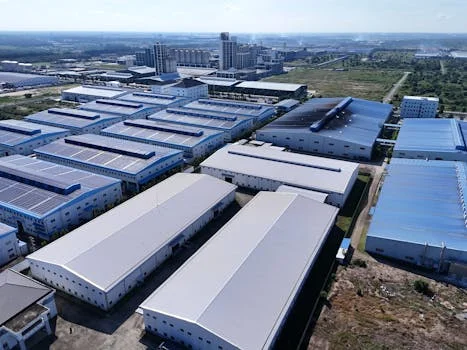
Capital expenditure for industrial sludge dewatering equipment in the Ugandan market for 2025 ranges from $15,000 for small-scale screw presses to over $120,000 for high-capacity automated filter presses. Procurement managers must look beyond the initial purchase price to evaluate the total cost of ownership, which includes electricity, labor, and chemical consumables. In Uganda, electricity costs for industrial users fluctuate between $0.15 and $0.30 per kWh, making energy-efficient equipment like screw presses increasingly attractive for long-term projects. For a broader regional perspective, engineers may compare these figures with sludge dewatering equipment in Nigeria: cost and compliance comparison.
Operating costs are dominated by three factors: energy, labor, and chemicals. PAM chemicals cost approximately $2 to $5 per ton of dry solids. Labor costs typically involve 1 to 2 operators per shift, depending on the level of automation. Maintenance costs are also significant; for example, replacing filter cloths in a press can cost between $1,000 and $3,000 annually, while belt replacements for a belt press range from $2,000 to $5,000 per year.
The Return on Investment (ROI) for mechanical dewatering is often achieved within 24 months. Consider a brewery in Kampala producing 20 m³/h of sludge. By installing a belt press and reducing sludge volume, the facility can save approximately $80 per ton in disposal fees. With these savings, the payback period for a $60,000 investment is estimated at 18 to 24 months. Financing for such projects is increasingly available through NEMA-managed environmental grants for industrial upgrades and World Bank-funded municipal programs aimed at protecting the Lake Victoria ecosystem.
| Cost Element | Belt Press | Screw Press | Filter Press |
|---|---|---|---|
| Capital Cost (USD) | $30,000 – $80,000 | $20,000 – $60,000 | $40,000 – $120,000 |
| Annual Maintenance | $2,000 – $5,000 | $1,500 – $4,000 | $1,000 – $3,000 |
| Chemical Cost (per ton) | $2 – $5 | $2 – $5 | $2 – $4 |
| Operator Req. | 1 – 2 Persons | 0.5 Persons | 1 Person |
| Typical ROI | 20 – 30 Months | 18 – 24 Months | 24 – 36 Months |
Uganda’s Regulatory Compliance for Sludge Dewatering
NEMA’s 2024 discharge standards mandate that industrial effluent must maintain Total Suspended Solids (TSS) levels below 50 mg/L and Biological Oxygen Demand (BOD) below 30 mg/L. These regulations are strictly enforced in industrial hubs, where non-compliance can lead to heavy penalties. For example, a Kampala-based hospital was recently fined $15,000 for disposing of non-compliant, high-moisture sludge that led to groundwater contamination, as documented in the NEMA 2023 enforcement report. NEMA sludge disposal regulations also restrict landfilling of sludge with a moisture content exceeding 80%, effectively mandating mechanical dewatering for most urban facilities.
The permitting process for installing new dewatering equipment involves several steps. Industrial facilities must conduct an Environmental Impact Assessment (EIA) or a Project Brief for smaller upgrades. NEMA approval timelines generally range from 6 to 12 weeks. NEMA has begun implementing mandatory certification for imported dewatering machinery to ensure that equipment meets local power and efficiency standards. Facilities must also obtain specific permits for the incineration of hazardous sludge, which is only permitted if the moisture content is reduced to levels that support combustion.
Compliance also extends to the management of "sludge liquor" or filtrate. The water removed during the dewatering process is often high in Nitrogen and Phosphorus. Under current Uganda sludge management laws, this filtrate must be recycled back to the head of the wastewater treatment plant or treated separately to meet COD limits of < 100 mg/L before discharge into municipal sewers or natural water bodies.
Supplier Decision Framework: How to Choose Sludge Dewatering Equipment in Uganda
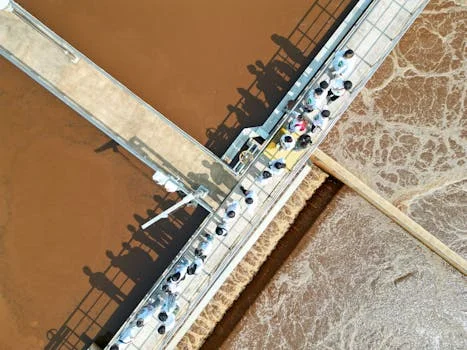
Effective supplier evaluation for Ugandan wastewater projects requires a technical audit of local maintenance capabilities and spare parts lead times, which typically range from 2 to 12 weeks. Choosing between a local distributor and an international OEM involves weighing the benefits of immediate support against the technical depth of the manufacturer. For instance, a sugar factory in Lugazi recently switched suppliers after experiencing a 3-month delay in receiving filter press cloths from an overseas vendor; they now utilize a distributor with a Kampala-based warehouse that maintains a 2-week lead time for critical wear parts.
When evaluating Uganda wastewater equipment suppliers, engineers should use a standardized decision framework. A critical "red flag" is the lack of Ugandan references; any supplier should be able to provide at least three local sites where their equipment has been operational for over 12 months. Additionally, pilot testing is highly recommended. A 1–2 week trial using a mobile screw press or pilot-scale filter press can verify performance with the facility's specific sludge chemistry, preventing costly mismatches after full-scale procurement.
| Evaluation Criteria | Question for Supplier | Target Response |
|---|---|---|
| Local Presence | Do you have a registered service center in Uganda? | Physical office in Kampala/Jinja |
| Spare Parts | What is the lead time for belts/screws/cloths? | < 14 days for common parts |
| Compliance | Is the equipment NEMA-certified for local use? | Documentation provided |
| Training | Do you provide on-site operator training? | Minimum 5 days included |
| References | Can we visit a local installation in Uganda? | At least 2 local references |
| Warranty | What is the standard warranty period? | 12 – 36 months |
| Automation | Does it include PLC integration for dosing? | Yes, with remote monitoring |
Finally, consider the long-term partnership value. Suppliers that offer remote monitoring and preventive maintenance contracts are preferable for facilities with limited in-house engineering staff. This ensures that the sludge moisture content in Uganda projects remains within regulatory limits consistently, avoiding the risk of intermittent non-compliance and the associated NEMA fines.
Frequently Asked Questions
What is the best sludge dewatering equipment for a small Ugandan factory?A screw press is generally the best option for small to medium Ugandan factories. It offers low maintenance, high energy efficiency (0.5–1.2 kWh/m³), and a compact footprint, making it ideal for facilities processing 5–15 m³/h of sludge.
How much does sludge dewatering equipment cost in Uganda?Prices range from $20,000 to $120,000 depending on the technology and capacity. Screw presses are often the most cost-effective for smaller volumes, while automated filter presses represent the higher end of the price spectrum for heavy industrial use.
What are the NEMA requirements for sludge disposal in Uganda?NEMA requires that sludge destined for landfills must have a moisture content of less than 80%. Additionally, any liquid discharged back into the environment must meet TSS limits of < 50 mg/L and BOD limits of < 30 mg/L.
Can I use a drying bed for industrial sludge in Uganda?While technically possible, drying beds are rarely recommended for industrial sludge due to the high volume and NEMA moisture limits. Mechanical dewatering is required to ensure consistent compliance, especially during Uganda's rainy seasons.
Where can I buy sludge dewatering equipment in Uganda?Equipment can be sourced through international manufacturers with Ugandan distributors or via specialized water engineering firms in Kampala. Always ensure the supplier provides local after-sales support and spare parts.
Related Equipment
The following HydropureWater products are engineered for the wastewater challenges discussed above:
- high-efficiency plate and frame filter press for Ugandan industrial sludge — view specifications, capacity range, and technical data
- PLC-controlled chemical dosing system for sludge conditioning — view specifications, capacity range, and technical data
Need a customized solution? Request a free quote with your specific flow rate and pollutant parameters.