Sludge Dewatering Equipment in Nigeria 2025: Engineering Guide with Costs, Specs & Supplier Decision Framework
In Nigeria, sludge dewatering equipment costs range from ₦5M for small screw presses (5 m³/h) to ₦50M+ for industrial belt presses (50 m³/h), with geotube systems offering a low-CAPEX alternative (₦3M–₦10M per project). NESREA’s 2024 guidelines mandate ≥25% dry solids content for landfill disposal, making equipment selection critical for compliance. Key factors include sludge type (e.g., high-organic food waste vs. mineral-rich oil sludge), throughput needs, and local vendor support for polymer supply and maintenance. This guide provides Nigeria-specific technical specs, cost benchmarks, and a decision framework to match equipment to your project’s requirements.Why Nigerian Factories and Municipalities Are Struggling with Sludge Disposal in 2025
Non-compliant sludge disposal incurs significant financial penalties and operational shutdowns for Nigerian industries and municipalities. NESREA’s 2024 penalty structure (NESREA/LEMA/2024/01) imposes fines ranging from ₦2M to ₦10M, or even mandates 6-month shutdowns, for violations such as exceeding permissible dry solids content or improper waste management. For instance, a Lagos textile plant faced recurring fines due to inadequate sludge dewatering, disposing of high-moisture sludge (3–5% initial solids, 85% organic content) at unregulated sites. After implementing a screw press system, the plant successfully reduced its disposal costs by 60% by achieving higher dry solids content, making landfilling more economical and compliant. Common Nigerian sludge types present distinct dewatering challenges. Food processing industries (e.g., breweries, dairies) generate high-organic sludge with low mineral content, which often requires gentle dewatering methods to prevent polymer shear. In contrast, the oil & gas sector produces mineral-rich sludge, often containing hydrocarbons, which can blind filtration media and necessitate robust equipment. Municipal wastewater treatment plants typically handle mixed organic and inorganic sludge, requiring versatile dewatering solutions. Nigeria’s inherent power instability significantly impacts equipment selection; a 20 m³/h belt press, for example, often requires a dedicated 30 kVA backup generator to ensure continuous operation and prevent process disruptions, adding to the overall CAPEX and OPEX.How Sludge Dewatering Equipment Works: Mechanisms, Efficiency, and Trade-offs
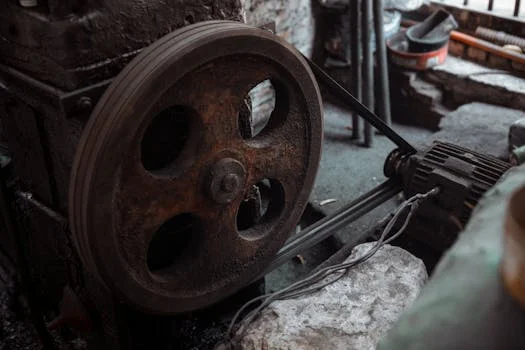
Screw press: This equipment employs a progressive compression mechanism where sludge is fed into a cylindrical chamber containing a rotating screw. As the screw rotates, the volume between the screw flights decreases, gradually compressing the sludge and expelling water through a perforated screen. Screw presses typically achieve a dry solids output of 20–30% and consume 2–5 kg of polymer per ton of dry solids. Their low shear forces make them particularly suitable for high-organic sludge, such as food waste, preventing floc destruction and improving cake dryness.
Belt press: Belt presses utilize a three-stage process: gravity drainage, a wedge zone, and a high-pressure zone, where sludge is sandwiched between two porous belts. Water drains through the belts as they pass over rollers of decreasing diameter. Typical dry solids output ranges from 18–25%, with polymer consumption between 3–7 kg/ton. Belt presses are highly sensitive to sludge variability; for instance, oil sludge can blind the belts, reducing efficiency and increasing wash water requirements.
Geotube: Geotubes offer a passive dewatering solution, consisting of large, permeable geotextile bags into which sludge is pumped. Water drains through the fabric pores while solids are retained inside. This process, enhanced by filtration and evaporation, typically achieves 15–22% dry solids without flocculants, increasing to 25–35% with polymer conditioning. Geotubes are ideal for large-scale lagoon cleanouts or municipal wastewater treatment plants, with project-based costs ranging from ₦3M–₦10M per installation.
Filter press: Filter presses operate on a batch basis, using hydraulic pressure to compress sludge between a series of plates covered with filter cloth. This mechanism achieves the highest dry solids output, typically 30–40%, by forming a dense filter cake. While highly effective, filter presses are labor-intensive due to manual cake discharge. A common feed system for thick sludge in Nigeria is the Atlas Copco WEDA S50 pump, available for approximately ₦1.8M (per Jiji.ng). For high-efficiency filter press for Nigerian sludge dewatering, HydropureWater offers advanced solutions.
| Equipment Type | Dewatering Mechanism | Typical Dry Solids Output (%) | Polymer Consumption (kg/ton dry solids) |
|---|---|---|---|
| Screw Press | Progressive mechanical compression | 20–30 | 2–5 |
| Belt Press | Gravity drainage + mechanical pressure via belts | 18–25 | 3–7 |
| Geotube | Passive filtration + evaporation | 15–22 (25–35 with flocculants) | 0–2 (if used) |
| Filter Press | Batch mechanical compression via plates | 30–40 | 1–3 |
Sludge Dewatering Equipment Specifications: Nigeria-Specific Performance Data
Selecting the optimal sludge dewatering equipment in Nigeria requires a detailed evaluation of performance parameters adjusted for local conditions and sludge characteristics. For instance, a 10 m³/h screw press (₦8M) typically achieves 25% dry solids with 3 kg/ton polymer, while a 10 m³/h belt press (₦15M) achieves 22% dry solids with 5 kg/ton polymer, highlighting a trade-off between CAPEX and dry solids output. Nigeria-specific adjustments are crucial: throughput capacities for high-organic sludge (e.g., food processing waste) should be reduced by 15% to account for slower dewatering rates, and polymer consumption for mineral-rich sludge (e.g., oil & gas) may increase by 20% due to higher charge density.| Equipment Type | Throughput (m³/h) | Dry Solids Output (%) | Polymer Consumption (kg/ton dry solids) | Power Requirement (kW) | Footprint (m²) | CAPEX (₦) | OPEX (₦/ton dry solids) |
|---|---|---|---|---|---|---|---|
| Screw Press (5 m³/h) | 3–5 | 20–30 | 2–5 | 3–5 | 5–8 | 5M–8M | 1,500–2,500 |
| Screw Press (20 m³/h) | 15–20 | 20–30 | 2–5 | 8–12 | 15–25 | 18M–25M | 1,500–2,500 |
| Belt Press (10 m³/h) | 8–10 | 18–25 | 3–7 | 5–8 | 10–15 | 12M–15M | 1,800–3,000 |
| Belt Press (50 m³/h) | 40–50 | 18–25 | 3–7 | 20–30 | 40–60 | 45M–55M | 1,800–3,000 |
| Geotube (500 m³ project) | Project-specific | 15–22 (25–35 with flocculants) | 0–2 (if used) | 0 (passive) | 100–300 | 3M–10M | 500–1,500 |
| Filter Press (10 m³/h) | 8–10 | 30–40 | 1–3 | 10–15 | 20–30 | 20M–35M | 1,000–2,000 |
Data sources: Admir Africa/GeoACE specs + HydropureWater field data & Nigeria vendor quotes (2025 estimates).
Buyers also consider used equipment, with Jiji.ng listings showing 30–50% discounts. However, these machines often lack warranties and carry significant risks, such as worn belts, corroded screws, or failing gearboxes. A thorough inspection checklist should include checking for over 20% wear on screw flights, integrity of filter belts, and operational history to mitigate potential failures.
Cost Breakdown: Sludge Dewatering Equipment in Nigeria (2025 Prices)
| Equipment Type | Equipment CAPEX (₦) | Installation (₦) | Polymer (₦/ton dry solids) | Maintenance (₦/year) | Total Cost of Ownership (₦/ton dry solids over 5 years) |
|---|---|---|---|---|---|
| Screw Press (5 m³/h) | 5M–8M | 0.8M–1.5M | 1,500–2,500 | 0.5M–0.8M | 6,000–10,000 |
| Belt Press (20 m³/h) | 12M–18M | 2M–3M | 1,800–3,000 | 1M–1.5M | 7,500–12,000 |
| Geotube (500 m³ project) | 3M–10M (project) | 0.5M–2M | 500–1,500 | 0.2M–0.5M | 2,000–5,000 |
| Filter Press (10 m³/h) | 20M–35M | 3M–5M | 1,000–2,000 | 1.5M–2M | 5,000–9,000 |
Import duties significantly influence equipment costs: new dewatering equipment (HS Code 8421.29) attracts a 20% duty, while used equipment (HS Code 8421.29.90) is subject to a 10% duty. Notably, geotube systems may qualify for a reduced 5% duty as 'environmental goods' (NCS/2024/ENV). Local vendor markups can add 15–30% for Lagos-based suppliers (e.g., Chemiron, Zartech), whereas direct imports from manufacturers (e.g., via Alibaba) might incur lower markups of 5–10% but come with longer lead times (12–16 weeks versus 4–6 weeks for local stock). Operational costs further include electricity at an industrial tariff of ₦65/kWh, and labor costs of approximately ₦150,000/month for an operator and ₦200,000/month for a supervisor, contributing to the overall OPEX.
NESREA and Lagos State Compliance: What Nigerian Buyers Must Know
Adhering to Nigeria’s stringent sludge disposal regulations is paramount for industrial and municipal operations to avoid severe penalties and operational disruptions. NESREA’s 2024 guidelines (NESREA/LEMA/2024/01) mandate a minimum of 25% dry solids content for sludge destined for landfill disposal and a maximum of 10% organic content for agricultural reuse. Additionally, the Lagos State Environmental Protection Agency (Lagos State EPA) imposes a stricter limit of ≤5% for heavy metals (Lead, Cadmium, Mercury) in sludge intended for any form of reuse or disposal within the state. Equipment selection directly impacts compliance. Screw presses, with their typical output of 20–30% dry solids, generally meet landfill requirements, particularly when optimized for higher dryness. Geotubes, while cost-effective, may produce sludge with 15–22% dry solids, potentially requiring post-treatment such as lime addition to achieve the 25% threshold for landfill. For industries generating high-solids sludge, a high-efficiency filter press for Nigerian sludge dewatering can consistently achieve 30–40% dry solids output, ensuring full compliance. A Port Harcourt oil refinery, for instance, significantly reduced its NESREA fines by 80% after upgrading from traditional drying beds to a filter press, achieving the mandated 35% dry solids output for its mineral-rich sludge. Permitting is another critical step: NESREA Form 12 (Sludge Disposal Plan) requires detailed equipment specifications, throughput data, and the proposed disposal method. The Lagos State EPA charges a ₦500,000 processing fee for such permits (2025 fee). only NESREA-approved flocculants, such as Chemiron’s C-492, must be used for polymer conditioning; non-approved polymers, often cheaper Chinese imports, risk fines up to ₦1M.How to Choose the Right Sludge Dewatering Equipment for Your Nigerian Project

Step 1: Characterize your sludge. Begin by thoroughly analyzing your sludge’s organic vs. mineral content, initial solids percentage, and flow rate. For example, a Lagos food processing plant generating 15 m³/h of sludge with 5% initial solids and high organic content would benefit from a screw press due to its low shear forces, which preserve floc structure, or a belt press for high throughput. Mineral-rich sludge from an oil & gas facility, conversely, might necessitate a filter press for superior dryness and chemical resistance.
Step 2: Match equipment to compliance needs. Align your equipment choice with NESREA and Lagos State EPA regulations. For landfill disposal in Lagos, aim for equipment that consistently produces ≥25% dry solids. If agricultural reuse is a consideration, ensure the dewatered sludge has ≤10% organic content and, crucially for Lagos, ≤5% heavy metals. Geotubes, while economical, may require supplementary treatment to meet higher dry solids requirements.
Step 3: Evaluate CAPEX vs. OPEX. Analyze the trade-off between initial capital expenditure (CAPEX) and ongoing operational expenses (OPEX). A ₦8M screw press might have lower CAPEX but potentially higher OPEX due to polymer consumption (e.g., ₦1,500/kg polymer) compared to a ₦15M belt press with slightly higher CAPEX but potentially lower OPEX (e.g., ₦1,200/kg polymer) for specific sludge types. Consider the long-term cost implications of energy consumption, labor, and maintenance.
Step 4: Assess local vendor support. Prioritize suppliers offering robust local support. This includes a reliable polymer supply chain (e.g., Chemiron’s Lagos warehouse), comprehensive maintenance contracts with guaranteed response times (e.g., 24-hour service), and readily available spare parts (e.g., belt press rollers, screw flights stocked in Nigeria). Poor local support can lead to prolonged downtime and increased operational costs. For precise polymer dosing, consider an automatic chemical dosing system for Nigerian sludge conditioning to optimize consumption.
Step 5: Calculate ROI. Quantify the return on investment (ROI) using the formula: (Annual disposal cost savings – Annual OPEX) / CAPEX. For instance, a ₦15M belt press that saves ₦12M/year in disposal costs (by reducing sludge volume) while incurring ₦5M/year in OPEX yields an 80% ROI in approximately 2 years, making it a financially sound investment.
| Decision Factor | Recommendation for High-Organic Sludge (Food Processing, 5% solids, 15 m³/h) | Recommendation for Mineral-Rich Sludge (Oil & Gas, 10% solids, 10 m³/h) | Recommendation for Large-Scale Lagoon Cleanout (Municipal, variable solids, 100 m³/h) |
|---|---|---|---|
| Sludge Type & Flow | Screw Press (low shear) or Belt Press (high throughput) | Filter Press (high dryness, robust) | Geotube (high volume, passive) |
| Compliance Target | ≥25% dry solids for landfill | ≥30% dry solids for landfill; ≤5% heavy metals for reuse | ≥25% dry solids for landfill (may need flocculants) |
| CAPEX vs. OPEX | Balance: Screw press lower CAPEX, Belt press potentially lower OPEX | Higher CAPEX for Filter Press, but lower OPEX per ton dry solids | Low CAPEX for Geotube, very low OPEX |
| Local Support | Prioritize suppliers with local polymer stock and quick maintenance | Ensure spare parts for robust equipment are locally available | Confirm geotextile supplier has local project management experience |
| ROI Example | ₦8M Screw Press saving ₦6M/year disposal, ₦3M OPEX = 37.5% ROI (2.7 years) | ₦25M Filter Press saving ₦15M/year disposal, ₦6M OPEX = 36% ROI (2.8 years) | ₦7M Geotube project saving ₦8M/year disposal, ₦1M OPEX = 100% ROI (0.9 years) |
Frequently Asked Questions About Sludge Dewatering Equipment in Nigeria
Addressing common questions about sludge dewatering equipment in Nigeria provides immediate clarity for engineers and procurement officers facing unique local challenges. Understanding the specific costs, compliance requirements, and operational considerations is crucial for successful project implementation. For comparison with other regional standards, refer to West African sludge dewatering regulations compared or East African sludge dewatering cost benchmarks.Q: How much does a small sludge dewatering machine cost in Nigeria?
A: Small screw presses with a capacity of 5 m³/h typically cost between ₦5M and ₦8M for new units. Used machines can be found starting from ₦2.5M on platforms like Jiji.ng, but often come without warranties. Geotube systems, suitable for smaller projects, range from ₦3M to ₦5M per installation (per Admir Africa).
Q: What are the NESREA requirements for sludge disposal in Nigeria?
A: NESREA mandates a minimum of 25% dry solids content for sludge destined for landfill disposal. For agricultural reuse, the sludge must contain ≤10% organic content. The Lagos State EPA further requires a ≤5% limit on heavy metals (Pb, Cd, Hg) for sludge disposal within the state (NESREA/LEMA/2024/01).
Q: Can I use a dewatering pump instead of a screw press?
A: Dewatering pumps, such as the WEDA S50 (approximately ₦1.8M), are designed to transfer sludge but do not reduce its volume or increase its dry solids content. For effective dewatering and volume reduction necessary for disposal compliance, dewatering pumps must be paired with dedicated dewatering equipment like geotubes or filter presses.
Q: How do I handle power instability with sludge dewatering equipment?
A: To ensure continuous operation amidst Nigeria’s power instability, it is advisable to install a 30–50 kVA backup generator, which typically costs between ₦2M and ₦4M. Screw presses can tolerate brief outages, but belt presses require uninterrupted power to prevent belt tracking issues and potential damage.
Q: Where can I buy polymer for sludge dewatering in Nigeria?
A: Reputable local suppliers for sludge dewatering polymers include Chemiron (Lagos), Zartech (Port Harcourt), and Dangote Chemicals (Abuja). Prices generally range from ₦1,200 to ₦2,500/kg. Proper storage in airtight containers is crucial to prevent humidity absorption, which can compromise the polymer's effectiveness.
Related Equipment
- high-efficiency filter press for Nigerian sludge dewatering — view specifications, capacity range, and technical data
- PLC-controlled polymer dosing for Nigerian sludge conditioning — view specifications, capacity range, and technical data
Need a customized solution? Request a free quote with your specific flow rate and pollutant parameters.