Why Sludge Dewatering Equipment is Critical for Kenya’s Wastewater Treatment
In Kenya, effective sludge dewatering equipment is paramount for controlling wastewater treatment expenses and adhering to stringent environmental regulations. The costs associated with sludge disposal can be substantial, ranging from KES 3,000 to KES 15,000 per ton (approximately USD 20–100 per ton) for landfill tipping fees, according to National Environment Management Authority (NEMA) data from 2024. Mechanical dewatering offers a significant advantage by reducing sludge volume by 70–90%, directly translating into proportional savings on transportation and disposal fees. Beyond cost savings, regulatory drivers are pushing for better sludge management. NEMA's 2025 effluent standards, which mandate Total Suspended Solids (TSS) below 30 mg/L and Chemical Oxygen Demand (COD) below 125 mg/L, necessitate efficient dewatering processes. the ban on untreated sludge dumping in Nairobi County underscores the urgency for advanced treatment solutions. For instance, a Nairobi-based food processing plant successfully slashed its sludge disposal costs by 55% after implementing a filter press system, demonstrating the tangible financial benefits of adopting appropriate dewatering technology (data extrapolated from Vikas Pump case references).
Sludge Dewatering Technologies Compared: Filter Press vs Screw Press vs Centrifuge vs Belt Press
Selecting the correct sludge dewatering technology is a critical decision for Kenyan industries and municipalities, as each method offers distinct advantages in terms of performance, cost-effectiveness, and suitability for various sludge types. The choice significantly impacts operational efficiency and compliance with local regulations. Filter presses, for example, are known for achieving the highest dry solids content, typically between 90–95%, making them ideal for industrial sludges where maximum volume reduction is prioritized. Screw presses offer a balance, yielding 70–85% dry solids with notably lower energy consumption, making them a cost-effective option for municipal sludge. Centrifuges provide high throughput, achieving 80–90% dry solids, and are particularly effective for oily sludges or when rapid processing is required. Belt presses, while achieving 75–85% dry solids, generally have higher maintenance needs, often requiring frequent belt replacement. Energy consumption varies considerably; screw presses are the most efficient at 0.2–0.5 kWh/m³, followed by filter presses at 0.1–0.3 kWh/m³, with centrifuges consuming the most at 0.8–1.5 kWh/m³. Maintenance requirements also differ; screw presses are favored for their low maintenance and self-cleaning capabilities, whereas belt presses demand more attention. Locally, filter presses and screw presses are readily available from various suppliers, whereas centrifuges often require importation, leading to longer lead times of 8–12 weeks. The throughput capacity for these technologies can range from 5–500 m³/h, depending on the specific model and manufacturer, as indicated by data from suppliers like Opal Industrial. Matching the technology to the specific characteristics of the sludge—whether it's municipal, industrial, or oily—is paramount for optimal performance and cost management.
| Technology | Dry Solids (%) | Throughput Range (m³/h) | Energy Consumption (kWh/m³) | Maintenance Needs | Sludge Type Suitability | Local Availability |
|---|---|---|---|---|---|---|
| Filter Press | 90–95% | 5–100 | 0.1–0.3 | Low to Moderate | Industrial, high solids, difficult-to-dewater | Good |
| Screw Press | 70–85% | 5–200 | 0.2–0.5 | Low, self-cleaning | Municipal, low abrasion, general industrial | Good |
| Centrifuge | 80–90% | 10–500 | 0.8–1.5 | Moderate | Oily sludge, high throughput, variable solids | Requires Import (8–12 weeks) |
| Belt Press | 75–85% | 10–300 | 0.3–0.6 | High (frequent belt replacement) | Municipal, de-gritting sludge | Moderate |
Technical Specifications for Sludge Dewatering Equipment in Kenya
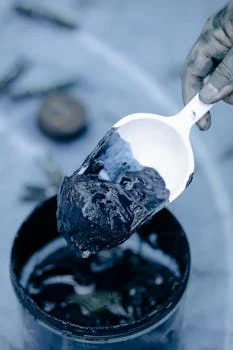
For engineers in Kenya tasked with selecting and integrating sludge dewatering equipment, a thorough understanding of technical specifications is essential. These parameters dictate performance, longevity, and compatibility with existing infrastructure. Flow rates are a primary consideration, with equipment typically available for capacities ranging from 5 to 500 m³/h, as noted in the product specifications of suppliers like Opal Industrial. Material selection is crucial for durability, especially when dealing with corrosive industrial wastewater. Stainless steel grades such as 304 and 316 are commonly used for such applications, while cast iron is often sufficient for municipal sludge. Motor power for these units can vary significantly, from 2.2 kW for smaller screw presses to 30 kW or more for larger filter presses or centrifuges, depending on the model and required processing capacity, as reported by manufacturers like Vikas Pump. The desired sludge cake thickness also influences technology choice; filter presses typically produce cakes between 20–40 mm thick, while screw presses yield thinner cakes of 5–15 mm. Chemical conditioning, primarily through polymer dosing, is often required to enhance dewatering efficiency. The typical polymer dosage ranges from 3 to 10 kg per ton of dry solids, with local polymer costs in Kenya ranging from KES 1,200 to KES 2,500 per kilogram. Space constraints within existing treatment plants are also a vital factor. For equivalent throughput, a filter press might occupy a footprint of 10–50 m², whereas a screw press could require as little as 5–20 m². When evaluating options, consider HydropureWater’s plate and frame filter presses for high-efficiency sludge dewatering, which are designed to meet these stringent technical requirements. for pre-treatment steps, DAF systems can be integrated for sludge thickening in industrial applications.
| Specification | Typical Range/Value | Notes |
|---|---|---|
| Flow Rate | 5–500 m³/h | Model and technology dependent |
| Construction Materials | Stainless Steel (304/316), Cast Iron | Corrosive sludge requires stainless steel |
| Motor Power | 2.2–30 kW | Influenced by size and technology |
| Sludge Cake Thickness | 5–40 mm | Varies by technology (e.g., 20–40 mm for filter press, 5–15 mm for screw press) |
| Polymer Dosage | 3–10 kg/ton dry solids | Local cost: KES 1,200–2,500/kg |
| Footprint (Equivalent Throughput) | 5–50 m² | Screw press generally smaller than filter press |
| Control System | PLC-based automation | Enhances operational control and safety |
For high-efficiency sludge dewatering, HydropureWater’s plate and frame filter presses are engineered with robust construction and advanced automation to meet these demanding technical specifications.
Cost Benchmarks for Sludge Dewatering Equipment in Kenya (2025)
Budgeting for sludge dewatering equipment in Kenya requires a clear understanding of both capital expenditure (CAPEX) and operational expenditure (OPEX). For 2025, the CAPEX for a filter press typically ranges from KES 2.5 million to KES 15 million, depending on size and features. Screw presses generally represent a lower CAPEX, ranging from KES 1.8 million to KES 8 million. Imported centrifuges, due to shipping and duties, command a higher CAPEX, from KES 5 million to KES 25 million. Operational costs are equally important for long-term financial planning. Energy consumption can be estimated at KES 5–20 per cubic meter of sludge processed. Polymer costs, a significant OPEX component, range from KES 3,600 to KES 25,000 per ton of dry sludge, depending on the sludge type and polymer efficiency. Annual maintenance costs can vary from KES 200,000 to KES 1 million, influenced by equipment type and usage frequency. Labor costs for operating dewatering equipment typically require 1–2 operators per shift, with monthly salaries ranging from KES 30,000 to KES 50,000 per operator. It is crucial to factor in import duties, which can add approximately 25% to the cost of non-East African Community (EAC) sourced equipment, as per Kenya Revenue Authority 2024 tariffs. With these figures, the return on investment (ROI) for industrial applications can be realized within 12–36 months, primarily driven by the reduction in sludge disposal costs. For financing, leasing options are available from local financial institutions such as KCB and Equity Bank, typically at interest rates of 12–18%.
| Cost Component | Range (KES) | Notes |
|---|---|---|
| CAPEX - Filter Press | 2,500,000 – 15,000,000 | Excludes installation and ancillaries |
| CAPEX - Screw Press | 1,800,000 – 8,000,000 | Generally lower CAPEX than filter presses |
| CAPEX - Centrifuge | 5,000,000 – 25,000,000 | Includes import costs |
| OPEX - Energy | 5 – 20 per m³ | Based on electricity tariffs |
| OPEX - Polymer | 3,600 – 25,000 per ton dry solids | Varies with sludge characteristics and polymer type |
| OPEX - Maintenance | 200,000 – 1,000,000 per year | Includes spare parts and service |
| Labor | 30,000 – 50,000 per operator per month | Skilled operators required |
| Import Duties | ~25% | For non-EAC sourced equipment |
| ROI | 12–36 months | Industrial applications, based on disposal savings |
How to Select the Right Sludge Dewatering Equipment for Your Project

Navigating the complexities of sludge dewatering equipment selection requires a structured approach. The process begins with a comprehensive sludge characterization. This involves laboratory testing to determine key parameters such as Total Suspended Solids (TSS), viscosity, pH, and oil content. Such tests typically cost between KES 15,000 and KES 50,000 per sample. Following characterization, accurately determine the required throughput in cubic meters per hour (m³/h) and the target dry solids content. For instance, landfill compliance often mandates a dry solids content of 90% or higher. Space constraints within the treatment facility are a critical consideration; a filter press generally requires a larger footprint than a screw press for equivalent processing capacity. A thorough assessment of the available budget is essential, weighing the upfront CAPEX against long-term OPEX trade-offs. For example, a screw press might have a lower CAPEX and lower operating energy costs, making it attractive for long-term operational savings. Finally, evaluate the local supplier support network. Key factors include the availability of spare parts, the responsiveness of technical service teams, and the existence of comprehensive service contracts. This systematic framework ensures that the selected equipment aligns with technical requirements, operational goals, and financial constraints.
Decision Framework for Sludge Dewatering Equipment Selection:
- Step 1: Sludge Characterization
- Conduct lab tests for TSS, viscosity, pH, oil content.
- Cost: KES 15,000–50,000 per sample.
- Step 2: Define Performance Requirements
- Determine required throughput (m³/h).
- Set target dry solids content (e.g., >90% for landfill).
- Step 3: Assess Site Constraints
- Evaluate available footprint for equipment.
- Consider power and water supply availability.
- Step 4: Budget Analysis & Trade-offs
- Compare CAPEX vs. OPEX for different technologies.
- Prioritize low OPEX for long-term cost reduction.
- Step 5: Supplier & Support Evaluation
- Check local availability of spare parts.
- Assess after-sales service and technical support.
Technology Selection Flowchart:
- If sludge is oily or requires very high dry solids: Consider a centrifuge or a high-performance filter press.
- If sludge is municipal or has low abrasiveness and cost-efficiency is key: A screw press is often the optimal choice.
- If space is limited and high throughput is needed: A centrifuge might be suitable, but consider higher energy costs.
- If maximum dry solids are paramount and batch processing is acceptable: A filter press is highly effective.
Top 5 Sludge Dewatering Equipment Suppliers in Kenya (2025)
Identifying reliable suppliers is as crucial as selecting the right technology. In Kenya's market for sludge dewatering equipment, several key players offer a range of solutions and support services. Opal Industrial Solutions is recognized for its comprehensive offerings, including pumps and Dissolved Air Flotation (DAF) systems, with a strong presence in Nairobi and Mombasa and a commitment to 24/7 support. Vikas Pump is a prominent manufacturer of industrial pumps and water treatment plants, holding ISO 9001 certification, indicating a focus on quality and process control. Atlas Copco Kenya provides WEDA sludge pumps, known for their robust performance, though their local stock may be limited, necessitating consideration of import lead times for specialized equipment. Ecocycle focuses on biological wastewater treatment systems, including SBR and DAF technologies, offering integrated solutions for certain wastewater challenges. BOREDO Supplies Ltd. is an emerging supplier in the market, specializing in sludge dryers and presenting competitive pricing. When selecting a supplier, it is vital to consider not only the initial equipment cost but also crucial factors like lead times for non-stocked items (often 8–12 weeks for imported machinery) and the quality of after-sales support, whether it's locally based or managed from overseas. A thorough evaluation of these suppliers will ensure a successful procurement and long-term operational success.
| Supplier | Key Offerings | Strengths | Considerations |
|---|---|---|---|
| Opal Industrial Solutions | Pumps, DAF systems | Strong local presence (Nairobi/Mombasa), 24/7 support | Focus on pumps and DAF, full dewatering scope may vary |
| Vikas Pump | Industrial pumps, Water Treatment Plants | ISO 9001 certified, established manufacturer | Specialization in pumps and treatment plants |
| Atlas Copco Kenya | WEDA sludge pumps | Global warranty, reliable pump technology | Limited local stock for specialized dewatering equipment |
| Ecocycle | Biological treatment systems (SBR, DAF) | Expertise in biological processes, integrated solutions | Primary focus on biological treatment |
| BOREDO Supplies Ltd. | Sludge dryers | Emerging supplier, competitive pricing | Newer to the market, broader equipment range may be limited |
Frequently Asked Questions
What is the best sludge dewatering equipment for a small-scale food processing plant in Kenya? For a small-scale food processing plant in Kenya, a compact screw press or a smaller-capacity filter press is often the most suitable option. Screw presses offer good dry solids content, low energy consumption, and ease of operation with minimal maintenance, making them ideal for continuous operation. Filter presses, while requiring more manual operation, can achieve higher dry solids, which is beneficial if disposal costs are a major concern. The choice depends on the specific sludge characteristics (e.g., fat content) and the desired level of automation and dry solids.
How much does a filter press cost in Kenya, and what is the ROI? In Kenya, the Capital Expenditure (CAPEX) for a filter press can range from KES 2.5 million to KES 15 million, depending on its size, plate material, and automation level. The Return on Investment (ROI) is typically realized within 12 to 36 months for industrial applications. This is primarily achieved by reducing sludge volume by up to 90%, significantly cutting down transportation and landfill tipping fees, which can cost KES 3,000–15,000 per ton.
Can I use a sludge pump for dewatering, or do I need a dedicated system? A sludge pump is primarily designed for transferring sludge from one point to another, not for the process of dewatering itself. While some pumps, like those from Atlas Copco's WEDA range, are designed for thick, wet mud, they do not mechanically separate water from solids. Dedicated sludge dewatering equipment, such as filter presses, screw presses, or centrifuges, is required to achieve significant water removal and produce a dry sludge cake. Pumps are essential for conveying sludge to these dewatering systems.
What are the NEMA requirements for sludge disposal in Kenya? NEMA's 2025 effluent standards mandate stringent limits for Total Suspended Solids (TSS) below 30 mg/L and Chemical Oxygen Demand (COD) below 125 mg/L. While specific sludge disposal regulations are detailed in environmental impact assessment guidelines and county by-laws, the general requirement is that sludge must be treated to a level that does not pose a risk to public health or the environment. Untreated sludge dumping, particularly in urban areas like Nairobi County, is banned. Dewatering is a critical step in meeting these disposal requirements by reducing volume and improving handling characteristics.
How do I reduce polymer consumption in sludge dewatering? Reducing polymer consumption in sludge dewatering involves optimizing the chemical conditioning process. This includes ensuring proper polymer preparation and aging, accurate dosing based on real-time sludge characteristics, and good mixing within the sludge stream. Selecting the correct type of polymer for the specific sludge is crucial. Regular calibration of the polymer dosing system and monitoring of cake dryness and filtrate clarity can help fine-tune dosages. For instance, if the filtrate is cloudy, it may indicate over-dosing or insufficient mixing. Conversely, a very wet cake might suggest under-dosing or an inappropriate polymer type. The local cost of polymer in Kenya is KES 1,200–2,500/kg, making optimization a significant cost-saving measure.
Related Equipment
- HydropureWater’s plate and frame filter presses for high-efficiency sludge dewatering — view specifications, capacity range, and technical data
- DAF systems for pre-thickening sludge before dewatering — view specifications, capacity range, and technical data
Need a customized solution? Request a free quote with your specific flow rate and pollutant parameters.