Hospital Wastewater Treatment in Bloemfontein: 2025 Engineering Guide with Local Compliance, Costs & Equipment Checklist
In Bloemfontein, hospital wastewater requires specialized treatment to remove pharmaceutical residues (e.g., antibiotics, hormones) and pathogens (e.g., SARS-CoV-2, yeast) before discharge into the Bloemspruit, Bloemfontein NE, or Botshebelo WWTPs. Local compliance demands COD < 75 mg/L and TSS < 25 mg/L (DWS 2024), but hospital effluents often exceed 500 mg/L COD and 1,000 CFU/mL fecal coliforms. This guide provides 2025 engineering specs, equipment selection criteria, and cost benchmarks for systems achieving 99%+ pharmaceutical removal and 6-log pathogen reduction.Why Bloemfontein Hospitals Need Specialized Wastewater Treatment
Hospital effluent contributes 15–20% of pharmaceutical residues in Bloemfontein’s municipal wastewater treatment plants (WWTPs), posing a significant environmental and public health risk (per 2023 study in *Science of the Total Environment*). These residues, including antibiotics like ciprofloxacin and anticonvulsants like carbamazepine, are often resistant to conventional municipal treatment processes, leading to their persistence in receiving waters. Beyond pharmaceuticals, hospital wastewater is a known reservoir for highly resilient pathogens; SARS-CoV-2 RNA was detected at 10^4–10^6 copies/L in the Northern Eastern WWTP influent in 2022 (NICD 2022 data). a 2024 study confirmed the presence of pathogenic yeast, such as *Candida auris*, in three out of five Bloemfontein WWTPs (PMC 2024), highlighting the broader microbiological threat. Typical hospital wastewater composition significantly exceeds standard domestic effluent, presenting a complex challenge for existing infrastructure. Influent parameters commonly range from COD 300–1,200 mg/L, BOD 150–600 mg/L, and TSS 200–800 mg/L, with pharmaceutical concentrations often reaching 1–100 μg/L (per WHO 2023 hospital effluent guidelines). These elevated levels, combined with the presence of multi-drug resistant organisms and endocrine-disrupting compounds, necessitate advanced pre-treatment or on-site specialized hospital wastewater treatment systems to protect public health and ensure compliance with stringent South African discharge regulations. Failure to implement effective treatment not only risks environmental contamination but also carries severe penalties for non-compliant facilities.Bloemfontein’s Wastewater Treatment Infrastructure: Capacities and Gaps
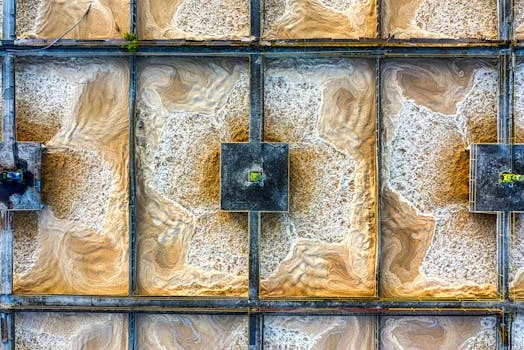
| WWTP Name | Capacity (ML/day) | Primary Treatment | Secondary Treatment | Tertiary Treatment | Limitations for Hospital Effluent |
|---|---|---|---|---|---|
| Bloemspruit WWTP | 50 | Screening, Grit Removal, Primary Clarification | Activated Sludge (Conventional) | Chlorination (Basic) | No advanced oxidation for pharmaceuticals; struggles with high COD/BOD. |
| Bloemfontein NE WWTP | 30 | Screening, Grit Removal, Primary Clarification | Activated Sludge (Conventional) | None | Struggles with COD > 500 mg/L; limited pathogen removal; no pharmaceutical removal. |
| Botshebelo WWTP | 20 | Screening, Grit Removal | Activated Sludge (Basic) | None | No tertiary treatment; requires strict pre-treatment for hospital waste. |
South African and Free State Discharge Limits for Hospital Wastewater
Compliance with South African and Free State provincial discharge limits is mandatory for all hospitals in Bloemfontein, with specific parameters targeting the unique contaminants found in medical wastewater. Nationally, the Department of Water and Sanitation (DWS 2024) mandates general effluent quality limits for discharge into municipal sewers or directly into water resources. These include a Chemical Oxygen Demand (COD) of less than 75 mg/L, Biological Oxygen Demand (BOD) less than 25 mg/L, Total Suspended Solids (TSS) less than 25 mg/L, fecal coliforms below 1,000 CFU/100 mL, and ammonia nitrogen less than 10 mg/L. The Free State provincial limits introduce more stringent requirements, particularly for pharmaceuticals and endocrine disruptors, reflecting their environmental impact. Hospitals are required to ensure ciprofloxacin concentrations are below 1 μg/L and carbamazepine below 0.5 μg/L. Additionally, endocrine disruptors like estradiol must be less than 0.01 μg/L. Before discharge to the municipal sewer, hospital-specific pre-treatment requirements further stipulate that COD must be below 250 mg/L and TSS below 100 mg/L (per Free State DWS 2024 guidelines). Non-compliance with these regulations carries severe penalties under the National Water Act 1998, Section 151, including fines up to ZAR 500,000 or imprisonment for up to 10 years, underscoring the critical need for robust on-site treatment solutions.Treatment Technologies for Hospital Wastewater: How They Work and What They Remove
Comparing Hospital Wastewater Treatment Systems: MBR vs. DAF vs. Ozone vs. ClO₂
Selecting the optimal hospital wastewater treatment system in Bloemfontein requires a detailed comparison of available technologies based on performance, cost, and suitability for local infrastructure and stringent compliance needs. While each technology offers distinct advantages, their combined application or specific deployment depends on the hospital’s effluent profile and discharge goals. MBR systems for hospital wastewater treatment in Bloemfontein offer the highest overall removal efficiencies, achieving 95%+ COD removal, 90–95% pharmaceutical removal, and 6-log pathogen reduction. This comprehensive treatment makes MBR ideal for facilities aiming for water reuse or direct discharge to sensitive environments, despite its relatively high CAPEX (ZAR 25,000–40,000/m³ of capacity) and energy usage. Conversely, DAF pre-treatment for hospital effluent in Bloemfontein systems, while having the lowest CAPEX (ZAR 8,000–15,000/m³), is primarily effective for TSS and FOG removal (70–90%) with limited pharmaceutical reduction (30–50%), making it best suited as a robust pre-treatment stage. For advanced pharmaceutical removal, ozone offers excellent performance with 80–95% pharmaceutical oxidation and 6-log pathogen reduction, though its OPEX can be high (ZAR 5–8/m³) due to energy consumption and the need for bromate monitoring. Chlorine dioxide generators for hospital wastewater disinfection provide a balanced solution, with CAPEX between ZAR 15,000–25,000/m³ and OPEX of ZAR 2–4/m³, achieving 60–80% pharmaceutical removal and 99%+ pathogen kill without the bromate risk of ozone. The choice often comes down to the required effluent quality: MBR for the highest standards, DAF for robust pre-treatment, and ozone or ClO₂ for targeted disinfection and pharmaceutical removal. For compact solutions, compact hospital wastewater treatment systems for Bloemfontein clinics can integrate these technologies.| Technology | COD Removal (%) | Pharmaceutical Removal (%) | Pathogen Reduction (log) | Footprint (m²/m³/day) | CAPEX (ZAR/m³ capacity) | OPEX (ZAR/m³) | Maintenance Complexity | Suitability for Bloemfontein WWTPs |
|---|---|---|---|---|---|---|---|---|
| MBR | 95%+ | 90–95% | 6+ | 0.5–1.0 | 25,000–40,000 | 3–6 | Medium-High (membrane cleaning) | Excellent (for direct discharge or reuse) |
| DAF | 70–90% (TSS/FOG) | 30–50% | 1–2 | 0.8–1.5 | 8,000–15,000 | 1–2 | Low-Medium (sludge handling) | Good (pre-treatment to municipal sewer) |
| Ozone Disinfection | 40–60% (secondary) | 80–95% | 6+ | 0.3–0.8 | 20,000–35,000 | 5–8 | Medium (generator/sensor calibration) | Good (post-treatment for discharge to WWTP) |
| Chlorine Dioxide (ClO₂) | 30–50% (secondary) | 60–80% | 6+ | 0.2–0.5 | 15,000–25,000 | 2–4 | Low-Medium (chemical handling) | Good (post-treatment for discharge to WWTP) |
Cost Breakdown: Hospital Wastewater Treatment in Bloemfontein
Step-by-Step: Designing a Hospital Wastewater Treatment System for Bloemfontein
Designing an effective hospital wastewater treatment system for Bloemfontein requires a systematic approach, beginning with a thorough understanding of the influent and culminating in a robust, compliant solution. Step 1: Characterize Influent. The foundational step is to conduct comprehensive 24-hour composite sampling of the hospital’s wastewater over several days or weeks. This analysis, adhering to standards like ISO 5667-10:2023, must determine critical parameters including COD, BOD, TSS, FOG, pH, heavy metals, specific pharmaceuticals (e.g., ciprofloxacin, carbamazepine), and a broad spectrum of pathogens (e.g., coliforms, *E. coli*, SARS-CoV-2 RNA). This data will dictate the selection and sizing of all subsequent treatment stages. Step 2: Select Pre-treatment. Based on the influent characterization, choose appropriate pre-treatment technologies. For high TSS and FOG loads, a DAF pre-treatment for hospital effluent in Bloemfontein system is highly effective. For larger solids, a rotary mechanical bar screen is essential. This stage removes gross pollutants that could damage downstream equipment or reduce the efficiency of biological processes. Step 3: Choose Secondary and Tertiary Treatment. The selection of the main treatment technology hinges on the desired effluent quality and compliance needs. If the goal is water reuse (e.g., for irrigation or non-potable uses), an MBR system for hospital wastewater treatment in Bloemfontein is often the most suitable due to its high removal efficiencies for pathogens and pharmaceuticals. For discharge to a municipal WWTP, where local pre-treatment limits must be met, a combination of biological treatment followed by advanced disinfection, such as a chlorine dioxide generator for hospital wastewater disinfection, might be sufficient. Consider the overall hospital wastewater treatment standards in other regions for broader context. Step 4: Size System for Peak Flow and Variations. Design the system to handle not only average daily flow but also peak flows, typically 1.5 times the average. Account for seasonal variations, particularly the 20–30% higher flows observed in winter due to increased hospital admissions in Bloemfontein. Undersizing is a common mistake that leads to non-compliance and operational instability. Step 5: Plan for Monitoring and Sludge Management. Implement continuous monitoring systems, such as online COD/TSS sensors (costing ZAR 150,000–300,000), to ensure real-time compliance. Quarterly pharmaceutical testing (ZAR 5,000/sample) is also critical. Neglecting sludge disposal is a common oversight; hazardous sludge can cost ZAR 2,000/ton for proper disposal. Incorporate an automatic chemical dosing system for precise control and consider sludge management for hospital wastewater systems early in the design.Frequently Asked Questions
What are the discharge limits for hospital wastewater in Bloemfontein?
National limits (DWS 2024) for discharge to municipal sewers or water bodies include COD < 75 mg/L, BOD < 25 mg/L, TSS < 25 mg/L, fecal coliforms < 1,000 CFU/100 mL, and ammonia < 10 mg/L. Free State provincial limits also mandate pharmaceuticals like ciprofloxacin < 1 μg/L and carbamazepine < 0.5 μg/L, and endocrine disruptors like estradiol < 0.01 μg/L. Pre-treatment to municipal sewer requires COD < 250 mg/L and TSS < 100 mg/L.
How much does a hospital wastewater treatment system cost in Bloemfontein?
CAPEX ranges from ZAR 150,000–500,000 for a 10 m³/day DAF + ClO₂ system to ZAR 1.2M–3M for a 50 m³/day MBR system. OPEX is typically ZAR 2–8/m³, heavily influenced by local electricity costs (ZAR 2.10/kWh, Eskom 2024) and chemical prices (e.g., chlorine dioxide at ZAR 80/kg), as per 2024 supplier data.
Can hospital wastewater be reused in Bloemfontein?
Yes, hospital wastewater can be reused in Bloemfontein, but only after advanced treatment (e.g., MBR followed by Reverse Osmosis) to meet the stringent SANS 241:2015 standards for non-potable reuse (e.g., irrigation, cooling towers). This requires explicit DWS approval and rigorous quarterly testing, which can cost approximately ZAR 15,000 per test.
What are the penalties for non-compliance?
Non-compliance with South African water discharge regulations can result in severe penalties under the National Water Act 1998, Section 151, including fines up to ZAR 500,000 or imprisonment for up to 10 years. Bloemfontein hospitals collectively paid ZAR 12M in fines in 2023 for pharmaceutical and pathogen violations, according to DWS enforcement reports.
How do I choose between MBR and ozone for pharmaceutical removal?
MBR (Membrane Bioreactor) systems offer comprehensive treatment, removing 90–95% of pharmaceuticals and achieving 6-log pathogen reduction, making them ideal for high-quality effluent or water reuse. However, they have higher CAPEX (ZAR 25,000–40,000/m³). Ozone disinfection also removes 80–95% of pharmaceuticals and provides 6-log pathogen kill, but its OPEX is higher (ZAR 5–8/m³) and requires monitoring for bromate byproduct formation. Choose MBR for stringent reuse applications, and ozone for effective pharmaceutical and pathogen removal before discharge to WWTPs where bromate can be managed.