Hospital Wastewater Treatment in Madhya Pradesh India: 2025 Engineering Guide with Local Compliance, Costs & Equipment Checklist
Madhya Pradesh hospitals generate 2.5–15 KLD of wastewater containing pharmaceuticals, pathogens, and antibiotic-resistant bacteria—40% of facilities currently fail effluent standards (Prospect Legal 2024). The state's 2025 STP regulations mandate <30 mg/L BOD, <100 mg/L COD, and <20 mg/L TSS for hospital discharges. This guide compares MBR, DAF, and chlorine dioxide systems with Madhya Pradesh-specific cost data, compliance checklists, and equipment selection criteria for Bhopal, Indore, and Ujjain healthcare facilities.
Why Madhya Pradesh Hospitals Need Specialized Wastewater Treatment in 2025
Hospital wastewater contains 10–100x higher concentrations of pharmaceuticals, pathogens, and antibiotic-resistant bacteria (ARBs) than municipal sewage, as highlighted by a PMC Ujjain study. This elevated contaminant load necessitates specialized treatment beyond conventional municipal systems to meet stringent environmental standards. A recent report by Prospect Legal (2024) indicates that approximately 40% of hospitals across India are non-compliant with effluent discharge standards, a figure likely mirrored or exceeded in Madhya Pradesh, where enforcement is projected to intensify significantly in 2025.
The Madhya Pradesh Pollution Control Board (MPPCB) has outlined specific 2025 Sewage Treatment Plant (STP) regulations that apply directly to hospital discharges. These mandates require effluent parameters to be less than 30 mg/L for Biochemical Oxygen Demand (BOD), less than 100 mg/L for Chemical Oxygen Demand (COD), and less than 20 mg/L for Total Suspended Solids (TSS). Current constructed wetland systems, often employed in resource-limited settings (PMC Ujjain study), typically achieve only 80–90% removal efficiency for these critical parameters, proving insufficient for upcoming regulations.
Failure to comply carries substantial penalties. For instance, a Bhopal hospital was fined ₹12.5 Lakhs in 2023 for consistently exceeding TSS limits, demonstrating a clear trend of increasing enforcement by the MPPCB. This local enforcement data underscores the urgent need for hospitals in Bhopal, Indore, Ujjain, and across Madhya Pradesh to upgrade their wastewater treatment infrastructure to avoid significant financial penalties and mitigate environmental impact. Understanding these MPPCB wastewater discharge standards is crucial for proactive compliance and sustainable operation.
Hospital Wastewater Contaminant Profile: What Your Treatment System Must Remove
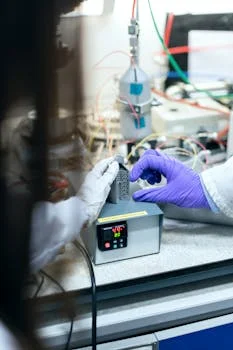
Hospital wastewater exhibits a distinct contaminant profile compared to municipal sewage, requiring specialized treatment systems capable of removing a diverse range of hazardous substances. This unique composition directly influences the design of an effective hospital effluent treatment plant design.
The table below outlines typical contaminant concentrations in hospital wastewater versus municipal wastewater, alongside the critical 2025 MPPCB discharge limits:
| Parameter | Hospital Wastewater (Typical) | Municipal Wastewater (Typical) | 2025 MPPCB Discharge Limit |
|---|---|---|---|
| BOD (mg/L) | 150–400 | 100–300 | <30 |
| COD (mg/L) | 300–800 | 200–600 | <100 |
| TSS (mg/L) | 100–350 | 100–300 | <20 |
| Pharmaceuticals (μg/L) | 1–50 (specific compounds) | <1 (trace) | No specific limit, but requires significant reduction |
| Antibiotic-Resistant Bacteria (CFU/100mL) | 104–106 | 102–104 | Significant log reduction required |
| Heavy Metals (μg/L) | Trace to 500 (Hg, Pb, Cd) | Trace | Specific limits apply (e.g., Hg <0.01 mg/L) |
Pharmaceuticals, including antibiotics and analgesics, are present in hospital effluent at concentrations ranging from 1–50 μg/L. These compounds are largely recalcitrant to conventional biological treatment. Effective removal typically requires advanced oxidation processes (AOPs) like ozonation or UV/H2O2, or membrane filtration technologies such as nanofiltration or reverse osmosis, which break down or physically separate these complex organic molecules.
Antibiotic-resistant bacteria (ARBs) pose a significant public health threat and are abundant in hospital wastewater, often surviving conventional primary and secondary treatment. While constructed wetlands can achieve over 90% removal of some bacterial indicators (PMC Ujjain data), advanced systems like MBR (Membrane Bioreactor) achieve a 99.9%+ log reduction of pathogens and ARBs, crucial for mitigating their environmental spread. This capability for antibiotic-resistant bacteria removal is a key differentiator for modern treatment solutions.
Heavy metals, such as mercury and lead, primarily originate from diagnostic equipment, dental procedures, and laboratory waste within healthcare facilities specific to Madhya Pradesh sources. These require targeted treatment methods like chemical precipitation, where a reagent is added to convert soluble metal ions into insoluble precipitates, or ion exchange, which uses resin beds to selectively remove metal ions from the wastewater stream. For comprehensive medical wastewater treatment, including specialized compact MBR system for hospitals in Madhya Pradesh, consider the HydropureWater compact medical wastewater system.
Treatment Technology Comparison: MBR vs DAF vs Chlorine Dioxide for Madhya Pradesh Hospitals
Selecting the optimal wastewater treatment technology for a hospital in Madhya Pradesh requires a careful evaluation of the facility's size, specific contaminant profile, budget constraints, and regulatory requirements. Each technology—Membrane Bioreactor (MBR), Dissolved Air Flotation (DAF), and Chlorine Dioxide (ClO₂) disinfection—offers distinct advantages and limitations.
| Feature | MBR Systems | DAF Systems | Chlorine Dioxide Disinfection |
|---|---|---|---|
| Footprint | Compact (high biomass concentration) | Moderate (requires clarifier) | Very compact (generator unit) |
| CAPEX (2025 MP) | High (₹20–60L for 50 KLD) | Moderate (₹8–25L for 50 KLD) | Low to Moderate (₹5–15L for 50 KLD) |
| OPEX (2025 MP) | Moderate to High (₹0.5–1.5/m³) | Low to Moderate (₹0.3–0.8/m³) | Low (₹0.2–0.5/m³) |
| BOD/TSS Removal | >95% (<10 mg/L effluent) | 70–90% (primary/secondary) | Minimal (primary disinfection) |
| Pathogen Removal | >99.9% (log reduction) | Low (requires secondary disinfection) | >99.9% (log reduction) |
| Pharmaceutical/ARB Removal | Significant (membrane barrier) | Limited | Moderate (oxidation of some compounds) |
| Maintenance | Membrane cleaning/replacement | Chemical dosing, sludge removal | Generator upkeep, chemical precursor handling |
| Compliance Suitability | Excellent for 2025 MP limits | Good for TSS/FOG, needs post-disinfection | Excellent for disinfection, needs pre-treatment |
MBR systems for hospital wastewater treatment, such as HydropureWater's MBR Integrated Wastewater Treatment System, achieve exceptional effluent quality, typically below 10 mg/L for BOD and TSS, and demonstrate 99.9% pathogen removal. Their compact footprint makes them ideal for 50+ bed hospitals in urban areas like Indore and Bhopal, where space is often limited. MBRs also provide a significant barrier against pharmaceuticals and antibiotic-resistant bacteria, crucial for meeting future environmental mandates.
DAF systems are highly effective at removing fats, oils, grease (FOG) and suspended solids, making them a cost-effective choice for smaller facilities (typically under 50 beds) or as a pre-treatment step for hospitals with high FOG loads, such as those with extensive kitchen or laundry facilities. However, DAF requires precise chemical dosing for coagulation and flocculation, and typically needs a secondary biological treatment and disinfection stage to meet comprehensive discharge limits. For efficient solids and FOG removal, explore HydropureWater's Dissolved Air Flotation (DAF) Machine.
Chlorine dioxide disinfection for hospital wastewater, using systems like the HydropureWater Chlorine Dioxide (ClO₂) Generator, provides 99.9% disinfection efficiency against a broad spectrum of pathogens, including bacteria, viruses, and protozoa. A key advantage is that it produces fewer harmful disinfection byproducts compared to conventional chlorine and requires no large-scale chemical storage, making it critical for hospitals with limited space or strict safety protocols. While excellent for disinfection, ClO₂ alone does not remove BOD, COD, or TSS, necessitating integration with primary and secondary treatment.
A hybrid system often offers the best solution. For example, an Ujjain hospital successfully reduced ARB discharge by 99.5% by implementing an MBR system followed by a chlorine dioxide disinfection unit. This combination leverages the MBR's superior organic and suspended solids removal with the high-level disinfection capabilities of chlorine dioxide, ensuring comprehensive compliance and public health protection.
Madhya Pradesh Hospital Wastewater Treatment Costs: 2025 Budgeting Guide
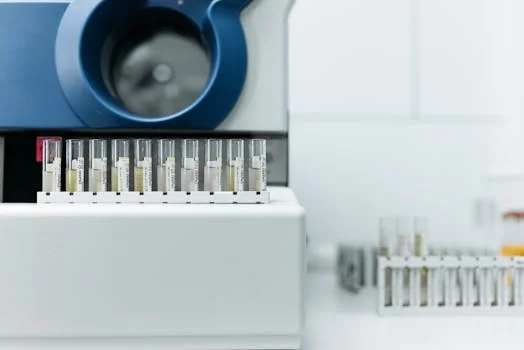
Accurate budgeting for hospital wastewater treatment systems in Madhya Pradesh requires a clear understanding of both Capital Expenditure (CAPEX) and Operational Expenditure (OPEX). Non-compliance can lead to substantial fines, making investment in a robust system a financially prudent decision.
The following table provides estimated cost breakdowns for common 5–50 KLD (kilo-liters per day) systems in the Madhya Pradesh context, reflecting 2025 market rates:
| Cost Category | DAF System (5-20 KLD) | MBR System (20-50 KLD) | ClO₂ Generator (Standalone) |
|---|---|---|---|
| CAPEX (Equipment) | ₹8–15 Lakhs | ₹20–45 Lakhs | ₹3–8 Lakhs |
| Installation & Civil Works | ₹3–10 Lakhs | ₹5–15 Lakhs | ₹0.5–2 Lakhs |
| Total CAPEX Range | ₹11–25 Lakhs | ₹25–60 Lakhs | ₹3.5–10 Lakhs |
| OPEX (per m³ treated) | ₹0.3–0.8 | ₹0.5–1.5 | ₹0.2–0.5 |
| Electricity (₹/m³) | ₹0.1–0.3 | ₹0.2–0.6 | ₹0.05–0.15 |
| Chemicals (₹/m³) | ₹0.15–0.4 | ₹0.1–0.3 (for CIP/cleaning) | ₹0.1–0.3 (precursors) |
| Labor/Maintenance (₹/m³) | ₹0.05–0.1 | ₹0.15–0.4 | ₹0.05–0.1 |
| Membrane Replacement (₹/m³) | N/A | ₹0.1–0.2 (amortized) | N/A |
The CAPEX for a small DAF system (5–20 KLD) in Madhya Pradesh typically ranges from ₹8–25 Lakhs, including equipment and installation. For more advanced MBR systems (20–50 KLD), the investment can range from ₹20–60 Lakhs, reflecting the higher technology and membrane costs. These figures are based on 2025 MP market rates and can vary based on specific site conditions and vendor. For standalone disinfection, a chlorine dioxide generator might cost ₹3.5–10 Lakhs in total CAPEX.
Regarding OPEX, MBR systems generally incur ₹0.5–1.5 per cubic meter (m³) of treated water, encompassing electricity consumption, chemicals for membrane cleaning, and amortized membrane replacement costs. DAF systems, while having lower initial CAPEX, typically have OPEX in the range of ₹0.3–0.8/m³, primarily driven by chemical dosing and sludge disposal. Chlorine dioxide generators boast the lowest OPEX, usually ₹0.2–0.5/m³, mainly for electricity and chemical precursors.
Local cost factors also play a significant role in hospital wastewater CAPEX OPEX. Hospitals located in major urban centers like Bhopal and Indore may experience 15–20% higher installation and labor costs compared to smaller cities like Ujjain, due to differing wage rates and material logistics. Understanding these regional variations is key for accurate budgeting.
A compelling return on investment (ROI) can be demonstrated for MBR systems, which often pay back their initial investment in 3–5 years. For a 100-bed hospital generating 20 KLD of wastewater, an MBR system costing ₹40 Lakhs (CAPEX) could save an estimated ₹3–5 Lakhs annually in avoided fines and potential revenue from water reuse (e.g., for gardening, toilet flushing). This ROI calculation makes advanced treatment an attractive long-term investment for Madhya Pradesh hospitals committed to compliance and sustainability.
Step-by-Step Compliance Checklist for Madhya Pradesh Hospitals in 2025
Ensuring full compliance with Madhya Pradesh's 2025 STP regulations is critical for hospital facility managers to avoid penalties and uphold environmental responsibility. This step-by-step compliance checklist provides an actionable framework for hospitals in Bhopal, Indore, and Ujjain.
- Regulatory Review & Assessment: Thoroughly understand the 2025 MPPCB discharge limits for BOD, COD, TSS, and other parameters relevant to hospital effluent. Conduct an initial wastewater audit to characterize current discharge quality.
- Permit Application & Approval: Submit all necessary applications to the MPPCB for Consent to Establish (CTE) and Consent to Operate (CTO) for the proposed or upgraded Effluent Treatment Plant (ETP). Ensure all documentation, including detailed process flow diagrams and environmental impact assessments, is complete.
- System Design & Engineering: Engage qualified environmental engineers to design an ETP that specifically addresses the hospital's contaminant profile and meets 2025 MPPCB standards. Consider advanced technologies like MBR combined with robust disinfection for antibiotic-resistant bacteria and pharmaceuticals.
- Equipment Procurement: Select and procure suitable equipment, prioritizing reliability, energy efficiency, and local service availability. Ensure all components meet relevant Indian and international standards.
- Installation & Commissioning: Oversee the professional installation of the ETP, including civil works, mechanical, electrical, and instrumentation. Conduct rigorous commissioning tests to verify system functionality and performance against design specifications.
- Performance Testing & Optimization: Operate the ETP for a trial period, collecting and analyzing effluent samples to confirm consistent compliance with discharge limits. Optimize operational parameters (e.g., chemical dosing, aeration rates) to maximize efficiency.
- MP-Specific Monitoring & Reporting: Implement a comprehensive monitoring program. This includes quarterly testing for ARBs and pharmaceuticals, in addition to regular monitoring of pH, BOD, COD, TSS, and disinfection residuals. Establish clear sampling protocols and analytical methods as specified by MPPCB.
- Documentation & Record Keeping: Maintain meticulous logs for all operational parameters (flow rates, chemical consumption, energy usage), maintenance activities, and analytical results. These records are essential for demonstrating compliance during MPPCB inspections.
- Sample pH & Flow Log Template
- Sample BOD, COD, TSS Log Template
- Staff Training: Train ETP operators and facility managers on system operation, routine maintenance, troubleshooting, and emergency procedures. Ensure they are proficient in data recording and reporting protocols.
- Regular Audits & Continuous Improvement: Conduct internal audits regularly to identify potential non-compliance issues before they become critical. Implement a continuous improvement plan based on audit findings and evolving regulatory landscapes.
Enforcement by the MPPCB is increasingly stringent. Fines for non-compliance can reach up to ₹15 Lakhs, with a noticeable upward trend in penalties issued between 2023 and 2024 for various environmental violations. Proactive adherence to this Madhya Pradesh STP compliance checklist is vital.
For specific guidance and reporting, hospitals can contact the MPPCB regional offices:
- Bhopal Regional Office: MPPCB, Paryavaran Parisar, E-5 Arera Colony, Bhopal, MP
- Indore Regional Office: MPPCB, 2nd Floor, Paryavaran Bhawan, Scheme No. 113, Indore, MP
- Ujjain Regional Office: MPPCB, Paryavaran Parisar, Datana Marg, Ujjain, MP
This comprehensive approach ensures that Bhopal hospital wastewater treatment and facilities across the state are well-prepared for 2025 regulations.
Frequently Asked Questions
What are the primary contaminants of concern in Madhya Pradesh hospital wastewater?
Hospital wastewater in Madhya Pradesh is characterized by high concentrations of BOD, COD, and TSS, similar to municipal sewage but with critical additions. Key contaminants include pharmaceuticals (e.g., antibiotics, analgesics), pathogenic microorganisms, and a significant presence of antibiotic-resistant bacteria (ARBs). Heavy metals from diagnostic labs and disinfectants are also common. These unique components necessitate specialized treatment beyond conventional methods to meet MPPCB discharge standards.
What are the 2025 MPPCB discharge limits for hospital effluent?
The Madhya Pradesh Pollution Control Board (MPPCB) mandates stringent discharge limits for hospital wastewater by 2025. These include Biochemical Oxygen Demand (BOD) less than 30 mg/L, Chemical Oxygen Demand (COD) less than 100 mg/L, and Total Suspended Solids (TSS) less than 20 mg/L. While no specific numeric limits exist for pharmaceuticals or ARBs, treatment systems must demonstrate significant log reduction and removal efficiency for these hazardous substances.
Can treated hospital wastewater be reused in Madhya Pradesh?
Yes, treated hospital wastewater can be reused in Madhya Pradesh, provided it meets specific quality standards for its intended application. For non-potable uses like gardening, toilet flushing, or cooling tower make-up, advanced treatment (e.g., MBR followed by disinfection) is required to ensure pathogens and other contaminants are sufficiently removed. Water reuse can offer significant cost savings and contribute to water conservation efforts for hospitals in the region, particularly in water-stressed areas.
How often should hospital ETPs be monitored in Madhya Pradesh?
Hospital Effluent Treatment Plants (ETPs) in Madhya Pradesh are typically required to undergo regular monitoring, with specific frequencies outlined by the MPPCB. This usually includes daily checks for operational parameters (pH, flow, pressure) and weekly or bi-weekly sampling for BOD, COD, and TSS. For critical contaminants like antibiotic-resistant bacteria and pharmaceuticals, quarterly testing is often mandated to ensure ongoing compliance with evolving environmental regulations.
Related Equipment
- compact MBR system for hospitals in Madhya Pradesh — view specifications, capacity range, and technical data
- MBR systems for hospital wastewater treatment — view specifications, capacity range, and technical data
- chlorine dioxide disinfection for hospital wastewater — view specifications, capacity range, and technical data
Need a customized solution? Request a free quote with your specific flow rate and pollutant parameters.