Hospital wastewater in Ibadan requires treatment to meet NESREA’s 2025 discharge limits: BOD < 30 mg/L, COD < 125 mg/L, and fecal coliforms < 1,000 CFU/100mL. Local studies (PubMed 2024) show conventional WWTPs achieve only 69% BOD removal in dry season, leaving effluents 16x above limits. This guide provides Ibadan-specific engineering specs, cost benchmarks (₦15M–₦80M for 10–50 m³/day systems), and equipment selection criteria to ensure compliance.
Why Ibadan Hospitals Fail Wastewater Compliance: A 2025 Case Study
Inadequate wastewater treatment frequently leads to significant penalties for Ibadan's healthcare facilities. In 2024, a prominent Ibadan tertiary hospital faced a ₦2.5M fine for effluent discharge exceeding National Environmental Standards and Regulations Enforcement Agency (NESREA) limits, with its biological oxygen demand (BOD) at 482 mg/L against a mandated 30 mg/L (per Top 1 data). Such non-compliance is often exacerbated by seasonal variations; the same hospital's dry season effluent recorded a chemical oxygen demand (COD) of 972 mg/L, drastically contrasting with a wet season reading of 20 mg/L (Top 1). These fluctuations highlight how fixed, conventional systems struggle to adapt to varying pollutant loads, leading to consistent failure.
Hospital wastewater contains a complex profile of contaminants far beyond typical municipal sewage. These include pharmaceutical residues like ciprofloxacin and metronidazole from oncology wards and general patient care, heavy metals such as mercury from dental amalgam and laboratory discharges, and a high concentration of pathogens including norovirus, rotavirus, and antibiotic-resistant E. coli from infectious disease units and intensive care. The existing infrastructure in Ibadan often falls short; an estimated 68% of hospitals in the region lack any form of on-site wastewater treatment, as reported by the Federal Ministry of Environment (FMEnv 2023). This widespread deficiency not only poses environmental risks but also places a heavy burden on public health, necessitating robust and adaptable treatment solutions.
Ibadan Hospital Wastewater Regulations 2025: NESREA, WHO, and FMEnv Discharge Limits
Compliance with specific discharge limits is mandatory for all healthcare facilities in Ibadan to prevent environmental contamination and avoid legal repercussions. NESREA’s 2025 guidelines, alongside World Health Organization (WHO) and Federal Ministry of Environment (FMEnv) standards, dictate the parameters for treated hospital effluent. These regulations demand rigorous treatment performance, especially concerning organic load, suspended solids, and microbial contaminants.
| Parameter | NESREA 2025 Limit (mg/L, unless specified) | WHO Guideline (mg/L, unless specified) | FMEnv (Green Hospital 2024) (mg/L, unless specified) |
|---|---|---|---|
| BOD5 | < 30 | < 20 | < 25 |
| COD | < 125 | < 100 | < 120 |
| TSS | < 30 | < 30 | < 30 |
| Nitrate (as N) | < 10 | < 10 | < 10 |
| Phosphate (as P) | < 2 | < 2 | < 2 |
| Fecal Coliforms | < 1,000 CFU/100mL | < 100 CFU/100mL | < 500 CFU/100mL (zero E. coli) |
| Total Coliforms | < 5,000 CFU/100mL | < 1,000 CFU/100mL | < 2,500 CFU/100mL |
| Mercury | < 0.001 | < 0.001 | < 0.001 |
| Lead | < 0.1 | < 0.05 | < 0.05 |
| pH | 6.0 – 9.0 | 6.0 – 9.0 | 6.0 – 9.0 |
NESREA’s 2025 enforcement timeline mandates quarterly effluent testing for hospitals with more than 50 beds, with non-compliance attracting fines up to ₦5M. the FMEnv's 2024 ‘Green Hospital’ certification program integrates stringent wastewater treatment requirements as a prerequisite for accreditation, pushing hospitals toward advanced solutions. Ibadan presents unique challenges for biological treatment systems due to its high ambient temperatures, typically ranging from 30–35°C, which can decrease oxygen solubility and reduce the efficiency of aerobic processes. Additionally, unreliable power supply frequently disrupts aeration systems, critically impacting biological treatment efficacy and necessitating robust backup power solutions.
Hospital Wastewater Contaminant Profile: What Ibadan Systems Must Remove
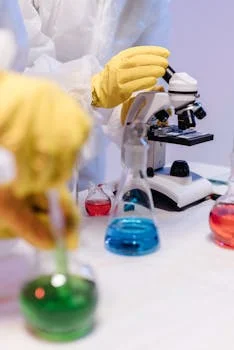
Hospital wastewater is characterized by a complex array of contaminants that demand specialized treatment approaches. Unlike typical domestic sewage, hospital effluent contains elevated concentrations of pharmaceuticals, heavy metals, and highly virulent pathogens, making conventional municipal wastewater treatment plants (WWTPs) largely ineffective.
| Contaminant Category | Specific Contaminants | Primary Sources in Hospitals | Impact on Conventional WWTPs |
|---|---|---|---|
| Pharmaceuticals | Ciprofloxacin, metronidazole, ibuprofen, diclofenac, oncology drugs, contrast media | Patient excretion, unused medication disposal, diagnostic labs, oncology wards | Inhibit biological activity, pass through untreated, contribute to antibiotic resistance |
| Heavy Metals | Mercury, lead, silver, cadmium | Dental amalgam waste, laboratory reagents, X-ray development, medical equipment cleaning | Toxic to microorganisms in activated sludge, accumulate in sludge, require specific removal |
| Pathogens | Antibiotic-resistant bacteria (e.g., MRSA, VRE), viruses (e.g., norovirus, hepatitis), parasites (e.g., Giardia) | Infectious disease wards, ICUs, laboratories, general patient excreta | High infectivity, resistance to conventional disinfection, pose public health risk |
| Organic Load | BOD, COD (high concentrations) | Kitchens, laundries, general patient care, labs | Overload conventional systems, high oxygen demand |
| Nutrients | Nitrogen (ammonia, nitrate), Phosphorus (phosphate) | Human waste, detergents, laboratory chemicals | Eutrophication if discharged untreated, requires advanced nutrient removal |
Ibadan-specific data highlights the severity of this issue, with local studies revealing antibiotic concentrations in hospital wastewater to be up to three times higher than those found in municipal sewage (PubMed 2024). This elevated presence of antibiotics creates a selective pressure, fostering the proliferation of antibiotic-resistant bacteria, which poses a significant global health threat. Conventional activated sludge plants often fail to adequately treat these specific contaminants because antibiotics can inhibit the metabolic activity of beneficial microorganisms, while heavy metals act as poisons, severely impairing biological treatment processes. seasonal spikes, particularly during the wet season, can increase pathogen loads due to potential stormwater infiltration into sewerage systems, overwhelming treatment capacity and increasing the risk of pathogen discharge.
Treatment Technology Comparison for Ibadan Hospitals: MBR vs DAF vs Chemical Disinfection
Selecting the optimal wastewater treatment technology for Ibadan hospitals requires careful consideration of contaminant profiles, regulatory demands, space constraints, power reliability, and cost-effectiveness. Different technologies offer distinct advantages and limitations in addressing the unique challenges of hospital effluent.
| Technology | BOD/COD Removal | Pathogen Removal | Antibiotic Removal | Typical CAPEX (20m³/day) | Typical OPEX (₦/m³) | Footprint | Power Requirements | Key Considerations for Ibadan |
|---|---|---|---|---|---|---|---|---|
| MBR (Membrane Bioreactor) | >95% | >99% | >95% | ₦50M – ₦80M | ₦800 – ₦1,500 | Small | High (aeration, membrane scour) | Excellent effluent quality, but high CAPEX/OPEX, requires skilled operators. Ideal for new builds. Explore MBR membrane bioreactor for hospital wastewater treatment. |
| DAF (Dissolved Air Flotation) + Chemical Disinfection | 70-80% COD, 90% TSS | >99.9% (disinfection) | Limited (chemical adsorption) | ₦15M – ₦40M | ₦500 – ₦1,000 | Medium | Medium (pump, compressor) | Good for TSS/COD, effective disinfection, but needs chemical management (₦1.2M/month for coagulants). Suitable for retrofits. Consider a DAF system for high-efficiency TSS and COD removal. |
| Chlorine Dioxide Disinfection | N/A (disinfection only) | >99.9% | Moderate (oxidation) | ₦2M – ₦5M | ₦50 – ₦150 (chemical) | Very Small | Low | Highly effective against pathogens and antibiotic-resistant bacteria, but residual toxicity concerns (NESREA 2024). Best as tertiary treatment. A Chlorine Dioxide disinfection for antibiotic-resistant bacteria system is a strong option. |
| Ozone Disinfection | N/A (disinfection/oxidation) | >99.9% | High (oxidation) | ₦10M – ₦25M | ₦200 – ₦500 (power) | Medium | High | No chemical residuals, powerful oxidant, but high power demand is a significant drawback in Ibadan’s unreliable power environment. |
For new hospital constructions in Ibadan, a Membrane Bioreactor (MBR) offers the most comprehensive solution. MBRs achieve over 99% pathogen removal and up to 95% antibiotic removal, producing exceptionally high-quality effluent suitable for potential reuse. However, MBR systems typically involve a higher capital expenditure (CAPEX), around ₦50M for a 20 m³/day system, and higher operational costs due to membrane maintenance and power consumption. For existing facilities requiring upgrades, a Dissolved Air Flotation (DAF) system combined with advanced chemical disinfection can be a more cost-effective retrofit. DAF effectively removes up to 90% of Total Suspended Solids (TSS) and 70% of COD, significantly improving the effluent quality before disinfection. While DAF requires ongoing chemical dosing, which can be around ₦1.2M per month for coagulants, its lower initial CAPEX makes it attractive for budget-constrained projects. Chlorine Dioxide, with its 99.9% pathogen kill rate, is particularly effective against antibiotic-resistant bacteria, though residual toxicity requires careful management to meet NESREA standards. Ozone, while offering powerful oxidation without chemical residuals, is often impractical in Ibadan due to its high power demand and the unreliability of the local electricity grid.
Step-by-Step Engineering Design for Ibadan Hospital WWTPs
Designing a robust and compliant hospital wastewater treatment plant (WWTP) in Ibadan requires a systematic engineering approach that accounts for local conditions and regulatory demands. Following these steps ensures optimal performance and long-term sustainability:
- Step 1: Calculate Design Flow. The first critical step is to accurately determine the average daily wastewater flow. This is typically calculated by multiplying the hospital's bed count by an estimated flow rate of 0.5 m³/bed/day, then adding any significant contributions from specialized units like laboratories or laundries. For instance, a 200-bed hospital would generate approximately 100 m³/day of wastewater, excluding specific lab or laundry discharges.
- Step 2: Adjust for Ibadan’s Climate. Ibadan’s high ambient temperatures, often reaching 30–35°C, can reduce oxygen solubility in water and decrease the efficiency of biological treatment. To compensate, aeration capacity in aerobic treatment tanks should be increased by at least 20% compared to designs for temperate climates (per Top 1 data, inferred for biological efficiency). This ensures sufficient oxygen transfer for microbial activity, even under elevated temperatures.
- Step 3: Select Pretreatment. Effective pretreatment is essential to protect downstream equipment from damage and reduce maintenance. This stage typically involves a coarse bar screen followed by a fine bar screen or a rotary screen to remove large solids, rags, and debris. An equalization tank is crucial to buffer flow and contaminant load variations, providing a consistent influent for subsequent treatment stages. For Ibadan’s wastewater, which often contains high rag content, a Rotary bar screen for hospital wastewater pretreatment (e.g., GX Series Rotary Screen) is recommended due to its self-cleaning mechanism and efficiency.
- Step 4: Size Biological Treatment. For the primary biological treatment, either an Anaerobic/Anoxic/Oxic (A/O) system or a Membrane Bioreactor (MBR) is typically selected. Given Ibadan’s high-strength hospital wastewater, a higher organic loading rate, such as 0.3 kg BOD/m³/day, should be used for sizing the biological reactors. MBRs are often preferred for their superior effluent quality and smaller footprint, especially where space is limited.
- Step 5: Design Disinfection. Disinfection is paramount for hospital wastewater due to the high pathogen and antibiotic-resistant bacteria load. Chlorine Dioxide generators are highly effective, achieving a 99% kill rate against a broad spectrum of microorganisms, including those resistant to conventional chlorine. This makes a Chlorine Dioxide disinfection for antibiotic-resistant bacteria system a preferred choice for tertiary treatment, ensuring compliance with stringent fecal coliform and E. coli limits.
- Step 6: Sludge Handling. Sludge generated from biological and physical-chemical treatment processes must be managed responsibly. A Filter press for hospital sludge dewatering (e.g., plate and frame filter press) is an efficient method to reduce sludge volume by removing water, making it easier and more cost-effective for off-site disposal. The dewatered sludge typically requires further treatment or disposal in a hazardous waste landfill.
Cost Breakdown for Hospital WWTPs in Ibadan: CAPEX, OPEX, and ROI Calculator
Understanding the financial implications of installing and operating a hospital wastewater treatment plant (WWTP) in Ibadan is crucial for procurement officers and facility managers. Costs vary significantly based on the chosen technology, capacity, and site-specific requirements.
| WWTP System Type | Capacity Range (m³/day) | Estimated CAPEX (₦ Million) | Estimated OPEX (₦/m³ treated) | Key OPEX Drivers |
|---|---|---|---|---|
| MBR System | 10 – 50 | ₦35 – ₦80 | ₦800 – ₦1,500 | Power (aeration, pumps), membrane cleaning chemicals, membrane replacement (every 5-7 years), skilled labor |
| DAF + Chemical Disinfection | 10 – 50 | ₦15 – ₦40 | ₦500 – ₦1,000 | Chemical coagulants/flocculants (e.g., ₦1.2M/month for 20m³/day), power (pumps, compressor), labor |
| Conventional Activated Sludge (with tertiary disinfection) | 10 – 50 | ₦10 – ₦25 | ₦300 – ₦700 | Power (aeration), sludge disposal, minor chemical dosing, labor |
Capital expenditure (CAPEX) for a 10–50 m³/day hospital WWTP in Ibadan can range from ₦10M for a basic conventional system to ₦80M for an advanced MBR setup. Operational expenditure (OPEX) is also a significant factor, typically ranging from ₦300–₦1,500 per cubic meter of treated wastewater, encompassing power, chemicals, maintenance, and labor. For instance, an MBR system for 20 m³/day might incur ₦800–₦1,500/m³, while a DAF system could be ₦500–₦1,000/m³ including chemical costs.
ROI Calculation Example:
Consider a 20 m³/day hospital currently facing a ₦2.5M annual fine for non-compliance. Investing in a DAF + chemical disinfection system might have a CAPEX of ₦20M and an OPEX of ₦800/m³. Over a year, the OPEX would be 20 m³/day * 365 days/year * ₦800/m³ = ₦5.84M. The total annual cost (OPEX + amortized CAPEX over 5 years, i.e., ₦4M/year) would be ₦9.84M. Compared to the ₦2.5M annual fine, the direct financial ROI might seem long, but this calculation often overlooks hidden costs and benefits. Fines are not the only cost; reputational damage, potential facility closure, and public health risks carry significant implicit costs. When considering avoiding a ₦2.5M annual fine, the payback period for a ₦20M CAPEX + ₦5.84M/year OPEX system (total ₦25.84M first year) would be approximately 3–5 years when factoring in avoided fines and the long-term operational savings compared to repeated penalties.
Hidden Costs: Beyond direct CAPEX and OPEX, hospitals must budget for:
- Generator Backup: An estimated ₦3M for a reliable power generator to ensure continuous operation during grid outages.
- Sludge Disposal: Approximately ₦500,000 annually for professional disposal of dewatered sludge.
- NESREA Testing: Around ₦200,000 per quarter for mandatory regulatory effluent quality testing.
Supplier Checklist: How to Select a Hospital WWTP Vendor in Ibadan
Choosing the right vendor for a hospital wastewater treatment plant in Ibadan is a critical decision that impacts compliance, operational efficiency, and long-term costs. Facility managers and procurement teams should employ a stringent evaluation process to ensure a reliable and effective solution.
Key Questions to Ask Prospective Vendors:
- Do you have a local service center or dedicated maintenance team based in Ibadan for rapid response?
- Can you provide 2024 NESREA compliance certificates for similar hospital WWTP installations in Nigeria?
- What is your experience specifically with treating hospital wastewater containing antibiotics and heavy metals?
- Do you offer a comprehensive spare parts inventory and readily available consumables in Nigeria?
- Can you provide a detailed OPEX breakdown, including power consumption, chemical costs, and labor requirements?
- What is your warranty period for equipment and process performance, and what does it cover?
- Do you offer operator training programs for hospital staff to ensure proper system management?
- Can you provide references from at least two other hospitals in Nigeria where you have installed and maintained WWTPs?
- What are your proposed solutions for managing power fluctuations and outages common in Ibadan?
- Do you provide performance guarantees, such as "Effluent BOD < 30 mg/L or vendor pays fines"?
Red Flags to Watch Out For: Be wary of vendors who cannot provide on-site pilot testing capabilities, lack verifiable references from Ibadan hospitals, or do not offer 24/7 technical support. A lack of transparency in cost breakdowns or an unwillingness to commit to performance guarantees also indicate potential issues. While HydropureWater focuses on providing robust equipment, it's essential to partner with local integrators and service providers who have strong Ibadan-specific experience to ensure seamless installation and ongoing support. For example, local partners like Waterflow Nigeria Ltd, CleanTech Solutions Africa, or Enviro-Guard Services have established presences in the region.
Contract Tips: Ensure your contract includes clear performance guarantees tied to NESREA discharge limits. Specify penalties for non-compliance and outline a robust maintenance schedule with guaranteed response times. Define the scope of supply, installation, commissioning, and operator training explicitly to avoid future disputes.
Frequently Asked Questions
Q: What are the NESREA discharge limits for hospital wastewater in Ibadan?
A: The NESREA 2025 discharge limits for hospital wastewater in Ibadan specify BOD < 30 mg/L, COD < 125 mg/L, TSS < 30 mg/L, fecal coliforms < 1,000 CFU/100mL, and zero detectable E. coli (NESREA 2024).
Q: How much does a hospital WWTP cost in Ibadan?
A: A hospital wastewater treatment plant in Ibadan typically costs between ₦15M and ₦80M for systems treating 10–50 m³/day, with advanced technologies like MBR being at the higher end. Operational expenditure (OPEX) ranges from ₦500–₦1,500/m³ treated, covering power, chemicals, and labor.
Q: What’s the best treatment technology for Ibadan hospitals?
A: For new hospital constructions in Ibadan, Membrane Bioreactor (MBR) systems are recommended due to their superior pathogen and antibiotic removal efficiency. For existing facilities or retrofits, a combination of Dissolved Air Flotation (DAF) for solids removal followed by advanced chemical disinfection (like Chlorine Dioxide) offers a cost-effective and compliant solution.
Q: How often should hospital WWTPs be tested in Ibadan?
A: For NESREA compliance, hospital wastewater treatment plants in Ibadan are mandated to undergo quarterly effluent testing. Additionally, the Federal Ministry of Environment (FMEnv 2024) recommends monthly internal monitoring for optimal performance tracking and proactive maintenance.
Q: Can treated hospital wastewater be reused in Ibadan?
A: Yes, treated hospital wastewater in Ibadan can be reused, but only for non-potable applications such as landscape irrigation, toilet flushing, and cooling tower make-up water, and only after achieving tertiary treatment standards (e.g., using ozone or UV disinfection). Public perception, however, remains a significant barrier to widespread acceptance of wastewater reuse (Top 3 data).