In Iraq, dissolved air flotation (DAF) systems are critical for industrial wastewater treatment, achieving 90–97% removal of total suspended solids (TSS), oils, and biochemical oxygen demand (BOD) per EPA and local Ministry of Environment benchmarks. For example, a 100 m³/h DAF system in Iraq’s food processing sector typically costs $120,000–$180,000, with a 3–5 year payback period through reduced fines and water reuse savings. This guide provides Iraq-specific technical specs, compliance requirements, cost benchmarks, and a supplier decision framework to help facility managers select the right DAF system for their needs.
Why DAF Systems Are Essential for Industrial Wastewater in Iraq
Iraq’s Ministry of Environment enforces strict discharge limits for industrial effluents, requiring TSS levels below 50 mg/L, BOD below 30 mg/L, and oil and grease concentrations under 10 mg/L as of 2024 regulations. Failure to meet these standards results in significant financial penalties, with non-compliance fines ranging from $5,000 to $50,000 per year depending on the severity and frequency of the violation. For industrial facilities operating in Baghdad, Basra, and Erbil, these regulations represent a major operational risk that necessitates high-efficiency primary treatment.
Common Iraqi industries producing high-TSS wastewater include the oil and gas sector (specifically drilling muds and refinery process water), food processing (dairy, poultry, and vegetable oil), textiles (dye effluents), and municipal pre-treatment facilities. In these environments, traditional sedimentation tanks often fail to meet limits due to the low density of contaminants like emulsified oils and light organic fibers.
A recent case study from a Baghdad-based poultry plant illustrates the necessity of flotation technology. The facility struggled with influent TSS levels of 800 mg/L, which overwhelmed its biological treatment stage. By implementing a DAF systems for Iraqi industrial wastewater, the plant reduced effluent TSS to 40 mg/L. This improvement allowed the facility to avoid $30,000 per year in environmental fines while protecting its downstream equipment (Source: Iraqi Environmental Protection Agency 2023 report).
DAF systems outperform conventional sedimentation in Iraqi industrial contexts by providing 3–5 times faster separation speeds. Because DAF utilizes micro-bubbles to lift particles rather than gravity to settle them, it achieves 90%+ removal efficiency in a significantly smaller footprint—a critical factor for urban industrial zones where land costs are high and expansion space is limited.
How DAF Systems Work: Mechanism and Key Components
The DAF process operates on the principle of altering particle buoyancy through the attachment of micro-bubbles, typically ranging from 20 to 50 μm in diameter. In Iraqi industrial applications, the process begins with chemical conditioning. Coagulants like ferric chloride (common in oil and gas) or Polyaluminum Chloride (PAC) are dosed to destabilize particles, followed by polymer dosing to form stable flocs. Efficient chemical management is often facilitated by an automatic chemical dosing for Iraqi DAF systems to ensure consistency despite fluctuating influent quality.
The core mechanism involves four distinct stages:
- Coagulation and Flocculation: Rapid and slow mixing to aggregate contaminants.
- Air Saturation: A portion of clarified effluent is recycled and pressurized to 2–5 bar in a saturation tank where air is dissolved into the water.
- Micro-bubble Formation: The pressurized water is released into the flotation tank through specialized nozzles, causing the air to come out of solution as millions of tiny bubbles.
- Flotation and Skimming: Bubbles attach to flocs, carrying them to the surface to form a sludge blanket (typically 5–10 cm thick), which is then mechanically skimmed.
Engineering for the Iraqi climate requires specific material considerations. High ambient temperatures exceeding 45°C necessitate the use of corrosion-resistant materials, such as 316L stainless steel for the flotation tank and saturation vessel. frequent dust storms in regions like Anbar and Najaf require heavy-duty air intake filtration for compressors to prevent mechanical wear. To maintain process stability, engineers must monitor the air-to-solids (A/S) ratio, which typically ranges from 0.02 to 0.05 for Iraqi industrial effluents.
| Process Parameter | Typical Range (Iraq) | Impact of Iraqi Climate/Conditions |
|---|---|---|
| Hydraulic Loading Rate | 2–5 m/h | Requires conservative sizing due to high oil viscosity in heat. |
| Solids Loading Rate | 2–10 kg/m²/h | High dust levels can increase solids loading unexpectedly. |
| Saturation Pressure | 2–5 bar | Higher pressure needed if water temperature exceeds 35°C. |
| Recycle Ratio | 10%–30% | Higher ratios used for emulsified oils in refinery waste. |
Technical Specifications for DAF Systems in Iraq
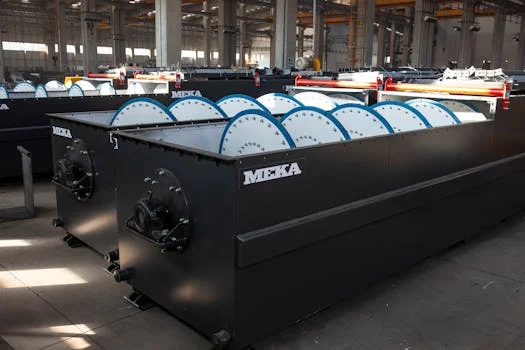
Removal efficiencies for DAF systems in Iraq are highly dependent on the industry type and the precision of the chemical dosing regime. For the oil and gas sector, which is the backbone of the Iraqi economy, DAF units are engineered to handle influent TSS of 1,000–3,000 mg/L, consistently producing effluent below the 50 mg/L regulatory threshold. This performance is vital for protecting downstream membranes or biological reactors from oil fouling.
| Industry | Influent TSS (mg/L) | Effluent TSS (mg/L) | BOD Removal (%) | Oil Removal (%) |
|---|---|---|---|---|
| Oil & Gas | 1,000–3,000 | <50 | 85–95 | 95–99 |
| Food Processing | 500–1,500 | <30 | 90–97 | 90–95 |
| Textiles | 300–800 | <50 | 80–90 | 70–85 |
| Municipal Pre-Tx | 200–500 | <30 | 85–92 | 80–90 |
Chemical dosing benchmarks for Iraqi facilities usually involve Ferric chloride at 50–150 mg/L for heavy oil removal or PAC at 20–100 mg/L for food processing solids. In poultry processing specifically, a dosage of 100 mg/L ferric chloride is often the baseline for effective protein and fat separation. To ensure these solids do not clog the DAF system, many facilities implement GX series rotary screens for DAF pre-treatment in Iraq to remove large debris before the flotation stage.
From a utility perspective, a standard 100 m³/h DAF system occupies approximately 20 m² of floor space and requires a power supply of 15–25 kW to operate the recycle pumps and air compressors. Given Iraq's water scarcity issues, the ability to recycle 30–50% of the treated effluent for non-potable uses, such as cooling tower make-up or site irrigation, provides a significant secondary benefit for facility ROI.
Compliance and Discharge Standards for DAF Systems in Iraq
Iraq’s Ministry of Environment (MoE) updated its discharge standards in 2024 to align more closely with international environmental norms, emphasizing the reduction of organic loads and hydrocarbons in industrial runoff. The current limits for discharge into public sewers or water bodies include TSS < 50 mg/L, BOD < 30 mg/L, COD < 100 mg/L, and Oil & Grease < 10 mg/L. Penalties for repeat violations can escalate from fines to total facility shutdown, making a robust DAF design a prerequisite for legal operation.
Achieving compliance often requires a multi-stage approach. For instance, textile plants in Hilla or Baghdad may require rotary screens to remove lint, followed by DAF for color and TSS removal, and finally sand filters for polishing. The permitting process in Iraq involves submitting a detailed technical design of the DAF system to the MoE. This submission must include projected effluent quality data and a plan for sludge disposal. The approval timeline typically spans 4 to 8 weeks, depending on the province and the complexity of the industrial process.
| Parameter | MoE Limit (2024) | DAF Capability | Monitoring Frequency |
|---|---|---|---|
| TSS | < 50 mg/L | 10–40 mg/L | Weekly |
| BOD | < 30 mg/L | 15–25 mg/L | Weekly |
| Oil & Grease | < 10 mg/L | < 5 mg/L | Quarterly |
| pH | 6.0–9.0 | Adjustable | Continuous |
Monitoring is a mandatory component of compliance. Iraqi facilities are encouraged to use standardized testing equipment, such as Hach turbidimeters for TSS, to provide verifiable data to environmental inspectors. For more complex setups, you can compare DAF systems with lamella clarifiers, belt presses, and other alternatives to see which combination best meets the specific regulatory profile of your site.
Cost Breakdown: DAF System Investment and Operating Costs in Iraq
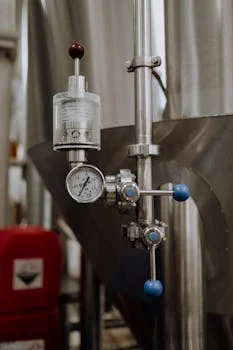
The total cost of ownership for a DAF system in Iraq includes the initial capital expenditure (CAPEX) and ongoing operating expenses (OPEX), influenced by import logistics and local utility rates. For 2025, the capital cost for a mid-sized 100 m³/h system ranges from $145,000 to $220,000, including equipment, shipping, and local installation by Iraqi engineering teams.
| Capacity (m³/h) | Equipment Cost ($) | Installation Cost ($) | Total Investment ($) |
|---|---|---|---|
| 20 | 50,000–70,000 | 10,000–15,000 | 60,000–85,000 |
| 50 | 80,000–120,000 | 15,000–25,000 | 95,000–145,000 |
| 100 | 120,000–180,000 | 25,000–40,000 | 145,000–220,000 |
| 200 | 200,000–300,000 | 40,000–60,000 | 240,000–360,000 |
Operating costs in Iraq typically range between $0.10 and $0.30 per cubic meter of treated water. This is broken down into chemical costs ($0.05–$0.15/m³), electricity ($0.03–$0.10/m³), and routine maintenance ($0.02–$0.05/m³). It is important to note that Iraqi electricity costs ($0.08–$0.12/kWh) and the reliance on diesel generators during grid outages can increase power expenses by 20–30% compared to global averages. To understand how these costs compare with regional neighbors, you can learn about industrial wastewater treatment in neighboring Iran, with similar compliance challenges.
The Return on Investment (ROI) for a DAF system is often achieved in 2 to 4 years. For a food processing plant, the formula (Annual Savings from Fines + Water Reuse Value - Annual O&M Costs) / Capital Cost often yields a high percentage due to the avoidance of the MoE's heavy non-compliance penalties. Additional Iraq-specific cost factors include import duties (5–15%) and logistics costs for inland transport from Umm Qasr port to northern industrial hubs.
Supplier Comparison: Top DAF System Providers for Iraqi Buyers
Selecting a supplier for the Iraqi market requires balancing technical sophistication with the availability of local support and spare parts. International manufacturers often provide higher build quality, but local distributors or regional Middle Eastern suppliers may offer faster response times for maintenance and emergency repairs.
| Supplier | Origin | Lead Time (Weeks) | Local Support | Price Range ($) |
|---|---|---|---|---|
| HydropureWater | China | 8–12 | Yes (Regional) | 60,000–250,000 |
| Xylem | USA | 12–16 | Limited | 100,000–350,000 |
| iWater | UAE | 6–10 | Yes (Dubai-based) | 70,000–280,000 |
| Sigmadaf | Spain | 10–14 | No | 90,000–300,000 |
| Local Distributor | Iraq | 4–8 | Direct | 50,000–200,000 |
Key evaluation criteria for Iraqi procurement teams include:
- Lead Time: Crucial for projects facing immediate MoE deadlines. Local distributors have the advantage here.
- Compliance Expertise: The supplier must demonstrate an understanding of Iraqi discharge limits and provide documentation that supports the permitting process.
- Maintenance Support: Given the harsh Iraqi climate, access to air compressor filters, skimmer chains, and pump seals is vital to prevent downtime.
- Financing: Some regional suppliers offer installment plans or leasing options to help Iraqi businesses manage CAPEX.
A notable example involved a Basra oil refinery that selected a local distributor for a 150 m³/h DAF system. Although the unit was 10% more expensive than direct international quotes, the 6-week lead time and the inclusion of on-site operator training in Arabic were deemed more valuable for the facility's immediate compliance needs.
Step-by-Step Decision Framework for Selecting a DAF System in Iraq
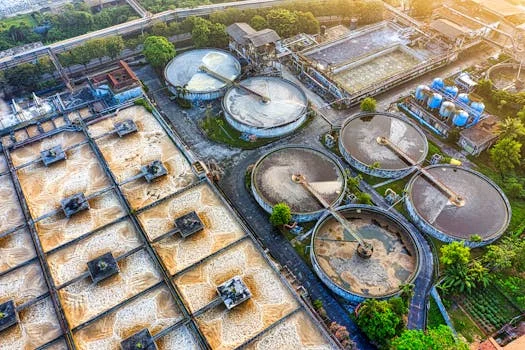
Procuring a DAF system in Iraq requires a structured approach to ensure the technology matches the effluent profile and the local regulatory environment. Follow these steps to minimize risk:
Step 1: Define Effluent Characteristics. Conduct on-site testing for TSS, BOD, and oil content over a 24-hour period to capture flow fluctuations. For example, a Baghdad dairy plant found its TSS peaked at 1,500 mg/L during cleaning cycles, requiring a larger equalization tank before the DAF.
Step 2: Determine Compliance Requirements. Identify the specific Ministry of Environment limits for your discharge point (e.g., river discharge vs. sewer). Determine if pre-treatment, such as GX series rotary screens for DAF pre-treatment in Iraq, is necessary to protect the flotation unit.
Step 3: Calculate Required Capacity. Match your peak hourly flow rate (m³/h) to the technical benchmarks in this guide. Ensure the system is sized for potential production increases over the next 5 years.
Step 4: Evaluate Suppliers. Use the comparison table to shortlist 3 suppliers. Prioritize those who can provide references from similar Iraqi industries (e.g., a refinery in Basra or a textile mill in Hilla).
Step 5: Compare Total Costs. Request quotes that include shipping to your site, import duties, and a 2-year spare parts package. Factor in the OPEX based on local chemical and power costs.
Step 6: Site Visits and Case Studies. If possible, visit an existing installation in Iraq to observe the system's performance in high temperatures and dust conditions. Request specific data on chemical consumption rates.
Step 7: Finalize the Contract. Ensure the contract includes a minimum 1-year warranty, a performance guarantee regarding effluent quality, and a detailed training schedule for your local operators.
Frequently Asked Questions
What is the typical lead time for a DAF system in Iraq?
Lead times generally range from 4 to 16 weeks. Local distributors can often deliver within 4–8 weeks if they hold stock in the region, while international manufacturers from Europe or the USA typically require 10–16 weeks due to manufacturing schedules and customs clearance at Umm Qasr.
How much does a DAF system cost in Iraq?
For a capacity range of 20–200 m³/h, the total investment ranges from $60,000 to $360,000. This includes the equipment, installation, and Iraq-specific import costs. Operating costs are approximately $0.10–$0.30 per cubic meter treated.
What are the compliance requirements for DAF systems in Iraq?
According to 2024 Ministry of Environment standards, industrial discharge must meet TSS < 50 mg/L, BOD < 30 mg/L, and Oil & Grease < 10 mg/L. DAF systems are the primary technology used to reach these levels, often paired with pre-screening and pH adjustment.
Can DAF systems handle high oil content in Iraqi oil & gas wastewater?
Yes, DAF is highly effective for oil and gas effluents, achieving 95–99% oil removal. In refinery applications, DAF is typically used after an API separator to remove emulsified oils that gravity separation cannot capture. Chemical dosing with ferric chloride is essential for these applications.
What maintenance is required for DAF systems in Iraq’s climate?
Key maintenance includes weekly skimmer inspections, monthly air compressor servicing, and quarterly chemical pump calibration. Due to high heat and dust, air filters must be changed more frequently, and 316L stainless steel is recommended to prevent corrosion in the harsh environment.