Why Querétaro Factories Need Upgraded Sewage Treatment Equipment in 2025
Querétaro’s industrial sector faces strict wastewater discharge limits under NOM-001-SEMARNAT (TSS < 30 mg/L, BOD < 30 mg/L) and local municipal codes. Top suppliers in 2025 offer DAF systems (4–300 m³/h, 92–97% TSS removal), MBR systems (10–2,000 m³/day, <1 μm filtration), and integrated underground plants (1–80 m³/h, fully automated). This guide compares engineering specs, compliance support, and costs to help you select the right supplier for your facility’s needs.
The regulatory pressure in the Bajío region has intensified as the 2021 updates to NOM-001-SEMARNAT reach full enforcement in 2025. Industrial facilities in Querétaro, particularly those in the automotive, aerospace, and food processing corridors, are now required to meet significantly lower thresholds for Total Suspended Solids (TSS), Biochemical Oxygen Demand (BOD), and Chemical Oxygen Demand (COD). Specifically, discharge limits for TSS and BOD have been tightened to 30 mg/L, while COD is capped at 125 mg/L. According to a 2023 SEMARNAT regional report, 42% of industrial facilities in Querétaro failed initial TSS compliance tests, highlighting the inadequacy of legacy treatment systems.
With Querétaro’s municipal wastewater treatment capacity currently hovering at 1.2M m³/day (per 2024 CONAGUA data), the burden of treatment is increasingly shifting toward on-site industrial solutions. For a factory manager, the risk of non-compliance is no longer just a minor fine; it involves potential operational shutdowns and damage to corporate ESG ratings. For example, a Querétaro-based automotive supplier recently avoided an estimated $250,000 in cumulative fines and legal fees by replacing an aging clarifier with a high-efficiency DAF system for Querétaro industrial wastewater, achieving a verified 95% TSS removal rate during its first quarter of operation.
How to Choose a Sewage Treatment Equipment Supplier in Querétaro: 5-Step Decision Framework
Selecting a sewage treatment equipment supplier requires a structured evaluation of technical capacity, local compliance expertise, and long-term operational viability. Procurement teams must move beyond initial CAPEX to evaluate the total cost of ownership (TCO) and the supplier's ability to guarantee discharge limits under fluctuating influent loads.
- Step 1: Match Equipment Type to Influent Characteristics: Analyze your raw wastewater. High concentrations of fats, oils, and grease (FOG) require Dissolved Air Flotation (DAF), whereas requirements for high-quality water reuse demand Membrane Bioreactor (MBR) technology.
- Step 2: Verify Compliance Support: Ensure the supplier provides comprehensive NOM-001-SEMARNAT documentation and has experience navigating Querétaro’s CEA (Comisión Estatal de Aguas) permitting processes.
- Step 3: Evaluate Technical Specifications: Compare flow capacities, removal efficiencies, and automation levels. Automated systems reduce human error, which is the primary cause of discharge violations.
- Step 4: Assess Supplier Reliability: Prioritize suppliers with a local service network in the Bajío region. Verify the availability of critical spare parts and review case studies from similar industrial applications in Querétaro.
- Step 5: Compare Total Cost of Ownership: Calculate the 10-year TCO, including energy consumption, chemical usage, and membrane or media replacement costs.
| Evaluation Factor | Critical Requirement | Benchmark for 2025 |
|---|---|---|
| Removal Efficiency | TSS and BOD Removal | >92% for DAF; >98% for MBR |
| Compliance Proof | NOM-001-SEMARNAT Certification | Third-party lab verification required |
| Automation | PLC/SCADA Integration | Real-time remote monitoring capability |
| Support | Local Service Response | <24 hours for on-site technical support |
DAF vs. MBR vs. Integrated Systems: Engineering Specs for Querétaro Applications
Engineering specifications for wastewater equipment in Querétaro must be tailored to the specific contaminants generated by the state's dominant industries, such as metal finishing and food production. Dissolved Air Flotation (DAF) systems, such as the DAF system for Querétaro industrial wastewater, are the industry standard for removing FOG and suspended solids. These systems operate within a flow range of 4–300 m³/h and achieve 92–97% TSS removal, making them ideal for pretreatment in food processing and automotive painting lines.
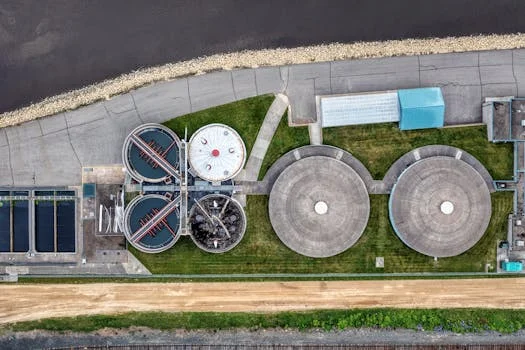
For facilities aiming for zero-liquid discharge (ZLD) or internal water reuse, an integrated MBR system for water reuse in Querétaro offers superior performance. MBR systems combine biological treatment with membrane filtration (<1 μm), effectively removing 99% of microbes and producing effluent that often exceeds NOM-001 requirements. Meanwhile, for smaller factories or administrative sites, the WSZ series underground plant for small factories in Querétaro provides a fully automated, space-saving solution with flow rates of 1–80 m³/h.
| Equipment Type | Flow Capacity | TSS Removal Rate | Energy (kWh/m³) | Primary Application |
|---|---|---|---|---|
| DAF | 4–300 m³/h | 92–97% | 0.3–0.5 | Food Processing, Automotive |
| MBR System | 10–2,000 m³/day | >99% | 0.8–1.2 | Pharma, Water Reuse |
| Integrated (WSZ) | 1–80 m³/h | 85–90% | 0.4–0.6 | Small Factories, Rural |
While MBR systems have a higher energy footprint (0.8–1.2 kWh/m³) compared to DAF (0.3–0.5 kWh/m³), the ROI is often justified through the elimination of freshwater procurement costs for non-potable uses like cooling towers or irrigation. For a broader perspective on regional standards, engineers may also reference Puebla’s wastewater treatment standards and equipment options to compare cross-state compliance strategies.
Querétaro Compliance Checklist: Meeting NOM-001-SEMARNAT and Local Discharge Limits
Meeting NOM-001-SEMARNAT limits requires a precise combination of mechanical separation, biological treatment, and chemical dosing. In Querétaro, municipal codes often impose stricter limits on heavy metals than federal standards, particularly for chromium (< 0.5 mg/L) and nickel, due to the high density of aerospace and metal-plating facilities. Failure to manage these parameters can lead to heavy fines under CONAGUA 2024 guidelines.
A common pitfall for Querétaro facilities is the neglect of sludge management. Under NOM-052-SEMARNAT, industrial sludge must be characterized as hazardous or non-hazardous; failure to provide proper dewatering can quadruple disposal costs. Implementing sludge dewatering solutions for Querétaro facilities (adaptable guide) can reduce sludge volume by up to 75%, significantly lowering operational overhead.
| Parameter | NOM-001 Limit | Querétaro Local Code | Required Technology |
|---|---|---|---|
| TSS | < 30 mg/L | < 25 mg/L (Urban) | DAF / Sand Filter |
| BOD5 | < 30 mg/L | < 30 mg/L | MBR / Activated Sludge |
| COD | < 125 mg/L | < 100 mg/L | Advanced Oxidation |
| Oil & Grease | < 15 mg/L | < 10 mg/L | DAF |
Cost Benchmarks for Sewage Treatment Equipment in Querétaro (2025)
Equipment CAPEX for Querétaro industrial projects in 2025 varies significantly based on flow volume and required effluent quality. A standard DAF system for a medium-sized facility typically ranges from $80,000 to $450,000, while high-capacity MBR systems for water reuse can exceed $1.2M. However, these costs must be balanced against the rising price of industrial water in the Bajío region and the increasing severity of CONAGUA non-compliance penalties.
For a food processing plant in Querétaro treating 50 m³/h, a DAF system typically yields a 3-year payback period. This ROI is calculated by combining the savings from avoided municipal surcharges (often exceeding $2.00/m³ for high-load discharge) and the reduction in chemical costs through automated dosing. For detailed regional comparisons, procurement officers should review cost benchmarks for wastewater treatment plants in Estado de México, which share similar industrial economic drivers.
| System Type | CAPEX Range (USD) | OPEX (USD/m³) | Typical ROI |
|---|---|---|---|
| DAF System | $80,000 – $450,000 | $0.15 – $0.35 | 2.5 – 4 Years |
| MBR Plant | $120,000 – $1,200,000 | $0.40 – $0.75 | 3 – 5 Years |
| Integrated WSZ | $50,000 – $300,000 | $0.20 – $0.45 | 4 – 6 Years |
Local incentives can further improve the financial profile of these projects. SEMARNAT currently offers grants for water reuse systems that can cover up to 30% of CAPEX, while CONAGUA provides tax credits for zero-liquid-discharge (ZLD) projects that demonstrate a net reduction in aquifer extraction.
Top 5 Sewage Treatment Equipment Suppliers in Querétaro (2025)
Identifying the right supplier involves vetting their technical footprint in the Querétaro industrial parks, such as Parque Industrial Querétaro or El Marqués. The following suppliers are recognized for their 2025 offerings:
- Supplier 1: HydropureWater – A global manufacturer with a dedicated service presence in Mexico. They specialize in high-efficiency DAF, MBR, and integrated systems, providing full NOM-001-SEMARNAT compliance support and automated PLC controls.
- Supplier 2: EcoMex Solutions – Known for turnkey project management in the Bajío region. They have a strong portfolio in the food processing sector and offer 24/7 maintenance contracts.
- Supplier 3: AquaTreat Industries – Specialists in DAF technology with a heavy focus on the automotive sector. They offer modular designs that allow for easy expansion as factory production scales.
- Supplier 4: GreenFlow Engineering – Experts in MBR systems and advanced water reuse. They primarily serve the pharmaceutical and high-tech industries requiring ultra-pure effluent.
- Supplier 5: HydroClean Systems – Focuses on WSZ-style integrated underground plants. They are the preferred choice for small-to-medium enterprises and administrative facilities in rural Querétaro.
Red Flags to Avoid: When evaluating suppliers, be wary of those who cannot provide local Querétaro case studies, lack SEMARNAT-certified performance data, or offer vague warranty terms regarding membrane life or pump MTBF (Mean Time Between Failures).
Frequently Asked Questions
What is the most cost-effective equipment for NOM-001 compliance? For most industrial facilities with high TSS or FOG, DAF systems are the most cost-effective, removing 92–97% of solids with relatively low CAPEX and energy consumption (0.3–0.5 kWh/m³).
Can MBR systems achieve water reuse quality in Querétaro? Yes, MBR systems utilize <1 μm filtration to achieve 99% microbial removal, producing effluent that meets the high standards required for cooling towers and industrial processes, per 2024 water reuse benchmarks.
Are there specific heavy metal limits for Querétaro discharge? Yes, Querétaro municipal codes often specify limits for chromium (< 0.5 mg/L) and other metals used in aerospace and automotive plating, which are stricter than general federal limits.
How long does it take to install an integrated underground plant? A WSZ series integrated plant typically requires 4–8 weeks for manufacturing and 1–2 weeks for site installation and commissioning, depending on soil conditions and automation requirements.
Sources:
SEMARNAT: National Water Quality Standards 2024-2025.
CONAGUA: Bajío Regional Water Usage and Discharge Report 2024.
EPA: Wastewater Technology Fact Sheets for DAF and MBR Systems.