Why Sharjah Factories and Labor Camps Need Wastewater Treatment Plants in 2025
A 500 m³/day industrial wastewater treatment plant in Sharjah costs AED 1.2M–AED 3.5M (CAPEX) with annual OPEX of AED 150K–AED 400K, depending on technology. MBR systems command a 30% premium over conventional A/O but reduce footprint by 60% and meet Sharjah Municipality’s reuse standards for irrigation. Non-compliance fines (AED 50K–AED 500K) and operational shutdowns can double long-term costs, making tech selection critical for ROI.
Sharjah Municipality’s 2024 effluent standards mandate BOD levels below 20 mg/L and TSS below 30 mg/L for standard discharge, while unrestricted irrigation reuse requires even more stringent parameters of BOD <10 mg/L and TDS <1,000 mg/L. For factory managers in Sajja Industrial Area or Al Hamriyah, these regulations are no longer suggestions but operational imperatives. A 2023 case study from the Sharjah Environment Agency highlighted an AED 350K fine levied against a textile factory for discharging untreated effluent into the public network, illustrating the immediate financial risk of inadequate infrastructure. Beyond avoiding penalties, the Sharjah Economic Development Department has introduced a 20% CAPEX subsidy for MBR systems that meet high-grade reuse standards in 2025, incentivizing circular water economies.
The technical requirements differ significantly between labor camps and industrial units. Labor camp wastewater is characterized by high organic loads and Total Suspended Solids (TSS) from domestic use, whereas factory effluent often contains Fats, Oils, and Grease (FOG) or heavy metals that necessitate specialized pretreatment. Understanding these characteristics is the first step in avoiding the "opaque quote" trap often encountered in the Sharjah market. For broader context, engineers often look at UAE-wide cost benchmarks for comparison to ensure their local Sharjah quotes remain competitive.
Sharjah-Specific Cost Drivers: What Determines Your Wastewater Treatment Plant Price?
Capacity benchmarks for new wastewater installations in Sharjah currently range from AED 2,400 to AED 4,000 per m³/day for systems handling 100 to 2,000 m³/day, based on 2025 market data. The most significant variable in this pricing is the influent quality. For instance, industrial wastewater with high TSS levels (>500 mg/L) requires DAF pretreatment for high-TSS industrial wastewater in Sharjah, which can add between AED 200K and AED 500K to the initial CAPEX but prevents the premature failure of downstream biological units.
Technology trade-offs also dictate the budget. A Membrane Bioreactor (MBR) setup typically costs AED 3,500/m³/day, whereas a conventional Anaerobic/Oxic (A/O) system might cost AED 2,200/m³/day. However, the higher CAPEX of MBR is often offset by the ability to meet Sharjah's reuse guidelines without additional tertiary filtration. Automation is another lever; incorporating PLC-controlled systems adds AED 150K–AED 300K to the CAPEX but has been shown to reduce OPEX by 12–18% through optimized chemical dosing and energy management (HydropureWater field data, 2024). compliance-specific upgrades, such as chlorine dioxide disinfection for hospital-grade waste (AED 80K–AED 200K) versus standard UV systems (AED 50K–AED 120K) for general landscaping reuse, must be factored into the initial design phase.
| Cost Driver | Technical Specification | Estimated CAPEX Impact (AED) | OPEX Impact (%) |
|---|---|---|---|
| Influent TSS (>500 mg/L) | DAF Pretreatment Required | +200,000 to 500,000 | +10% (Chemicals) |
| Automation Level | Full PLC/SCADA Integration | +150,000 to 300,000 | -15% (Labor/Energy) |
| Reuse Standards | Tertiary Ultrafiltration/MBR | +30% of base CAPEX | +5% (Maintenance) |
| Land Constraints | Underground/Modular Design | +25% (Civil Works) | Neutral |
CAPEX Breakdown: How Much Does a Wastewater Treatment Plant Cost in Sharjah?
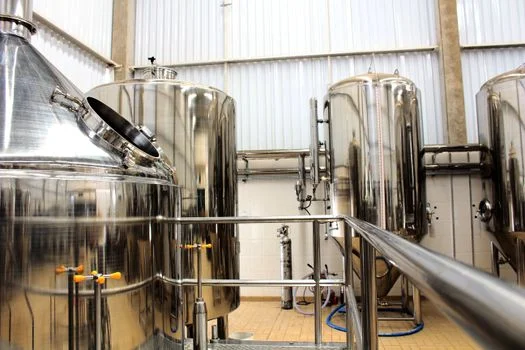
Labor camp sewage treatment plants (STPs) in Sharjah with capacities of 100–300 m³/day typically require a CAPEX investment between AED 800K and AED 2.2M using conventional biological treatment and disinfection. For industrial factories processing 500–2,000 m³/day, the investment scales to AED 2.5M–AED 8M, often requiring integrated MBR systems for Sharjah’s water reuse compliance to handle complex chemical oxygen demand (COD) profiles. These figures include the core equipment, but buyers must account for civil works and permitting, which are highly site-specific in Sharjah.
The choice between turnkey and modular systems significantly impacts the timeline and budget. Turnkey solutions generally carry a 10–15% premium but can reduce site installation time by up to 40%, which is critical for factories facing immediate municipality deadlines. Civil works are another major component; underground STP solutions for Sharjah’s land-constrained sites (such as the WSZ series) cost approximately 25% more than above-ground installations due to excavation costs (AED 500–AED 1,200/m²) but free up valuable industrial land for production. Finally, permitting fees for Sharjah Municipality and the Environment Agency typically range from AED 20K to AED 100K depending on the project’s environmental impact classification.
| System Type | Capacity (m³/day) | Technology | Total CAPEX (AED) |
|---|---|---|---|
| Labor Camp (Small) | 150 | Conventional A/O | 850,000 - 1,100,000 |
| Labor Camp (Large) | 300 | MBR (Integrated) | 1,800,000 - 2,200,000 |
| Industrial Factory | 500 | DAF + A/O + Tertiary | 2,500,000 - 3,200,000 |
| Heavy Industrial | 1,000 | MBR + Chemical Pre-treat | 4,500,000 - 6,000,000 |
OPEX Benchmarks: Annual Costs of Running a Wastewater Treatment Plant in Sharjah
Energy consumption for MBR systems in Sharjah averages between 0.8 and 1.2 kWh/m³, representing a significant portion of annual operational expenditure. In contrast, conventional A/O systems are more energy-efficient (0.4–0.6 kWh/m³) but fail to meet the 2025 reuse standards without secondary treatment stages. For facilities in remote industrial zones, solar-powered wastewater treatment for Sharjah’s remote sites is becoming a viable option to hedge against rising utility costs.
Chemical costs are driven by the need for pH adjustment, coagulation, and disinfection. Coagulants typically cost AED 0.5–AED 1.5/m³, while PLC-controlled chemical dosing for Sharjah’s automated STPs can minimize waste by ensuring precise delivery based on real-time sensor data. Labor remains a fixed cost; a fully automated STP requires only one part-time operator (AED 60K/year), whereas manual systems often require three full-time shifts (AED 180K/year). Sludge management is the final OPEX pillar, with Sharjah landfill rates for stabilized sludge at AED 200–AED 500/ton. To reduce this volume, many factories invest in a plate and frame filter press to dewater sludge before disposal.
| OPEX Category | Conventional A/O (per m³) | MBR System (per m³) | DAF System (per m³) |
|---|---|---|---|
| Energy (AED) | 0.20 - 0.35 | 0.45 - 0.70 | 0.15 - 0.30 |
| Chemicals (AED) | 0.30 - 0.50 | 0.25 - 0.40 | 0.80 - 1.50 |
| Maintenance/Membranes | 0.10 - 0.15 | 0.40 - 0.60 | 0.15 - 0.25 |
| Total OPEX/m³ | AED 0.60 - 1.00 | AED 1.10 - 1.70 | AED 1.10 - 2.05 |
Technology Comparison: MBR vs. DAF vs. Conventional A/O for Sharjah’s Wastewater
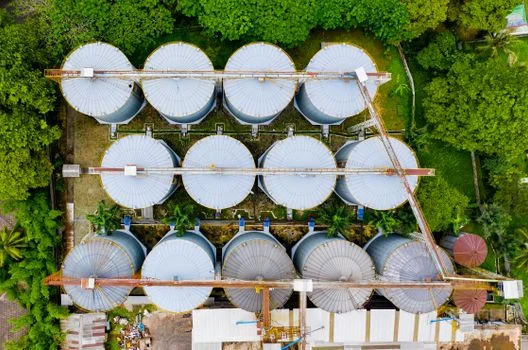
Membrane Bioreactor (MBR) technology achieves superior effluent quality with BOD levels under 10 mg/L, making it the preferred choice for Sharjah’s irrigation reuse standards. While MBR has the highest CAPEX at roughly AED 3,500/m³/day, its footprint is 60% smaller than conventional A/O systems, which is a critical advantage for factories in congested zones like Industrial Area 13. For food processing or petrochemical industries in Sharjah, DAF pretreatment for high-TSS industrial wastewater in Sharjah is often used in tandem with biological treatment to remove bulk oils and solids that would otherwise foul membranes.
Conventional A/O systems remain a cost-effective choice (AED 2,200/m³/day) for labor camps where land is available and the primary goal is discharge into the municipal sewer rather than reuse. However, these systems require larger clarifiers and have a higher risk of sludge bulking if not managed correctly. When evaluating these technologies, engineers must also consider GCC compliance standards for industrial wastewater to ensure the selected system remains viable across regional operations.
| Feature | MBR (Membrane Bioreactor) | DAF (Dissolved Air Flotation) | Conventional A/O |
|---|---|---|---|
| Effluent BOD/TSS | <10 / <5 mg/L | Pretreatment only | 20 - 30 mg/L |
| Footprint | Very Small (1x) | Small (0.7x) | Large (2.5x) |
| Sharjah Use Case | Irrigation Reuse / Labor Camps | Food / Oil Pretreatment | General Discharge |
| Relative CAPEX | High (130%) | Moderate (70%) | Baseline (100%) |
Compliance-Driven ROI: How to Justify Your Wastewater Treatment Investment in Sharjah
Non-compliance fines issued by the Sharjah Environment Agency range from AED 50,000 to AED 500,000 per violation, often exceeding the annual operating cost of a compliant treatment system. For a factory consuming 500 m³ of water daily, the cost of purchasing desalinated water from the Sharjah Water Authority (SEWA) is approximately AED 5–AED 10/m³. By treating and reusing that same water for cooling towers or landscaping, the cost drops to AED 1–AED 3/m³, creating a direct saving of up to AED 3,500 per day.
The payback period for a high-efficiency MBR system in Sharjah, factoring in the 20% CAPEX subsidy and water reuse savings, is typically 3 to 5 years. In contrast, a conventional system used only for discharge has a longer payback of 5 to 7 years because it lacks the "water credit" aspect of reuse. automated systems reduce the risk of human error, which is the leading cause of regulatory violations. By investing in automation, Sharjah buyers reduce labor costs by 60% and chemical consumption by 15%, according to 2024 operational data from Almasa. This financial framework transforms wastewater treatment from a "sunk cost" into a strategic utility that protects the bottom line from both regulatory shocks and rising water prices.
Frequently Asked Questions
What is the typical lead time for a wastewater treatment plant in Sharjah?
For turnkey modular systems, lead times are typically 4–6 months. Custom-engineered plants for large industrial facilities usually require 8–12 months from the initial design phase to final commissioning and Sharjah Municipality approval.
Do I need a separate permit for water reuse in Sharjah?
Yes. While your initial STP approval comes from the Sharjah Environment Agency, a specific permit from Sharjah Municipality’s Water Reuse Department is required if you plan to use treated effluent for irrigation or industrial processes.
Can I finance a wastewater treatment plant in Sharjah?
Most major UAE banks offer industrial equipment financing with terms ranging from 5 to 7 years. As of 2025, interest rates for green infrastructure projects typically range between 5% and 8%.
What are the maintenance requirements for an MBR system in Sharjah’s climate?
MBR systems require monthly membrane cleaning (backwashing), quarterly integrity tests, and an annual Clean-In-Place (CIP) procedure. Given Sharjah's high ambient temperatures, cooling for control panels and blowers is also essential.
How do I choose between a containerized and underground STP for my Sharjah site?
Containerized systems are ideal for temporary labor camps or sites with future expansion plans. Underground STPs are preferred for permanent industrial facilities where surface space is at a premium or where aesthetic and odor control are high priorities.