Bukhara Wastewater Treatment Plant Cost 2026: CAPEX, OPEX & Tech-Specific Breakdown for Industrial & Municipal Buyers
In Bukhara, wastewater treatment plant costs vary dramatically by technology and scale. For a 1,000 m³/day municipal plant, CAPEX ranges from $1.2M (A/O biological treatment) to $2.8M (MBR with reuse-grade effluent), while OPEX spans $0.15–$0.45/m³ due to Bukhara’s high salinity (TDS ~1,200 mg/L) and energy costs ($0.08/kWh). The $385M AIIB-funded Bukhara Region Water Supply and Sewerage Project sets a benchmark: $32–$37/GPD for large-scale systems, but local tariffs and import duties can add 15–20% to equipment costs. Compliance with Uzbekistan’s effluent standards (COD ≤ 50 mg/L, TSS ≤ 30 mg/L) may require tertiary treatment, increasing CAPEX by 25–40%.
Why Bukhara’s Wastewater Treatment Costs Are Higher Than Tashkent’s
Procuring industrial wastewater equipment in Bukhara incurs a 15% "geographic premium" compared to the capital, driven primarily by logistics, utility tariffs, and influent water chemistry. According to Uzbekistan Customs Code 2025 guidelines, imported wastewater equipment from non-CIS countries (such as high-efficiency Chinese or EU systems) is subject to a 15% import tariff. For example, a $500,000 Dissolved Air Flotation (DAF) system costs approximately $575,000 once landed and cleared in Bukhara, whereas projects in Tashkent often benefit from more streamlined logistics and existing bonded warehouse exemptions (HydropureWater field data, 2025).
Utility rates and water quality further bifurcate the cost landscape. Electricity in the Bukhara region is priced at approximately $0.08/kWh for industrial consumers, roughly 60% higher than the legacy subsidized rates found in parts of Tashkent. This significantly increases the Total Cost of Ownership (TCO) for energy-intensive technologies. Bukhara’s raw water and sewage often exhibit Total Dissolved Solids (TDS) levels of ~1,200 mg/L, compared to 800 mg/L in Tashkent. This high salinity necessitates robust DAF pre-treatment for Bukhara’s high-salinity wastewater to protect downstream biological processes, adding an estimated $150,000 to $300,000 to the initial CAPEX.
Labor costs for skilled WWTP operators in Bukhara have also risen to $12–$18 per hour for certified technicians, as the region competes with large-scale AIIB-funded infrastructure projects for talent. For a facility operating 24/7, this labor delta can add $50,000 to $100,000 annually to the operating budget compared to smaller industrial zones in the east.
| Cost Driver | Bukhara Benchmark | Tashkent Benchmark | Impact on Project Budget |
|---|---|---|---|
| Electricity Tariff | $0.08/kWh | $0.05/kWh | +20–30% OPEX for MBR/Aeration |
| Import Tariffs (EU/CN) | 15% | 12–15% (Logistics vary) | Significant CAPEX driver |
| Influent TDS | ~1,200 mg/L | ~800 mg/L | Requires $150K+ pre-treatment |
| Skilled Labor | $12–$18/hr | $8–$12/hr | +$50K–$100K annual OPEX |
| VAT (Standard) | 12% | 12% | Applicable unless exempt |
Bukhara WWTP Cost Breakdown: CAPEX by Technology (1,000 m³/day Case Study)
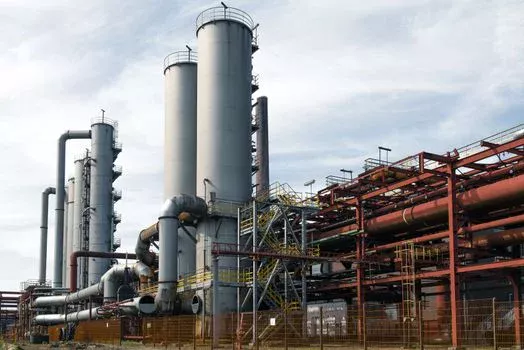
The selection of a "tech stack" is the primary determinant of CAPEX, with Membrane Bioreactor (MBR) systems commanding a 100% premium over basic Anaerobic/Oxic (A/O) systems in the Bukhara market. For a standard 1,000 m³/day plant, an A/O biological treatment system for Bukhara’s municipal and industrial effluents typically costs between $1.2M and $1.5M. This configuration includes anoxic and aerobic tanks, secondary clarifiers, and basic chlorine disinfection. While cost-effective, the effluent quality (COD ≤ 100 mg/L) generally only meets secondary treatment standards, which may be insufficient for industrial reuse or discharge into sensitive Bukhara water bodies.
Mid-tier budgets often opt for DAF combined with biological treatment, ranging from $1.8M to $2.2M. This setup is critical for Bukhara’s industrial operators dealing with high Total Suspended Solids (TSS) or Fats, Oils, and Grease (FOG). The addition of a DAF unit ensures the biological stage is not overwhelmed by the region’s high-salinity influent, resulting in effluent with COD ≤ 70 mg/L and TSS ≤ 30 mg/L.
For high-end industrial applications or municipal reuse, an MBR system for reuse-grade effluent in Bukhara’s industrial parks represents the most significant investment, with CAPEX between $2.5M and $2.8M. This technology utilizes submerged PVDF membranes to replace secondary clarifiers, offering a 60% smaller footprint and effluent quality (COD ≤ 30 mg/L) that meets international reuse standards. However, buyers must account for "hidden" costs: civil works in Bukhara's high water table areas can add $50,000 to $100,000 for dewatering, while permitting and operator training typically require a $50,000 to $80,000 allocation.
| Technology Stack | CAPEX (1,000 m³/day) | Effluent Quality (COD) | Footprint Requirement |
|---|---|---|---|
| A/O Biological | $1.2M – $1.5M | ≤ 100 mg/L | Large (Clarifiers needed) |
| DAF + Biological | $1.8M – $2.2M | ≤ 70 mg/L | Medium |
| MBR (Membrane) | $2.5M – $2.8M | ≤ 30 mg/L | Compact (60% reduction) |
| Tertiary (Sand/UV) | +$100K – $300K | ≤ 50 mg/L (from A/O) | Additional 15% area |
OPEX in Bukhara: How Energy, Chemicals, and Labor Drive Long-Term Costs
Operating expenses for a Bukhara WWTP are heavily influenced by the $0.08/kWh electricity rate, making energy the single largest OPEX component for advanced treatment systems. MBR systems, while providing superior water quality, consume between 0.8 and 1.2 kWh per cubic meter treated. In Bukhara, this translates to an energy cost of $0.06 to $0.10/m³. Conversely, simpler A/O systems consume 0.4 to 0.6 kWh/m³, though they often fail to meet the stricter Uzsuvtaminot compliance guidelines without additional tertiary stages.
Chemical consumption in Bukhara is 20–30% higher than the national average due to the need to neutralize high TDS levels and facilitate flocculation in saline conditions. Typical chemical costs range from $0.05 to $0.15/m³, utilizing an automatic chemical dosing system to manage Polyaluminum Chloride (PAC) at $1.2/kg and flocculants at $2.5/kg. Labor remains a fixed burden; a 24/7 operation requires at least four Full-Time Equivalents (FTEs), adding roughly $100,000 to $150,000 annually to the budget. MBR facilities specifically require an additional FTE or specialized contract for membrane cleaning and maintenance.
Sludge management is an often-overlooked OPEX driver. Bukhara’s local landfills charge between $30 and $50 per ton for disposal, but the sludge must first be dewatered to at least 20% solids content. Utilizing a sludge dewatering solution for Bukhara’s WWTPs, such as a plate and frame filter press, is essential to minimize volume and reduce transport costs, which otherwise add $20 to $50 per ton in logistics fees.
| OPEX Category | A/O System ($/m³) | DAF + Bio ($/m³) | MBR System ($/m³) |
|---|---|---|---|
| Energy ($0.08/kWh) | $0.04 – $0.05 | $0.06 – $0.08 | $0.08 – $0.10 |
| Chemicals | $0.05 – $0.07 | $0.08 – $0.12 | $0.06 – $0.09 |
| Labor (4+ FTEs) | $0.06 – $0.10 | $0.06 – $0.10 | $0.10 – $0.15 |
| Maintenance/Membranes | $0.01 – $0.03 | $0.02 – $0.05 | $0.06 – $0.11 |
| Total OPEX/m³ | $0.15 – $0.25 | $0.20 – $0.35 | $0.30 – $0.45 |
Uzbekistan’s Effluent Standards: How Compliance Impacts Your Budget
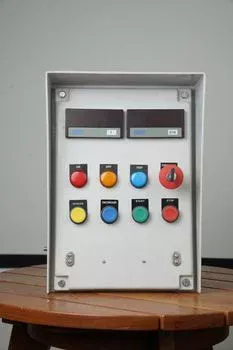
Compliance with Uzbekistan’s Ministry of Health and Uzsuvtaminot standards (MD 145/93) is a non-negotiable cost factor that can lead to fines of $10,000 to $50,000 per year for non-compliant Bukhara facilities. The national standard for discharge into municipal sewers or natural water bodies typically requires COD ≤ 50 mg/L, BOD ≤ 25 mg/L, and TSS ≤ 30 mg/L. While these limits are less stringent than some EU mandates, they are significantly stricter than US EPA secondary standards for COD. For a comparison of international benchmarks, see how India’s OPCB standards compare to Uzbekistan’s effluent limits.
Achieving these standards often requires a choice between chemical and physical disinfection. A chlorine dioxide generator is the most common solution in Bukhara due to low chemical costs ($0.8/kg), though it carries the risk of residual chlorine toxicity. UV disinfection systems offer a chemical-free alternative with lower OPEX ($0.03/m³) but require a higher upfront CAPEX of approximately $150,000 for a 1,000 m³/day flow. For industrial plants in the textile or food processing sectors, failing to meet these standards not only results in fines but can lead to mandatory temporary closures by the State Committee for Nature Protection.
| Parameter | Uzbekistan Standard | A/O Performance | MBR Performance |
|---|---|---|---|
| COD (mg/L) | ≤ 50 | 80 – 120 | ≤ 30 |
| BOD5 (mg/L) | ≤ 25 | 30 – 50 | ≤ 5 |
| TSS (mg/L) | ≤ 30 | 40 – 60 | ≤ 2 |
| Compliance CAPEX | Mandatory | Requires Tertiary (+$200K) | Built-in |
Procurement Checklist: How to Avoid Cost Overruns in Bukhara
Effective procurement in the Bukhara wastewater market requires a rigorous evaluation of supplier lead times and local support capabilities to avoid the 20–30% cost overruns common in Central Asian infrastructure projects. International suppliers from China or Europe generally offer more advanced technology with shorter lead times (3–6 months for equipment) but require a 15% import duty budget. Local suppliers may offer lower initial prices but often lack the specialized engineering expertise required for MBR or DAF systems, potentially leading to 9–12 month delays in commissioning.
To mitigate risk, procurement managers should follow this decision framework:
- Supplier Verification: Request at least three references for operational plants within Uzbekistan. Verify ISO 9001 certification and local after-sales service availability.
- Lead Time Planning: Account for the Bukhara winter (November–February), which can delay civil works by 60–90 days. Total project timelines should span 12–18 months.
- Payment Terms: Standard practice is 30% down payment, 40% upon equipment delivery, and 30% after successful commissioning and effluent testing. Avoid 100% upfront requests.
- Warranty and Service: Ensure a minimum 2-year warranty on mechanical parts. International suppliers should include a $20,000–$50,000 service contract for the first three years of operation.
When evaluating global benchmarks, it is useful to compare Bukhara's costs with other developing markets. For instance, Sri Lanka’s WWTP cost benchmarks for South Asian buyers show lower labor costs but higher logistics hurdles, while how Saudi Arabia’s WWTP costs compare to Uzbekistan’s highlights the impact of extreme energy subsidies versus Bukhara's market-rate power.
Sample RFP Requirement for Bukhara: "The contractor must guarantee effluent compliance with MD 145/93 standards (COD ≤ 50 mg/L) for a period of 24 months post-commissioning. Price must include 15% import duties and 12% VAT unless a project-specific exemption certificate from the Ministry of Economy and Finance is provided."
Frequently Asked Questions
What is the average cost per m³ for a wastewater treatment plant in Bukhara?
For a 1,000 m³/day plant, the CAPEX ranges from $1,200 to $2,800 per m³ of daily capacity. OPEX typically falls between $0.15/m³ and $0.45/m³, depending on whether you utilize A/O or MBR technology. MBR systems cost 30–50% more upfront but are necessary for high-TDS water compliance.
How do Uzbekistan’s effluent standards compare to EU/US standards?
Uzbekistan’s COD limit of ≤ 50 mg/L is more stringent than the US EPA’s general secondary treatment guideline (~120 mg/L) but less strict than the EU’s Urban Wastewater Treatment Directive (25 mg/L). MBR technology is generally required to meet EU-level reuse standards in Bukhara.
What are the hidden costs of building a WWTP in Bukhara?
Major hidden costs include the 15% import tariff on equipment, 12% VAT on construction services, and the high cost of electricity ($0.08/kWh). Additionally, Bukhara’s high TDS (~1,200 mg/L) often necessitates a $150,000+ pre-treatment stage that is not always included in generic quotes.
How long does it take to build a wastewater treatment plant in Bukhara?
A typical project takes 12 to 18 months. This includes 6 months for equipment manufacturing and shipping, and 6–12 months for civil works. Construction is often paused or slowed during the winter months from November to February due to soil conditions.
Can I use a Chinese supplier for my Bukhara WWTP?
Yes, Chinese suppliers are common in the Uzbekistan market and offer 20–30% lower prices than European counterparts. However, you must budget for the 15% import tariff and ensure the supplier has a local partner for installation and warranty support to avoid long downtimes.