Choose the treatment route from verified hotel demand
For a hotel in East Timor, compare a WSZ package sewage treatment plant with an MBR system using verified site data—not a generic capacity range. WSZ combines anoxic/aerobic biological contact oxidation, sedimentation and disinfection in a buried unit and handles 1–80 m³/h, according to the HydropureWater WSZ catalogue. An MBR combines activated sludge with submerged PVDF membranes, handles 10–2,000 m³/day and provides below-1 μm filtration, according to the HydropureWater MBR catalogue. Choose WSZ where the verified duty fits, compact deployment matters and reuse does not require membrane-level separation; choose MBR where stronger solids separation or defined reuse is the priority. East Timor-specific permits, effluent limits and reuse approvals still require written confirmation.
Start with the property’s operating duty, not an occupancy-based catalogue estimate. Request measured discharge data where available; otherwise, require documented average daily flow, peak-hour flow, seasonal occupancy, guest-night records and planned changes to rooms, food service, laundry or spa operations. A supplier cannot design a defensible on-site hotel sewage treatment system from guest rooms alone because water fixtures, food-service activity, laundry and seasonal occupancy affect both hydraulic and biological loading.
Keep the wastewater streams separate. Guest-room foul sewage, kitchen effluent, laundry discharge, swimming-pool water, roof runoff and groundwater infiltration have different hydraulic and contaminant characteristics. Combining them can inflate the design flow or dilute the strength of the wastewater sent to biological treatment. Decide whether each stream enters the package plant, receives separate pretreatment, or is excluded from the design basis.
| Bidder input | Required information | Procurement decision |
|---|---|---|
| Hydraulic duty | Measured or documented average daily flow, peak-hour flow and operating profile | Confirm the design peak and the duty against the supplier’s stated flow units |
| Demand history | Seasonal occupancy, guest-night records, room additions and food-service expansion | Set current and future design periods and any modular expansion requirement |
| Stream breakdown | Foul sewage, kitchen, laundry, spa or pool, stormwater and infiltration | Define which streams enter the treatment train and their pretreatment |
| Wastewater quality | Representative sampling for grease, solids, pH and nutrients, as applicable | Define biological loading, equalization and pretreatment requirements |
| Receiving route | Receiving sewer, discharge point or reuse application | Set the required treatment objective before selecting equipment |
Do not compare 1–80 m³/h with 10–2,000 m³/day as interchangeable capacity figures. The WSZ underground package sewage treatment plant uses an hourly flow basis, while the integrated MBR membrane bioreactor uses a daily flow basis. Convert the verified operating profile into the basis required by each system, then confirm equalization and standby provisions.
Compare WSZ and MBR against the reuse decision
The WSZ specification combines A/O biological contact oxidation, sedimentation and disinfection in one buried package, while the MBR specification combines activated sludge with submerged PVDF membrane filtration. The selection should follow from the required effluent use and the verified flow—not from filtration claims alone.
| Selection issue | WSZ package route | MBR route |
|---|---|---|
| Catalogued capacity | 1–80 m³/h, according to the HydropureWater WSZ catalogue | 10–2,000 m³/day, according to the HydropureWater MBR catalogue |
| Treatment configuration | Anoxic/aerobic biological contact oxidation, sedimentation and disinfection in a buried unit | Activated sludge with submerged PVDF membrane filtration |
| Separation characteristic | Clarification by sedimentation | Membrane filtration below 1 μm |
| Installation consideration | Buried package with landscaping above or trailer mounting for mobile deployment | Equipment arrangement and site integration require supplier definition |
| Operation consideration | Product specification states full automation with no operator required | No equivalent no-operator statement is established in the supplied MBR specification |
| Footprint claim | No equivalent comparative footprint claim is established in the supplied WSZ catalogue | HydropureWater MBR specification states a 60% smaller footprint than conventional systems |
Use WSZ when the verified duty fits its catalogued range, the site can accommodate a buried installation, and the reuse application does not require membrane-level solids separation. It may reduce deployment complexity where excavation, ground conditions and local civil work are manageable. Its “no operator required” statement is an equipment specification, not proof that the property can maintain the plant without trained support; verify inspection, sampling, preventive maintenance and fault response with the supplier.
Evaluate MBR where stronger solids separation, a defined reuse route or a larger design flow dominates the decision. The below-1 μm filtration and 60% smaller-footprint claims are selection inputs, not East Timor compliance or reuse guarantees. Require the bidder to define membrane configuration, aeration, cleaning, replacement, power demand, controls, spare parts and expected effluent parameters against the intended use.
Reuse must be stated precisely. “Landscape irrigation” or “toilet flushing” is not enough for procurement. Identify the application, water quality parameters, monitoring frequency, cross-connection controls and approval authority. The WSZ versus MBR hotel wastewater decision framework provides a useful cross-check for the questions a bidder should answer, but its project geography does not establish East Timor requirements.
Test the site, power and receiving route before pricing
Buried equipment can fail the site concept if excavation, groundwater, flooding or access conditions are not resolved before the equipment is selected. Obtain a topographic and boundary survey, the available footprint, delivery and maintenance access, ground conditions, groundwater level and flood exposure. These checks are particularly important for a buried WSZ unit because excavation depth, burial method and reinstatement affect both feasibility and cost.
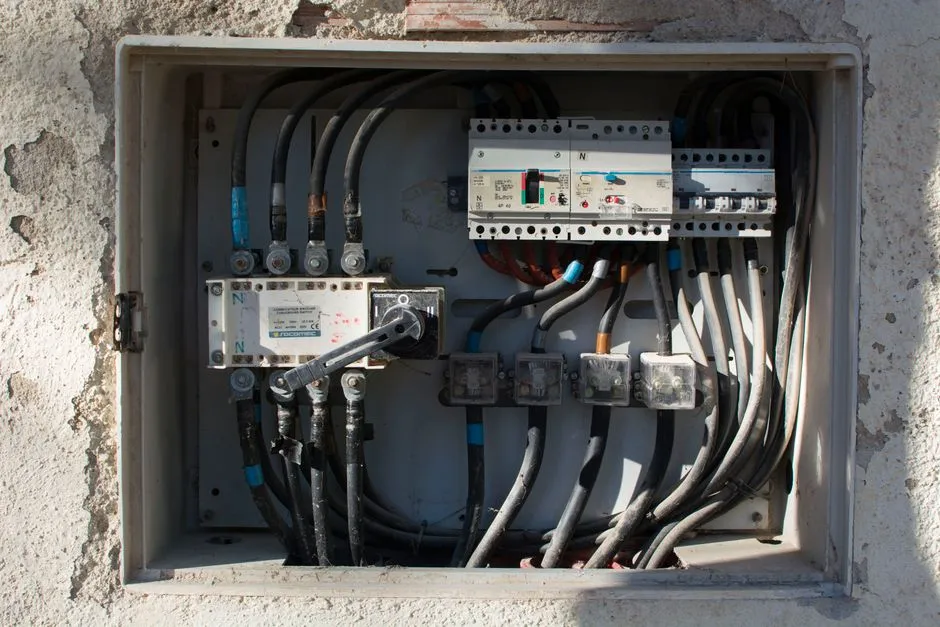
Document electrical supply as part of the same design process. Require the connection point, available power, expected load, controls arrangement, outage response and backup proposal. Do not leave remote monitoring, aeration, membrane cleaning, pumps or disinfection power inside an equipment-only price.
Identify the receiving route in writing before equipment release. State whether treated effluent will enter a sewer, discharge at a specified point or serve a defined reuse application. Obtain the name of the relevant authority or receiving party, the applicable effluent parameters, sampling protocol, application procedure, responsible applicant and approval conditions. The supplied evidence does not establish current East Timor-specific hotel discharge limits, permit procedures or reuse approvals. A supplier’s generic specification cannot substitute for those confirmations.
For a buried installation, ask each bidder to price or identify responsibility for excavation, dewatering, backfill, access covers, anti-flooding provisions, weather protection and site reinstatement. Also allocate responsibility for access for lifting, membrane or media replacement, routine inspection and emergency response.
Use the site and installation assessment method for a buried hotel treatment package to structure these checks. A comparable decision procedure is useful; an approval conclusion from another country is not.
Build a complete pretreatment and sludge-handling scope
Hotel wastewater includes guest bathrooms, kitchens, laundries and recreational areas, and its quantity and variability can be significant during peak seasons. The treatment route cannot be selected reliably until each stream and its contaminants are known.
Assess kitchen, spa and laundry grease separately. The dissolved air flotation machine is catalogued for suspended solids, FOG, oil and grease in industrial and municipal applications, but its inclusion should be supported by sampling. Laundry surfactants, emulsified kitchen oils and low flows can change the pretreatment approach. The selected train should follow the site survey and wastewater characterization rather than a fixed catalogue package.
Add a rotary mechanical bar screen where the wastewater contains rags, plastics or fibrous debris capable of fouling downstream pumps or biological treatment. Confirm screen selection from observed solids, flow profile, discharge arrangement and maintenance access. Consider equalization or chemical dosing only where the verified wastewater and treatment objective support them.
Require a written sludge-handling method covering collection, storage, transport, treatment or dewatering and the final receiving facility. Sludge formation is a main issue in wastewater treatment, but no East Timor receiving arrangement is established in the supplied evidence. Name the responsible contractor or authority and include removal, transport and disposal or reuse in the project scope.
This gives the buyer a proper wastewater pretreatment and sludge-handling plan rather than an equipment list. It also creates a bidder-ready boundary: each supplier must state which pretreatment items are included, why they are necessary, who maintains them and what residual handling is assumed.
Issue a bidder-ready specification for treatment
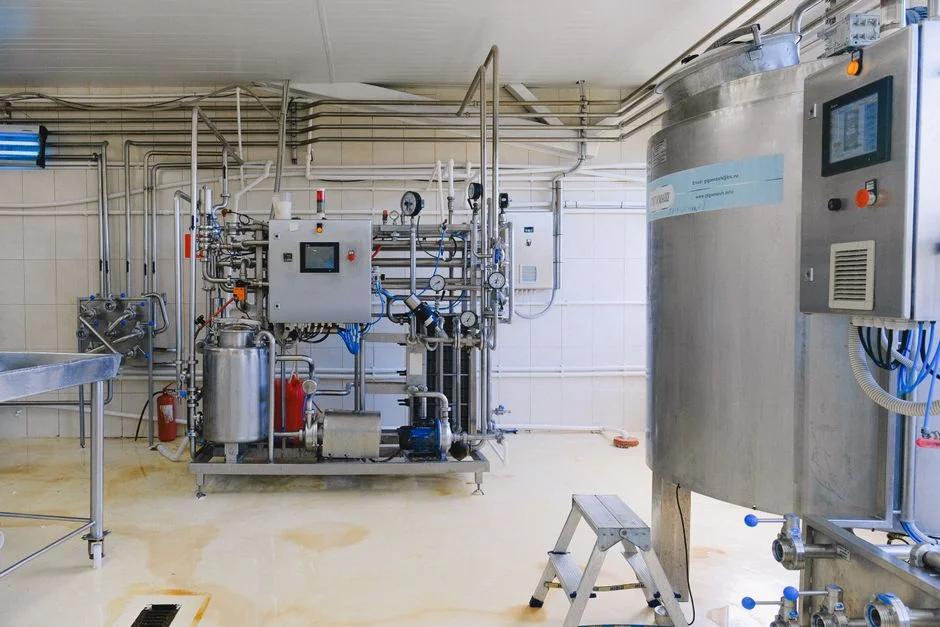
Comparable quotations require the same design basis, performance obligations and installation boundaries. Ask every bidder to complete one schedule and identify assumptions and exclusions separately.
| Bidder deliverable | Minimum information required |
|---|---|
| Design basis | Average and peak flow, operating profile, stream breakdown, wastewater quality, design periods and treatment objective |
| Process and layout | Process-flow diagram, equipment schedule, site layout, installation method and civil requirements |
| Equipment | Treatment route, pretreatment, flow units, membrane configuration where applicable, controls, power load and accessories |
| Construction | Supply, civil works, electrical works, excavation, backfill, installation, connections, testing and reinstatement |
| Commissioning | Protocol, training, performance tests, acceptance criteria, local support and spare parts |
| Operations | O&M manual, maintenance assumptions, annual operating inputs, membrane cleaning and replacement, sludge handling |
| Commercial | Prices, quantities, validity, payment milestones, assumptions, exclusions and release conditions |
| Approvals | Written East Timor approval pathway, responsible authority and conditions for discharge or reuse |
Ask each bidder to state its design assumptions, process guarantees, construction boundaries, installation and commissioning responsibilities, local support, annual operating inputs, maintenance assumptions and exclusions. These declarations prevent a low equipment price from hiding civil work, specialist labour, chemical dosing, power upgrades, membrane replacement or sludge removal.
Do not treat an equipment price as a complete project cost until the quotation separately identifies civil works, electrical works, installation, commissioning, training, performance testing, annual operation inputs, maintenance, spares and exclusions. If financing or an operating arrangement is required, request its commercial terms as a separate schedule rather than inferring them from treatment equipment.
Require the selected supplier to complete the comparison of sewer, on-site sanitation and package-plant deployment options for this site. That broader route check is useful because absence of a sewer does not by itself establish that a package plant is the only feasible option.
Before ordering, obtain written confirmation of the discharge or reuse authority and approval pathway. Equipment release should be conditional on the agreed design basis and resolved site and compliance assumptions. This is the point at which a WSZ underground package sewage treatment plant or integrated MBR membrane bioreactor becomes a project-specific package rather than a catalogue selection.
Frequently Asked Questions
What flow is needed to compare a WSZ with an MBR for an East Timor hotel?
The WSZ catalogue states 1–80 m³/h, while the MBR catalogue states 10–2,000 m³/day. These are different flow bases. Selection requires measured or documented average daily flow, a design peak-hour flow, the operating profile and an agreed treatment duty; occupancy alone is not a sufficient design basis.
How much should a packaged sewage treatment plant for hotels in East Timor cost?
A credible price cannot be given without verified flow, wastewater quality, pretreatment needs, footprint, ground and groundwater conditions, power availability, installation boundaries and the sludge-removal route. Ask each bidder for a priced equipment schedule plus separately priced civil works, electrical works, installation, commissioning, training, performance testing, annual operating inputs and exclusions.
What should a supplier disclose before the hotel selects an MBR system?
The bidder should disclose the design-flow basis, membrane configuration, aeration and sludge-handling requirements, cleaning method, replacement assumptions, power demand, controls, spares, local support and expected effluent parameters against the specified reuse application. Below-1 μm filtration is an