
Define the greywater use before selecting equipment
A commercial greywater recycling system in the Bahamas should be selected around the intended reuse, not simply around the amount of water available. Greywater generally excludes toilet wastewater but can include bathroom sinks, showers, baths, washing machines, dishwashers and other non-toilet flows. Kitchen wastewater can carry food, grease and solids and may clog treatment or irrigation equipment, so it should be excluded unless the proposed process and local approval specifically accommodate it. Gravity, biological treatment, ultrafiltration, MBR and disinfection should then be matched to the required outlet water quality.
Define each intended outlet separately. Landscape irrigation, toilet flushing and another approved reuse do not imply the same treatment, monitoring or operating requirements. The MBR system design criteria provide a useful reference for converting an outlet requirement into process and acceptance terms, but the applicable Bahamian authority and water-quality limits still need confirmation.
| Project decision | Record before equipment selection | Supplier deliverable |
|---|---|---|
| Reuse definition | Outlet, application and whether the water will contact people, food crops or building fixtures | Written water-quality and operational basis |
| Source segregation | Showers, baths, bathroom sinks, washing machines, dishwashers and kitchen sinks as separate streams | Included and excluded sources for each bid |
| Regulatory route | Relevant Bahamian authority, permit pathway and required supporting documents | Permit and approval deliverables identified in the schedule |
| Verification | Sample points, test parameters, acceptance conditions and responsible party | Commissioning and witnessed performance test |
The academic review published in October 2023 describes greywater as all household wastewater except toilet wastewater. The Greywater Action guidance likewise excludes toilet flows and identifies bathroom sinks, showers, tubs and washing machines as greywater sources. Put the definition, reuse target and approval basis into the RFQ; do not leave the contractor to infer them.
Build the source-flow and quality dataset
Greywater flow must be measured by source and time of day before a treatment train is sized. The academic review published in October 2023 reports that greywater production follows domestic water use and therefore has a diurnal pattern. Building occupancy can support planning, but it does not establish the flow entering the proposed equipment. A measurement period should cover the property’s operating pattern, including peak shower periods, laundry cycles and any irrigation demand that the system is expected to meet.
Use the published benchmarks as screening references, not automatic design values. The same review reports average greywater production of 60–200 L per capita per day in developed countries and states that greywater represents 75–90% of total domestic wastewater flow. Neither benchmark describes a Bahamas hotel, residence or municipal facility. The project-specific dataset should therefore determine design flow, equalization and peak capacity.
| Input | Evidence or measurement required | Procurement use |
|---|---|---|
| Source flows | Measured flow by shower, bath, sink, laundry, dishwasher and kitchen stream, with time-of-day profile | Average, peak and equalization design basis |
| Organic load | COD, BOD and suspended solids | Pre-treatment and biological loading |
| Physical quality | Turbidity, conductivity and salinity | Filtration, irrigation suitability and corrosion review |
| Chemical quality | Surfactants, nutrients and site-specific contaminants | Reuse route, pretreatment and effluent specification |
| Microbiological quality | Pathogen indicators selected for the intended reuse | Disinfection barrier and acceptance testing |
Raw-water characterization should address COD, BOD, suspended solids, turbidity, conductivity, salinity, surfactants, nutrients, pathogens and contaminants specific to the property. The October 2023 review notes that salinity affects reuse and infiltration potential, while detergents and personal-care products introduce surfactants and other organic compounds. Greywater Action also advises plant-friendly products because salts, boron and chlorine bleach can accumulate in soil and damage plants.
Every proposal should disclose the measured or estimated source flow, peak-factor basis, hydraulic-retention basis and whether equalization is included. If those inputs are absent, the price cannot be compared on a common basis.
Compare irrigation reuse with engineered treatment
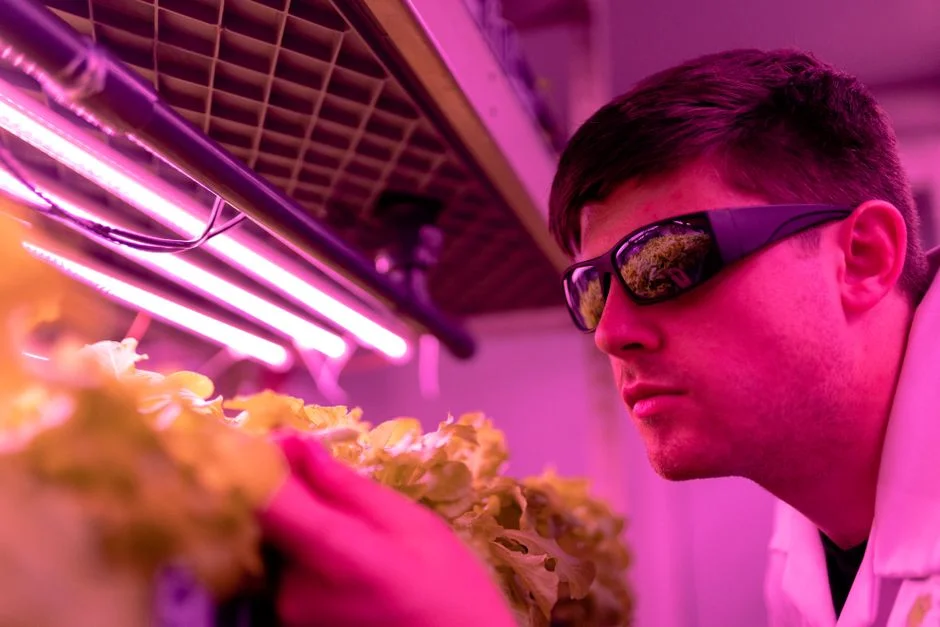
Gravity-fed irrigation is the lowest-complexity route when the reuse area is downhill and the required water quality fits the application. Greywater Action recommends gravity whenever possible because pumps add cost, electricity consumption and failure points. That source also identifies food and grease as clogging risks and recommends excluding or separately treating kitchen wastewater where it would obstruct the selected system.
Biological treatment becomes relevant when the objective requires more extensive organic treatment. In a German study summarized by the October 2023 academic review, a multistage MBBR treating 8–11 m³/day achieved 94% overall COD removal and 22 mg/L effluent COD, with a hydraulic retention time of 1.2–1.6 days. This is study evidence for a particular installation, not a universal sizing rule or a Bahamas reuse approval.
| Treatment route | Use it when | Key procurement checks |
|---|---|---|
| Gravity irrigation | Outlet is landscape irrigation, terrain permits gravity flow and the verified quality is acceptable | Fall, pipe sizing, distribution method, erosion and root-zone application |
| Physical and biological treatment | More extensive solids and organic treatment is required | Loading basis, equalization, residuals, operator requirements and treated-water target |
| UF greywater filtration | The specification requires fine solids separation or membrane capture | Membrane pore specification, backwash, air scour, flow basis and recovery |
| MBR water reuse | A compact biological train with membrane separation is required | Filtration performance, biological loading, sludge handling and cleaning |
| Disinfection | The approved reuse route requires pathogen control | Dose or intensity, contact conditions, fouling, monitoring and validation |
For a UF-based option, the ultrafiltration system for greywater reuse specifies 0.03 μm PVDF membranes, automatic backwash, air scour and flow capacity from 2,000 to 40,000 L/h. For a compact biological membrane route, the integrated MBR wastewater treatment system covers 10–2,000 m³/day and filtration below 1 μm. These are equipment catalogue scopes, not site guarantees. Require each supplier to tie capacity and guarantee to the project’s measured flow, raw-water analysis and effluent specification.
Assign treatment, disinfection and monitoring stages
The treatment train should contain one defined barrier for each identified risk: solids removal, organic treatment, fine filtration, disinfection and reuse-specific monitoring. The academic review published in October 2023 identifies biological treatment, membrane filtration and ultraviolet disinfection as established or emerging greywater-reuse technologies, but it does not establish Bahamas-specific reuse limits. The relevant Bahamian authority must therefore determine whether the proposed outlet is permitted and which water-quality parameters, sample points and validation documents apply.
Pathogen control cannot be inferred from physical appearance or from the presence of biological treatment alone. The October 2023 review states that untreated greywater can present microbial risks and that treated water may still pose health risks during practices such as food-crop irrigation. The intended application determines whether disinfection is necessary and how its performance must be demonstrated. A UV treatment stage may form part of that barrier, subject to the approved process and verified operating conditions.
Use the water-disinfection engineering and compliance guide to structure questions about dose, contact, fouling, validation and monitoring. Do not describe the treated output as potable unless a separate project establishes the required treatment, validation and regulatory approval; non-potable reuse should remain explicitly labelled as such.
- Startup testing should establish stable hydraulic operation and treatment performance under defined influent conditions.
- Performance testing should use agreed sample locations, test methods, operating loads and acceptance criteria.
- Monitoring should address the parameters linked to the reuse risk, not merely equipment alarms.
- The maintenance scope should include membrane cleaning, media maintenance, sludge or residual handling, spare parts, operator training and local or remote alarms.
Issue a supplier-ready sizing and acceptance checklist
A comparable bid must state the measured or estimated source flows, peak demand, treatment capacity, hydraulic basis, pumping requirements, footprint, utilities and installation constraints. Without those fields, two quotations may describe different systems while appearing comparable. The project decision sheet below can be issued with the RFQ, with blanks marked “site data required” where information has not yet been verified.
| Fillable field | Owner or supplier response | Acceptance requirement |
|---|---|---|
| Source and peak flows | Owner: measured site data | Average and peak basis documented |
| Reuse outlet and quality target | Owner and designer: approved definition | Parameters, sample points and test methods stated |
| Treatment train | Supplier: proposed barriers | Capacity tied to design flow and raw-water analysis |
| Equalization and pumping | Supplier: included scope | Operating mode, duty and standby requirements stated |
| Installation constraints | Owner: site information | Power, drainage, access, noise and footprint confirmed |
| Performance guarantee | Supplier: guaranteed values | Witnessed test under agreed conditions |
| Operations and residuals | Supplier: full lifecycle scope | Training, maintenance, spares and residual handling priced |
| Approvals | Local authority: confirmed route | Permit documents and responsible parties identified |
Request itemized costs for equipment, membranes or media, pretreatment, pumping, controls, installation, commissioning, training, maintenance and sludge or concentrate disposal. Do not accept an unexplained lump sum that conceals a residual-disposal obligation. The academic review published in October 2023 identifies monitoring and control, legal frameworks and implementation barriers as continuing reuse challenges, which makes permission and operating responsibilities part of the procurement scope.
Assign responsibility for missing information: the owner should provide flow, reuse and site data; the relevant Bahamian authority should confirm approvals; the designer should select the process; and the supplier should guarantee the offered equipment. Greywater Action notes that complex systems depend on pumps and filtration and may require regular maintenance, while pumps add cost, electricity use and breakdown exposure. Include those lifecycle items in the comparison rather than treating purchase price as the total decision.
Frequently Asked Questions
What minimum information should a supplier receive before quoting a commercial greywater recycling system in the Bahamas?
Provide measured source flows by stream and time of day, intended reuse, raw-water quality, peak demand, site constraints and the applicable approval route. If those inputs are unavailable, ask the supplier to identify assumptions and excluded work in writing; otherwise the quotations will not be technically comparable.
Should the buyer choose UF or MBR for greywater treatment?
Choose UF when the required role is fine solids separation or membrane capture, and MBR when the project requires a combined biological process and membrane filtration train. The final selection must follow the verified effluent target, raw-water quality, hydraulic load and residual-handling requirements, not equipment category alone.
Which Bahamas approvals and water-quality requirements must be verified?
Confirm the relevant Bahamian authority, permit pathway, permitted application, sampling points, numerical water-quality limits and required approval documents with that authority. The supplied research does not establish Bahamas-specific limits, so they must not be inferred from another jurisdiction.
What maintenance information should be included in a supplier comparison?
Compare routine service frequency, operator skill, membrane or media cleaning, chemicals, spares, alarms, energy demand and sludge or concentrate handling. Also request the associated costs and responsibility allocation. For a membrane route, the UF and RO treatment route comparison provides useful procurement questions, while the reuse versus sewer treatment decision illustrates why the final disposal route belongs in the commercial comparison.