Identify the Controlling Discharge Requirements
Fabricated-metals plants near Harmony determine pretreatment compliance by process, not by SIC code or product catalogue. Document fabrication, machining, cleaning, etching, plating, anodizing, rinse, cooling and stormwater routing, then establish whether 40 CFR Part 433 metal-finishing rules, 40 CFR Part 467 aluminum-forming rules, another category, or no categorical standard applies. The next check is the receiving sewer authority’s current permit: existing-source PSES, new-source PSNS and local limits must be compared parameter by parameter, with the stricter applicable requirement controlling. The supplied research does not state Harmony’s numeric local limits, so obtain them in writing before selecting equipment.
The permit identifies the regulated discharge points, incorporated standards, analytical methods, monitoring frequency, resampling rules and required reporting. Do not substitute a federal table, generic guidance or a nearby jurisdiction’s requirements for Harmony’s permit. The receiving pretreatment authority should also confirm the regulatory basis for the plant’s categorical classification.
| Control item | Engineering question | Required record before specification |
|---|---|---|
| Manufacturing category | Which processes occur on site, including integral surface treatment? | Process inventory, chemical and alloy list, production description and written authority determination |
| Applicable standards | Do PSES, PSNS, local limits or another incorporated requirement apply? | Current permit, incorporated standards and parameter-by-parameter comparison |
| Discharge basis | Where may each stream discharge, and at which monitoring points? | Approved site plan, sewer routing, flow schematic and monitoring locations |
| Compliance evidence | Which analyses, sampling methods and responses are required? | Monitoring schedule, approved methods, resampling rules, reporting deadlines and violation-response procedure |
Use change control for new alloys, chemicals, production rates, machining methods, surface treatments and product mix. These changes can alter both categorical applicability and the constituent load the equipment must handle. This method follows the structure of a fabricated-metals pretreatment compliance framework, but its controlling values must come from the Harmony permit and the plant’s actual operations.
Characterize and Segregate Each Waste Stream
A treatment train cannot be sized correctly from one mixed floor-drain sample because batch timing, concentration and chemical compatibility control both equalization and downstream treatment performance. Segregate clean rinse water, concentrated process baths, oily waste, cleaning chemicals and metal-bearing solutions. Keep incompatible streams separate until their treatment routes and discharge authorizations are established. Concentrated baths should not be diluted merely to lower a measured concentration.
HydropureWater’s 2026 mixed-floor-drain field data report oils at 50–500 mg/L, total dissolved metals at 5–200 mg/L, TSS at 100–1,000 mg/L and pH swings from 2 to 12 across batch dumps. These values characterize the stated mixed-floor-drain scope; they are not Harmony permit limits and should not replace site sampling. Sampling for a full week of composite flow is necessary because a 4-hour composite can miss a Friday-afternoon batch dump, according to HydropureWater’s 2026 pretreatment guidance.
| Waste stream | Constituents to characterize | Design implication | Monitoring and evidence |
|---|---|---|---|
| Concentrated process baths | Metals, pH, cleaning chemicals, process reagents and batch volume | Dedicated control treatment; no dilution-based credit | Batch log, source sample, disposal or treatment record |
| First-rinse and later-rinse flows | Constituents transferred from the preceding operation | Separate where reuse or different treatment is possible | Flow split, concentration results and rinse-water disposition |
| Oily drains and machining fluids | Oil and grease, surfactants, entrained solids and emulsion behavior | Oil-removal evaluation and solids-handling basis | Composite samples, flow records and DAF operating data |
| Floor drains and episodic dumps | Permit-regulated metals and chemicals, oil and grease, TSS and pH | Equalization and diversion capacity from actual batch events | Full-week characterization, batch schedule and event log |
| Cooling water and stormwater routed to sewer | Source pollutants, first-flush characteristics and permitted routing | Confirm authorization before inclusion in sanitary pretreatment | Routing diagram, sampling records and authority approval |
Request average flow, peak flow, batch volumes, operating hours, production changes and constituent results for each stream. Analyze pH, oil and grease, TSS and every permit-regulated metal or chemical. These records become the influent basis for equalization, DAF and chemical-treatment sizing.
Match Contaminants to Treatment Steps
Each treatment stage must remove a defined constituent through a defined mechanism; a single DAF or reaction stage cannot credibly solve oils, reactive chromium, cyanide, dissolved metals and suspended solids at once. Equalization stabilizes batch flow and loading. pH adjustment is a controlled process step, but the final discharge must still satisfy the Harmony permit’s pH condition.
For recoverable oil, floatable or dispersed solids and suitable colloidal material, evaluate an industrial DAF system for metalworking wastewater. HydropureWater’s supplied product data cover 4–300 m³/h across 13 standard models, subject to verification against the actual flow, pollutant load, operating schedule and removal duty. The stamping-press oily-water pretreatment guide provides a useful source-separation reference, but it does not establish Harmony requirements.
Where hexavalent chromium is present, reduce it with sodium metabisulfite or ferrous sulfate at pH 2–3 and approximately 250–300 mV ORP, then precipitate the trivalent form at pH 8.5–9.5. Cyanide must be oxidized before metals precipitation because unresolved cyanide can interfere with downstream metal removal. These operating conditions come from HydropureWater’s 2026 pretreatment guidance and require confirmation through plant testing and the approved treatment program.
| Contaminant or condition | Required mechanism | Principal equipment | Acceptance check |
|---|---|---|---|
| Batch flow and loading variation | Flow and load attenuation | Industrial equalization basin with mixing and controlled return | Peak, batch volume, retention and diversion checks against plant records |
| Recoverable oil, floatable solids and suitable colloids | Gas attachment and floatation | DAF with flocculation, recycle and sludge withdrawal | Verified flow, solids loading, A/S ratio, recycle, float quality and residual TSS |
| Hexavalent chromium | Chemical reduction followed by precipitation | Reduction and pH-control stage, then clarification | ORP, pH, reaction time and chromium results under representative wastewater |
| Cyanide | Oxidation before metals precipitation | Oxidation reactor with controlled chemical feed | Residual cyanide and reaction-control records |
| Dissolved regulated metals | Chemical conversion to insoluble solids followed by separation | Chemical precipitation and clarification or compatible solids separator | Permitted chemistry, metal concentrations, residual solids and sludge characteristics |
| Final pH and residual solids | Controlled pH adjustment and final solids capture | pH trim, DAF or clarification, and sludge dewatering as required | Final discharge results and permit compliance records |
For compact clarification, the supplied lamella data list 20–40 m/h surface loading and state that chemical consumption can be up to 30% lower than its stated conventional-system basis. Both claims require confirmation against the selected duty and design basis. A DAF versus lamella pretreatment comparison can support mechanism selection, but the approved permit and actual wastewater remain controlling.
Size the Train from Peaks and Operating Demands
Equalization and treatment capacity must be based on variability and constituent load, not average flow alone. HydropureWater’s 2026 guidance requires production schedules, batch-generation records, operating hours, episodic dumps and anticipated changes to be considered. The industrial equalization basin should accommodate the controlling batch event while preventing an upstream upset from becoming an unauthorized discharge.
For DAF, evaluate hydraulic surface loading of 4–20 m/h, an air-to-solids ratio of 0.005–0.060 with 0.02 as the stated typical design point, and recycle of 10–30% of forward flow. These values come from HydropureWater’s 2026 pretreatment guidance. Higher recycle can increase equalization demand; higher air-to-solids ratio increases blower demand and may affect fragile floc. Confirm the selected combination from characterized solids, oil, chemistry and operating records.
Use a PLC-controlled automatic chemical dosing skid for flow-paced feed with pH or ORP feedback where those controls are appropriate. Require pump calibration, stroke-count totals, alarms and diversion back to equalization during excursions. The controls must support the permit operating plan; they do not replace required sampling or reporting.
Select sludge handling from measured solids generation, operating cycle, cake handling and disposal economics. HydropureWater’s 2026 data describe floated metal-hydroxide sludge at 2–5% dry solids from DAF and 25–35% after plate-and-frame filtration. Confirm these values in project-specific testing before selecting filtration area or disposal equipment.
Build the Compliance Verification Plan
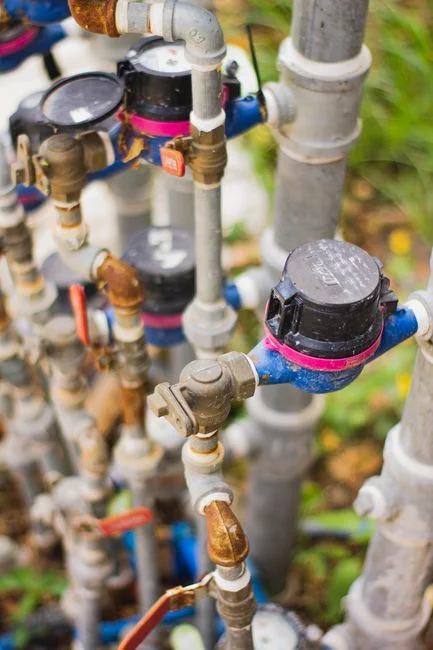
A defensible compliance record connects each effluent result to the wastewater, operating settings and equipment condition that produced it. Monitor flow, pH, oil and grease, TSS and applicable metals at permit-defined points and across representative production conditions. A result from one bath, alloy or production rate does not establish constant performance.
Maintain influent results, treatment settings, effluent results, instrument calibrations, chemical use, bypass events and corrective actions. The record should permit reconstruction of a sampling event, including sample point, time, flow condition, chemical feed and relevant equipment status. Preserve production and batch records for the same period.
Define isolation, investigation, resampling and reporting responses for upset conditions according to the Harmony permit. Automatic diversion, alarms and shutdown interlocks are operating safeguards, not substitutes for required monitoring, notification or corrective-action records.
Require proposed-equipment testing with representative plant wastewater before acceptance. The performance test should cover relevant batch compositions and operating conditions and use the permit-defined analytical methods where available. No equipment can independently guarantee compliance; the installed system must demonstrate that it meets the final permit conditions with actual plant waste. This follows the approach used in HydropureWater’s 2026 pretreatment guidance: site-specific permit, characterization and final equipment proposal determine the result.
Frequently Asked Questions
What are the Harmony POTW pretreatment limits for this plant?
The supplied research does not state Harmony’s local numeric limits. Request the current pretreatment permit, incorporated standards, monitoring methods, resampling rules, approved discharge points and written category determination from the receiving sewer authority. Compare those requirements with applicable PSES and PSNS values; the stricter applicable requirement controls each parameter.
Does DAF remove dissolved metals, and what information is needed to size it?
DAF is principally a physical-removal step for recoverable oil, floatable or dispersed solids and suitable colloids. Chemical treatment addresses applicable dissolved metals through a controlled chemical program followed by solids separation. DAF sizing requires characterized peak and average flow, batch volumes, operating hours, oil and solids loads, required removal performance and anticipated production changes; nominal throughput alone is insufficient.
What should a treatment supplier be responsible for before award?
Require a proposed treatment train, sizing calculations, materials of construction, duty cycle, control narrative, testing plan, maintenance assumptions and permit-compliance responsibility matrix. Assign startup testing, instrument calibration, authority submissions, operator training and compliance-record responsibilities explicitly. Tie payment or acceptance criteria to verified duties and documentation—not an unsupported guarantee of discharge compliance.
When is DAF plus chemical treatment sufficient, and when is more treatment needed?
DAF plus chemical treatment may be sufficient when the characterized constituents, verified process performance and final permit conditions are met by that train. Add or substitute unit operations if characterization identifies contaminants outside the treatment mechanisms, if the permit requires tighter results, or if the process objective includes reuse. Final polish requirements should be established from the permit and reuse specification rather than from a generic equipment list.