Start with the hotel's wastewater flows, not its star rating
An Indore hotel or resort generally needs an onsite sewage treatment system sized from daily and peak wastewater flows, not simply guest count. For typical domestic hotel wastewater, compare an underground A/O package plant with an MBR system. The WSZ A/O package integrates anoxic/aerobic biological treatment, sedimentation and disinfection, handles 1–80 m³/h, needs no operator and can sit below landscaped ground. An MBR combines activated sludge with submerged membrane filtration, treats 10–2,000 m³/day and provides near-reuse-quality effluent below 1 μm. Choose A/O for compact, straightforward treatment; consider MBR when stringent reuse or polishing is required. Final sizing and compliance must be verified from site data.
The property team should first separate domestic sewage from non-domestic streams. Guest-room and public-area flows can form the main domestic sewage stream, but kitchen wastewater, laundry wastewater, swimming-pool backwash and other utility discharges require separate assessment. Combining them without checking their flow and contaminant characteristics can distort both biological treatment loading and equipment sizing.
Before requesting equipment quotations, record the following operating and site information:
- Average daily wastewater flow and measured or defensibly estimated peak-hour flow;
- Seasonal occupancy, event schedules and banquet peaks that affect wastewater generation;
- Water-source pressure and whether other utility flows are continuously discharged;
- Available plot dimensions, installation access and the intended discharge or reuse destination;
- The required quality of any discharge, reclaimed water or reused water.
Occupancy is an input, not the design flow by itself. A resort can experience material peaks from restaurants, banquets, laundry and water features even when the number of occupied rooms changes relatively little. The supplier should explain how the proposed design flow was calculated and which flows are included.
Marketplace listings indicate equipment availability but cannot establish technical suitability. The IndiaMART listing titled “Hotel Waste Water Treatment Plant at ₹125000 | Indore” serves only as a search-result price signal; the page returned a 429 error, so its scope, capacity and compliance basis remain unverified (IndiaMART, 2026). Similarly, the “Wastewater Treatment Plants 250 kLD, For Hotel / Resort” listing indicates a commercial 250 kLD capacity category, but its scraped content was unavailable because of a 429 response and it is not a sizing recommendation for an Indore property (IndiaMART, 2026). Neither listing should be used as a like-for-like quotation.
Choose a treatment route that matches the discharge or reuse goal
The required outlet determines whether the property needs conventional biological treatment, a higher-grade separation process or an additional disinfection and polishing step. Before selecting equipment, the owner should state whether the objective is compliant discharge to an available public sewer, irrigation reuse, toilet flushing, cooling-water use or another process-water application. Each destination requires a different performance and compliance basis.
The WSZ underground A/O package sewage treatment plant is configured for anoxic and aerobic biological contact oxidation, sedimentation and disinfection within one buried unit. Its documented treatment capacities range from 1 to 80 m³/h (HydropureWater product catalogue). It is a candidate for a property handling conventional domestic sewage through an onsite biological treatment route.
The MBR wastewater treatment system combines activated sludge with submerged PVDF membrane filtration. Its documented capacity range is 10–2,000 m³/day, and the catalogue specifies filtration below 1 μm with near-reuse-quality effluent (HydropureWater product catalogue). It is the candidate to investigate where membrane separation, a smaller treatment footprint or a more demanding reuse objective is required.
Reuse does not automatically justify MBR. The owner must define the application and required water quality first, then determine whether A/O effluent is acceptable or whether polishing is needed. A reliable public sewer may provide a simpler route for conventional domestic sewage, but the receiving authority’s requirements, connection conditions and responsibility for treatment and sampling should be confirmed before the equipment scope is defined.
The hotel A/O versus MBR comparison methodology provides a useful structure for applying the same selection logic at an Indore property, although its local regulatory and site assumptions must not be carried over without verification.
Compare underground A/O and MBR systems
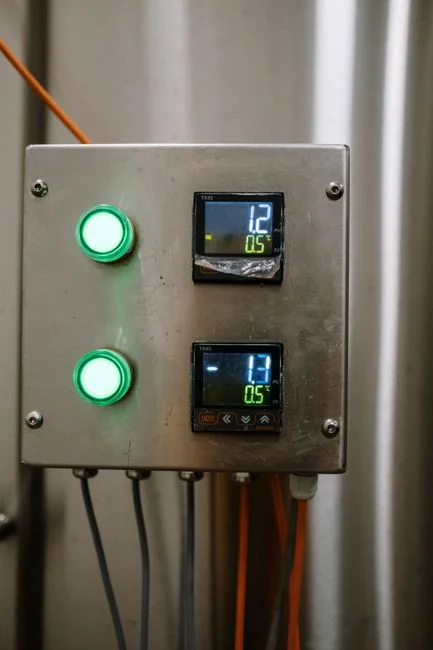
The practical distinction is process purpose: A/O provides a compact biological treatment package, while MBR adds membrane separation to the biological process. Catalogue capacity should guide the shortlist, but it cannot replace site-specific sizing.
| Evaluation item | Underground A/O package plant | MBR system |
|---|---|---|
| Documented capacity | 1–80 m³/h (HydropureWater product catalogue) | 10–2,000 m³/day (HydropureWater product catalogue) |
| Treatment process | Anoxic and aerobic biological contact oxidation, sedimentation and disinfection in one buried unit (HydropureWater product catalogue) | Activated sludge combined with submerged PVDF membrane filtration (HydropureWater product catalogue) |
| Installation arrangement | Can be installed below grade with landscaping above or mounted on a trailer for mobile deployment (HydropureWater product catalogue) | Site arrangement and dimensions must be established in the supplier’s design submission |
| Effluent description | Biological treatment with sedimentation and disinfection | Near-reuse-quality effluent; filtration below 1 μm (HydropureWater product catalogue) |
| Footprint claim | Buried installation may be relevant where surface space is limited; actual plan dimensions must be confirmed | HydropureWater states that its MBR has a 60% smaller footprint than conventional systems; this is a catalogue claim, not an Indore site comparison (HydropureWater product catalogue) |
| Operational consideration | Fully automated and stated to require no operator (HydropureWater product catalogue) | Membrane operation, fouling control, cleaning and associated maintenance requirements must be included in the proposal |
| Initial selection position | Starting candidate for conventional domestic sewage, a landscaped site and limited maintenance capacity | Investigate where reuse requirements justify membrane separation or the available treatment footprint is constrained |
For a landscaped resort with conventional domestic sewage and limited maintenance capacity, the underground A/O package is the simpler starting candidate. Its buried configuration protects the treatment unit within the site plan, while the catalogue states that the system is fully automated and requires no operator (HydropureWater product catalogue). “No operator” does not eliminate maintenance: the owner must still provide routine inspection, response arrangements and access.
MBR should be investigated when the reuse objective requires advanced membrane separation or when the supplier can demonstrate a site-specific footprint advantage. HydropureWater’s claim that its MBR has a 60% smaller footprint than conventional systems should be converted into a drawing-based comparison against the A/O option and the available plot; the catalogue statement alone is not an Indore comparison (HydropureWater product catalogue).
Neither capacity range establishes final sizing. Both systems must be checked against measured average flow, peak-hour flow, influent characteristics, available land and the receiving or reuse standard. The A/O, MBR and DAF options for hotel wastewater comparison is also useful for identifying pretreatment questions that a hotel team should not omit.
Check the influent, outlet and operating requirements
A wastewater profile is needed before either catalogue capacity can be converted into a selected unit. Obtain representative data for COD, BOD, suspended solids, oil and grease, pH and peak flows. Kitchen, laundry and pool discharges may require separate assessment rather than dilution into the main domestic stream.
Confirm the required outlet quality, disposal route, reuse application and applicable Indore requirements in writing. The supplied research does not include city-specific discharge limits, so no numerical limit should be assumed. The supplier or environmental lead should identify the applicable receiving-authority requirement or another stated reuse standard, then show how the proposed design demonstrates compliance.
Site constraints can eliminate an otherwise suitable process. Ask bidders to confirm:
- Power availability and the electrical load required by the selected package;
- Access for maintenance, deliveries and sludge removal;
- Noise, odour and ventilation implications for occupied areas;
- Site flood level and the installation depth required for a below-grade WSZ unit;
- Groundwater, soil and excavation assumptions;
- Containment, drainage and emergency provisions relevant to the installation.
For reuse supporting toilet flushing, laundry or landscaping, evaluate the intended application rather than relying on the words “near reuse quality.” The buyer should request the proposed effluent parameters, intended reuse points, any additional disinfection or polishing requirements, and the party responsible for monitoring and permit compliance. The wastewater plant operation and maintenance planning guidance is relevant when defining access, routine checks and responsibility for sludge handling.
Do not accept kitchen oil and grease, high-strength laundry discharge or pool chemistry as an incidental dilution problem. Each stream can affect biological loading, membrane fouling, screen loading, odour control and the adequacy of the proposed pretreatment.
Turn the selection into a supplier-ready design brief
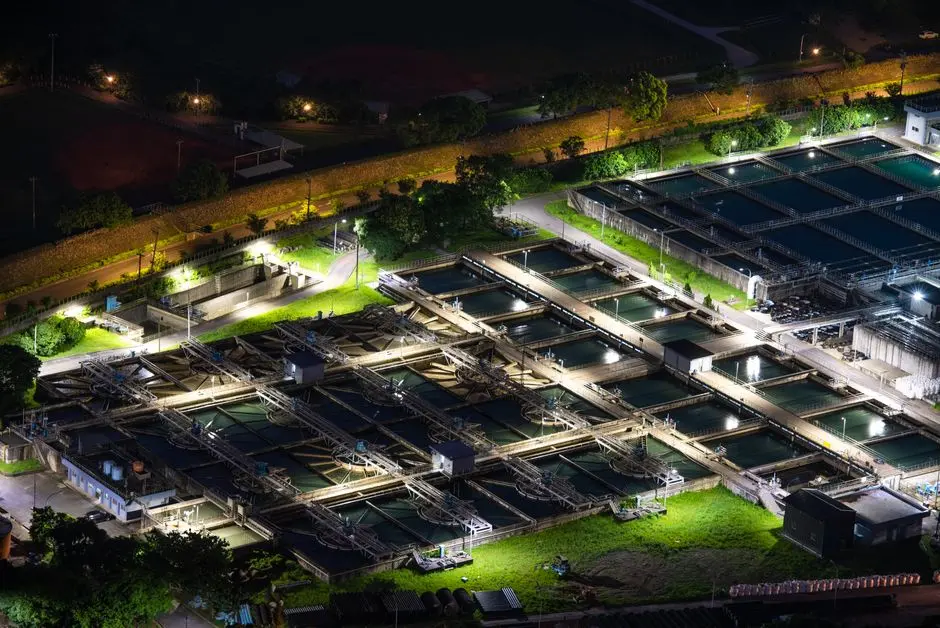
A usable quotation requires a common design brief. Without it, bidders may offer different flow bases, outlet assumptions and installation scopes, making their prices and performance claims incomparable.
The following checklist can be completed by the property’s engineering, environmental and procurement teams:
- Property data: hotel or resort type, room count, average occupancy, event and banquet use, operating schedule and seasonal variations.
- Wastewater data: average daily flow, peak-hour flow, separate kitchen, laundry, pool and utility flows, and available influent analysis.
- Site data: plot dimensions, access routes, power availability, flood level, groundwater information and intended installation depth.
- Outcome data: discharge destination, reuse applications, required quality, receiving authority or reuse standard, sampling points and permit responsibilities.
- Commercial data: itemised supply and installation scope, commissioning tasks, O&M scope, sludge-disposal method, warranty, consumables, spare parts and delivery assumptions.
Each bidder should state the selected technology, design flow range, unit dimensions, process stages, pretreatment, automation, civil works, installation requirements, commissioning tasks, O&M responsibilities and sludge-disposal method. The bidder should also identify every missing input rather than silently assuming a flow, standard or site condition.
For compliance, request a stated basis identifying the receiving authority or reuse standard, proposed sample points, testing scope and permit responsibilities. Ask how performance will be demonstrated and which party owns corrective action if the agreed tests are not met.
Compare quotations against this same brief. The supplied IndiaMART material includes an unverified ₹125,000 hotel listing and an unavailable 250 kLD hotel/resort listing, rather than complete, like-for-like project costs (IndiaMART, 2026). Neither figure establishes the installed cost of an A/O or MBR system for an Indore property. Request itemised quotations that include civil works, installation, commissioning, controls, pretreatment, sludge handling, testing, O&M and applicable taxes so that the buyer can compare actual scope rather than marketplace headlines.
Frequently Asked Questions
What wastewater treatment system does a hotel or resort in Indore need in 2026?
The system should be selected from verified average and peak wastewater flows, influent characteristics, available land and the required outlet or reuse standard. An underground A/O package is a candidate for conventional domestic sewage treatment; an MBR should be investigated where membrane separation or a more demanding reuse objective applies. Final compliance and sizing require site data and confirmation of the applicable Indore requirements.
How do we choose between an A/O package plant and an MBR?
Use A/O as the starting candidate where the requirement is a compact, buried biological treatment route and the property has conventional domestic sewage. Investigate MBR where the reuse application requires advanced membrane separation or the supplier can demonstrate a site-specific footprint advantage. Require both options to be priced against the same measured flow, outlet target, civil scope, commissioning scope and O&M responsibilities.
What cost information should we request before comparing quotations?
Request an itemised quotation based on the completed design brief, including treatment capacity, unit dimensions, civil works, installation, controls, pretreatment, commissioning, performance testing, sludge disposal, O&