UASB Suitability for MSG Wastewater
A UASB reactor can be technically feasible for monosodium glutamate wastewater, but the supplied studies do not justify a universal design. One granular-sludge-seeded reactor increased its space loading rate from 1.87 to 18.9 kgCOD/m³·day over one month while treating influent COD of 4,500–5,000 mg/L and achieving about 80% removal (Water Science & Technology, 1992). Another study reported 57.00–79.63% removal at influent COD of 11,878–16,922 mg/L and organic volumetric loading rate of 3.02–8.83 kg COD/m³·d (IEEE, 2010). Site design must therefore use plant wastewater data, then require pilot confirmation.
The decision hinges on more than COD. The 1992 Water Science & Technology study tested a simple reactor seeded with granular sludge and reported satisfactory gas production and process stability at the tested conditions. The 2010 IEEE study treated MSG wastewater described as high-strength and refractory, examining organic volumetric loading rate, pH, volatile fatty acids and alkalinity as operating variables (IEEE, 2010).
Characterize the actual effluent before selecting the reactor. Required inputs include COD, sulfate, ammonia nitrogen, chloride, pH, alkalinity, volatile fatty acids and temperature. The 2010 IEEE paper identifies high COD, chloride, ammonia nitrogen and sulfate as characteristic concerns in MSG wastewater. For comparison with another high-strength biological treatment approach, see MABR suitability for amino acid fermentation wastewater.
| Evidence | Influent COD | Reported performance | Engineering interpretation |
|---|---|---|---|
| Water Science & Technology, 1992 | 4,500–5,000 mg/L | Around 80% COD removal; space loading increased from 1.87 to 18.9 kgCOD/m³·day during a one-month startup | Supports UASB feasibility under the tested conditions and demonstrates a staged startup |
| IEEE, 2010 | 11,878–16,922 mg/L | 57.00–79.63% COD removal at 3.02–8.83 kg COD/m³·d | Supports treatment at a higher tested COD range, but performance varied with operating conditions |
| Plant-specific requirement | Not established by the supplied studies | No universal value justified | Set the design and acceptance basis from measured flow, COD, pH, alkalinity, VFA, temperature and pilot results |
Reported UASB Operating Performance
The two studies support a bounded feasibility conclusion rather than a guaranteed loading rate. The reported organic volumetric loading rate was 3.02–8.83 kg COD/m³·d in the 2010 IEEE laboratory study, while the 1992 Water Science & Technology reactor increased its space loading rate from 1.87 to 18.9 kgCOD/m³·day during startup (IEEE, 2010; Water Science & Technology, 1992).
The 2010 IEEE study found that gas production rate and COD volumetric loading were positively related. It also examined reactor efficiency and biogas recovery against operating variables including organic volumetric loading rate, pH, volatile fatty acids and alkalinity (IEEE, 2010). These relationships matter because a UASB proposal should explain how the controls maintain the biochemical process inside the reactor volume.
The 1992 study used granular sludge and compared it with aerobic flocculent sludge. Its reactor reached approximately 80% COD removal while its space loading rate rose from 1.87 to 18.9 kgCOD/m³·day over one month, with satisfactory gas production and process stability reported at the tested conditions (Water Science & Technology, 1992). That progression documents a startup method; it does not establish that a new reactor can safely receive 18.9 kgCOD/m³·day on day one.
| Study | Reactor and feedstock basis | Reported operating result | What can be transferred to design? |
|---|---|---|---|
| Water Science & Technology, 1992 | Simple UASB reactor seeded with granular sludge; MSG wastewater | Space loading rate increased from 1.87 to 18.9 kgCOD/m³·day in one month; about 80% removal at 4,500–5,000 mg/L influent COD | Use as a documented loading ramp and evidence of biological feasibility; validate transferability at site conditions |
| IEEE, 2010 | Continuous-flow laboratory UASB treating MSG wastewater | Organic volumetric loading rate of 3.02–8.83 kg COD/m³·d; 57.00–79.63% removal at 11,878–16,922 mg/L influent COD | Use to frame loading and performance testing; evaluate pH, VFA, alkalinity and gas recovery as linked controls |
| Engineering use | Plant wastewater and proposed reactor configuration | No transferable guaranteed value | Reactor configuration, feedstock, seeding, temperature and operating controls must be reconciled before sizing |
Build the UASB Design Basis
A defensible UASB design basis starts with a time-based influent profile, not a single laboratory COD value. Obtain average and peak COD, flow, temperature, sulfate, ammonia nitrogen, chloride, pH, alkalinity and volatile fatty acids. The 2010 IEEE study identifies COD, chloride, ammonia nitrogen and sulfate as important characteristics of MSG wastewater (IEEE, 2010). These inputs must be reconciled with the plant’s production cycle, dilution, washwater contributions and discharge requirements before a supplier calculates hydraulic or organic loading.
Use the 1992 startup progression as a planning precedent, not as an immediate design load. Water Science & Technology reported an increase from 1.87 to 18.9 kgCOD/m³·day over one month, but the supplied evidence does not establish the intermediate loading steps, acceptance durations or failure criteria. A pilot protocol should therefore prescribe the initial condition, permitted increase, response time and hold criteria.
Buffering must be designed from measured alkalinity and the expected VFA production. The 2010 IEEE study operated without pH adjustment where the wastewater had high acid–base buffering capacity and pH was below 3.5. That result applies only where the site has comparable buffering; it is not permission to omit pH control. Where dosing is required, define the reagent, duty, control signal, interlocks and verification method in the automatic chemical dosing system specification.
| Worksheet input | Evidence or method | Decision output |
|---|---|---|
| Average, peak and diurnal COD; flow | Time-based plant sampling | Organic and hydraulic loading envelope |
| pH, alkalinity and VFA | Plant characterization and pilot monitoring | Buffering reserve, pH-control need and loading hold criteria |
| Temperature, sulfate, ammonia nitrogen and chloride | Plant characterization | Process-condition limits and pretreatment review |
| Granular-sludge inventory and loading history | Supplier startup method | Commissioning ramp and biomass-management plan |
| Reactor volume, hydraulic retention, gas handling, controls and upgradability | Supplier proposal | Comparable technical and commercial basis |
No supplied source establishes universal reactor dimensions, full-scale costs or a guaranteed site loading rate. Those items require a measured design basis and a site-specific proposal.
Pretreatment and Startup Controls
Equalization and solids or grease removal should be evaluated before the UASB because the supplied studies do not establish that every MSG feed characteristic can be handled without upstream control. Equalization addresses batch variation; solids removal limits biomass loss and sludge-bed fouling; grease control protects anaerobic biomass. Assess DAF pretreatment against the measured waste composition rather than assuming it is required.
Monitor pH, VFA and alkalinity during startup and steady operation. The 2010 IEEE study identified these variables alongside organic volumetric loading rate in its assessment of treatment efficiency and biogas recovery. Gas production should be measured as an operating signal rather than treated only as a recovered-energy benefit. A declining or inconsistent gas rate may identify an adverse process response, but the supplied research does not provide a universal alarm threshold.
The 2010 IEEE study treated acidic wastewater below pH 3.5 without adjustment where acid–base buffering capacity was high (IEEE, 2010). Verify the site’s alkalinity reserve against actual COD loading and expected acidification. If the reserve is inadequate, specify controlled dosing through the automatic chemical dosing system, with feed-forward or feedback logic linked to the operating condition being controlled.
- Equalize the wastewater and remove material that could impair sludge retention.
- Confirm pH, alkalinity and VFA across the production cycle.
- Seed with granular sludge and establish the initial loading condition.
- Raise loading in controlled steps while recording COD removal, pH, VFA, alkalinity and gas production.
- Hold or reduce loading when the agreed stability indicators deteriorate.
Pilot Acceptance and Procurement Criteria
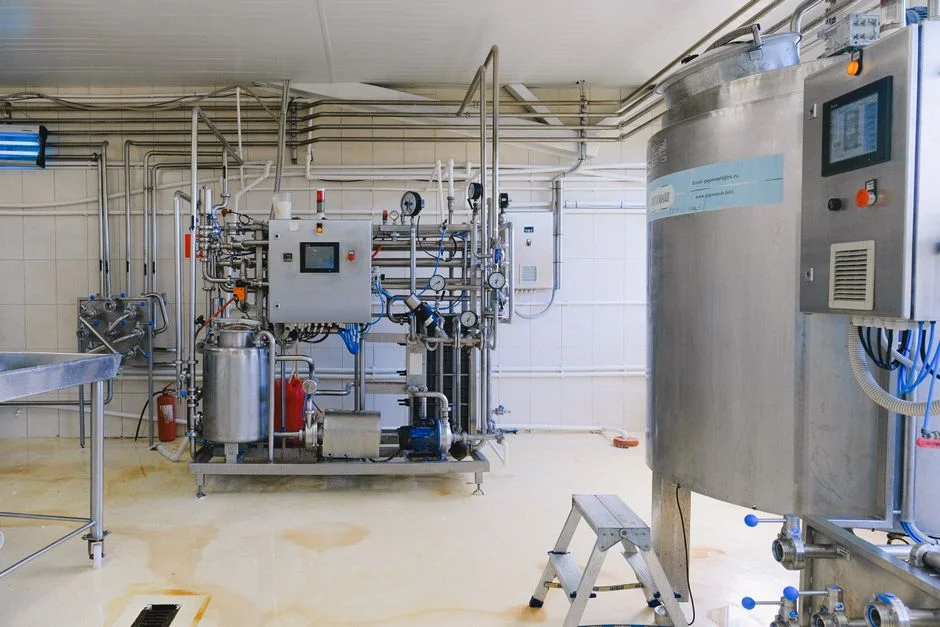
The pilot must test the operating window proposed for the plant, not merely reproduce the easier conditions of either study. Define the influent COD range, flow basis, target organic volumetric loading rate, target COD removal, pH limits, alkalinity basis, VFA control, gas measurement and loading-hold rules before startup. Reported benchmarks include around 80% removal in the 1992 Water Science & Technology study and 57.00–79.63% removal in the 2010 IEEE study; neither is a site guarantee.
Make stable pH, VFA, alkalinity, gas production and loading progression mandatory acceptance items because these were the variables examined or reported by the two studies (Water Science & Technology, 1992; IEEE, 2010). The plant should receive a written acceptance protocol, raw pilot data, operating log and deviation record rather than a certificate based only on a guaranteed removal percentage.
| Procurement item | Required supplier response | Acceptance check |
|---|---|---|
| Design basis | Applicable influent COD and flow range; reactor volume; loading-rate and hydraulic basis | Reconcile against measured plant profile and pilot results |
| Startup | Granular-sludge basis, initial load, ramp sequence and hold criteria | Compare with pilot startup log |
| Controls | pH, alkalinity, VFA, flow, loading and gas monitoring; dosing and interlocks | Witness functional tests and alarm response |
| Scope | Gas handling, sludge inventory, construction materials, upgradability, warranty and delivery schedule | Compare technical and commercial exclusions |
| Performance | Proposed test method and guaranteed performance | Approve only with site-specific pilot evidence and defined operating conditions |
Do not award the package on a removal percentage alone. Require the supplier to explain how its proposed reactor responds to the measured wastewater, the pilot data and the control strategy. An industrial effluent treatment plant selection method provides a broader framework for comparing offers.
Frequently Asked Questions
How should the UASB reactor be sized for MSG wastewater?
Size it from average and peak COD, flow, the proposed organic volumetric loading rate, hydraulic requirements and confirmed pilot performance. The 1992 Water Science & Technology study increased from 1.87 to 18.9 kgCOD/m³·day over one month, while the 2010 IEEE study examined 3.02–8.83 kg COD/m³·d. Do not apply 18.9 kgCOD/m³·day automatically; require the supplier to state its load and hydraulic calculation and reconcile it with pilot results.
Which supplier commitments should be checked before purchase?
Check the proposed influent range, startup method, pH and VFA controls, alkalinity strategy, gas handling, sludge inventory, upgradability, acceptance test, warranty and delivery schedule. Require supporting pilot data and ask how each commitment changes if measured site wastewater differs from the proposal basis.
Can pH adjustment be omitted because a study operated below pH 3.5?
No general exemption follows from that result. The 2010 IEEE