
Start with the discharge or reuse requirement
MBR is usually the stronger option for a Cadillac fabricated-metals plant when the reuse or discharge specification requires strong solids separation, the footprint is constrained, and oil, suspended solids, pH and batch shocks are controlled before the membranes. Conventional activated sludge remains practical when wastewater flow and composition are consistent, land is available, and the facility can reliably operate settling, sludge return, wasting and dewatering. Neither process automatically removes dissolved metals, salts, VOCs, emulsified oil or coating chemicals. The final choice should follow stream-specific sampling, a common effluent target and equal vendor design assumptions—not a generic comparison.
The governing document determines what “treatment” must deliver. For direct discharge, obtain the applicable permit and receiving-water criteria. For sewer discharge, request the local pretreatment, prohibited-discharge and monitoring requirements. For process or internal reuse, identify the receiving equipment’s limits for suspended solids, oil, metals, pH, temperature and any other chemistry that could foul equipment or contaminate product.
Identify whether solids removal alone is sufficient or whether the specification requires polishing or disinfection. An MBR’s membrane solids separation should be evaluated against the actual reuse or discharge requirement, not described simply as “reuse quality.” The supplied research contains no verified Cadillac-specific permit limit or fabricated-metals composition range, so neither can be assumed. Confirm the governing requirements directly with the receiving authority and retain the applicable documents in the bid package.
Separate each wastewater stream before sizing biology
Cutting and grinding fluids, machining coolant, wash water, coating rinse water, floor washdown and cooling-water blowdown differ substantially in flow, chemistry, toxicity and required pretreatment. Assigning them one generic biological loading calculation risks treating an inhibitor as biodegradable material or designing one reactor around an occasional batch discharge. Segregate collection first, then characterize each candidate stream.
| Stream to characterize | Required measurements | Decision before biology |
|---|---|---|
| Cutting and grinding fluids; machining coolant | Flow, pH, oil and grease, TSS, surfactants, toxicity indicators, temperature and batch releases | Determine whether physical or chemical pretreatment must remove emulsified oil, suspended solids or inhibitors |
| Wash water and floor washdown | Flow, pH, oil and grease, TSS, metals, toxicity indicators and release timing | Define grit or solids removal, equalization and the treatment of episodic washes |
| Coating rinse water | Flow, pH, TSS, color, metals and coating chemistry | Identify required pH control, solids separation or chemical removal before biological loading |
| Cooling-water blowdown | Flow, pH, TSS, metals, temperature, chemicals and release pattern | Determine whether segregation or heat and chemistry adjustment is required |
Request flow, pH, oil and grease, TSS, metals, toxicity indicators, surfactants, temperature and batch-release patterns for every stream considered for treatment. The sample program should represent normal production, concentrated batches and discharge events; the sampling method and laboratory basis should be agreed before vendors size equipment.
Use equalization and measured, stream-specific physical or chemical pretreatment before biological loading. Where characterization identifies oil, grease, floating material and suspended solids, DAF pretreatment for metalworking wastewater is one candidate to evaluate against the measured load and removal objective. It is not automatically required. Membrane separation retains suspended material; it does not establish removal of dissolved metals, VOCs, salts, emulsified oil, coating chemicals or soluble machining-fluid constituents.
Compare MBR and CAS on the same design basis
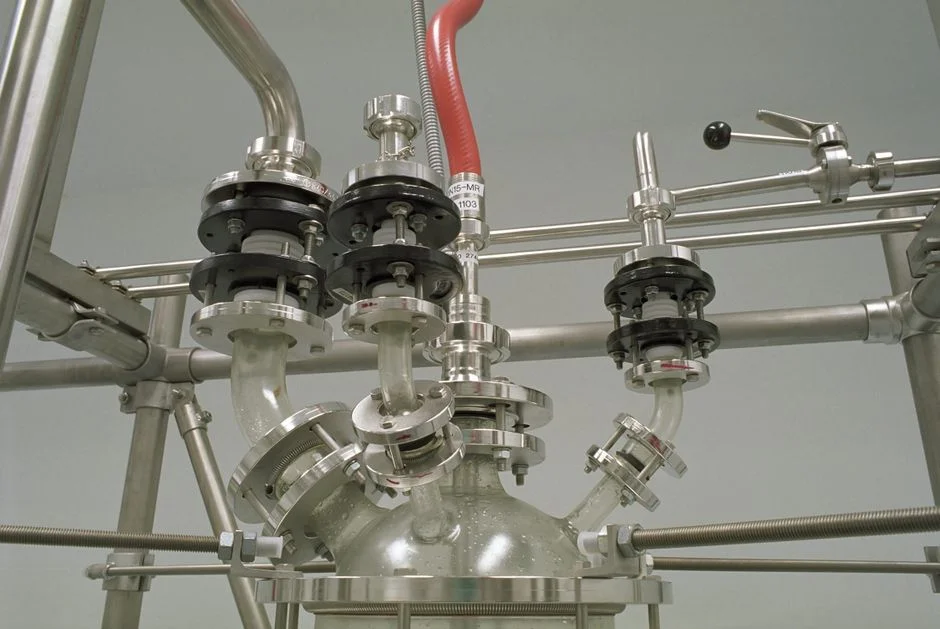
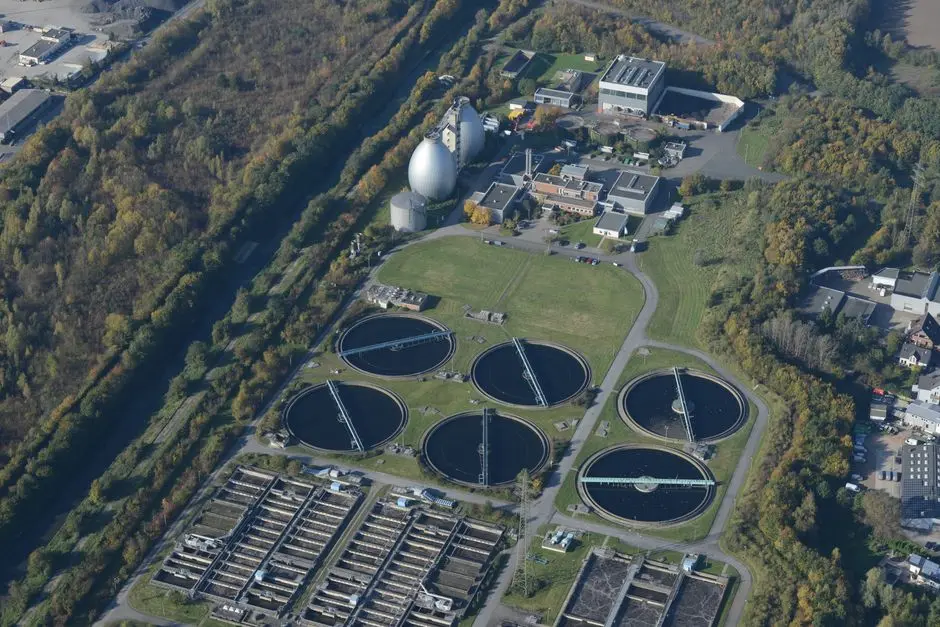
CAS retains biomass in an aerated reactor and separates solids in a clarifier, with sludge return and wasting controlling the solids inventory. MBR retains biomass and uses submerged membranes for physical solids separation. This fundamental difference makes MBR attractive where compact clarification or clarified reuse water has value, but it also introduces membrane fouling, cleaning and integrity-management duties.
| Design element | MBR | Conventional activated sludge | Evidence or required action |
|---|---|---|---|
| Solids separation | Submerged membrane | Secondary clarification and settling | Bid both against the same effluent TSS and polishing requirements |
| Biological features | Higher SRT, low cell yield and high effluent quality | Conventional aeration, clarification, sludge return and wasting | Peer-reviewed plant-wide comparison, 2019 |
| Footprint | Smaller solids-separation units | Requires biological volume and secondary clarification | Require dimensioned plans and a common site boundary |
| Modeled direct GHG emissions | 0.91 kgCO2eq/m³ | 0.85 kgCO2eq/m³ | Modeled benchmark in the 2019 plant-wide comparison; not a Cadillac forecast |
| Principal operating burden | Fouling control, chemical or physical cleaning and membrane aeration | Clarifier performance, sludge return and wasting | Price and guarantee the complete operating burden |
| Vendor catalog claim | Less-than-1-micrometre filtration; 60% smaller footprint; screening range of 10–2,000 m³/day | No equivalent claim supplied | HydropureWater catalog claim, not independent or Cadillac field performance |
The 2019 peer-reviewed plant-wide comparison identifies higher SRT, low cell yield, high effluent quality and footprint reduction as MBR features, while also identifying membrane fouling and the added energy required for mitigation as disadvantages. Its modeled benchmark reports direct GHG emissions of 0.85 kgCO2eq/m³ for CAS and 0.91 kgCO2eq/m³ for MBR. Those values belong to the modeled scenario; they are not site-specific energy or emissions estimates for Cadillac.
The HydropureWater catalog reports less-than-1-micrometre filtration, a 60% smaller footprint than conventional systems and a 10–2,000 m³/day screening range for its integrated MBR membrane bioreactor. These are vendor claims, not universal performance guarantees. Require the proposed membrane area, design flux, biological loading, solids inventory and a dimensioned layout. Also see the MBR wastewater cost and selection guide for the broader selection context.
Match the process to site constraints and operating capability
Select MBR when high clarification or reuse quality has measurable value, available footprint is constrained, and upstream controls can protect the membranes. Retain CAS when flow and composition are consistent, pretreatment needs are modest, land is available, and staff can reliably operate sludge return, settling, wasting and solids handling. Neither conclusion can be supported from equipment capacity alone.
The commercial comparison summarized in the 2026 HydropureWater article reports flocculant solids of 8–18 g/L in most cited MBR plants, depending on SRT, compared with 2.5–3.5 g/L for conventional activated sludge. It also identifies MBR sludge as less readily dewaterable. These review-level findings make waste activated sludge a selection issue rather than an accessory, especially where the plant has no established sludge-conditioning or disposal route.
For an MBR proposal, require membrane type, area, design flux, SRT, solids inventory, aeration basis, redundancy, cleaning method, integrity management and expected cleaning frequency. Ask the vendor to state which fouling controls protect the membrane from oil, excessive solids, surfactants and batch shocks. Where reuse water feeds sensitive equipment, tie the guarantee to that equipment’s actual quality requirements.
For CAS, require biological volume and loading calculations, clarifier sizing and performance criteria, sludge-return and wasting controls, and the solids-handling route. Also evaluate whether the proposed arrangement can recover from clarifier or sludge-system outages without losing the governing effluent or reuse requirement.
HydropureWater’s DAF catalog lists 4–300 m³/h across 13 standard models. This is a screening range, not a Cadillac size recommendation. Apply it only after stream flows, contaminant loads, required removals and equalization requirements are known.
Build a common bid and acceptance checklist
A comparison becomes procurement-ready only when both bidders use the same measured flow, effluent target, footprint boundary, pretreatment scope, sludge route, labor basis and energy assumptions. A bid that changes the design boundary to favor one process is not comparable. Issue one data room and one response form to MBR and CAS bidders.
| Bid item | MBR information required | CAS information required | Acceptance check |
|---|---|---|---|
| Common design basis | Measured stream flows; governing effluent or reuse specification; footprint boundary; pretreatment scope; sludge route; labor basis; energy assumptions | Both bids state the same inputs, exclusions and operating profile | |
| Biological design | SRT, solids inventory, membrane area, type and design flux | SRT, solids inventory, reactor volume, clarifier and sludge-return design | Calculations reconcile with measured loading and flow variability |
| Aeration and fouling | Biological oxygen demand, membrane-scouring air, cleaning method and frequency, integrity monitoring and redundancy | Biological oxygen demand, diffuser basis, blower redundancy and clarifier-performance controls | Site-specific calculation and written operating envelope |
| Sludge handling | Expected volume, consistency, conditioning, dewatering method and disposal route | Waste activated sludge route is included in price, schedule and guarantees | |
| Performance and acceptance | Effluent guarantees, test methods, sampling locations, start-up criteria, remedies and exclusions | Responsibility for biological, pretreatment, solids and polishing performance is unambiguous | |
The review summarized in the commercial comparison states that 30–50% of immersed-MBR energy demand can arise from membrane aeration. Treat this as a prompt for a site-specific aeration and blower calculation, not a Cadillac consumption estimate. Include biological oxygen demand, membrane scouring, diffuser fouling allowance, operating profile and redundancy.
Request sludge volume, consistency, conditioning assumptions, dewatering method and disposal route from both bidders. HydropureWater’s plate-and-frame filter press catalog range of 1–500 m² is a reference only; equipment selection must follow site-specific sludge testing and the selected conditioning method.
No validated fabricated-metals capital or operating-cost figures were supplied. Require itemized quotations for equipment, installation, equalization, pretreatment, biological treatment, solids separation, polishing, controls, utilities, labor, maintenance, sludge disposal and contingency. The fabricated-metals wastewater pretreatment guide can structure the pretreatment review, but it does not provide Cadillac values. Confirm all permit and sewer assumptions with the receiving authority.
Frequently Asked Questions
What is the difference between MBR and conventional activated sludge for fabricated-metals wastewater?
MBR separates biological solids with submerged membranes; CAS separates them by settling in a clarifier. MBR may suit stringent clarification, reuse and constrained sites, while CAS may suit steadier wastewater, available land and established solids-handling operations. Neither process removes every dissolved metal, salt, VOC, emulsified oil or coating constituent, so the upstream treatment boundary remains process-specific.
How should a buyer compare MBR and CAS pricing?
Request itemized bids using the same measured wastewater data, flow, effluent target, pretreatment scope, controls, energy basis, labor assumptions and sludge-disposal route. Compare complete treatment-train and lifecycle operating costs, not reactor price alone. Because the supplied research contains no validated fabricated-metals cost figures for Cadillac, no defensible price range can be stated without quotations.
Which sizing inputs are needed before selecting equipment?
Provide stream-specific flow, pH, oil and grease, TSS, metals, toxicity indicators, surfactants, temperature and batch-release patterns, together with the governing effluent or reuse specification. Both bids should then document biological loading, SRT, solids inventory, membrane and aeration data for MBR, and clarifier, sludge-return and wasting design for CAS.
How should supplier selection and compliance risk be managed?
Use the same design package for every bidder and require written guarantees, analytical methods, start-up criteria, redundancy, exclusions and remedies. Check that each supplier has defined responsibility for pretreatment, biological performance, solids separation, polishing and sludge handling. A regional MBR versus activated-sludge comparison can support the decision structure, but Cadillac permit and sewer requirements must be verified locally.