Establish the legal route before choosing equipment
Wastewater from a newly commissioned Intel semiconductor fab in Hungary should be treated as a regulated industrial discharge, not ordinary sanitary sewage. The likely route is segregated treatment of fluoride, TMAH, copper, nickel, zinc and nitrate-bearing streams, followed by DAF, biological treatment with MBR, and RO polishing where water reuse is required. The operator must notify the county government office and National Water Authority within 30 days of taking control, submit the integrated environmental permit application within 90 days of legal transfer, and use the CWW BREF (2016), 2019/903 BAT Conclusions and binding Hungarian discharge limits to design the plant.
That answer applies to a legal transfer of an existing operation, not automatically to a genuinely new-build commissioning. Under Hungarian permit-transfer doctrine, the buyer inherits the seller’s permit status as recorded at the moment of share or asset transfer, including pending annulment, modification or public-interest challenges. Because operational control changes, a fresh integrated environmental permit application is required even if the installation and activity remain the same (hydropurewater, 2026). The diligence lead should therefore establish the site’s legal status before freezing the compliance schedule.
- Days 0–30: Notify the county government office and the National Water Authority (Országos Vízügyi Főigazgatóság), and appoint a Hungarian IPPC consultant. The 90-day transfer requirement for the fresh integrated permit application runs in parallel with this notification process (hydropurewater, 2026).
- Days 30–90: Submit the integrated environmental permit application, refresh the Water Act right registration and address novation of municipal discharge consent where a sewer connection is used. The research also requires a parallel property and pipeline-easement workstream.
- Before engineering release: Confirm with Hungarian counsel and the permitting authority whether the project is an acquisition of a permitted installation or a new operator commissioning a new installation. Do not carry the transfer timetable into a new-build scenario without that determination.
The distinction is not procedural housekeeping. The 10 October 2025 Göd ruling annulled permits because of substantive defects in public consultation and BAT assessment, not because of the operating record; the research states that this defect can survive an ownership change (hydropurewater, 2025-10). Substantive permit challenges are time-limited to two years from notification under Act CL of 2016, so the permit’s age and any pending challenge belong in the acquisition model. The broader legal and treatment framework is summarized in the review of Hungary semiconductor fab wastewater treatment routes.
Map the discharge envelope and receiving-water route
Four regulatory layers control a Hungarian fab discharge: the EU Industrial Emissions Directive 2010/75/EU as transposed by Government Decree 314/2005; surface-water limits under Decree 28/2004; sewer and receiving-water limits under Decree 27/2008 Annex 2 with Decree 220/2004; and chemical-input controls including REACH and RoHS. Directive 91/271/EEC applies where the effluent enters a municipal collector (hydropurewater, 2026).
The route decision is conditional. A sewer route requires acceptance by the municipal utility and compliance with its inlet conditions, including the 27/2008 Annex 2 and 220/2004 framework. A surface-water route requires a direct discharge consent, the applicable surface-water limits and a receiving-water assessment. Industrial reuse requires the permit to address the reclaimed-water end use; it does not remove the obligation to control the residual discharge. The Water Framework Directive 2000/60/EC may tighten the result where ecological status is sensitive, including the Balaton and Tisza regimes identified in the research.
| Route | Controlling evidence | Decision condition | Diligence package |
|---|---|---|---|
| Municipal sewer | Decree 27/2008 Annex 2 with Decree 220/2004; Directive 91/271/EEC where applicable | The utility must accept the industrial stream and its pollutant load. | Current sewer consent, utility acceptance, inlet limits, flow and pollutant profile, sampling plan and novation requirements. |
| Surface water | Decree 28/2004; applicable IPPC conditions; Water Framework Directive 2000/60/EC | Discharge point and receiving-water status must support the proposed limits. | Surface-water consent, receiving-water classification, ecological-status assessment, discharge-point details and monitoring baseline. |
| Industrial reuse | IPPC permit and BAT-AEL conditions; site-specific reuse controls | The receiving process and residual-discharge route must both be permitted. | Water balance, reuse quality specification, process compatibility, residual-discharge consent, monitoring and change-control plan. |
Use the CWW BREF (2016) to develop the treatment train and the 2019/903 Electrochemical Industry BAT Conclusions for process-specific BAT-AELs. Government Decree 27/2008 Annex 2 and Decree 220/2004 remain the binding numeric floor, while the integrated permit controls site-specific conditions (hydropurewater, 2026). Before selecting a route, request the receiving-water classification, current permit, sewer or surface-water consent, and documented utility correspondence. Those inputs determine whether the proposed treatment train is technically and legally complete.
Route each fab stream through the treatment train
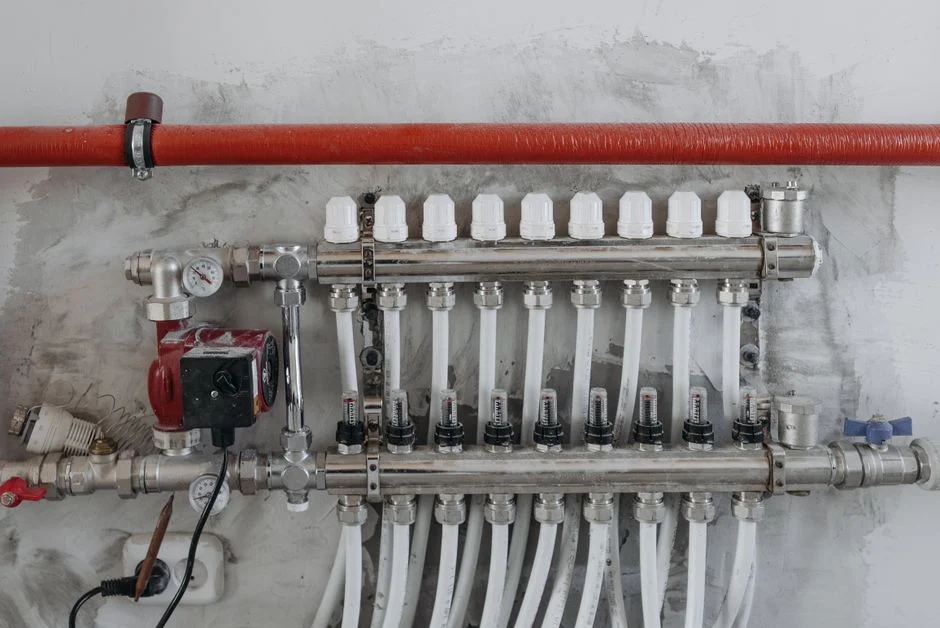
Fluoride, TMAH and metals must be assigned to treatment stages according to their chemistry rather than blended into one generic industrial flow. Concentrated HF waste can reach 1,000 mg/L HF-equivalent against an IPPC ceiling of no more than 8 mg/L, while TMAH requires biological treatment with acclimatised biomass because its conversion to trimethylamine introduces a separate aquatic-toxicity issue (hydropurewater, 2026).
| Fab stream | Principal treatment duty | Design evidence | Permit and procurement question |
|---|---|---|---|
| HF etching and CVD chamber-cleaning waste | Segregated collection, equalization, pH control, fluoride removal by physico-chemical treatment, then polishing. | Concentrated waste can reach 1,000 mg/L HF-equivalent against an IPPC ceiling of ≤8 mg/L; this is a 100-fold reduction requirement (hydropurewater, 2026). | Ask the supplier to state the guaranteed outlet fluoride limit, chemical mass balance, sludge fate and response to variable fluoride loading. |
| TMAH developer waste | Dedicated biological stage with acclimatised biomass, supported by pretreatment and equalization as required by the influent characterization. | TMAH is biodegradable to trimethylamine; chemical precipitation is not the dedicated biological solution (hydropurewater, 2026). | Require evidence from comparable TMAH feeds, biomass acclimatization time, nitrification performance and trimethylamine monitoring. |
| CMP slurry and plating-rinse waste | Solids removal, copper recovery or precipitation, filtration and controlled integration into the biological stage. | Copper is typically ≤0.5–1 mg/L without pretreatment, but the binding value is site-specific and materially tighter under the 27/2008 Annex 2 and 220/2004 route (hydropurewater, 2026). | Require a copper mass balance, solids characterization, dosing-control limits and sludge classification. |
| Nickel- and zinc-bearing waste | Precipitation or separation where required, followed by filtration and polishing. | The cited permit values are Ni ≤0.2 mg/L and Zn ≤0.5 mg/L (hydropurewater Hungary compliance library, 2026). | Ask for guaranteed Ni and Zn performance against the actual permit, with worst-case reagent consumption and residual sludge data. |
| Nitrate-bearing and other utility water | Equalization, biological nutrient management and final polishing where required by the selected route. | The research identifies a 50 mg/L drinking-water ceiling for nitrates and notes Water Framework Directive priority-substance status; the final receiving-water constraint is site-specific (hydropurewater, 2026). | Request the receiving-water assessment and treatment guarantee; do not treat the drinking-water ceiling as the discharge permit. |
| Metal-loaded treatment sludge | Thickening, plate-and-frame filter pressing and manifested disposal or an approved recovery route. | The reference train uses filter pressing to above 22% dry solids and recycles filter pressate to the plant head (hydropurewater, 2026). | Obtain the waste classification, acceptance criteria, transport records, leachate assessment and pressate recycle validation. |
The reference train uses rotary bar screening at 2–6 mm aperture, 8–24 hours of equalization, DAF at 4–300 m³/h, a 0.1 μm PVDF flat-sheet MBR delivering 32–135 m³/day per unit, and RO polishing with recovery up to 95% (hydropurewater, 2026). An industrial DAF system for semiconductor wastewater pretreatment addresses suspended solids, FOG and colloidal fluoride, while a PVDF MBR membrane bioreactor provides secondary treatment and solids separation. More detail on a developer-wastewater zero-liquid-discharge design appears in the semiconductor developer wastewater ZLD design.
Design 15–20% below the BAT-AEL band rather than at its upper edge, subject to site-specific permit values, influent testing and the final equipment proposal (hydropurewater, 2026). That margin is not a substitute for characterization: sizing must use measured flow, pollutant peaks, tool-ramp assumptions and the chosen discharge route.
Turn the compliance route into an implementation schedule
The operator must integrate statutory filings, detailed design and long-lead procurement because the 180-day authority decision period starts only from a complete application. The reference sequence places the substantive decision between Days 60 and 165, allowing design and procurement to proceed in parallel (hydropurewater, 2026).
| Timing | Permit or legal action | Engineering and procurement action | Acceptance evidence |
|---|---|---|---|
| Days 0–30 | Notify the county government office and National Water Authority; appoint the Hungarian IPPC consultant. | Freeze the stream inventory; begin 36-month data review and hydraulic/pollution-load checks. | Filing acknowledgements, authority correspondence, complete stream map and red-flag register. |
| Days 30–60 | Submit the integrated environmental permit application; address Water Act right registration and municipal discharge-consent novation. | Issue basis-of-design, treatment performance guarantees and preliminary equipment schedules. | Application receipt, authority completeness comments and accepted novation path. |
| Days 60–165 | Respond to authority questions and maintain the application through the substantive decision period. | Place long-lead orders, construct or modify civil works, and commission equipment through a permit-linked hold-point plan. | Authority decision, design review records, procurement release and commissioning protocol. |
| Implementation and operation | Implement self-monitoring and accident-reporting conditions; address permit modifications if the treatment or discharge route changes. | Validate each stream, prove compliance, reconcile the water balance and train operators. | Acceptance-test results, chain-of-custody records, training records and permit-compliance matrix. |
Maintain a separate pipeline-easement workstream because an IPPC permit does not grant right-of-way across public drainage assets (hydropurewater, 2026). Any non-compliance or unplanned discharge must be notified to the inspectorate within 24 hours to preserve access to the transitional framework. The handover package should therefore include permit conditions, accepted performance tests, monitoring equipment calibration, chemical and sludge supply arrangements, spare-parts strategy, operating procedures and emergency-response contacts.
Price capacity, performance and contractual exposure
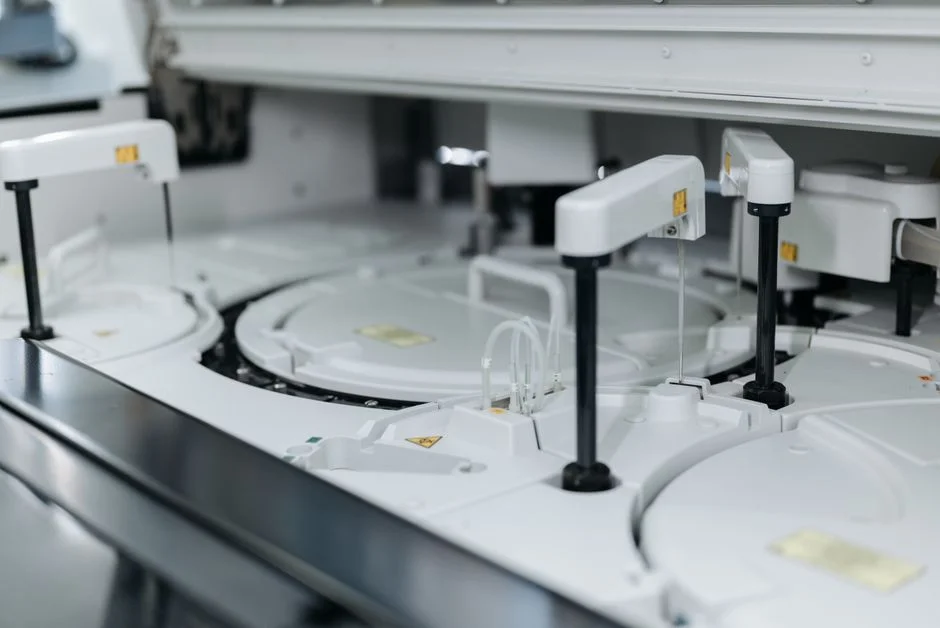
The 2026 screening estimate for a 500 m³/day Hungarian retrofit ETP is EUR 2.8–4.5 million; electricity and membrane replacement represent approximately 18–25% of capex per year, while a packaged-skid approach reduces OPEX by 10–15% (hydropurewater field data, 2026). These are screening values, not a site quotation, and they exclude unresolved permit, easement and contamination exposure.
| Cost or risk item | Screening basis | Acceptance test | Contract treatment |
|---|---|---|---|
| ETP capacity and capital cost | EUR 2.8–4.5 million for a 500 m³/day Hungary retrofit in 2026 (hydropurewater field data, 2026). | Reconcile equipment, civil works, installation, commissioning, utilities, chemicals and sludge disposal against the planned fab ramp. | State exclusions, contingency, payment milestones and the price basis for design changes. |
| Operating cost | Electricity and membrane replacement at approximately 18–25% of capex per year; packaged skid associated with 10–15% lower OPEX (hydropurewater field data, 2026). | Obtain load-specific energy calculations, membrane-replacement assumptions and a 10-year lifecycle model. | Define performance guarantees, energy exclusions and membrane-price adjustment mechanisms. |
| Under-sized DAF | A DAF shortfall greater than 20% against planned throughput is a hard price-down item (hydropurewater, 2026). | Test against peak flow, bypass risk and the hydraulic/pollution-load check. | Withhold acceptance or allocate a specific rectification price before completion. |
| Permit and challenge exposure | Pending challenges, expiring permits and missing easements remain unresolved risks; substantive challenges are limited to two years from permit notification (hydropurewater, 2026). | Review the current IPPC permit and modifications, open enforcement actions and all pipeline rights. | Use targeted indemnities, escrow or completion conditions with named disclosure records. |
| Metal performance and sludge | Repeated Cu, Zn or Ni exceedances, missing monitoring months, hazardous-waste records and filter-pressate handling remain diligence issues (hydropurewater, 2026). | Request 36 months of self-monitoring data, the IED Article 22 baseline report, P&IDs, hazardous-waste records and enforcement files. | Make compliance and waste-classification remediation specific, measurable and time-bound. |
For supplier selection, apply the industrial effluent treatment plant selection method, but require Hungarian references, site-specific guarantees and an open-book operating model. A technical proposal should demonstrate guaranteed effluent values, hydraulic turndown, upset-response controls, chemical and sludge mass balances, membrane-cleaning requirements and acceptance-test methodology. It should also identify every assumption that depends on the pending permit.
Frequently Asked Questions
How much does a Hungarian semiconductor fab wastewater treatment retrofit cost?
The 2026 screening estimate for a 500 m³/day Hungary retrofit ETP is EUR 2.8–4.5 million, including screening, equalization, DAF, MBR, RO and sludge handling (hydropurewater field data, 2026). Electricity and membrane replacement are estimated at approximately 18–25% of capex per year, with a packaged-skid approach reducing OPEX by 10–15%. Buyers should request a site-specific quotation separated into equipment, civil works, installation, commissioning, utilities, chemicals, membrane replacement and sludge disposal, together with stated exclusions and the basis for the planned fab ramp.
What should a buyer request when selecting an ETP supplier for a Hungarian fab?
Request 36 months of self-monitoring data, the IED Article 22 baseline report, the current IPPC permit and modifications, P&IDs, hazardous-waste records and open enforcement actions. For technical selection, require guaranteed fluoride, TMAH, Cu, Ni and Zn performance against the applicable permit, a peak-load hydraulic check, a toxic-sludge classification and a validated filter-pressate recycling strategy. A DAF shortfall greater than 20% against planned throughput should be treated as a hard price-down item (hydropurewater, 2026).
How should the DAF, MBR and RO equipment be sized against a planned fab ramp?
Size the train from measured flow and pollutant loads, diurnal and shift peaks, tool-ramp scenarios and the selected discharge route—not from daily average flow alone. The reference train uses rotary bar screening at 2–6 mm aperture, 8–24 hours of equalization, DAF at 4–300 m³/h, a 0.1 μm PVDF flat-sheet MBR at 32–135 m³/day per unit and RO with recovery up to 95% (hydropurewater, 2026). Design 15–20% below the BAT-AEL band, subject to site-specific permit values, influent testing and the final equipment proposal; no unit count should be fixed without those inputs.
When must permits be filed, and when can treatment equipment be ordered?
For a legal transfer, notify the county government office and National Water Authority within 30 days, submit the fresh integrated environmental permit application within 90 days of legal transfer, and allow the authority up to 180 days to decide on a complete application (hydropurewater, 2026). Detailed design and procurement can proceed in parallel, but equipment release should use permit-linked hold points so changes to the discharge route, treatment duty or performance guarantees are controlled. A genuinely new-build commissioning must be confirmed with Hungarian counsel and the authority rather than assumed to follow the acquisition timetable.
Related Equipment
- industrial DAF system for semiconductor wastewater pretreatment — specifications, capacity range, and technical data