Define the receiving route and final water use
Choosing an effluent treatment plant in France starts with the discharge route and required water quality, not a single machine. For industrial wastewater, DAF can remove suspended solids, oil, grease and colloidal material before clarification or biological treatment; MBR combines activated sludge with membrane filtration, while UF provides chemical-free solids and bacteria removal. Academic research also identifies nanofiltration as a polishing option for WWTP effluent. Final selection depends on verified wastewater characteristics, permit conditions and reuse requirements, which should be recorded in a treatment-selection matrix.
The receiving route determines the information that must be controlled. For direct discharge, define the receiving water body and the environmental authority responsible for the applicable permit. For sewer discharge, obtain the sewer authority’s connection, pretreatment and acceptance requirements. For process reuse, identify the receiving process and its required water quality. For agricultural or potable reuse, establish the intended use and the competent approval route before selecting polishing equipment.
Do not treat a generic reuse objective as an operating guarantee. A University of Twente thesis, Direct nanofiltration of wastewater treatment plant effluent, concluded that nanofiltration could polish WWTP effluent to EU Water Framework Directive standards for agricultural or direct or indirect potable usage. That research supports nanofiltration as a candidate polishing process, but the University of Twente study does not establish acceptance for a particular French site, industry or effluent.
Build the first matrix around documented project inputs. Leave permit concentrations, sewer limits, reuse criteria, prices and delivery dates blank until confirmed in writing by the relevant authority, receiving party or client.
| Project input | What to record | Evidence required | Decision owner |
|---|---|---|---|
| Receiving route | Direct discharge, sewer pretreatment, process reuse, cascaded treatment or reuse | Approved route or written confirmation from receiving authority or party | Project engineer and environmental manager |
| Final water use | Discharge destination and intended process, agricultural or potable use | Permit, sewer agreement or reuse specification | Client and environmental manager |
| Required quality | Permit parameters or reuse specification | Site-specific limits; do not copy generic values | Competent authority, receiving party and client |
| Project constraints | Available footprint, operating hours, utilities and reuse infrastructure | Site survey and process-owner input | Project engineer and operations team |
The ChEDD decision-sheet approach can later be used as a general case reference, but it must not be presented as a French regulatory source. The same discipline applies to equipment selection: the industrial effluent treatment plant buyer’s decision guide illustrates a decision-based approach, while French compliance still has to be verified for the actual receiving route.
Build the wastewater characterisation brief
A defensible wastewater characterisation brief is the minimum basis for comparing an industrial wastewater pretreatment system with biological, membrane and polishing alternatives. Flow alone cannot establish equipment duty: suspended-solids, oil and grease, COD, nutrients and temperature can control clarification, biological loading, membrane pretreatment and disinfection even when the average hydraulic flow appears manageable.
Request the wastewater flow rate and batch profile, pH, suspended solids, oil and grease, COD, nutrients, temperature and contaminants relevant to the specific production process. Include toxicity or inhibition indicators where they affect biological treatment. Extend the analytical brief to parameters that determine reuse, such as dissolved salts, colloids, colour, residual treatment chemicals and relevant trace contaminants; the exact list should come from the reuse specification and process risk assessment.
Sample across representative production, cleaning, shutdown and discharge periods rather than relying on one grab sample. Retain laboratory reports, flow records, existing treatment performance and operating observations as the design basis. This matters when comparing clarification, biological and membrane systems: each must be assessed against hydraulic peak, contaminant peak and sustained operating duty.
Use a responsibility register for missing information. The plant operator should provide operating history and production peaks; the client laboratory should provide analytical results and sampling methods; the environmental consultant should interpret permit and receiving-route requirements; and the equipment supplier should define its capacity basis, guarantees and exclusions.
| Characterisation field | Minimum information to obtain | Missing-input action | Owner |
|---|---|---|---|
| Hydraulic profile | Average flow, peak flow, batch discharges, operating hours | Install a verified flow recorder or obtain an engineering flow study | Plant operator |
| Physical condition | pH, temperature, suspended solids, oil and grease, colloids | Repeat sampling across representative operating periods | Client laboratory |
| Organic and nutrient load | COD and relevant nutrient parameters for the process route | Confirm analytical methods and load calculations | Client laboratory and process engineer |
| Process-specific contaminants | Industry-specific compounds or toxicity indicators | Agree the analyte list with the reuse objective and authority | Environmental manager |
| Existing performance | Influent and effluent results, downtime, bypasses and operating records | Reconcile records with mass-balance and flow data | Plant operator |
| Design calculations | Hydraulic and contaminant loads for every candidate train | Do not release sizing until the governing duty is identified | Project engineer and equipment supplier |
Keep missing inputs visible in the matrix. If peak flow, sustained COD, contaminant identity or reuse quality is unresolved, mark the affected technology as “provisional” rather than presenting the selection as final.
Match each contaminant group to its removal step
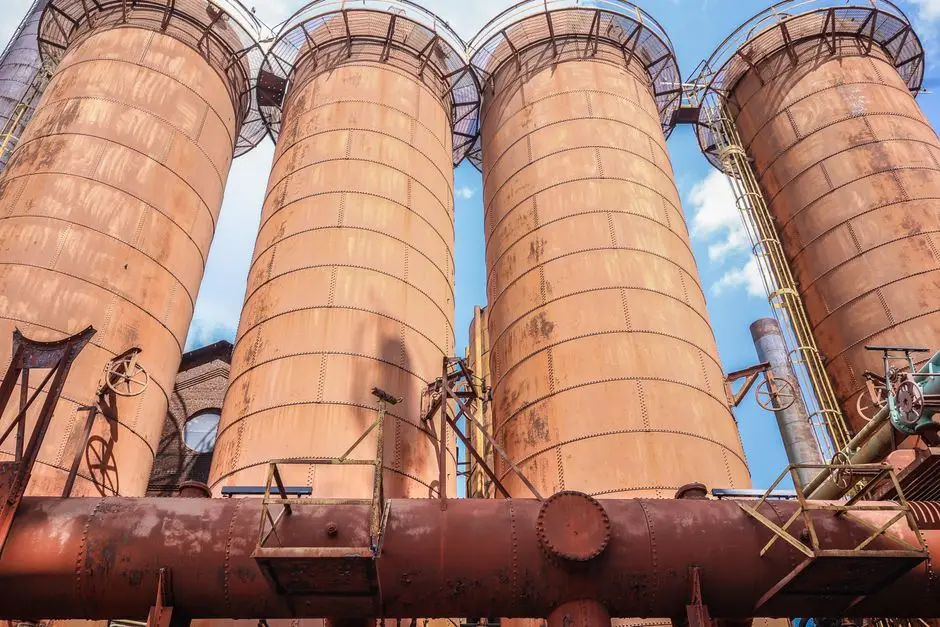
Equipment selection should follow the contaminant group that controls the treatment train. DAF is the candidate where suspended solids, FOG, oil, grease and colloidal matter must be removed before downstream treatment; MBR is the candidate where biological treatment and fine solids separation must operate as one train; UF is the candidate where chemical-free removal of bacteria, colloids and suspended solids is required; and disinfection remains a separate design decision.
The supplied industrial DAF system range spans 4–300 m³/h across 13 standard models, according to the supplied HydropureWater product information. That capacity range can support an initial commercial screen, but it does not establish treatment performance on the project wastewater. Require confirmation of feed quality, expected removal performance, chemical demand, sludge yield and governing flow.
The supplied integrated MBR wastewater treatment system range covers 10–2,000 m³/day and filtration below 1 μm, according to the supplied HydropureWater product information. These figures describe the available equipment range and filtration specification; they do not replace biological loading, membrane flux, peak-flow or pretreatment checks.
For UF polishing, the supplied HydropureWater information specifies 2,000–40,000 L/h capacities and 0.03 μm PVDF membranes. The stated use case is chemical-free removal of bacteria, colloids and suspended solids, including pretreatment for reverse osmosis. Where UF is intended to make industrial effluent reuse possible, the reuse specification must identify the remaining acceptance tests.
Disinfection is not automatically included by selecting a membrane or flotation unit. The supplied HydropureWater chlorine dioxide generator range is 50–20,000 g/h across eight configurations. The buyer must define the target organism, residual or dose requirement, contact arrangement, chemical supply, safety controls and compatibility with the receiving route before selecting a generator.
| Selection condition | Candidate step | Equipment evidence supplied | Project check before selection |
|---|---|---|---|
| Suspended solids, FOG, oil, grease or colloids must be removed before downstream treatment | DAF pretreatment | HydropureWater: 4–300 m³/h across 13 standard models | Feed characterisation, peak duty, chemical consumption, sludge handling and expected removal |
| Biological treatment and fine solids separation are required together | MBR | HydropureWater: 10–2,000 m³/day and filtration below 1 μm | COD load, inhibition, membrane pretreatment, flux, peak flow and cleaning assumptions |
| Chemical-free bacteria, colloid and suspended-solids removal is required, including RO pretreatment | UF polishing | HydropureWater: 2,000–40,000 L/h with 0.03 μm PVDF membranes | Feed quality, recovery, flux, integrity testing, cleaning and downstream acceptance criteria |
| A defined disinfection outcome is required | Disinfection, with chlorine dioxide as one candidate | HydropureWater: 50–20,000 g/h across eight configurations | Target organism, dose or residual, contact, safety, chemicals and monitoring |
| Polishing for a defined reuse application | Nanofiltration as a research-supported candidate | University of Twente thesis concludes nanofiltration is suitable for polishing WWTP effluent for agricultural or direct or indirect potable usage | Project-specific validation, authority approval and site-specific water-quality criteria |
The ChEDD DAF guide can support general comparison of DAF and alternative clarification arrangements, but it is not evidence of French sewer discharge requirements. For mineral or manufacturing applications where sewer acceptance is the driver, the DAF versus lamella pretreatment comparison provides a useful structure, subject to site-specific verification.
Size the complete plant rather than the headline unit
Plant capacity is determined by the governing duty across the treatment train, not by the nominal capacity of one headline unit. Compare average and peak hydraulic demand with each proposed item, then check sustained and peak contaminant loads against clarification, biological and membrane capacity. A train that meets average flow can still fail when a batch discharge, clean-in-place wash or production peak passes through it.
Include the complete equipment schedule: screening, chemical dosing, DAF or clarification, aeration and biological treatment, membranes, polishing, disinfection, sludge thickening or dewatering, odour control where required, instrumentation, controls, utilities and residuals handling. The Ensun France market page identifies companies covering the water cycle, including treatment, sludge management and recycling; that supports whole-plant procurement rather than treating sludge handling as an afterthought.
Request quotations on the same basis. Each supplier should state design flow, wastewater basis, operating hours, duty cycle, maintenance assumptions, utilities, controls, guarantees and exclusions. A headline capacity is not comparable unless the feed basis and operating envelope are identical.
| Plant section | Sizing question | Required supplier deliverable | Buyer action |
|---|---|---|---|
| Receiving and pretreatment | Which hydraulic and contaminant duty governs? | Design basis and flow schematic | Check against the characterisation brief and measured peaks |
| Biological and membrane treatment | Does the train handle sustained and peak loads? | Loading and hydraulic calculations, fouling strategy and cleaning assumptions | Challenge assumptions using site data |
| Polishing and disinfection | Does the final water meet the receiving-route specification? | Performance objective, monitoring and acceptance method | Obtain the site-specific acceptance criteria first |
| Sludge and residuals | Where does every generated solid stream go? | Solids balance, dewatering basis and handling scope | Allocate downstream responsibility before ordering |
| Controls and utilities | How will the plant operate and integrate? | Cause-and-effect, control philosophy, utility demand and commissioning plan | Review interfaces with site electrical, control and safety systems |
Where hydraulic and fouling calculations are needed, the DAF capacity and sizing methodology demonstrates why peak flow and process conditions must be established before equipment selection.
Verify French requirements and supplier deliverables
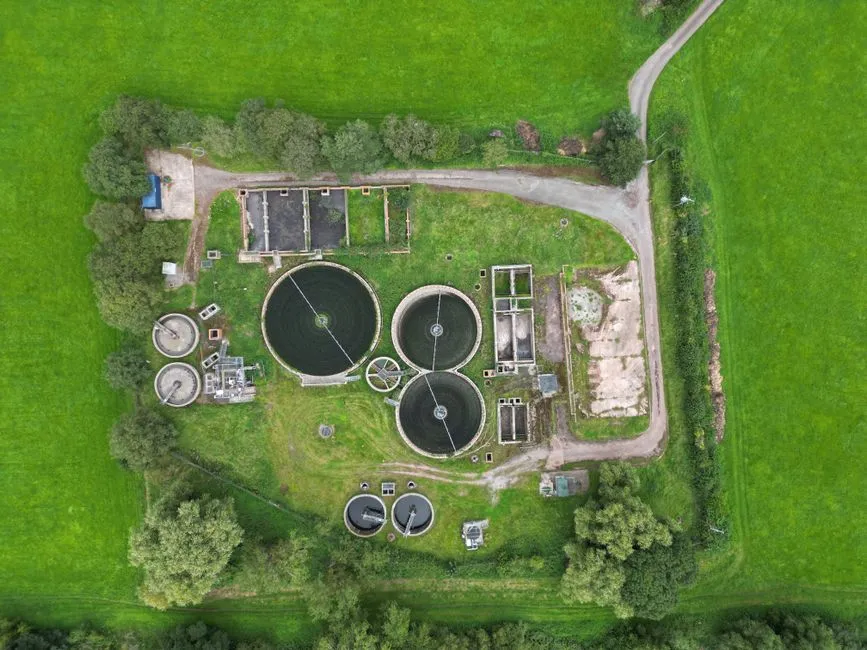
The supplied research does not establish a French permit limit, city-specific sewer rule, equipment price or delivery lead time. Each of those items must be verified for the actual site. Treat a supplier statement that a product is “compliant” as incomplete unless it identifies the requirement, applies it to the stated wastewater and receiving route, and provides a verifiable acceptance method.
Require the supplier to define the design flow, wastewater basis, treatment objectives, delivered equipment, utilities, controls, performance tests, commissioning obligations and scope exclusions. Add site-specific guarantees only after the permit or sewer agreement and reuse specification have been obtained.
Confirm the applicable requirements with the competent French authority and the receiving party. The supplied Ensun market page, dated 2026, identifies 170 fitting French manufacturers and 265 suitable service providers for effluent treatment plant searches. That is a broad discovery base, not an approved-supplier list, and its entries do not prove technical compliance or delivery capability.
Evaluate references against the same questions used in the design brief: similar wastewater, comparable hydraulic and contaminant duties, the same receiving route, relevant guarantees and demonstrated handover. Check who holds each performance obligation and whether subcontractors, civil works, installation, utilities, commissioning and ongoing operation are included.
- Obtain the wastewater brief and identify every missing input.
- Confirm direct discharge, sewer, reuse or cascade requirements in writing.
- Match contaminant groups to pretreatment, biological, polishing, disinfection and sludge steps.
- Size the complete train against average, peak and sustained duty.
- Issue a common information request to shortlisted suppliers.
- Verify French and local requirements before converting the selection into an order.
Frequently Asked Questions
How much does an industrial effluent treatment plant cost in France?
The supplied research provides no French equipment prices or installation quotations, so a defensible budget cannot be stated as a fixed range. Request itemised quotations using the same wastewater and receiving-route basis, with equipment, civil works, utilities, controls, installation, commissioning, performance tests, sludge handling and exclusions listed separately. Also request an operating-cost breakdown for chemicals, energy, maintenance, membrane or media replacement and residuals disposal.
Which treatment technology should be selected for oily industrial wastewater?
Start with DAF where oil, grease, FOG, suspended solids and colloidal material must be removed before downstream treatment. The supplied HydropureWater information identifies an industrial DAF range of 4–300 m³/h across 13 standard models. Selection still depends on measured contaminant loads, peak flow, expected separation performance, chemical demand and how the resulting sludge will be handled.
How do I size an MBR or DAF system for a plant in France?
Size against the governing hydraulic and contaminant duty, not average flow alone. The supplied ranges—10–2,000 m³/day for MBR and 4–300 m³/h for DAF—are equipment ranges, not universal sizing rules. Submit representative wastewater results and flow records, identify peak and sustained loads, and ask each supplier to show its duty, pretreatment, fouling, cleaning and performance assumptions.
How should I compare wastewater equipment suppliers in France?
Require every supplier to answer the same technical schedule: design basis, treatment objectives, delivered scope, utilities, controls, guarantees, maintenance, commissioning and exclusions. Compare proposed references against the same wastewater and receiving route. The Ensun 2026 directory is useful for discovering 170 fitting manufacturers and 265 service providers, but it is not an approval list and should not substitute for project-specific qualification.
What compliance information must be verified before ordering an ETP?
Obtain the applicable permit or sewer-authority requirements, the receiving-party acceptance conditions and any reuse criteria before fixing equipment guarantees. Confirm the responsible authority, required parameter list, sampling or monitoring method, operating compliance point and required reporting. The supplied evidence does not provide French site-specific limits, so none should be assumed; it also does not establish current discharge rules through the US EPA effluent-guidelines source.
Related Equipment
- industrial DAF system — specifications, capacity range, and technical data