Choose MBR or CAS from the mill’s operating conditions
A membrane bioreactor should advance only when the mill’s required water quality, available footprint and operating capability justify membrane fouling control, cleaning and eventual module replacement. Conventional activated sludge remains credible when wastewater is stable, land is available, sludge settles reliably and the required discharge or reuse quality can be met without extensive polishing. The Membranes review published in 2023 reports better permeate quality, simpler operational management and a reduced footprint requirement for MBR than CAS, while also identifying fouling, energy use and membrane-material cost as constraints. No supplied source establishes a verified North Charleston permit limit, site flow, wastewater profile, reuse specification or installed mill comparison, so a local technology advantage remains unproven until those inputs are obtained.
| Decision condition | Provisional MBR position | Provisional CAS position | Required verification |
|---|---|---|---|
| Required effluent quality | Advance if low TSS or progress toward reuse makes membrane separation valuable. | Advance if biological treatment and clarification meet the target without extensive polishing. | Applicable permit and reuse specification |
| Wastewater stability | Advance only if identified fouling mechanisms can be controlled upstream. | Advance if loading, settleability and flow variation are manageable. | Stream-by-stream representative testing |
| Available footprint | Compare the complete train, including pretreatment, controls and cleaning access. | Confirm space for biological basins, clarifiers and downstream works. | Site layout and utilities |
| Operations capability | Require membrane monitoring, clean-in-place procedures, spares and module-replacement planning. | Require dependable blower, clarifier, sludge-return and controls operation. | Maintenance staffing and outage plan |
Use the MBR wastewater treatment cost per m³ framework only after the treatment objectives and complete system boundary are defined. A module price alone will not support a defensible North Charleston decision.
Define the permit and reuse target before comparing equipment
The treatment objective must be a measurable permit or reuse requirement, not a preference for “MBR.” The supplied research does not establish a universal numeric effluent limit for North Charleston or for pulp and paper wastewater. The mill must therefore obtain the applicable discharge authorization, identify the receiving route and document the discharge route, permit conditions, reuse specification and receiving-process criteria.
For water reuse treatment, define the end use before selecting the biological and separation train. A receiving process may impose requirements beyond general effluent criteria, including additional treatment for dissolved constituents, temperature or other operating constraints. MBR improves solids separation, but the 2025 HydropureWater pulp and paper guide states that it does not establish universal removal of dissolved contaminants. The bid should identify whether filtration alone qualifies the water or whether additional polishing is required.
Convert the objective into RFQ requirements:
- Performance basis: State every parameter covered by the guarantee, its applicable limit or reuse condition, and the measurement location and method.
- Operating envelope: Define the influent conditions and production periods covered by the guarantee.
- Upset response: Require bidders to explain how changed influent conditions, membrane fouling, cleaning outages, bypass operation and downstream polishing affect compliance.
- Evidence: Require representative operating data and pilot results for the proposed configuration, not a general claim that MBR produces better effluent than CAS.
The conditional MBR and activated-sludge comparison provides useful structure for this comparison, but its location-specific context must not be transferred to a North Charleston mill.
Separate wastewater streams and control membrane-fouling risks
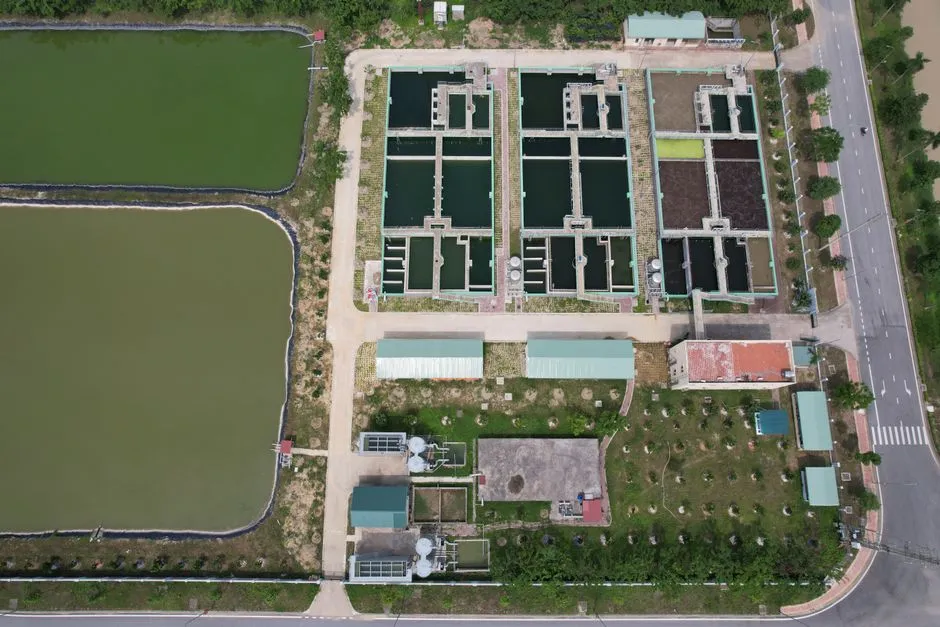
Pulp mill wastewater, paper mill effluent and process-water streams must be characterized separately before either treatment train is sized. A blended average can conceal dilute and concentrated behavior that determines biological loading, equalization needs and membrane fouling. The 2025 HydropureWater guide identifies flow, production linkage, contaminants and variability as required stream-level inputs and treats a blended average alone as a no-go for final sizing.
| Characterization field | Required observations | Why it affects equipment selection |
|---|---|---|
| Flow and production linkage | Representative production periods, flow variation and links to mill operations. | Sets hydraulic design, equalization and treatment-stage loading. |
| Fibrous and solids material | Fiber content, suspended solids and settleability. | Identifies screening needs, downstream equipment protection and fouling risk. |
| Oils and FOG | Free and emulsified oil, FOG and related load variation. | Requires evaluation before biological treatment and membrane separation. |
| Dissolved constituents | Color, lignin-derived organics and relevant chlorinated compounds. | Determines whether biological separation and filtration are sufficient for reuse. |
| Operating conditions | Temperature and load variation during representative production periods. | Affects biological performance and membrane behavior. |
Evaluate screening, flotation and equalization as one pretreatment train. The GX rotary bar screen is intended to protect downstream equipment from fibrous debris. The pulp and paper wastewater DAF pretreatment catalog lists 4–300 m³/h across 13 standard models; this is an equipment-screening range, not North Charleston sizing evidence. Final pretreatment duty requires representative flow and contaminant loading.
The MBR gate follows from that work: if screening and flotation cannot remove identified solids, FOG, oil and grease or colloidal material that would foul the membranes, revise pretreatment before membrane testing. If the proposed train cannot meet the permit or reuse specification, add appropriate polishing or stop the MBR evaluation.
Test the complete treatment train under representative conditions
A credible pilot must test the proposed pretreatment, biological process, membrane configuration and downstream polishing together. An isolated membrane test does not establish performance of the complete installation, and results from another mill cannot be transferred automatically to North Charleston. The 2025 HydropureWater guide requires the pilot to represent production periods, wastewater variability, membrane fouling, clean-in-place recovery, solids handling, bypass implications and the selected pretreatment train.
Record the operating envelope, not just final effluent quality:
- Characterize influent and pretreatment performance during representative production periods.
- Log solids retention time, hydraulic retention time, permeate flux, transmembrane pressure, temperature, aeration and cleaning events.
- Distinguish recoverable fouling from irreversible or material-specific fouling and document recovery after each cleaning cycle.
- Measure treated-water quality against the actual permit or reuse specification.
- Observe downstream solids concentration, conditioning behavior, dewatering performance, storage and final disposal.
- Exercise bypass, cleaning outage and upset-response arrangements.
The 2023 Membranes review states that submerged MBR generally handles lower permeate flux and requires less power than side-stream MBR, which handles higher permeate flux but requires more power. Configuration must therefore follow site treatment objectives rather than a generic equipment preference.
The catalog for the integrated MBR membrane bioreactor lists 10–2,000 m³/day and filtration below 1 μm. Treat both figures as screening information only. Final sizing requires representative peak flow, contaminant loading, stream variability, equalization, pretreatment performance and the required effluent or reuse quality.
Compare lifecycle, footprint and solids-handling obligations
Both bids must price complete treatment chains: biological treatment, solids separation, sludge return and removal, pretreatment, controls, cleaning, energy, chemicals, labor, replacement modules, conditioning, dewatering and residue disposal. Comparing a membrane module with a clarifier package does not produce a lifecycle decision.
| Cost or obligation | MBR pricing question | CAS pricing question | Common evidence required |
|---|---|---|---|
| Installed equipment | What biological, membrane, cleaning, control and redundancy scope is included? | What biological basin, clarifier, pumping and control scope is included? | Site flow, loading, footprint and pretreatment assumptions |
| Operating resources | What are projected aeration, pumping, cleaning chemical and labor demands? | What are projected aeration, pumping, polymer and labor demands? | Representative pilot data and energy assumptions |
| Replacement risk | What is the module-replacement interval, module price and replacement method? | What clarifier, aerator, pump and control replacement is required? | Warranty scope and maintenance plan |
| Solids route | What sludge concentration, conditioning, retention and dewatering duty results? | What clarification, sludge-return, conditioning and dewatering duty results? | Representative solids properties and final disposal terms |
| Residue disposal | What storage, transport and disposal costs apply? | What storage, transport and disposal costs apply? | Site-specific disposal route and schedule |
The HydropureWater guide reproduces a catalog claim that MBR requires 60% less footprint than conventional systems. Verify that claim in a site layout; it is not a guaranteed North Charleston result. MBR changes sludge concentration and handling requirements but does not eliminate sludge production or disposal. Obtain expected solids concentration, settling or conditioning behavior, retention requirements, operating schedule, available dewatering area and disposal route before assigning equipment. A plate-and-frame press can be evaluated as one downstream option, but no press should be selected by catalog filtration area alone.
The 2023 Membranes review cites an economic case in which MBR had higher present-worth expense than CAS alternatives for the same treated flow, while providing better effluent quality and lower land requirements. That case is not a North Charleston price estimate.
Issue an RFQ with measurable acceptance criteria
Every proposal should use the same site data and present a complete, comparable treatment train. Attach the wastewater characterization, reuse target, pretreatment assumptions, pilot protocol, representative operating data and full solids-handling route to the quotation. The pulp and paper MBR versus activated sludge guide provides the appropriate screening structure, but the RFQ must remain North Charleston-specific.
Require bidders to provide:
- Comparable pulp and paper references and operating evidence for the proposed configuration.
- MTBF, redundancy, critical spares and a module-replacement strategy.
- Controls philosophy, alarm setpoints, bypass arrangements and clean-in-place procedures.
- A guarantee tied to the applicable permit or reuse target.
- A written response to changed influent conditions, fouling, cleaning outages, bypass and downstream polishing.
- Separated pricing for capital equipment, installation, controls, pretreatment, fouling control, replacement modules, labor, energy, chemicals and residue disposal.
Define the no-go conditions before bids are evaluated:
- Data gate: Do not proceed to final sizing if only a blended wastewater average is available.
- Pretreatment gate: Do not advance MBR if the proposed train cannot control the identified fouling mechanisms.
- Pilot gate: Do not accept commercial commitment if the tested train cannot demonstrate the required permit or reuse performance under representative conditions.
- Solids gate: Do not issue an effluent guarantee without a complete downstream solids-handling solution.
- Retrofits: Do not describe CAS-to-MBR conversion as a drop-in retrofit until biology, equalization, pretreatment, hydraulics and sludge handling have been verified.
The MBR wastewater treatment cost per m³ framework is useful only after these gates are assigned and the same assumptions are attached to every bidder.
Frequently Asked Questions
What should the mill request before comparing MBR and CAS prices?
Request representative stream-by-stream wastewater data, the applicable permit, the reuse specification, available footprint, pretreatment assumptions, pilot results and the complete solids-handling route. Require each bidder to price the same system boundary. Without those inputs, neither a module price nor a generic price per m³ supports a defensible comparison.
How should a buyer select an MBR or activated-sludge supplier?
Check comparable pulp and paper operating evidence, MTBF, redundancy, critical spares, replacement-module strategy, controls, alarms, bypass provisions and clean-in-place procedures. The bid should explain how each guarantee responds to fouling, cleaning outages and changed influent conditions rather than repeating general catalog claims.
What evidence should close the pilot phase?
Require