Match the Treatment System to the Hotel's Actual Water Use
A Bursa hotel or resort requires a decentralized sewage treatment train sized based on actual sewage flow and peak loading rather than star rating or room count alone. For a compact site with landscaping or limited space, a buried A/O package plant combining biological treatment, sedimentation and disinfection is often the practical starting point. For tighter reuse requirements, higher-quality effluent or a larger treatment footprint constraint, an MBR may be preferable. Pool backwash, kitchen wastewater and laundry flows should be assessed separately, and final selection depends on verified flow data, permit/discharge route and reuse targets.
The first screening step is to map the property’s operating profile rather than select equipment from a room count. Trivago identifies a heated outdoor pool, indoor pool, spa, restaurant and daily breakfast service at Swissotel Uludag Bursa. It also reports two pool areas and wellness facilities. Almira’s own site lists a thermal spa, roof-pool areas, restaurants and a convention facility. These amenities indicate that a hotel’s wastewater is not necessarily one uniform domestic stream. Pool systems, commercial kitchens and event operations can create distinct flows and loads that should be identified before the main treatment train is sized.
Ask the property for the overnight-room inventory, published occupancy, event schedules, restaurant covers, laundry cycles and pool operating hours. The Swissotel listing shows example rooms from 323 to 431 sq ft, with the listed room types sleeping up to three people; those figures can support an initial screening worksheet, but they do not establish actual wastewater flow. Use the hotel wastewater sizing checklist to request the operating data needed for a Bursa site.
Separate at least five streams: domestic sewage, kitchen effluent, laundry effluent, pool backwash and cleaning wastewater. Record whether each stream is continuously discharged, intermittently discharged, collected for reuse or diverted to a municipal system. The hotel A/O package plant versus MBR comparison provides a useful process-level reference, but the final design still requires recent meter data, seasonal flow records, water-use details and verified peak conditions from the property.
Compare A/O Package Plants and MBR Systems
Selection between these technologies depends on whether the site’s specific flow and effluent requirements align with the mechanical capabilities of either system. The WSZ A/O package plant handles 1–80 m³/h and combines anoxic/aerobic biological contact oxidation, sedimentation and disinfection in one buried package, according to the supplied WSZ product information. It can be installed below grade with landscaping above it or mounted on a trailer for mobile deployment. That configuration makes it relevant where the usable surface area is constrained, although burial depth, access, soil conditions and utility connections still require site-specific design.
The MBR system handles 10–2,000 m³/day, according to the supplied MBR product information. It combines activated sludge with submerged PVDF membrane filtration and provides filtration below 1 μm. HydropureWater states that the MBR has a 60% smaller footprint than conventional systems. Treat that statement as a supplier comparison point, not as a universal site claim: the installed footprint still depends on the selected duty, tankage, ancillary equipment, access and installation arrangement.
| Decision point | Buried A/O package plant | MBR membrane bioreactor system |
|---|---|---|
| Process route | Anoxic/aerobic biological contact oxidation, sedimentation and disinfection in one package | Activated sludge with submerged PVDF membrane filtration |
| Stated capacity | 1–80 m³/h | 10–2,000 m³/day |
| Installation character | Buried below grade with landscaping above, or trailer-mounted for mobile deployment | Requires an engineered integrated treatment installation; confirm actual layout with the supplier |
| Filtration claim | Package route includes biological treatment, sedimentation and disinfection | Filtration below 1 μm |
| Footprint statement | Potential fit for constrained sites where below-grade installation is suitable | HydropureWater states 60% smaller footprint than conventional systems; verify applicability |
| Selection condition | Use when verified duty and treatment route fit the stated flow range and site constraints | Use when verified duty, effluent target or reuse objective justifies membrane treatment |
The decision rule is straightforward. If the verified application falls within the A/O package capacity, the site can accommodate a buried installation and the required effluent objective does not require membrane separation, retain A/O as the compact package option. If the confirmed treatment objective requires more stringent solids separation, higher-quality reuse or a treatment train whose verified duty is better served by membranes, evaluate MBR. Request a design basis and acceptance criteria from each bidder rather than selecting MBR based on perceived advancement.
Check Whether Separate-Source Treatment Is Needed
Pool and spa operations change the wastewater profile because backwash and cleaning discharges differ substantially from domestic sewage. Trivago identifies two pool areas, a heated outdoor pool, an indoor pool, sauna, hammam and steam-room facilities at Swissotel Uludag Bursa. Almira identifies thermal spa operations, roof-pool areas and convention facilities. These are screening signals for a separate-source review, not proof that a dedicated treatment system is required at every property.
Restaurant and kitchen flows also require an assessment. Ask for the kitchen wastewater route, grease-trap or separator arrangements, food-solid loading, cleaning-chemical use and discharge timing. Laundry operations should be recorded separately where they are present, including wash cycles, linen volumes and whether chemicals are stored or discharged directly to the sewer.
For streams with high suspended solids, FOG, oil and grease or colloidal matter, ask whether pretreatment is required before the main biological process. The relevant supplier reference is the DAF pretreatment equipment, which the supplied research describes as handling 4–300 m³/h across 13 standard models for suspended solids, FOG, oil and grease and colloidal matter in industrial or municipal pretreatment applications. That capacity and range describe the DAF product, not the hotel’s required flow; the buyer still needs stream-specific sampling and flow records before selecting a model.
Route ancillary streams deliberately. Do not add a pool backwash flow to the domestic design average without checking its discharge timing and hydraulic effect. Do not route kitchen wastewater through the main plant without evaluating grease, food solids and cleaning chemicals. The preliminary question for each source is: Does it enter the main train, require local pretreatment, connect to another approved route, or need separate treatment? That answer should appear in the equipment tender documents.
Build a Procurement-Ready Site Data Request
A defensible equipment quotation requires measured or verifiable site information, a stated discharge route and comparable supplier responses. Request 12 months of water-meter data if available, daily sewage-flow records, peak-flow measurements, occupancy ranges, event attendance, seasonal operation and planned expansions. If metering is incomplete, identify the gap in the request rather than presenting an occupancy-derived estimate as final design data.
| Information package | Ask the property for | Require each bidder to state |
|---|---|---|
| Flow and occupancy | Up to 12 months of water-meter data if available; daily and peak sewage flows; occupancy ranges; event attendance; seasonal operation; planned expansions | Design flow, selected peak factor, duty basis and treatment-stage capacities |
| Wastewater sources | Separate domestic sewage, kitchen, laundry, pool backwash and cleaning-stream data; seasonal sampling where relevant | Assumed flow and load for each stream, pretreatment requirements and included exclusions |
| Route and effluent | Direct municipal discharge, indirect discharge through approved pretreatment, onsite reuse or a combination; required effluent specification | Process route, final effluent target, sampling points, control philosophy and acceptance test |
| Site constraints | Available footprint, burial depth, landscaping objectives, access, power, noise limits and utility locations | Installation boundary, civil-work assumptions, electrical and control scope, commissioning responsibilities |
| Operations | Maintenance access, sludge-handling route, staffing arrangements and operating constraints | Redundancy, routine maintenance, consumables, sludge handling, training and technical support |
For sampling, separate the streams before they mix. Ask for wastewater characterization covering domestic sewage, kitchen, laundry, pool backwash and cleaning wastewater, with seasonal testing where relevant. The test scope should follow the proposed treatment route: the property and relevant authority must define which parameters matter for discharge, reuse or biological treatment.
Give bidders the same information pack and require a common response format. At minimum, each quotation should state design flow, peak factor, process stages, effluent target, redundancy, control philosophy, installation boundary and commissioning responsibilities. Also ask for exclusions: civil works, electrical supply, pumping, sludge removal, laboratory testing, operator training and disposal arrangements should not remain implicit.
The package sewage plant versus MBR decision guide provides a related comparison framework. For Bursa, adapt that framework only after the property’s flow records, source separation, reuse objectives and local route have been documented.
Confirm the Bursa Route Before Ordering
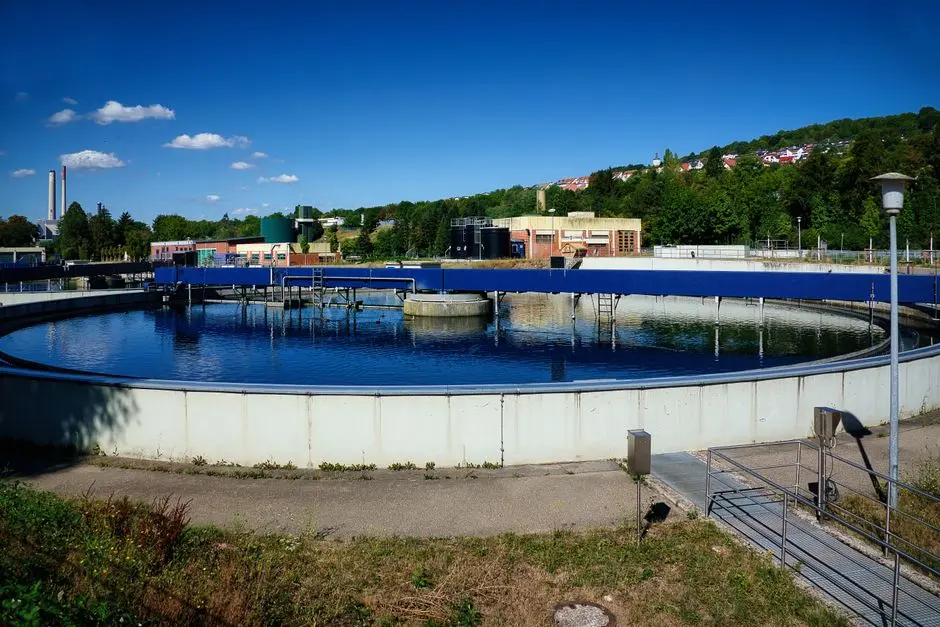
The supplied research establishes Bursa hotel amenities and locations but does not provide current Bursa discharge limits, sewer-entry rules, groundwater constraints or reuse approvals. Require the hotel owner, local utility and relevant environmental authority to confirm the legal discharge or reuse route before finalizing the treatment train. Equipment capability alone does not establish permit compliance.
Distinguish a municipal sewer connection from the need for onsite treatment. The supplied hotel pages do not establish which option applies to any named property, so a public sewer nearby must not be assumed to provide capacity, accept the property’s wastewater composition or eliminate pretreatment requirements. Ask the utility to confirm the connection route, applicable entry conditions and any required commercial wastewater agreement.
For onsite reuse, define the intended end use before selecting the process. The reuse target, application, public-health requirements and authority approval determine whether A/O or MBR is appropriate. Final acceptance should be tied to the confirmed effluent specification, sampling method and regulatory route—not to the equipment name or a general claim of “high-quality” effluent.
Site logistics may also differ materially across Bursa. Almira states that it is 35 km from Uludağ, 20 km from the Mudanya/Güzelyalı ferry port and 40 km from Yenişehir Airport, according to its own site, accessed 2026. Swissotel Uludag Bursa is located in Kirazlıyayla on Mount Uludağ, according to Trivago, accessed 2026. For mountain or remote properties, obtain delivery access, crane and lifting requirements, road limits, local installation labour, power availability, waste-removal arrangements and commissioning logistics separately before relying on an opening date.
Frequently Asked Questions
What wastewater treatment system does a Bursa hotel need in 2026?
Start with verified average and peak flows, then identify domestic sewage, kitchen, laundry, pool backwash and cleaning streams separately. Choose a buried A/O package plant when the verified duty fits its 1–80 m³/h range and the site suits below-grade installation. Evaluate MBR when the 10–2,000 m³/day range, filtration below 1 μm and the confirmed reuse or effluent objective justify membrane treatment. Do not select from room count or hotel category alone.
How should a buyer compare A/O and MBR suppliers?
Give every bidder the same flow data, wastewater sampling results, site constraints and effluent target. Require each quotation to state design flow, peak factor, process stages, effluent target, redundancy, controls, installation boundary, civil-work assumptions and commissioning responsibilities. Confirm that quoted capacity covers the verified peak and that the proposed treatment route addresses each ancillary stream.
What should the budget request include when no quotation is available?
Request a full-life-cost breakdown rather than a single equipment price. It should cover equipment, civil works, installation, electrical and controls, commissioning, sludge handling, energy, maintenance, consumables, training and disposal arrangements. No cost data is supplied in the research, so a defensible price cannot be stated without the property-specific flow, route, site and scope inputs.
What compliance and delivery risks should be checked before ordering?
Confirm the Bursa discharge, sewer-entry or