Characterize the FGD wastewater before choosing equipment
Wet FGD wastewater treatment for power plants is not a single-equipment decision because composition changes with coal, limestone, scrubber design and gypsum dewatering. Suspended solids can range from about 30 ppm to 7%, while chlorides may be limited to 12,000 mg/L in common systems and soluble sulfate reached 20,000–30,000 mg/L in one sampled plant. A practical train typically separates solids, controls pH, precipitates or removes metals, clarifies the water and then applies filtration, biological treatment or membranes according to the discharge or reuse route.
The wastewater boundary must be fixed before equipment is specified. A plant may call hydroclone overflow, thickener overflow, settling-pond overflow or another scrubber purge “FGD wastewater,” even though these streams have different solids and chemistry. POWER magazine’s Flue Gas Desulfurization Wastewater Treatment Primer notes that gypsum washing and solids-rejection practices also change the waste sent to treatment. For operating context, see the wet FGD scrubber troubleshooting guide.
Request flow, pH, TSS, sulfate, chloride, metals, nitrate and selenium data covering representative operating periods. Include changes in coal or limestone supply, scrubber operation and gypsum dewatering. POWER magazine reports that coal and limestone composition, scrubber type and the dewatering system affect FGD wastewater constituents; its sampled plant produced 20,000–30,000 mg/L soluble sulfate. Sampling only one steady period can miss this variability.
The selected discharge or reuse route should then define the required solids, dissolved-solids and contaminant removal. Chloride and sulfate drive salinity and concentrate in any water-recovery process. Metals, selenium and nutrients determine whether precipitation, biological treatment or additional polishing is needed.
| Plant condition or decision input | Evidence-based implication | Equipment or information to resolve |
|---|---|---|
| Hydroclone overflow | TSS may reach 7% in a sampled system, according to POWER magazine. | Evaluate primary solids separation before downstream chemical treatment. |
| Thickener or stacking-pond overflow | TSS may be as low as 30 ppm in the systems described by POWER magazine. | Confirm residual solids and assess whether clarification alone is sufficient. |
| Chloride accumulation in the scrubber | POWER magazine reports a typical limit of 12,000 mg/L; higher concentrations may affect water balance and recovery. | Obtain scrubber metallurgy, chloride data and the permitted discharge or reuse specification. |
| High soluble sulfate | One sampled FGD system produced 20,000–30,000 mg/L soluble sulfate. | Include sulfate and total dissolved solids in pilot mass balances and recovery assessment. |
| Variable coal or limestone supply | Wastewater constituents can change during plant operation. | Characterize multiple operating conditions and define control ranges from actual samples. |
Separate solids and control the chemistry of the blowdown
Primary solids separation should precede chemistry control when hydroclone overflow can carry a substantial solids load. POWER magazine reports FGD wastewater spanning approximately 30 ppm to 7% suspended solids and advises considering primary clarification when TSS can exceed 2%. A primary solids-removal duty and a downstream polishing clarifier therefore address different parts of the train.
After primary separation, raise pH to 8–10 with calcium hydroxide or sodium hydroxide. Westech Water’s Flue Gas Desulfurization Water Treatment Solutions describes precipitation of dissolved metals as hydroxides at this pH range and notes that the selected alkali also affects sludge generation. The chemistry must then be conditioned for clarification: ferric chloride can aid floc formation, while polymer can promote larger flocs. Clarifier sludge recycle provides seed and can improve solids capture.
For the solids-removal stage, compare a lamella clarifier for FGD solids separation with the selected hydroclone, thickener or gravity-separation duty. Inclined plates, flocculation and recirculation are appropriate where the equipment must compact sludge, recover flocculated solids and provide a defined clarified-water outlet. Equipment selection should follow wastewater characterization, not precede it.
| Front-end condition | Selected function | Design or operating evidence to request |
|---|---|---|
| High incoming TSS from hydroclone overflow | Remove primary gypsum and inert solids before chemical dosing. | Representative TSS distribution, peak flow, solids recovery and downstream carryover. |
| Dissolved metals require removal | Raise pH to 8–10 using calcium hydroxide or sodium hydroxide, then precipitate metal hydroxides. | Site-specific pH titration, chemical consumption and resulting sludge estimate. |
| Clarifier performance is limited by dispersed solids | Use ferric chloride and, where justified, polymer to form larger flocs. | Jar or pilot tests comparing dose, settleability and overflow solids. |
| Compact sludge handling is required | Use recirculation and inclined-plate clarification for the selected solids-removal duty. | Underflow solids, sludge-removal rate, recycle basis and operating controls. |
Match metal removal to the required effluent standard
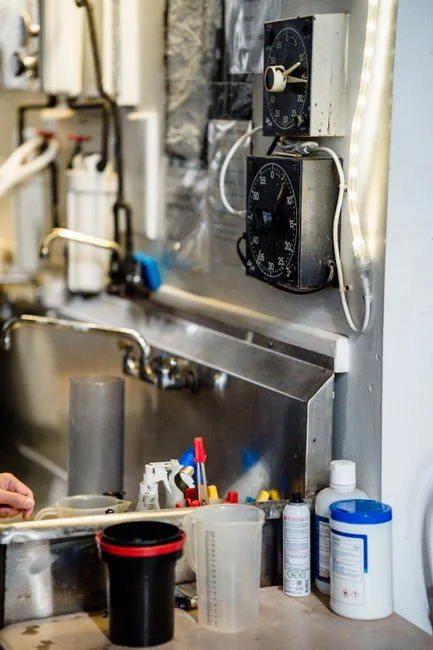
Hydroxide precipitation is the established chemical step for dissolved metals when pH is raised to 8–10; sodium sulfide can provide further precipitation where required. Westech Water states that metal sulfides have lower solubility than metal hydroxides. The project basis must nevertheless identify the specific contaminants and required residual concentrations because a precipitation mechanism does not establish performance for every metal or oxyanion.
ASME’s Flue Gas Desulfurization Wastewater Treatment for Coal-Fired Power Industry identifies mercury, selenium, arsenic and nitrate/nitrite as contaminants relevant to potential FGD wastewater limits. This matters for equipment selection: arsenic and selenium do not necessarily follow the same removal behavior as cationic metals, and nitrate is a nutrient rather than a precipitating metal. Each target contaminant therefore needs an identified removal mechanism and an analytical acceptance limit.
For zero-liquid-discharge or resource-recovery applications, emerging membranes deserve evaluation alongside established clarification, precipitation and RO. A 2026 Nanoscale study reported at least 95% Hg²⁺ removal and simultaneous ammonium sulfate crystallization in a solar membrane evaporation-crystallization system. The result is promising, but it does not replace site verification: concentrate chemistry, salt saturation, scaling, mercury release and crystal handling must be tested with the actual FGD wastewater matrix.
Use filtration when the discharge route requires low suspended solids after chemical treatment. Westech Water identifies gravity media filtration for that application and returns filter backwash to the front of the treatment system. If membranes follow, pretreatment must prevent suspended precipitate from fouling the selected membrane system.
| Contaminant or objective | First candidate mechanism | Decision check |
|---|---|---|
| Precipitable dissolved metals | pH elevation to 8–10 and hydroxide precipitation, with sodium sulfide enhancement where required. | Confirm target metal, residual concentration, chemical dose and precipitate disposal route. |
| Mercury | Chemical treatment; specialized membrane research may support recovery applications. | Require a site-specific mass balance and analytical acceptance test. |
| Selenium or arsenic | Evaluate dedicated removal performance rather than assuming hydroxide precipitation is sufficient. | Identify the required form and residual limit, then confirm removal in pilot testing. |
| Nitrate or nitrite | Consider biological treatment when the discharge objective requires it. | Define the nutrient objective and verify the biological process on the actual matrix. |
| Low suspended solids | Clarification followed by gravity media filtration where required. | Specify filterability, backwash routing and filtered-water solids performance. |
Add biological treatment only when the contaminant objective requires it
Biological treatment is justified when selenium or nitrate removal is a defined project requirement, not simply because the wastewater contains nutrients. The Office of Scientific and Technical Information’s project, Developing Cost Effective Biological Removal Technology for Selenium and Nitrate from Flue Gas Desulfurization Wastewater from an Existing Power Facility, investigated biological removal using photosynthetic organisms such as algae and plants.
That research also identifies the principal design caution: untreated FGD wastewater reduced algae biomass, total weight and photosynthetic efficiency because of toxic substances and salts. The OSTI project found that algae cultured at 1:1 and 1:2 FGD wastewater-to-tap-water dilutions performed better than controls. Those dilution ratios are experimental observations, not plant design rules. Dilution changes ionic strength and contaminant concentrations, and it also changes the water balance that a power-plant treatment train must manage.
The biological stage must therefore be piloted with the actual wastewater matrix. The same OSTI project reported stress-related gene-expression and metabolic changes in duckweed exposed to FGD wastewater, including down-regulation of photosynthesis and starch-biosynthesis genes. That evidence supports evaluating toxicity, salinity, nutrient balance and organism response rather than transferring research culture results directly into a commercial guarantee.
Position biological treatment relative to clarification, precipitation and filtration according to the selected objective. A practical pilot should compare contaminant removal, solids carryover, organism or microbial response, chemical adjustment and effects on downstream membranes. If the discharge route does not require nutrient or selenium removal, adding a biological stage adds footprint, control and residual-solids-management obligations without a defined treatment benefit.
Validate solids handling and the final water-recovery step
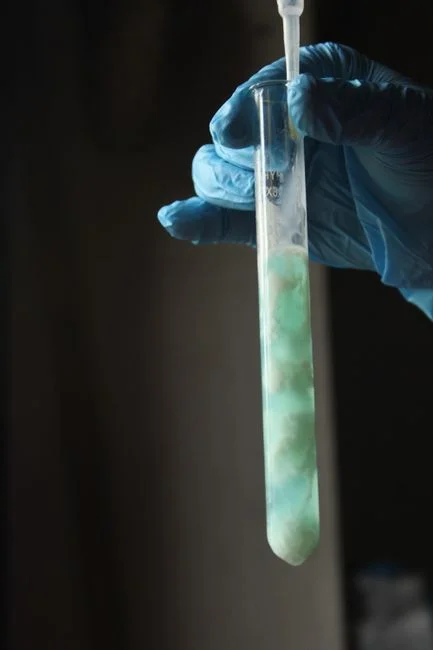
Sludge handling should be selected from measured solids production and the available disposal route. Westech Water reports that clarifier sludge typically contains 3–5 weight percent solids before dewatering and states that dewatering volume determines the choice of recessed-chamber filter press or belt press. The equipment comparison must include chemical demand, filtrate return, cake handling and the destination of the dewatered gypsum and metal-bearing solids.
Evaluate reverse osmosis when the project requires low dissolved solids or water reuse. The supplied industrial RO product data specifies recovery rates up to 95% for power-generation applications. Confirm that value as a supplier design basis and examine concentrate volume, scaling tendency and pretreatment. An industrial RO system for power-plant water recovery should be compared on feed-water composition and required permeate quality, not on maximum recovery alone.
For zero-liquid-discharge concepts, compare energy demand and resource recovery as well as disposal risk. The 2026 Nanoscale solar membrane evaporation-crystallization study used solar energy and desulfurization waste heat, achieved clean water and fertilizer production, and reported at least 95% Hg²⁺ removal. It also operated without high-pressure or high-temperature external energy inputs in the reported configuration. A project evaluation still needs site-specific energy availability, concentrate behavior and by-product handling.
Set pilot acceptance criteria before purchasing full-scale equipment. At minimum, define feed flow, TSS, target contaminants, chemical consumption, sludge generation, recovered-water quality, byproduct handling and operating-control performance. Acceptance criteria should be tied to the discharge permit or reuse specification and demonstrated on representative worst-case and normal-operation samples.
| Final-route decision | Selected equipment or study | Pilot acceptance evidence |
|---|---|---|
| Conventional discharge with low solids | Clarification, selected chemical treatment and filtration where required. | Flow, TSS, target contaminants, chemical use and filtered-water quality across representative operation. |
| Water reuse or low dissolved solids | Pretreated industrial RO, with a site-defined concentrate route. | Permeate quality, documented recovery, scaling assessment and concentrate disposition. |
| Zero liquid discharge with resource recovery | Membrane evaporation-crystallization concept evaluated against site energy and waste heat. | Water recovery, contaminant separation, crystal quality, mercury control and external-energy use. |
| Solids disposal | Filter press or belt press selected from measured clarifier-sludge properties. | Cake solids, filtrate quality, equipment reliability, chemical demand and disposal compatibility. |
Frequently Asked Questions
How should FGD wastewater treatment bids be compared without misleading equipment claims?
Require each bidder to use representative wastewater samples, the plant-specific discharge or reuse criteria and a stated unit-operation sequence. Ask for chemical consumption, sludge-generation estimates, controls and the proposed acceptance-test basis. This makes clarification, precipitation, filtration, biological treatment and recovery directly comparable instead of comparing equipment capacity without feedwater context.
What information is needed before a supplier can price the treatment train?
Request wastewater flow, pH, TSS, sulfate, chloride, metals, nitrate and selenium data, along with the selected discharge or reuse specification and expected operating variability. The supplier should then provide boundary definitions, equipment sizing, reagent rates, sludge estimates and site-specific exclusions. The supplied research contains no equipment quotation, so a defensible budget cannot be stated without those inputs and project-specific commercial data.
Does biological treatment replace clarification and metal precipitation?
No. Biological treatment addresses defined selenium or nitrate objectives, while clarification removes suspended solids and precipitation addresses dissolved contaminants that can form insoluble hydroxides or sulfides. Treat biological and emerging membrane processes as application-specific alternatives within the train, not universal replacements for established solids-removal and chemistry-control steps.
How should a supplier’s capacity and pilot acceptance plan be checked?
Verify that the stated capacity covers the characterized wastewater and its identified variability, then require a pilot acceptance plan covering flow, solids, target contaminants, chemical use, recovered-water quality and by-product handling. For RO-based reuse, ask for the permeate-quality basis and documented recovery. For zero-liquid-discharge concepts, require evidence for contaminant separation, crystal handling and external-energy demand rather than relying on laboratory removal percentages alone.