Confirm the permit that controls the design
Food and beverage plants near Moorhead generally meet sewer pretreatment limits with a controlled treatment train: screening and equalization, dissolved air flotation for suspended solids and FOG, biological treatment for BOD and COD, and additional chemical or membrane polishing where the permit requires it. The governing design must satisfy the stricter of 40 CFR Part 403, the applicable food-processing categorical standard and Moorhead’s site-specific permit. Moorhead requires significant industrial users proposing to connect or discharge into its wastewater system to obtain a wastewater discharge permit before discharge, but the supplied ordinance does not provide the plant’s numerical limits; those must be confirmed before equipment sizing.
The permit, not a supplier’s generic performance statement, establishes the enforceable design basis. Moorhead’s ordinance identifies three layers that must be checked: the National Pretreatment Program in 40 CFR Part 403, the applicable categorical pretreatment standard in 40 CFR Parts 405–409, and the individual discharge permit issued by the city. For food and beverage facilities, the categorical part depends on the regulated production process; the permit also controls local discharge conditions and enforcement procedures.
According to the Moorhead ordinance, 7-2-8-2, proposed new users must apply at least 90 days before connecting or discharging. The application must include wastewater constituents, average daily flow, 30-minute peak flow, daily, monthly and seasonal variation, process descriptions, site plans, production quantities, raw-material quantities and known pollutant concentrations. The city’s permit can then add average or maximum constituent limits, discharge-rate and equalization requirements, monitoring methods, sampling frequency, reporting schedules, best management practices and compliance schedules.
Use the DAF versus clarifier selection for food and beverage wastewater guidance to develop process alternatives, but do not size equipment until Moorhead confirms the plant’s applicable limits and categorical subcategory. The following matrix separates verified requirements from information still required from the city or the permit.
| Compliance item | What the supplied evidence establishes | Required owner and close-out record |
|---|---|---|
| Discharge authorization | A significant industrial user must obtain a Moorhead wastewater discharge permit before connecting or discharging. | Plant manager: issued permit and effective date. |
| Application deadline | Proposed new users must apply at least 90 days before connection or discharge. | Project engineer: accepted application and city review record. |
| Wastewater characterization | Constituents, flows, production, raw materials, process description, site plans and known pollutant concentrations are required. | Environmental engineer: laboratory report and complete application package. |
| Applicable categorical standard | Determine the regulated food-processing subcategory and applicable provisions of 40 CFR Parts 405–409. | Permit lead: written applicability determination. |
| Numerical discharge limits | The supplied Moorhead ordinance establishes the permit framework but does not reveal the individual plant’s limits. | City permit writer: issued permit or written confirmation before final sizing. |
| Monitoring and reporting | Permits may specify sampling points, methods, frequency, reporting and recordkeeping requirements. | Operations lead: approved monitoring plan and reporting calendar. |
Characterize the wastewater and production swings
Food-processing wastewater can be 10 to 100 times stronger than domestic wastewater in BOD and COD, while production changes, clean-in-place cycles and seasonal peaks alter volume, strength, pH and temperature, according to Hixson’s food-processing wastewater guidance. Equipment sized from average flow alone will therefore miss the operating cases most likely to cause a permit excursion.
The composition also depends on the product and process. Hixson reports brewery effluent at approximately 338 mg/L BOD₅ and 1,118 mg/L COD with relatively low nitrogen. The same source reports dairy operations at approximately 170 mg/L BOD₅, 1,007 mg/L COD and 300 mg/L TSS in one measured case, while a slaughterhouse case reached approximately 4,067 mg/L BOD₅, 10,906 mg/L COD and 10,793 mg/L TSS. HydropureWater’s pretreatment guide reports that raw dairy and meat wastewater commonly contains 1,000–10,000 mg/L BOD and that FOG can reach several thousand mg/L in fryer, rendering and stickwater streams.
Those figures characterize source streams; they do not establish the plant’s permit compliance basis. Sampling must represent production operations, start-up, shutdown and clean-in-place periods. For each parameter, retain the laboratory method, sample type, date and time, production condition, flow condition and sampling location. This evidence should then be converted into design flows and loads.
| Design input | Evidence required | Equipment decision supported |
|---|---|---|
| Average daily flow | Measured discharge across representative production days. | Baseline hydraulic and organic loading. |
| 30-minute peak flow | Flow record covering production changes and cleaning events. | Equalization and treatment peak capacity. |
| Production schedule | Product quantities, operating hours, batch changes and seasonal variation. | Operating modes and standby duty. |
| Cleaning schedule | Clean-in-place volumes, chemical inventories, temperature and discharge timing. | Equalization, segregation and pH or temperature control. |
| Raw water quality | BOD₅, COD, TSS, FOG, total phosphorus, pH and temperature by representative stream. | DAF loading, biological loading and polishing duty. |
| Permit sampling point | Approved location and any required composite or grab-sampling protocol. | Final sample location and monitoring-system scope. |
Equalization should be evaluated against documented production and cleaning surges. DAF should be evaluated against the resulting forward flow, organic load and FOG condition. A practical process sequence is screening, flow equalization, DAF, biological treatment and conditional polishing. The DAF installation and commissioning protocol provides a useful engineering reference, but the operating envelope must remain tied to the plant’s verified wastewater data.
Match each pollutant to its treatment step
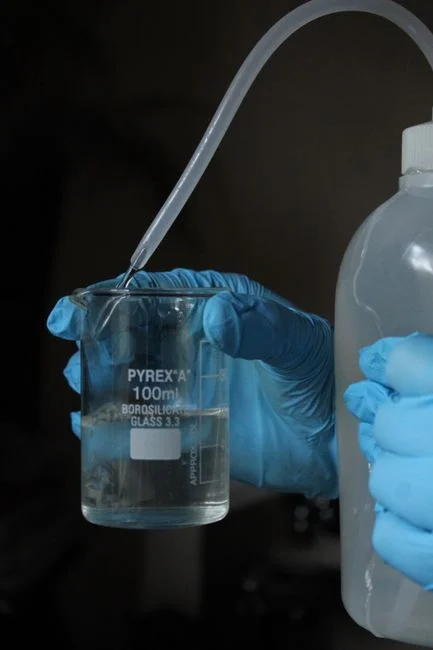
A complete food-processing wastewater treatment train divides the compliance burden among physical, biological and polishing stages; no single unit should be assigned responsibility for every pollutant. Screening protects pumps and downstream biology, while equalization buffers production surges and clean-in-place chemical loads before they upset biological treatment, according to Hixson’s food-processing wastewater guidance.
DAF is the normal pretreatment step for suspended solids, FOG and colloidal material. Hixson cites optimized poultry results of 74% suspended-solids removal and 99% oil-and-grease removal. More recent poultry data cited by the same source report up to 99% TSS removal, 85% BOD₅ reduction and 98% phosphate removal with proper coagulant selection and operation. These are study results under stated conditions, not guaranteed Moorhead permit performance. An industrial DAF system for FOG and suspended-solids pretreatment should therefore be specified around verified raw-water characteristics and conditioning requirements.
Activated sludge or SBR provides aerobic BOD and COD removal. Anaerobic treatment is an energy-recovery option for sufficiently high-strength streams; Hixson reports food-processing COD removal of 89.8–96.5% and methane yields of 0.27–0.33 liters CH₄ per gram of COD removed. An integrated MBR wastewater treatment system combines activated sludge with membrane filtration where solids separation or reuse requirements justify the added control and maintenance burden. Hixson cites beverage pilot studies with effluent COD of 16.9 mg/L, TSS of 3.8 mg/L and COD removal of 92.6%.
| Pollutant or condition | Primary treatment step | Design evidence | Acceptance evidence |
|---|---|---|---|
| Solids and debris | Screening, grit removal and equalization as required. | Peak flow, solids inventory and downstream protection requirements. | Screen differential and solids inventory at documented peak flow. |
| TSS and FOG | DAF with defined coagulant conditioning. | Raw TSS and FOG, forward flow, recycle and surface loading. | Representative raw and treated samples using the agreed method. |
| BOD and COD | Activated sludge, SBR or MBR; consider anaerobic pretreatment for suitable high-strength streams. | Influent organic load, HRT, MLSS, DO and process-control requirements. | Performance test during representative production and cleaning periods. |
| Total phosphorus | Biological uptake or removal plus chemical precipitation if required by the confirmed limit. | Phosphorus form, alkalinity, flow and chemical demand. | Jar or pilot dosing study followed by process acceptance samples. |
| pH | Equalization and controlled chemical trim. | Raw pH range, chemical streams, mixing and discharge timing. | Continuous trend with calibrated instrument verification. |
| Temperature | Equalization and biological-system temperature management. | Raw temperature range, heat contribution and biological design temperature. | Temperature record and simultaneous biological performance evidence. |
Use if-then logic in procurement. If the confirmed permit limit is met by biological treatment and DAF under verified loads, add polishing only where the residual solids or phosphorus requirement demands it. If the plant needs reuse or very tight solids control, evaluate MBR. If a high-strength stream can be isolated, evaluate anaerobic recovery separately from the permit-compliance train.
Size equipment with verified design inputs
Equipment bids become comparable only when suppliers use the same influent data, governing limits and operating scenarios. HydropureWater’s supplied DAF guidance identifies forward flow, peak-to-average ratio, raw BOD and raw FOG as sizing inputs. It gives typical DAF surface loading of 4–25 m/h depending on influent FOG and TSS, recycle of 20–40% of forward flow and an air-to-solids ratio of 0.005–0.02. These ranges are design guidance, not Moorhead discharge limits.
The same guide gives biological design ranges of 8–24 hours HRT for conventional activated sludge and 4–10 hours for MBR. It states MLSS of 3,000–5,000 mg/L for conventional systems and 8,000–12,000 mg/L for MBR, with a nitrification DO setpoint of 1.5–2.5 mg/L. Each proposal must show which load and temperature assumptions produce those values and whether the selected configuration remains stable during cleaning discharges.
For phosphorus precipitation, the supplied application ranges are 50–250 mg/L alum or 30–150 mg/L ferric chloride. The final dose must be established through jar or pilot testing because phosphorus form, mixed-liquor alkalinity and treatment chemistry determine actual demand.
| Bid item | Required design submission | Acceptance check |
|---|---|---|
| DAF | Forward flow, peak-to-average ratio, raw BOD, raw FOG, selected surface loading and recycle ratio. | Demonstrate treatment of the documented peak and representative load; report removals from paired samples. |
| Equalization | Average flow, 30-minute peak flow, production and cleaning volumes, usable storage and release schedule. | Confirm usable volume, mixing performance and controlled discharge during the specified event. |
| Biological system | Influent load, selected HRT, MLSS, DO, sludge handling and temperature basis. | Stable treatment and sludge settleability during representative loading. |
| MBR, if selected | Hydraulic and organic duty, membrane area, flux basis, cleaning cycle and solids inventory. | Confirm effluent solids and organic removal over the agreed acceptance period. |
| Phosphorus chemical system | Raw phosphorus, alkalinity, selected chemical, jar or pilot results and dose-control logic. | Meet the confirmed phosphorus limit without compromising pH or solids separation. |
Turn the permit into procurement and acceptance criteria
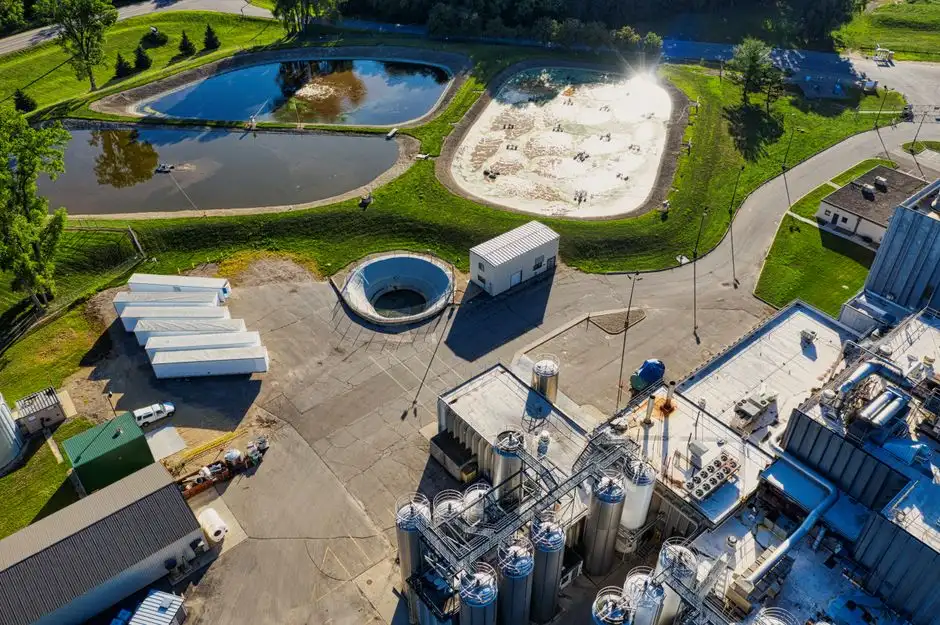
The permit should become a traceable procurement matrix rather than a performance disclaimer. Every pollutant, design input, monitoring obligation and acceptance test needs a named owner. This is how a buyer distinguishes a verified obligation from a design assumption and prevents an equipment supplier from shifting unresolved limits into commissioning.
Moorhead permits may require inspection and sampling facilities, pretreatment operation and maintenance, monitoring programs, technical or discharge reports, records, best management practices and compliance schedules. Put those conditions in the bid specification and identify which are existing facility responsibilities and which require supplier scope. The permit application timetable must precede fabrication and delivery because Moorhead requires a new user to apply at least 90 days before connecting or discharging.
Do not accept “compliance guaranteed” without a measurable test. Tie factory acceptance, site performance and guarantee testing to the issued permit, representative production and cleaning periods, defined sampling locations and agreed analytical methods. Require calibration and verification records for continuous pH and flow instruments, along with laboratory documentation for constituent samples.
| Pollutant | Raw characterization and governing limit | Treatment step, design duty and sample point | Acceptance test and sign-off owner |
|---|---|---|---|
| BOD | Laboratory result; confirmed categorical and permit limit. | Biological loading; permit sampling point; composite method specified by permit. | Representative paired samples; environmental engineer and city permit reviewer. |
| COD | Laboratory result; confirmed categorical and permit limit. | Biological or anaerobic loading; agreed sampling point and method. | Representative paired samples; process engineer signs calculation and laboratory report. |
| TSS | Laboratory result; confirmed categorical and permit limit. | DAF, clarification and optional membrane duty; permit sample point. | Paired raw and final samples; DAF or MBR supplier signs performance calculation. |
| FOG | Laboratory result; confirmed categorical and permit limit. | DAF conditioning and skimming; specified composite protocol. | Representative samples and skum handling record; environmental manager signs results. |
| Total phosphorus | Laboratory result; confirmed permit limit. | Biological uptake or chemical precipitation; permit sampling point. | Jar or pilot basis plus acceptance sample; chemical-system supplier signs dose-control test. |
| pH | Raw range; confirmed permit limits. | Equalization and trim system; continuous measurement location. | Calibration and continuous trend; controls lead signs instrument verification. |
| Temperature | Raw range; confirmed permit limit. | Equalization and biological-system duty; continuous measurement location. | Continuous trend during representative production and cleaning events; process engineer signs. |
Before purchase order release, obtain the issued Moorhead permit, a written categorical-standard applicability determination, representative wastewater characterization, the agreed process train, supplier design calculations and a signed acceptance plan. If any limit remains unconfirmed, mark it as a procurement hold point rather than inserting an assumed value.
Frequently Asked Questions
Does the Moorhead ordinance provide the numerical sewer limits for a food plant?
No. The supplied Moorhead ordinance establishes permit, application, monitoring and compliance duties, but it does not disclose the numerical constituent limits applicable to an individual plant. Obtain the issued wastewater discharge permit and written confirmation from the city before final equipment sizing. Use the stricter of the applicable categorical standard and site-specific permit requirement in the design basis.
Why should DAF capacity not be based on average daily wastewater flow?
Food-processing production, batch changes and clean-in-place cycles can create flow and load conditions unlike the daily average. Size DAF from documented forward flow, peak-to-average ratio, raw BOD and raw FOG, then check the selected surface loading and recycle ratio against the documented peak. Average flow remains an input, but it does not establish peak hydraulic or treatment duty by itself.
What should a supplier provide to demonstrate performance of a multi-stage pretreatment train?
Request design calculations tied to the verified influent, equalization sizing for production and cleaning events, DAF loading and conditioning, biological loading and control, and polishing requirements for the confirmed permit limits. Also require paired raw and treated sampling methods, continuous instrument calibration records, FAT checks, a site acceptance protocol covering representative production and cleaning periods, and signed responsibility for every performance result.
What should a buyer request when comparing cost and supplier selection?
Request itemized capital pricing, installed equipment scope, civil and utility exclusions, chemical consumption assumptions, sludge handling, maintenance spares, controls integration, commissioning labor, operator training, schedule and any performance warranty. No supported plant-specific quotation or budget range is available in the supplied research, so request a quote based on the same verified wastewater data and confirmed permit values used in every bid. A lower equipment price should not be accepted if it excludes the equalization, monitoring, sampling, controls or acceptance work needed for the permit.