

Is a Screw Press the Right Choice for Textile Sludge?
Screw press dewatering is a viable option for textile-industry sludge when a plant requires continuous mechanical separation and can control feed consistency, screen selection, torque, and screw pitch. The decision should be based on sludge characteristics, required throughput, cake discharge route, space, and maintenance access rather than a generic performance percentage. One commercial reference reports 23–30% discharge cake solids and 200% increased throughput using pre-thickeners, but that result is not a textile guarantee. A textile-specific trial or written supplier guarantee must confirm performance on the actual sludge.
Textile sludge is not a standardized feed. It contains fibers, pigments, dyes, grit, process chemicals, and variable solids concentrations depending on the production route and upstream treatment. HUBER identifies screw presses as continuous sludge-dewatering systems for industrial and municipal wastewater, but that broad classification does not establish suitability for a particular textile stream. The first decision is whether the plant can provide a representative feed and define its disposal constraints, rather than whether the equipment is described as continuous.
The supplier should identify in writing which inputs affect the proposed guarantee. That statement must connect feed consistency, pretreatment, screen selection, screw configuration, and operating control to expected throughput and cake discharge consistency. If the offer does not disclose these conditions, it is not a complete technical offer.
Use the sludge dewatering equipment supplier decision framework to structure the request, keeping the comparison limited to equipment supported by evidence from the plant’s actual sludge. A municipal reference can demonstrate a configuration; it cannot substitute for textile acceptance testing.
Build a Textile Sludge Profile for Suppliers
A supplier cannot configure a screw press reliably without the plant’s specific sludge profile. Collect representative samples across production conditions rather than relying on generic textile-wastewater figures. The profile below converts missing plant information into a written quotation basis and identifies the supplier response needed for each item.
| Plant input | Evidence or data required | Supplier confirmation required |
|---|---|---|
| Feed flow and operating pattern | Measured or plant-record flow, operating hours, batch or continuous production, and expected variability | Design feed basis, throughput basis and treatment of peak and low-flow conditions |
| Solids and physical characteristics | Plant solids data and representative sample results covering solids, fiber content, viscosity and contaminants | Assumed feed-solids condition, conditioning requirement and effects on the proposed configuration |
| Solid and equipment risks | Observations on fiber type, grit, dyes and process chemicals | Screen or filtration-medium selection, material compatibility, blinding, wear and cleaning strategy |
| Upstream treatment | Existing thickening or chemical-conditioning arrangements | Whether DAF pretreatment for textile wastewater is present, relevant or required |
| Cake handling | Required cake destination, available space, access route and utilities | Discharge arrangement, containment, installation envelope and utility requirements |
| External requirements | Receiving sewer or disposal-site requirements, noise constraints and applicable local pretreatment or handling rules | Scope of supply and list of compliance assumptions |
Feed consistency must be stated as an operating condition rather than a preference. The configuration evidence identifies feed consistency, torque settings, screen selection, and screw pitch design as key screw-press factors, so the quotation must explain how each one responds to the proposed textile feed.
Ask whether pre-thickening or chemical conditioning is necessary, and require the supplier to show how that conclusion was reached. Do not adopt a municipal reference result as evidence that pre-thickeners will produce the same outcome at the textile plant. The required answer is an application-specific treatment train tied to measured feed data.
Specify the Screw Press Around Performance Variables
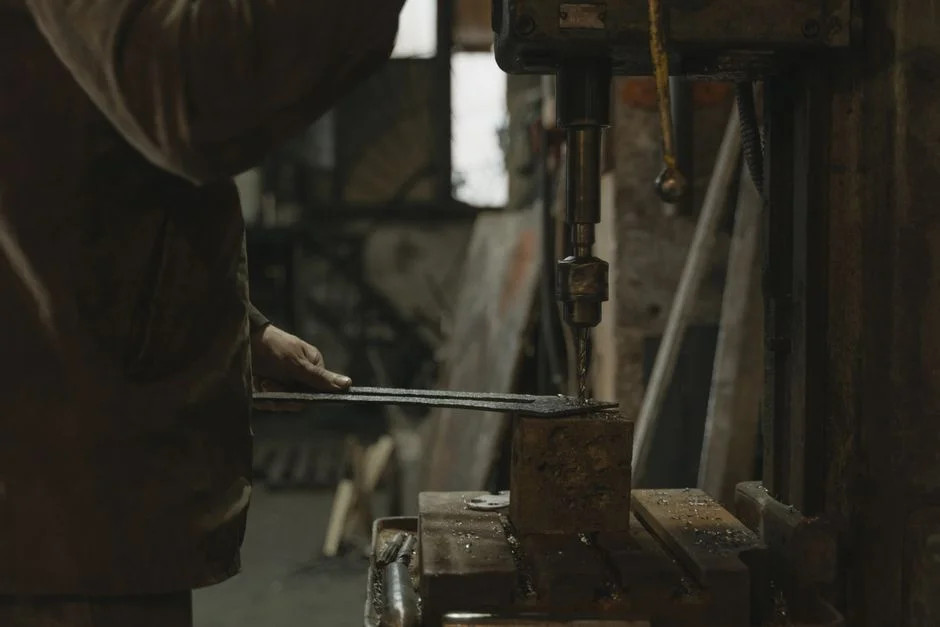
A comparable specification exposes the variables that control screw-press performance. The configuration identifies torque settings, screen selection, screw pitch design, and feed consistency as central factors; these must appear as separate design and operating requirements in every supplier’s technical schedule.
| Specification item | Information to state in the quotation | Acceptance evidence |
|---|---|---|
| Torque and drive | Available torque range, drive arrangement, overload response and required operating control | Documented operating setting for the test feed and response to feed variation |
| Screen or filtration medium | Medium or geometry selected for the actual sludge, exposure to fibers, grit and contaminants, and cleaning method | Named configuration plus inspection and cleaning procedure |
| Screw pitch design | Pitch arrangement, adjustment provision and relation to feed properties | Supplier engineering rationale and trial observations |
| Feed consistency | Acceptable solids range, viscosity basis, variability and any conditioning or pre-thickening assumption | Defined feed conditions for every throughput and cake-solids claim |
| Performance basis | Throughput basis, feed-solids basis, expected cake consistency and test conditions | Written calculation and acceptance-test protocol |
| Operations and maintenance | Unattended-operation capability, enclosure, access, wear-part list, availability and containment | Operating manual, maintenance schedule and spare-part commitments |
Screen selection requires an explicit discussion of textile-specific risks. The supplier must explain how fibers may bridge or blind openings, how grit may increase wear, and how dyes or process chemicals may affect material selection and cleaning. A generic statement that the screen is “suitable for sludge” is insufficient.
For every performance claim, ask: what feed-solids concentration was used, what flow was measured, how long was the test, and how was cake solids determined? Also, verify whether the result includes the effect of pre-thickening, chemical dosing, or an existing upstream process.
Operational requirements belong in the same schedule. BDP Industries describes its screw press as enclosed and emphasizes unattended operation, low maintenance, and integrated access. These features must be translated into clear plant obligations: containment, safe access, cleaning access, utilities, control interface, wear-part service, and the evidence required for an unattended operating mode. The plate-and-frame sludge dewatering alternative should also be evaluated against the same operating controls rather than a general equipment description.
Compare Screw Press and Plate-and-Frame Options
Neither equipment type is universally preferable because no single solution dominates cost or performance for textile sludge. The selection depends on continuous-feed capability, operating control, labor, utilities, footprint, cake handling, and the plant’s ability to manage variable feed.
| Decision factor | Screw press | Plate-and-frame filter press |
|---|---|---|
| Operating pattern | Prioritize when continuous sludge dewatering is required and feed consistency can be controlled | Compare when batch or staged operation is acceptable and an alternative mechanical separation method is needed |
| Control | Evaluate torque, screw pitch, screen and feed-control response as linked operating variables | HydropureWater lists manual, hydraulic and fully automatic PLC-controlled operation |
| Equipment scale | Require the supplier to size the configuration from the textile feed and throughput basis | HydropureWater lists filtration areas from 1 m² to 500 m² |
| Containment and access | Evaluate an enclosed arrangement, maintenance access and unattended-operation requirements | Evaluate plate handling, opening or closing sequence, washdown and operator access |
| Commercial basis | Require application-specific guarantees and site-trial acceptance | Request a project-specific comparison against the same feed and disposal requirements |
Request a comparison of footprint, utilities, labor, washdown, wear parts, downtime, and expected cake handling. For the plate-and-frame route, include the labor and cycle consequences associated with manual, hydraulic, or PLC-controlled operation. For the screw press, include the controls needed to prevent poor feed conditions from producing unstable separation.
The supplier should price the complete operating envelope rather than the machine alone. Any recommendation must remain conditional on the same representative textile feed, operating hours, cake destination, and pretreatment assumptions used for both options.
Write Acceptance Tests Before the Equipment Is Approved
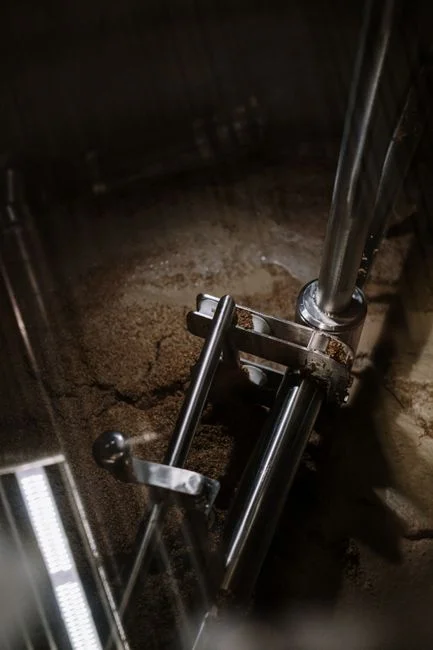
Acceptance criteria must define the feed, operating period, and measurement method before purchase approval. A bare cake-solids percentage is incomplete because it does not reveal the feed condition, throughput duration, or sampling basis behind the result.
Set the test protocol in the purchase specification. State the feed-solids condition, measured flow, operating duration, operating hours, pretreatment and chemical-conditioning conditions, cake sample location, sample method, and acceptance owner. Identify whether the supplier or plant provides instrumentation, sampling, and operator attendance. Do not approve a machine against an unqualified historical figure.
BDP Industries reports 23–30% discharge cake solids and 200% increased throughput with pre-thickeners at a municipal installation. This evidence supports considering pre-thickening as part of a system comparison, but it does not guarantee the same results for textile sludge because the source, feed, and configuration differ.
The academic work Development of dewatering textile materials incorporating slit-pore geometries (Environmental Technology, 2018) examined engineered textile filtration media with defined slit-pore geometries. Use this as supporting research when assessing filtration behavior and material selection, rather than as proof that a commercial screw press will meet textile requirements.
The methods to reduce sludge volume can help structure the wider treatment train, but the contractual acceptance test must remain tied to the actual textile sludge and the selected equipment configuration.
Frequently Asked Questions
How should a supplier be selected for textile sludge dewatering?
Ask for textile-sludge references or representative testing, then require the supplier to identify which feed, pretreatment, and operating conditions affect the guarantee. Do not accept a generic installation list as the sole qualification basis.
What data is needed to size a screw press?
Provide representative flow and solids data, operating hours, production pattern, and feed variability. Require the supplier to state the throughput basis, feed-solids basis, screen choice, torque provision, and all pretreatment assumptions.
How should equipment cost and lifecycle cost be compared?
Request a lifecycle comparison covering equipment, installation, polymer, power, washdown, wear parts, labor, and downtime. No universal cost figure is supported by the research, so ask for written assumptions behind any quotation.
What compliance information is needed before approval?
Identify the receiving sewer or disposal site and obtain the applicable local pretreatment and sludge-handling requirements. Require the responsible plant authority to confirm the project’s compliance basis.