Confirm the Brookville control path before choosing equipment
EV and auto plants near Brookville meet pretreatment requirements by treating industrial wastewater at the property before discharge to the public sewer, controlling pH, oil and grease, suspended solids, metals, and soluble pollutants. The applicable design basis is the Brookville POTW discharge permit and local limits, not a generic EV treatment standard. Brookville’s enacted code sets pH at 6.0–10 and lists daily-maximum metal limits, including 0.10 mg/L copper, 0.15 mg/L lead, and 0.50 mg/L zinc. Industrial users must provide and maintain compliant treatment at their expense, submit plans for Town approval, and implement equalization, interceptors, or sampling structures when required. This sequence separates verified obligations from missing plant data before procurement.
Begin by obtaining the current Brookville industrial wastewater discharge permit and confirming whether the facility is classified as an industrial user or significant industrial user. The permit is the operative control document: it can establish monitoring points, sampling frequency, discharge limits, flow restrictions, and approval conditions that may be more stringent than the general code. Brookville’s § 51.127 prohibits pollutants that cause pass through or interference, and it reserves authority to impose stricter permit conditions.
Brookville requires affected industrial users to provide the facilities needed for compliance, operate and maintain them at the user’s expense, and submit treatment plans, operating procedures, and equipment drawings for Town review before construction. The Town may require a storage and flow-control facility for equalization, separate industrial and sanitary streams, interceptors for grease, oil, or sand, gas detection where flammable substances may be discharged, and an accessible, watertight sample manhole.
Do not assign a categorical pretreatment standard based only on the label “EV” or “automotive.” The supplied Brookville research does not establish that an EV or auto plant falls automatically under the petroleum refinery category. Instead, determine the plant’s actual industrial processes, categorical status, and permit conditions, then map those requirements to treatment. The fabricated metals wastewater pretreatment guide and the metals wastewater pretreatment for sewer discharge provide useful adjacent engineering context, but neither replaces the Brookville permit.
| Control item | Verified Brookville requirement | Design-basis entry | Status |
|---|---|---|---|
| Discharge classification | Industrial-user or significant-industrial-user status is determined through the POTW control mechanism. | Permit number; classification; effective dates | Obtain from Town |
| pH | Discharge must not be below 6.0 or above 10. | Source range; target; alarm setpoints | Plant data required |
| Metals | Daily maxima include copper at 0.10 mg/L, lead at 0.15 mg/L, zinc at 0.50 mg/L, and other listed metals. | Representative influent; target residual | Permit and testing required |
| High-strength wastewater | 225 mg/L TSS, 200 mg/L CBOD5, 20 mg/L ammonia-N, 500 mg/L COD, and 5 mg/L phosphorus are identified as surcharge triggers, not permission to discharge. | Maximum concentration; mass load; surcharge exposure | Characterization required |
| Dilution | Increasing process water or diluting a discharge cannot substitute for adequate treatment unless expressly authorized. | Antidilution controls and mass limits | Include in plan |
| Approval | Treatment plans, procedures, and equipment drawings require Town approval before construction. | Submission dates; drawing register; approval comments | Track through construction |
Turn each EV and auto stream into a design load
Equipment should be selected from a verified stream inventory and peak-load model, not from the plant’s average daily discharge. For an EV manufacturing wastewater and automotive plant industrial discharge, list process wastewater, wash water, paint and coating wastewater, battery or electrolyte streams, cooling water, compressor condensate, floor drainage, and sanitary wastewater. Mark each stream as sewer-permitted, diverted, or pending authorization. Brookville § 51.127 specifically prohibits stormwater, surface water, groundwater, roof runoff, condensate, deionized water, non-contact cooling water, and unpolluted wastewater unless specifically authorized by the Town Council.
For every permitted industrial source, record average and peak instantaneous flow, batch volume, discharge duration, operating frequency, and seasonal variation. Calculate both concentration and pollutant mass load, because dilution can make a concentration appear compliant without reducing the mass reaching the POTW. The petroleum-bulk-plant guidance reports that slug loads can reach 3–5 times the daily mean, but EV and automotive batches must be established from plant records rather than assigned that factor without verification. Where the permit requires it, use flow-paced composite sampling rather than relying only on grabs.
Characterization should cover oil and grease or FOG, pH, TSS, metals, COD, CBOD5, ammonia-N, and detergents or surfactants that may interfere with separation or biological treatment. Battery production wastewater and paint and coating wastewater require stream-specific attention because their metal content, paint solids, and chemistry can differ materially. Request representative testing during production and cleanup cycles rather than a single off-shift sample.
The procurement file should also include the current Brookville permit, 12 months of discharge monitoring, influent characterization, sewer map, slug history, and future production plans. These records determine whether the design must handle a recurring process load or an exceptional spill. A DAF versus clarifier for transportation equipment wastewater is useful for comparing physical separation, while the fabricated-metals guide supports a broader pretreatment review.
| Source or parameter | Permitted? | Average flow | Peak instantaneous flow | Batch volume and duration | Characterization | Data owner |
|---|---|---|---|---|---|---|
| Process wastewater | Confirm | Enter | Enter | Enter | Fill | Enter |
| Wash wastewater | Confirm | Enter | Enter | Enter | Fill | Enter |
| Paint and coating wastewater | Confirm | Enter | Enter | Enter | Fill | Enter |
| Battery or electrolyte wastewater | Confirm | Enter | Enter | Enter | Fill | Enter |
| Cooling, compressor, and floor drainage | Confirm | Enter | Enter | Enter | Fill | Enter |
| Sanitary wastewater | Confirm | Enter | Enter | Enter | Not industrial | Enter |
Match unit operations to the pollutants that can fail the sewer permit
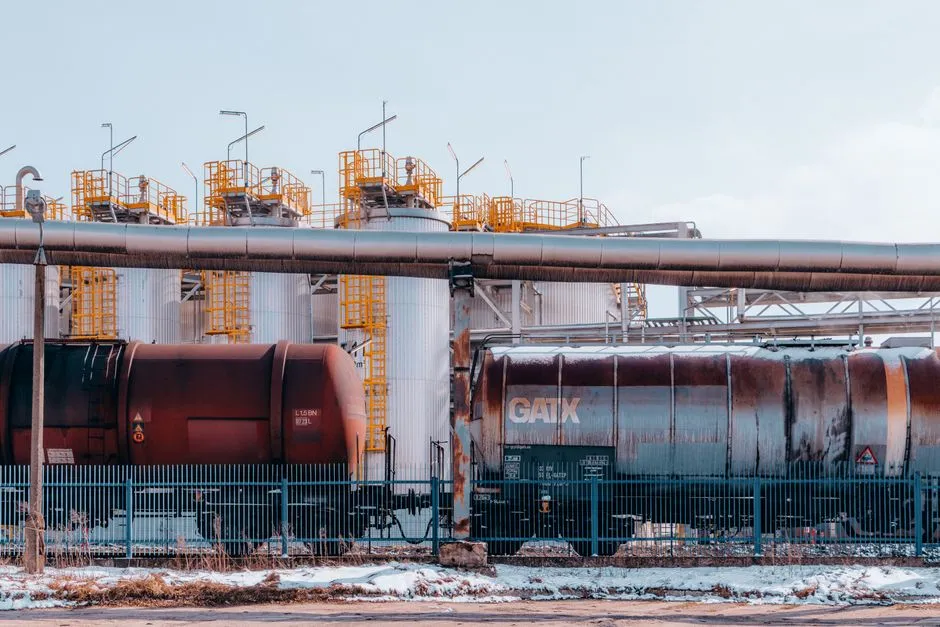
Segment the treatment train by contaminant behavior: remove free oil and settleable solids first, float emulsified oil and suspended solids next, buffer flow and pH excursions, and add biological, adsorption, or membrane treatment only where the permit and waste characterization require it. Source segregation is the first control. Keep clean stormwater, unpolluted cooling water, roof runoff, and unrelated sanitary flows out of industrial laterals, and use covered drains and controlled dump points where they cannot be admitted to the sewer.
For oil, FOG, and solids, evaluate an API separator or corrugated plate interceptor as primary separation ahead of DAF where free-oil slugs are credible. The petroleum guidance reports that DAF alone can be overwhelmed by free-oil slugs, while CPI alone rarely handles emulsified wash water effectively. That is a sequencing principle, not an EV performance guarantee. Final selection still requires representative oil droplet characteristics, flow, loading, and the Brookville permit residual.
Use equalization and pH control for variable batches and pH excursions. Brookville’s enforceable pH range is 6.0–10, but a control target should remain inside the permit with documented operating margin rather than sit at a limit. A PLC-controlled chemical dosing skid can interlock pH adjustment with alarms and discharge hold logic, provided the chemical selection follows raw-water chemistry and the permit.
Use biological treatment, adsorption, or membranes only where soluble pollutants require additional removal. The permit may control parameters not identified by the plant’s initial inventory, and a technology cannot be selected from a generic residual claim. Representative testing must establish whether organics, ammonia, dissolved metals, or surfactants require another unit operation. For metals and other contaminants not reliably removed by physical separation, the treatment objective must trace back to the applicable permit parameter.
Brookville’s 225 mg/L TSS threshold is a high-strength surcharge trigger, not a categorical permission to discharge at that concentration. The code also identifies 200 mg/L CBOD5, 20 mg/L ammonia-N, 500 mg/L COD, and 5 mg/L phosphorus as surcharge triggers and reserves the right to prohibit high-strength wastewater when it may upset, overload, or damage the collection system.
| Problem | First control to evaluate | Next treatment step | Acceptance evidence |
|---|---|---|---|
| Free oil | Segregation and controlled dumping | API separator or CPI | Representative load and outlet oil result |
| Emulsified oil, FOG, and solids | Primary separation | DAF | Flow, oil, solids, and residual testing |
| Flow or pH excursions | Equalization | pH control | Batch simulation and control narrative |
| Dissolved or soluble pollutants | Source characterization | Biological, adsorption, or membrane treatment as justified | Permit-linked residual and side-stream plan |
| Metals | Stream segregation and source control | Technology selected from wastewater chemistry | Representative metals data and residual |
Size the system for slugs, not just daily averages
Hydraulic acceptance should be based on the highest credible combination of instantaneous flow and batch discharge, with the operating sequence checked for treatment upset during filling, transfer, and return to service. The petroleum-bulk guidance reports that slug loads can reach 3–5 times the daily mean; that is a screening reference, not a Brookville design factor. Use measured plant data to establish the design case and state the selected duration and batch volume in the design report.
Calculate concentration and mass loading for oil and grease, TSS, COD, and each permit-controlled contaminant. A DAF selected only by flow can be undersized when a small batch carries a high solids or oil mass. The size basis should therefore identify peak flow, peak pollutant loading, required treatment sequence, target residual, and operating margin. For an industrial DAF system, the equipment proposal must trace these inputs to the selected model rather than quote a catalog range.
Set procurement acceptance criteria around demonstrated performance with representative wastewater or documented vendor testing, hydraulic capacity for the approved peak case, control interlocks, sampling provisions, and maintainability. The DAF should include a clear relationship between recycle flow, solids or oil loading, and flotation performance. The supplier should state what site data must be supplied before the model is fixed.
For chemical addition, define the required variable—pH, coagulant, demulsifier, or another treatment chemical—before selecting the dosing skid. Automatic controls should include high- and low-setpoint alarms, permissive logic with pumps and mixers, verification of chemical availability, and a documented fail-safe response. Slug-control logic should be reviewed with operators and tied to the permit and accidental-discharge response plan.
| Design input | Required value or record | Acceptance test | Responsible party |
|---|---|---|---|
| Peak instantaneous flow | Measured or justified design case | Hydraulic check at approved peak | Plant engineer |
| Batch volume and duration | Source-by-source inventory | Fill, transfer, and drawdown review | Plant engineer and supplier |
| Oil and solids loading | Representative concentration and mass load | Vendor performance calculation or test | Supplier |
| Target residual | Permit-linked, with operating margin | Representative wastewater test | Plant engineer |
| Dosing controls | Setpoints, interlocks, alarms, fail-safe | Factory acceptance and site functional test | Supplier |
| Slug response | Batch isolation and discharge hold sequence | Operator drill and signed procedure | Plant operations |
Build the compliance package with the treatment system
Treatment equipment becomes defensible only when it is tied to an auditable monitoring, sampling, and operating package. Brookville requires a suitable control manhole when the Superintendent determines it is necessary. The structure must be accessible, watertight, sealed at joints, seams, risers, and the frame, and approved by the Superintendent. Required meters and appurtenances must support observation, sampling, and measurement at the discharge point.
Create a permit-compliance register with one row for every monitoring requirement: parameter, limit, averaging basis, sample type, frequency, method, reporting deadline, responsible person, and record location. Use flow-proportional composite sampling where the permit requires it. If the permit specifies EPA Method 1664A for oil and grease or HEM, preserve the required sample handling and analytical method. The current permit must determine the exact method and frequency; a general guide cannot supply a site-specific monitoring schedule.
Maintain calibration logs, chain-of-custody records, operator training, daily inspection records, slug-control procedures, accidental-discharge response documentation, and permit reports. The slug plan should identify likely sources, operator triggers, isolation steps, notification contacts, sampling requirements, restart authority, and corrective actions. Brookville prohibits dilution as a substitute for adequate treatment, so the record set should also support mass-load review where dilution has been questioned.
Before construction, submit treatment plans, operating procedures, equipment drawings, control narratives, monitoring locations, and proposed operating ranges to the Town for review. The approval file should preserve each comment, revision, and approval date. For comparable documentation practice, review the fabricated metals wastewater pretreatment guide and the metals wastewater pretreatment for sewer discharge, then adapt the records to Brookville’s enacted requirements and the plant’s actual permit.
Frequently Asked Questions
Which treatment train should an EV or automotive plant select?
Select source segregation, primary oil and solids separation, DAF where emulsified oil or floatable solids are confirmed, equalization, and pH control as the likely sequence. Add biological, adsorption, or membrane treatment only after representative testing and the permit identify a soluble-pollutant residual that physical treatment cannot meet. The applicable limits and prohibitions are in Brookville’s enacted § 51.127, subject to the current discharge permit.
What information should a supplier receive before pricing the system?
Request the current Brookville permit, stream-by-stream flow records, peak batch data, representative wastewater analyses, sewer map, desired residuals, monitoring requirements, available footprint, utilities, and future production changes. For DAF and chemical dosing, ask the supplier to show how actual peak flow, oil and solids loading, and control requirements produce the proposed configuration. A defensible quotation should identify assumptions and the site data still required.
How should a buyer compare cost and budget without inventing a generic price?
Request a scope-based quotation that separates primary separation, DAF, equalization, pH control, chemical storage and dosing, instrumentation, access structures, installation, commissioning, training, and maintenance. Also request operating inputs for chemicals, power, air, sludge or separated-solids handling, and consumable replacement. The supplied research provides no site-specific price, so a budget comparison is valid only when both proposals use the same verified flow, loading, residual, and permit scope.
What are the main compliance risks during procurement?
The principal risks are an incomplete stream inventory, undersizing around batch discharges, treating dilution as treatment, selecting a technology without representative wastewater data, and constructing before Town approval. Another risk is incomplete monitoring records, including missed flow-proportional composites, defective chain of custody, and absent calibration or operator-training logs. The 225 mg/L TSS and other high-strength thresholds are surcharge triggers, not permission to discharge; final acceptance should use the current permit and Brookville’s pass-through and interference prohibitions.