Start with the discharge route and industrial waste profile
No single train suits every high-COD trade waste in Rome. In 2026, manufacturers generally combine source segregation and equalization with FOG and solids pretreatment, biological treatment, and final clarification, membranes or polishing according to the discharge route. Food and beverage plants commonly use DAF followed by anoxic-oxic treatment; leather plants add chromium precipitation and sulfide oxidation; space-constrained sites may select MBR. MBBR research using 1,000–3,500 mg/L influent COD selected an 8-hour HRT and reported COD removal above 80%. Final design must comply with D.Lgs. 152/2006 Part III and the applicable sewer or surface-water limits.
The discharge destination sets the design basis before the equipment is selected. The supplied Rome 2026 guide identifies Part III Table 3 as the sewer route and Table 4 as the stricter route for direct discharge to the Tiber or Aniene. A surface-water project therefore cannot use the Table 3 sewer values as its acceptance criteria. Sector overlays, ARPA Lazio guidance and the site’s current AUA may impose additional conditions.
Characterization should follow the process source rather than classify every high-COD stream as generic trade effluent. Request COD, BOD₅, TSS, FOG, pH, total nitrogen, total phosphorus, metals, sulfides and toxicity data where relevant. Flow variability, temperature, batch discharges, readily biodegradable COD and inhibitory compounds should also be established during treatability testing. Use the DAF selection checklist for FOG and TSS to define pretreatment data requirements.
| Parameter | Table 3 sewer limit |
|---|---|
| COD | ≤ 160 mg/L |
| BOD₅ | ≤ 40 mg/L |
| TSS | ≤ 80 mg/L |
| Total nitrogen | ≤ 15 mg/L |
| Total phosphorus | ≤ 10 mg/L |
| Oils and fats | ≤ 20 mg/L |
| Total chromium | ≤ 2 mg/L |
| Sulfides | ≤ 1 mg/L |
These sewer limits are reported by the supplied HydropureWater Rome 2026 guide, which also states that ARPA Lazio’s self-monitoring schedule requires monthly composite sampling for flows above 100 m³/day under DGR Lazio 2025/118. The guide says AUA renewal is handled digitally through SUAP; the site’s current authorization and sector requirements should still be checked before design.
The same guide cites BOD₅ below 10 mg/L and TSS below 5 mg/L as reuse-grade targets associated with the water-reuse incentive. These are project-specific targets, not substitutes for the Table 3 sewer limits. Industrial water reuse must therefore be specified separately from sewer compliance, including the intended reuse application and its receiving specification.
Build the treatment train around the COD source
The defensible process sequence is source segregation, equalization, pH and toxicity control where needed, FOG or solids removal by DAF, biological COD reduction, secondary clarification or membrane separation, and polishing where required. Equalization smooths hydraulic, organic and pH loading. DAF removes floatable material before it impairs biological kinetics, aeration or membrane performance; it is pretreatment, not the complete biological COD solution.
For food and beverage plants, the supplied Rome 2026 guide reports influent COD of 2,000–8,000 mg/L and FOG of 500–2,000 mg/L. Its cited DAF stage removes 60–80% of FOG and 30–40% of suspended COD. That separation of duties matters: DAF protects the downstream anoxic and oxic stages, while the biological reactor addresses dissolved and biodegradable organic load.
Leather and tanning streams require a different upstream sequence. The same guide places chromium precipitation at pH 8.5–9 and sulfide oxidation before DAF and biological treatment. Chrome-bearing sludge must remain segregated for dewatering and potential recovery. This removes the need to rely on a generic biological train to deal with metals or sulfide.
Pharmaceutical and cosmetic plants around Pomezia use equalization, DAF, integrated MBR and RO polishing when reuse is required. Metal-finishing and electroplating streams need cyanide destruction, chromium reduction, pH adjustment, chemical precipitation, DAF and polishing; ion exchange may follow filtration where the residual-metal target requires it. An industrial DAF system for high-COD pretreatment can therefore serve several sectors, but its duty must match the waste profile.
Electrocoagulation is also an option to investigate, not a default. An MDPI AG study published in 2026 examined electrocoagulation for mineral-processing wastewater with initial COD of 424.29 mg/L and assessed both treatment and reuse potential. That evidence concerns a specific industrial stream and does not establish performance for Roman food, tanning or metal-finishing waste.
| Industrial profile | Sequenced train | Primary duty |
|---|---|---|
| Food and beverage | Equalization → FOG control → DAF → A/O | FOG, suspended COD and soluble organic load |
| Leather and tanning | Chromium precipitation → sulfide oxidation → DAF → biological treatment | Chromium, sulfide, FOG and COD |
| Pharmaceutical and cosmetic | Equalization → DAF → MBR → RO where required | Organic load, solids and reuse-grade polishing |
| Metal finishing | Destruction/reduction → precipitation → DAF → filtration → polishing | Specific toxic compounds and metals |
Compare DAF, A/O, MBBR and MBR for biological COD reduction
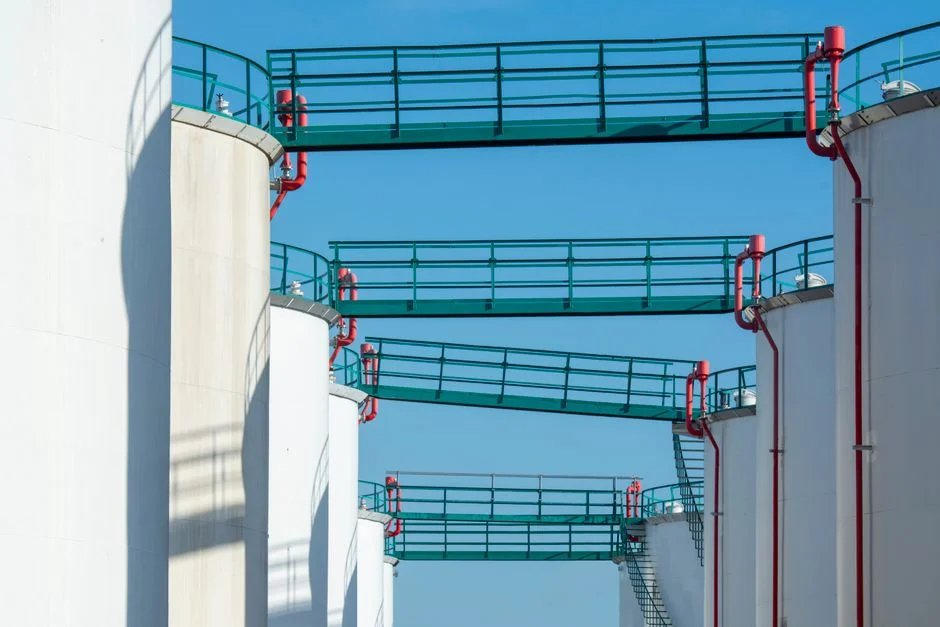
DAF, A/O, MBBR and MBR perform different duties, so their comparison should begin with the contaminant each unit must remove. DAF captures FOG, suspended solids and some colloidal COD. Anoxic-oxic treatment provides biological COD reduction and can support denitrification when the plant has the hydraulic configuration and carbon balance to do so. A moving bed biofilm reactor can provide compact biological treatment, while an MBR combines biological treatment with membrane solids separation.
The supplied MBBR study by Juniper Publishers examined influent COD of 1,000–3,500 mg/L and tested hydraulic retention times of 3, 5, 8 and 12 hours. It selected 8 hours as the optimum, with COD removal above 80%; at 12 hours, removal reached approximately 86%. The study also reported MBBR COD removal of 80%, compared with 60–70% for activated sludge process (ASP). These are study-specific results rather than universal equipment guarantees.
Temperature affected biological performance in that study. COD removal was approximately 72% at 19–21°C, approximately 92% at 27°C and 94% at 32°C. The reported change in slope between 20°C and 25°C explains why Roman plants should not select biological HRT from warm-season data alone.
MBR becomes attractive when footprint, solids separation or reuse quality outweigh the added membrane and operating complexity. The supplied Rome 2026 guide describes MBR as typically using 60% less footprint than conventional activated sludge with secondary clarification. That is an indicative comparison from the cited integrated MBR source, not a guaranteed saving for every plant.
| Option | Principal role | Selection consideration |
|---|---|---|
| DAF | FOG, suspended solids and colloidal COD removal | Specify by waste characteristics rather than treating it as the biological stage |
| A/O | Conventional biological COD reduction and potential denitrification | Identify as the standard biological stage for food and beverage applications in the Rome guide |
| MBBR | Compact biofilm-based biological COD reduction | Use the cited 8-hour study result as a design reference, not a performance guarantee |
| MBR | Biological treatment with membrane solids separation | Evaluate for constrained sites and reuse duties, including membrane replacement and fouling controls |
For MBR procurement, apply the submerged MBR design criteria and price membrane replacement as a lifecycle item. The supplied MBR membrane replacement cost and lifecycle savings guide provides a separate basis for that comparison rather than treating membrane purchase cost as the total MBR burden.
Match the train to Rome's main industrial profiles
Rome’s industrial clusters have distinct pretreatment duties, so the biological stage should be selected only after the upstream hazards have been controlled. The following configurations are archetypes derived from the supplied Rome 2026 guide, not fixed recipes. Final sizing must reconcile flow, composition, temperature, discharge route, reuse target and permit conditions.
| Cluster and sector | Configuration archetype | Decision driver |
|---|---|---|
| Tiburtina: food and beverage | Equalization → FOG stripper → DAF → A/O → sedimentation | DAF is the critical barrier for the cited FOG range of 500–2,000 mg/L |
| Castel Romano, Santa Palomba and Ardea: leather and tanning | Chromium precipitation → sulfide oxidation → DAF → SBR or MBBR | Keep chromium sludge separate and address metals before biological treatment |
| Pomezia: pharmaceutical and cosmetic | Equalization → DAF → integrated MBR → RO polishing where reuse is required | Separate sewer compliance from the specified reuse endpoint |
| Tivoli-Terme and Guidonia: metal finishing and electroplating | Cyanide destruction → chromium reduction → precipitation → DAF → filtration → ion exchange as applicable | Use compound-specific pretreatment rather than a generic COD train |
For food and beverage sites, an integrated MBR wastewater treatment system can replace clarification and provide a more compact installation, but it should be compared against A/O on footprint, reuse quality, membrane replacement, operator hours and sludge production—not selected from COD alone.
Leather plants should evaluate sulfide control separately before selecting a biological reactor; the supplied 2026 engineering buyer’s guide to sulfide removal covers that decision. Metal-finishing projects likewise need a discharge-specific polishing train; the supplied 2026 electroplating wastewater guide to ion exchange is relevant where residual metals require polishing.
Calculate CAPEX, OPEX and sludge-management exposure
Installed cost and lifecycle burden matter more than skid price. The supplied Rome 2026 guide gives three capital bands: €90,000–€180,000 for packaged 50 m³/day skids, €180,000–€1,200,000 for 100–500 m³/day plants, and €1,500,000–€2,500,000 for custom 1,000–2,000 m³/day trains including civil works.
The same guide allocates CAPEX as civil works 25–35%, electromechanical 40–50%, automation 8–12%, and commissioning and validation 5–8%. It reports OPEX of €0.65–€1.80/m³, with energy at 40–55%, chemicals at 15–20%, sludge handling at 15–25%, and labor at 10–15%. These are 2026 Rome benchmarks from the supplied source, not quotations for a specific plant.
For MBR, the source reports energy consumption of 0.2–0.4 kWh/m³ and a resulting €0.04–€0.10/m³ energy-cost increment at the cited 2026 Italian industrial tariff of €0.18–€0.24/kWh. Include this energy demand, membrane cleaning and replacement, and the required operator attention in the comparison with conventional clarification.
| Cost element | 2026 Rome benchmark or scope |
|---|---|
| Packaged 50 m³/day skid | €90,000–€180,000 |
| 100–500 m³/day plant | €180,000–€1,200,000 |
| 1,000–2,000 m³/day custom train | €1,500,000–€2,500,000, including civil works |
| Total OPEX | €0.65–€1.80/m³ |
| MBR energy | 0.2–0.4 kWh/m³ |
DAF and chemical precipitation generate sludge that must be conditioned, dewatered and disposed of. Use the supplied 2026 filter-press selection and sizing guide for bakery wastewater to identify application-specific dewatering questions, and include a plate-and-frame filter press in the lifecycle comparison where the residual sludge is suitable.
The supplied guide states that Legge 207/2024 can provide a 30–40% CAPEX credit for qualifying projects demonstrating more than 50% water reuse, together with the other stated eligibility conditions. Treat this as conditional, subject to verified eligibility; it is not an automatic budget reduction.
Use a 12-point supplier selection checklist before ordering
A comparable bid should define the same influent, destination, guarantees and scope. The following 12-point checklist turns that requirement into a procurement instrument rather than accepting generic compliance or performance statements.
- State the characterized influent used for every process guarantee.
- Identify the legally applicable sewer, surface-water or reuse limits.
- Guarantee hydraulic capacity at the specified flow profile.
- Guarantee relevant contaminant removal at design load.
- Define turndown, equalization and upset-load operation.
- State redundancy and future expansion provisions.
- Include equalization, DAF, biological treatment, clarification or membranes, polishing, controls, chemical storage, sludge handling, utilities and installation.
- Compare installed CAPEX and lifecycle costs, including energy, chemicals, sludge disposal, maintenance, membrane replacement, operator hours and monitoring.
- Provide local permit experience and identify applicable D.Lgs. 152/2006, AUA, ARPA Lazio and SUAP documentation.
- Make acceptance testing, operator training, PLC documentation, spare parts, remote support and emergency response contractual deliverables.
- Define sludge handling, dewatering, storage and disposal responsibilities.
- Require validation through site surveys, permits and treatability testing; influent COD alone is not a sufficient basis for selection.
The 2026 engineering guide to PLC controls for chemical wastewater plants supports the automation and documentation review. Permits, site surveys and treatability tests remain separate project activities: no supplier’s equipment selection or performance guarantee should substitute for them.
Frequently Asked Questions
What sewer-discharge limits apply to high-COD industrial effluent in Rome in 2026?
The supplied Rome 2026 guide reports D.Lgs. 152/2006 Part III Table 3 sewer limits of COD ≤160 mg/L, BOD₅ ≤40 mg/L, TSS ≤80 mg/L, total N ≤15 mg/L, total P ≤10 mg/L, oils and fats ≤20 mg/L, total Cr ≤2 mg/L and sulfides ≤1 mg/L. Table 4 governs surface-water discharge and is stricter for the Tiber or Aniene route. The cited reuse values of BOD₅ below 10 mg/L and TSS below 5 mg/L are project-specific targets, not universal sewer limits. Check the current AUA and applicable sector conditions.
How much should a manufacturer budget for an industrial wastewater treatment plant in Rome?
The supplied 2026 Rome benchmarks are €90,000–€180,000 for a packaged 50 m³/day skid, €180,000–€1,200,000 for a 100–500 m³/day plant, and €1,500,000–€2,500,000 for a custom 1,000–2,000 m³/day train including civil works. The same source reports OPEX of €0.65–€1.80/m³, driven mainly by energy, chemicals, sludge handling and labor. Request an installed quote with civil works, utilities, sludge disposal and validation separately identified.
How should a plant be sized for a high-COD trade effluent?
Reconcile the characterized flow and contaminant load with DAF hydraulic capacity, biological loading and HRT, membrane area where applicable, and the selected compliance or reuse endpoint. Ask each bidder to reconcile these values with its proposed equipment. The cited MBBR and electrocoagulation findings are design evidence for their tested streams, not guaranteed performance for every trade effluent.
What should procurement verify before selecting a wastewater-treatment supplier?
Require guarantees tied to the site-specific influent, permit destination, installed scope and lifecycle evidence. Check proof of local permit experience, acceptance testing, operator training, PLC documentation, spare parts, remote support, sludge responsibilities and emergency response. Permit applicability, site surveys and treatability testing must be confirmed before final equipment selection.