
What can—and cannot—be concluded about the Hyundai plant
The available evidence does not establish a defensible DAF flow capacity for Hyundai’s new auto plant in Malaysia. Capacity must be calculated from the plant’s wastewater-generation rate, peak and off-shift flows, oily and suspended-solids loading, treatment targets, and operating redundancy. A DAF package must include air supply, a pressurizing pump, retention tank, and flotation chamber; the treatment flow is only one part of sizing because contaminant loading can govern equipment dimensions. HydropureWater’s standard DAF range is 4–300 m³/h across 13 models, while published operating guidance specifies 3–6 bar saturation, 20–100 μm bubbles, and 20–60 minutes of retention. A final capacity recommendation therefore requires Hyundai’s approved wastewater mass balance and treatment-performance criteria.
Three items can be stated now. First, DAF separates suspended particles from liquids by bringing them to the liquid surface, according to Palaniandy, Adlan, Aziz, Murshed, and Hung in the academic chapter “Dissolved Air Flotation for Wastewater Treatment” (2017). Second, HydropureWater’s 2026 DAF system engineering specifications list a standard range of 4–300 m³/h across 13 models. Third, the same guide specifies 3–6 bar saturation pressure, 20–100 μm bubble size, and 20–60 minutes of retention.
None of those facts identifies Hyundai’s Malaysian plant wastewater flow, automotive-process wastewater characteristics, peak-to-average ratio, required DAF removal efficiency, or downstream discharge and reuse criteria. Vehicle production data alone cannot establish those inputs. The defensible next step is a traceable calculation that links verified source flows and pollutant loads to the selected equipment.
The DAF sizing calculation for an automotive plant
DAF design flow is the rate of wastewater designated for flotation, not automatically the sum of every stream leaving the site. The following steps ensure the design accounts for all operational variables.
- Build the source-stream inventory. Separate vehicle wash, floor and equipment washing, paint-preparation or body-shop wastewater if present, cooling-water blowdown, sanitary flow, and storm-water or once-through flows. Do not route stormwater or clean cooling water through DAF unless the approved process basis requires it.
- Document flow behavior. For each candidate stream, obtain average flow, maximum hourly flow, peak duration, operating days, and whether generation is continuous, batch, or intermittent. Use the approved flow-duration data rather than production rates alone.
- Calculate the DAF feed basis. Sum the average and peak flows of streams that will enter flotation after any upstream equalization or segregation.
- Check contaminant loading. Calculate TSS and oil-and-grease loads from the same streams using verified flow and concentration data.
- Apply operating strategy. Compare the minimum treatment flow with the recommended design capacity and the maximum installed capacity, including bypass provisions, available redundancy, and future growth.
For the hydraulic calculation, use a variable expression rather than an assumed peak or redundancy percentage:
Recommended DAF design flow = verified peak flotation-feed flow × specified operating-redundancy factor
The applicable factor must come from the plant operating strategy and the supplier’s duty calculation. This expression produces a procurement basis; it does not replace the separate solids and oil-loading checks. A unit may have sufficient nominal volume for the hydraulic flow but still require a larger flotation chamber, recycle system, or skimming mechanism because of contaminant duty. The industrial dissolved air flotation system should therefore be selected against both verified flow and verified loading.
| Worksheet item | Required input | Decision supported |
|---|---|---|
| Source-stream flow | Average, maximum hourly, peak duration, and generation pattern | DAF feed flow and peak-duration verification |
| Hydraulic duty | Verified peak flotation-feed rate and specified redundancy | Recommended design flow and installed capacity |
| Solids duty | TSS concentration, mass flow, and sludge characteristics | Flotation-chamber and skimming capacity |
| Oil duty | Free oil, emulsified oil, FOG concentration, and mass flow | FOG flotation and pretreatment requirements |
| Operating basis | Hours, maintenance strategy, bypass conditions, and expansion assumptions | Redundancy and skid arrangement |
Why wastewater characteristics can override the flow calculation
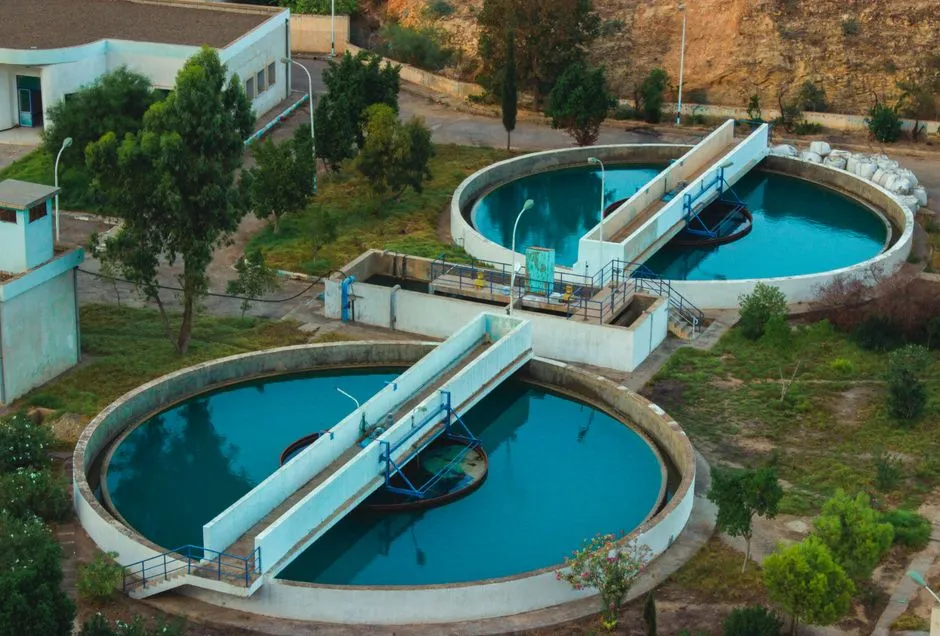
DAF suitability depends on wastewater characteristics as well as flow because the process removes material that must reach and remain on the flotation surface. Designers must account for the physical behavior of contaminants under pressure.
Palaniandy and colleagues (2017) describe DAF as separating suspended particles from liquids by bringing the particles to the surface. The same academic source identifies DAF as an alternative to sedimentation and reports better final water quality, rapid startup, higher operating rates, and thicker sludge. It also states that DAF requires less space than normal clarifiers and that modular components permit easier installation and setup. These are process characteristics, not evidence of performance at the Hyundai plant.
The sampling program should cover representative production, washing, and shutdown conditions. Required analyses include TSS, oil and grease, COD, pH, and temperature, together with parameters identified by the pretreatment designer. The investigation must distinguish free oil from emulsified oil and characterize suspended solids, colloids, and chemical pretreatment needs. A wash stream with modest average flow can still present a high instantaneous FOG load; a low-solids oily stream may require a different removal mechanism than a solids-heavy wash stream. The guide on selecting DAF for FOG and TSS is useful as a selection framework, but actual treatment targets must come from the verified analysis.
The receiving sewer, downstream treatment works, or reuse specification must also be identified before equipment selection. Its applicable limits for oil and grease, TSS, pH, and other discharge parameters should be obtained from the relevant Malaysian approval and receiving authority. No numerical discharge limit can be stated until that authority and permitted route are confirmed.
Match DAF equipment to the verified design envelope
The DAF equipment scope must translate verified hydraulic and contaminant duties into enforceable supplier guarantees. Procurement should focus on performance outcomes rather than standard catalog models.
Palaniandy and colleagues (2017) identify four major DAF components: air supply, pressurizing pump, retention tank, and flotation chamber. HydropureWater’s standard catalog boundary is 4–300 m³/h across 13 models, as stated in its 2026 DAF engineering guide; that range identifies available configurations, not the required Hyundai capacity. The guide also provides preliminary operating criteria of 3–6 bar saturation pressure, 20–100 μm bubbles, and 20–60 minutes of retention.
For automotive wastewater treatment, specify automatic skimming for FOG and suspended-solids recovery, but require the supplier to demonstrate that the proposed skimming and flotation arrangement meets the actual wastewater analysis and treatment targets. Pressure rating, materials of construction, drive type, control philosophy, retention volume, recycle arrangement, and tank sizing must be matched to the verified flow, contaminant load, operating hours, and maintenance strategy.
An automatic chemical dosing system should be specified only after the pretreatment chemistry and control demand are established. The quotation should state performance and operating obligations rather than a model number alone.
| Procurement parameter | Supplier must state | Basis for acceptance |
|---|---|---|
| Flow envelope | Minimum treatment flow, maximum flow, and recommended design flow | Approved mass balance and operating strategy |
| Contaminant duty | Solids loading and oil loading | Representative wastewater analysis and mass flow |
| DAF process | Saturation pressure, bubble range, retention time, and recycle ratio | Verified design calculation |
| Performance | Guaranteed removal performance and skimming capacity | Approved effluent and reuse criteria |
| Reliability | Available redundancy, operating philosophy, and bypass arrangement | Peak-flow and maintenance review |
| Operations | Utility consumption, controls, maintenance access, and spare-parts requirements | Plant operating plan |
Plan sludge handling without losing sight of DAF capacity
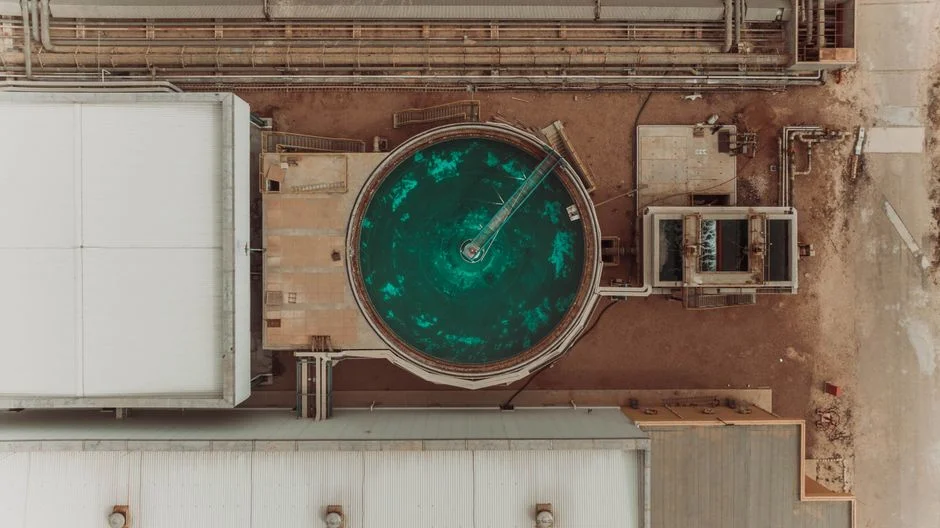
DAF flotation capacity cannot be approved independently of the route for the solids and oil it removes. Effective sludge management is an extension of the flotation process.
Palaniandy and colleagues (2017) identify thicker sludge as one advantage of DAF. The resulting sludge volume and dry-solids rate still require calculation from the Hyundai-specific solids and oil loads. The supplier must provide expected flotation-sludge characteristics and dry-solids yield; otherwise, downstream equipment sizing remains conditional.
Transcend Cleantec’s commercial specification for multi-disc screw presses states capacities from 0.2–133.5 m³/h at 0.2% sludge concentration and a dewatering rate of up to 1,000 kg/h dry-solid mass. These are the supplier’s stated figures, not verified Hyundai duty or a universal sludge-press requirement. The buyer should use them only as comparison information and request a duty calculation based on the DAF sludge analysis.
The same supplier states that direct sludge feed from an oxidation ditch or aeration tank can eliminate settling tanks, sludge thickeners, and sludge-feed tanks. That is a potential configuration claim for compatible treatment arrangements, not a requirement for the automotive-plant DAF package. Selecting a press or another dewatering method requires the DAF vendor to deliver expected solids yield, consistency, oil content, and feed condition.
The DAF system engineering specifications should therefore define both the liquid-treatment duty and the sludge-transfer interface. The two calculations should be reviewed together before commercial approval.
Turn the calculation into a procurement requirement
A defensible quotation starts with an approved design basis, not a requested nominal flow. Procurement teams must provide bidders with clear, site-specific data.
Issue bidders the plant wastewater mass balance, flow-duration data, pollutant characterization, source-control drawings, pretreatment chemical data, applicable effluent limits, plant operating hours, and future-expansion assumptions. A source-control drawing should show which drains enter DAF, equalization, pretreatment, sewer disposal, or reuse.
Require each bidder to submit a transparent sizing calculation. It should show how the proposed system handles the verified peak flow, TSS loading, and oil loading. The calculation should state the recycle ratio, saturation pressure, bubble range, retention time, skimming capacity, available redundancy, and utility consumption. The performance guarantee should be tied to the approved wastewater characterization and receiving or reuse criteria.
Palaniandy and colleagues (2017) report that DAF requires less space than normal clarifiers and that modular components allow easy installation and setup. Those points make footprint comparison relevant, but they do not replace checks for access, utilities, controls, maintenance, and civil interfaces. Evaluate lifecycle factors including available space, installation access, operator involvement, energy use, spare parts, and local maintenance support.
Do not accept a model number as the capacity recommendation. A proposal issued before the wastewater basis is approved should clearly identify every provisional assumption, design allowance, and item requiring clarification. The final capacity becomes conditional on the signed mass balance, verified analysis, and performance criteria.
Frequently Asked Questions
What DAF capacity is required for Hyundai’s new auto plant in Malaysia?
No defensible numerical capacity can be produced from the available information. Hyundai’s verified peak flotation-feed flow and pollutant loads are required before the hydraulic capacity, solids handling, oil removal, redundancy, and installed DAF configuration can be calculated.
How should DAF suppliers be selected for the automotive wastewater pretreatment package?
Require bidders to show the calculation behind their proposal, including verified peak flow, contaminant loading, recycle ratio, saturation pressure, bubble range, retention time, skimming capacity, redundancy, and guaranteed duty. Select against the approved wastewater basis, not nominal flow or model number alone.
What inputs are needed to estimate the cost of the DAF package?
Request a quotation based on the approved wastewater mass balance, contaminant analysis, materials, pretreatment needs, controls, civil work, utilities, and sludge-handling requirements. No supported price range is available in the supplied research, so a defensible budget requires those project-specific inputs rather than an assumed rate per m³/h.
What compliance information is required before selecting the DAF equipment?
Confirm the